Hawaiʻi is built on a foundation of shared responsibility—the understanding that our collective well-being depends on our care for one another and our shared resources. It’s the value that sustains our public schools, keeps our communities healthy, and provides a safety net for our neighbors in times of need. This social contract ensures that Hawaiʻi remains a place where everyone can thrive.
Today, that foundation is at risk. A recent change in our state’s tax policy, while providing some relief, primarily directs its largest benefits to those at the very top. By 2031, this will reduce the revenue available to fund our shared priorities by over $1.4 billion each year—money that is essential for everything from education and healthcare to infrastructure and environmental stewardship.
Act 46 represents more than just a tax bill, but a choice about the kind of future we are building. Do we continue on a path that widens inequality and cuts to vital services, or do we choose a course correction that ensures tax relief truly serves the many, not just the few?
How Act 46 Works
Act 46—a package of income tax cuts passed during the 2024 legislative session and signed by the governor—moves Hawaiʻi’s income tax brackets upwards. This shift means almost all taxpayers will be taxed at lower rates—but especially higher earners. The law also increases the standard deduction over time, which mainly helps people who do not itemize their taxes. While some of these tax cuts will be provided to low- and middle-income people, the largest benefits will go to those at the very top.
Figure 1. Tax Cut By Income Group, Hawaiʻi (2025 vs. 2031)
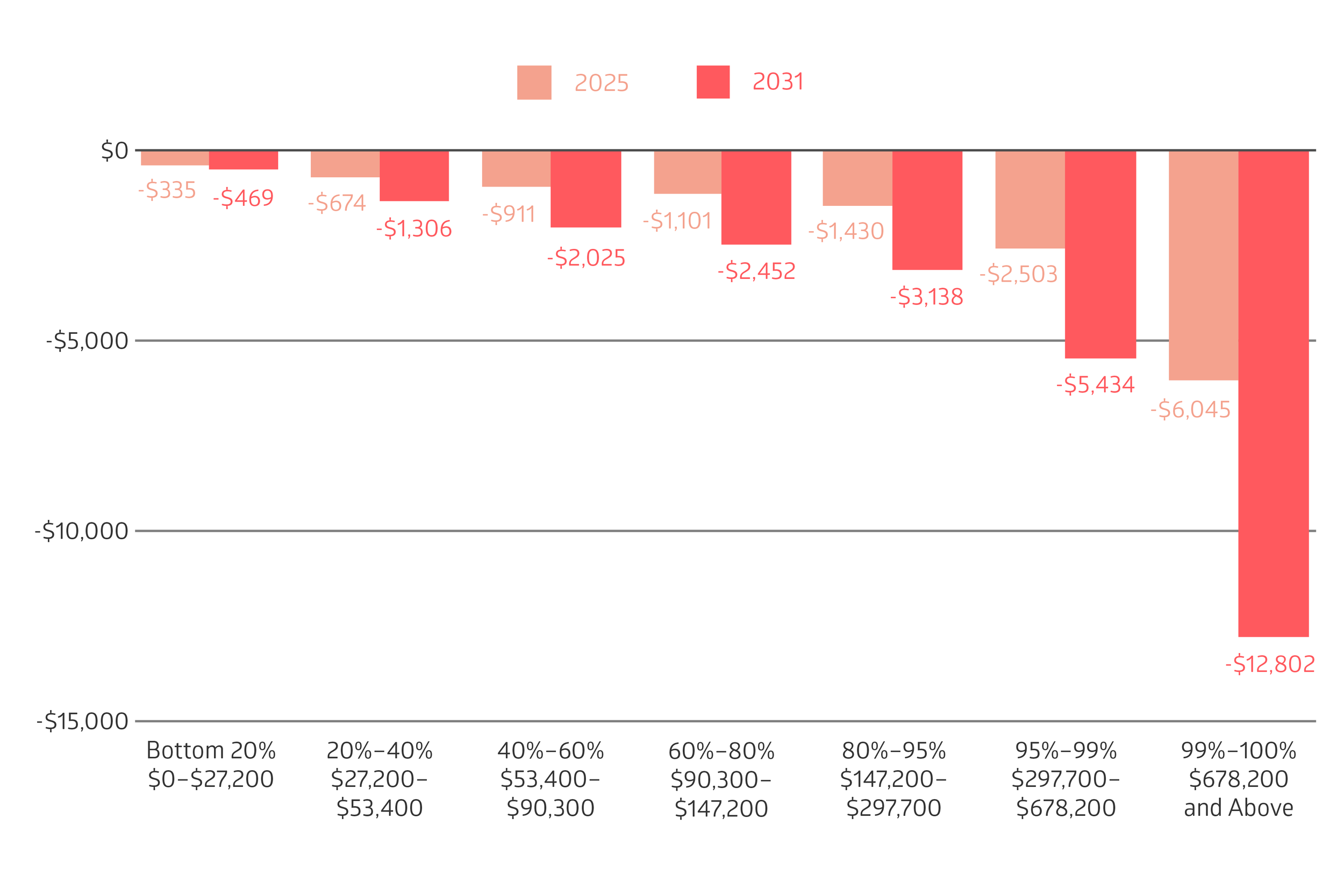
In 2025, the richest 1 percent of taxpayers will receive an average tax cut of roughly $6,000, compared to about $335 for the lowest‑income 20 percent. By 2031, the top 1 percent will see their average tax cut more than double to nearly $13,000, while low‑income households will only receive slightly more than they did in the first year.
Figure 2. Cost of Act 46 (2025–2032)
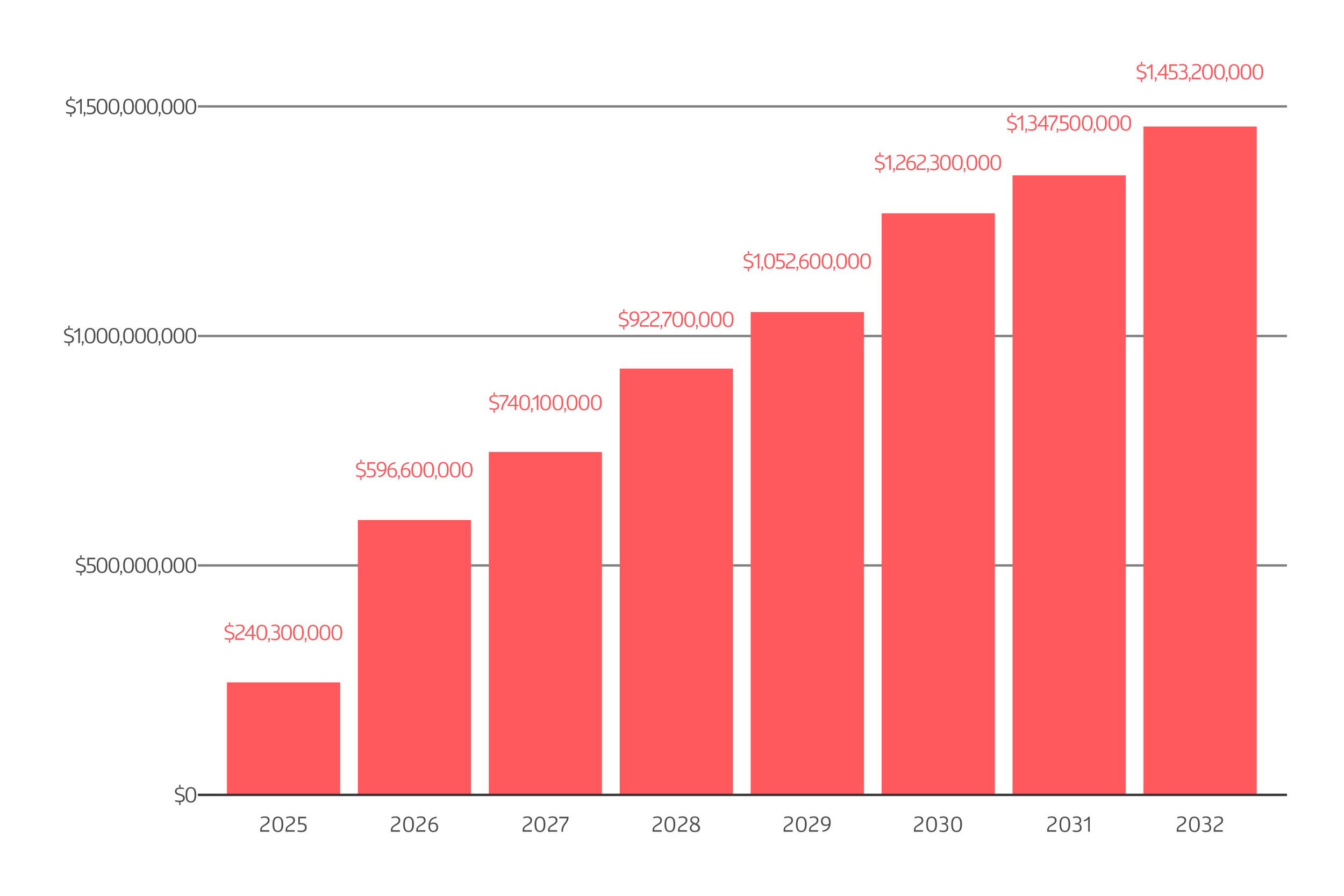
By 2031, Act 46 will cost the state over $1.4 billion per year (12 percent of Hawaiʻi’s total tax revenue). That means less funding invested into our communities and into our future.
Taking Action for Hawaiʻi’s Future
At the same time that Act 46 is reducing state revenue, policy changes within H.R.1 will put millions of dollars in federal funding for Medicaid and SNAP (among other programs) at risk.
Under H.R.1, an estimated 56,000 Hawaiʻi residents could lose Medicaid coverage and 13,000 could be at risk of losing SNAP—unless the state steps in to fill the gaps. Combined with revenue lost from Act 46, these federal cuts could force the state to make deep cuts to these programs unless action is taken.
In 2026, Hawaiʻi’s legislature should freeze the implementation of Act 46, limiting the revenue impact.
Going a step further, lawmakers should consider rolling back or reducing the tax cuts for the wealthiest tax payers.
This would recenter Act 46 on its original purpose: providing tax relief to low- and middle-income families.
By pausing this approach, we have a chance to steward our public goods, ensuring we have a safety net that catches everyone. True economic relief should lift up the families who are the backbone of our communities.