

Understanding Hawaiʻi’s Landlord-Tenant Code
Current Protections, Gaps and the Case for Reform
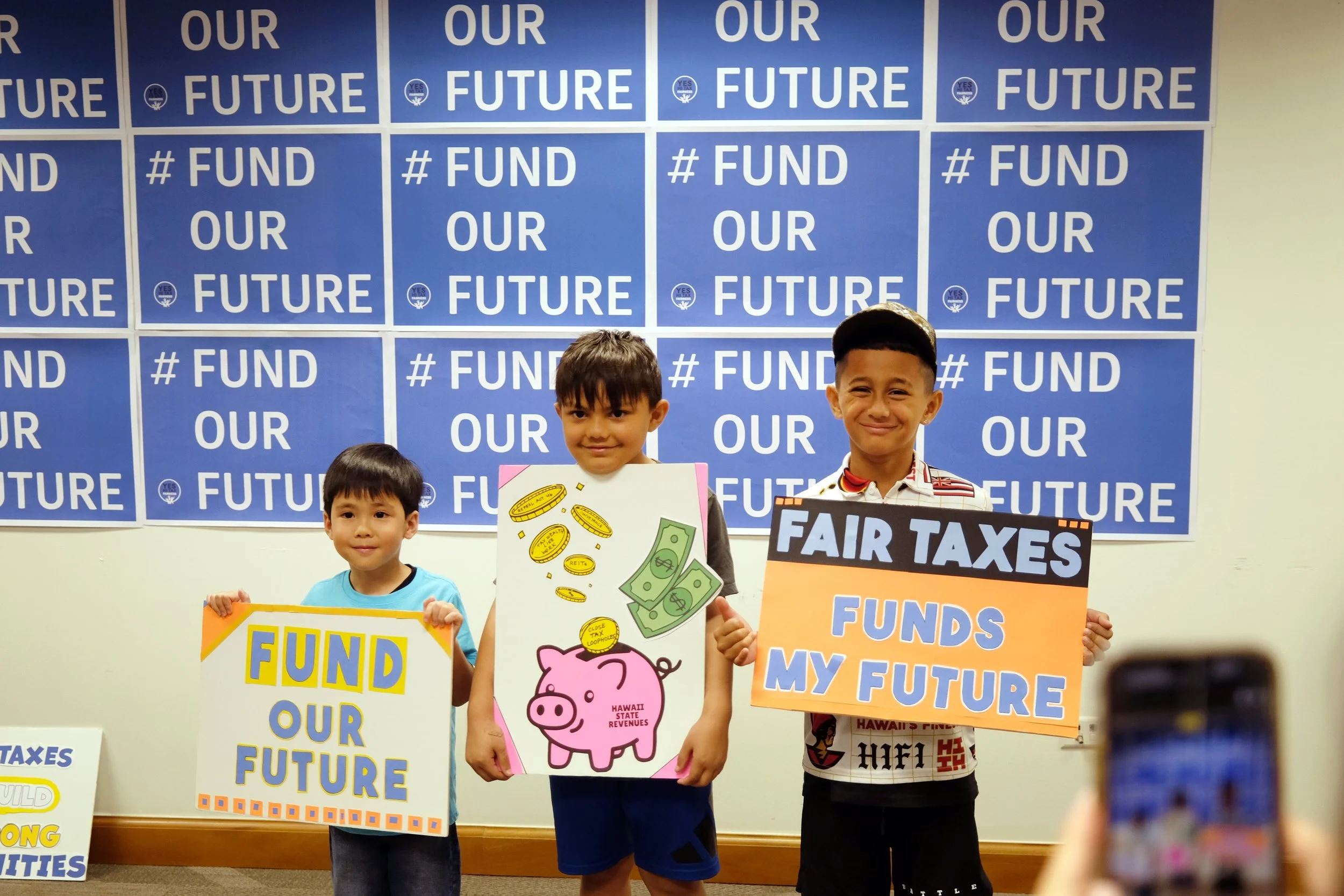
Hawaiʻi Budget Primer FY2026–27
Each year, Hawaiʻi Appleseed analyzes the dense budget bill passed by the Legislature and distills it into a short, digestible primer. The FY 2026–27 Budget Primer explains what the state plans to fund and by how much.
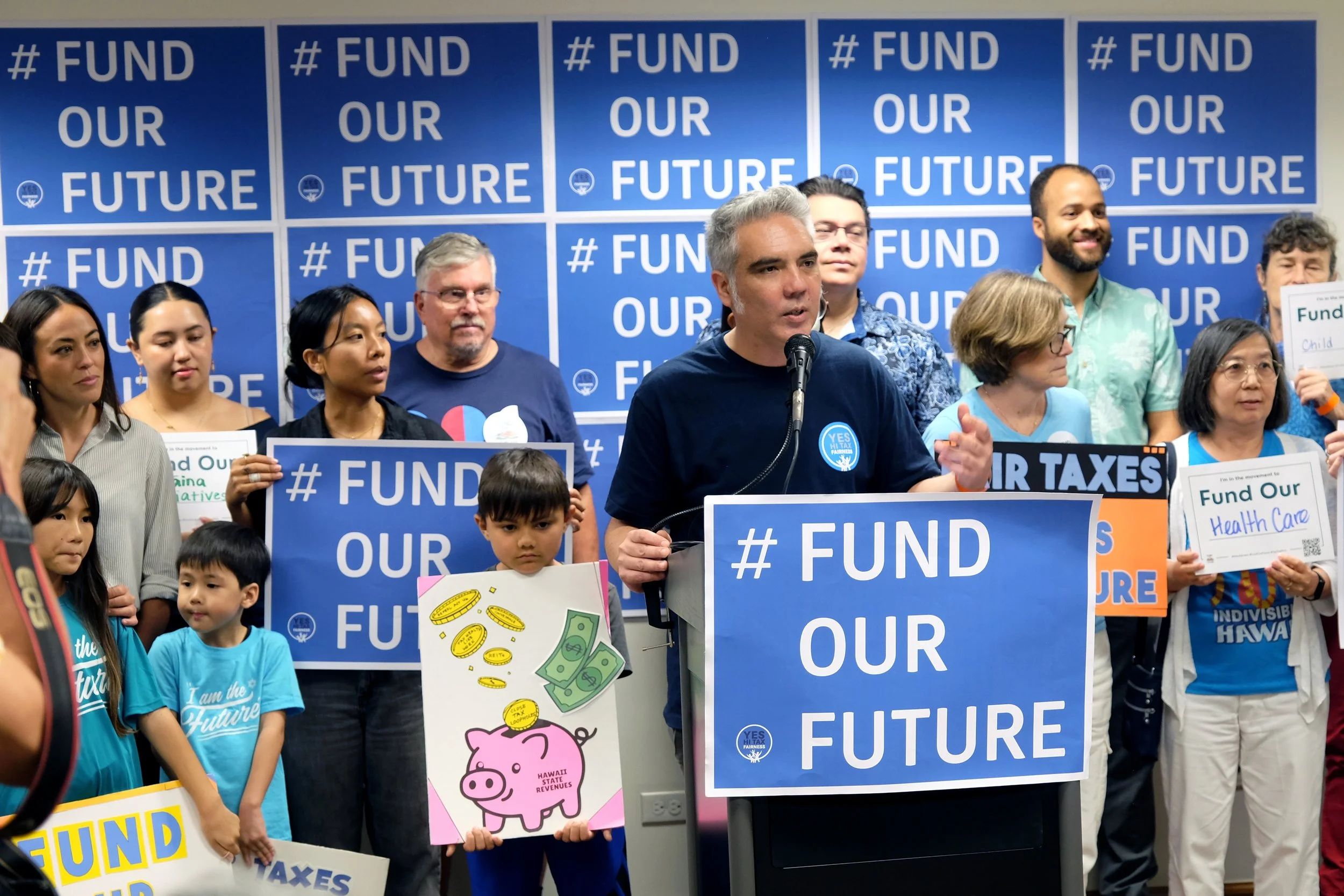
Policy in Perspective 2026
The most significant failures of the session all share a root cause. They are reforms that would rebalance power or resources away from those with established political influence, and toward those with unmet needs.
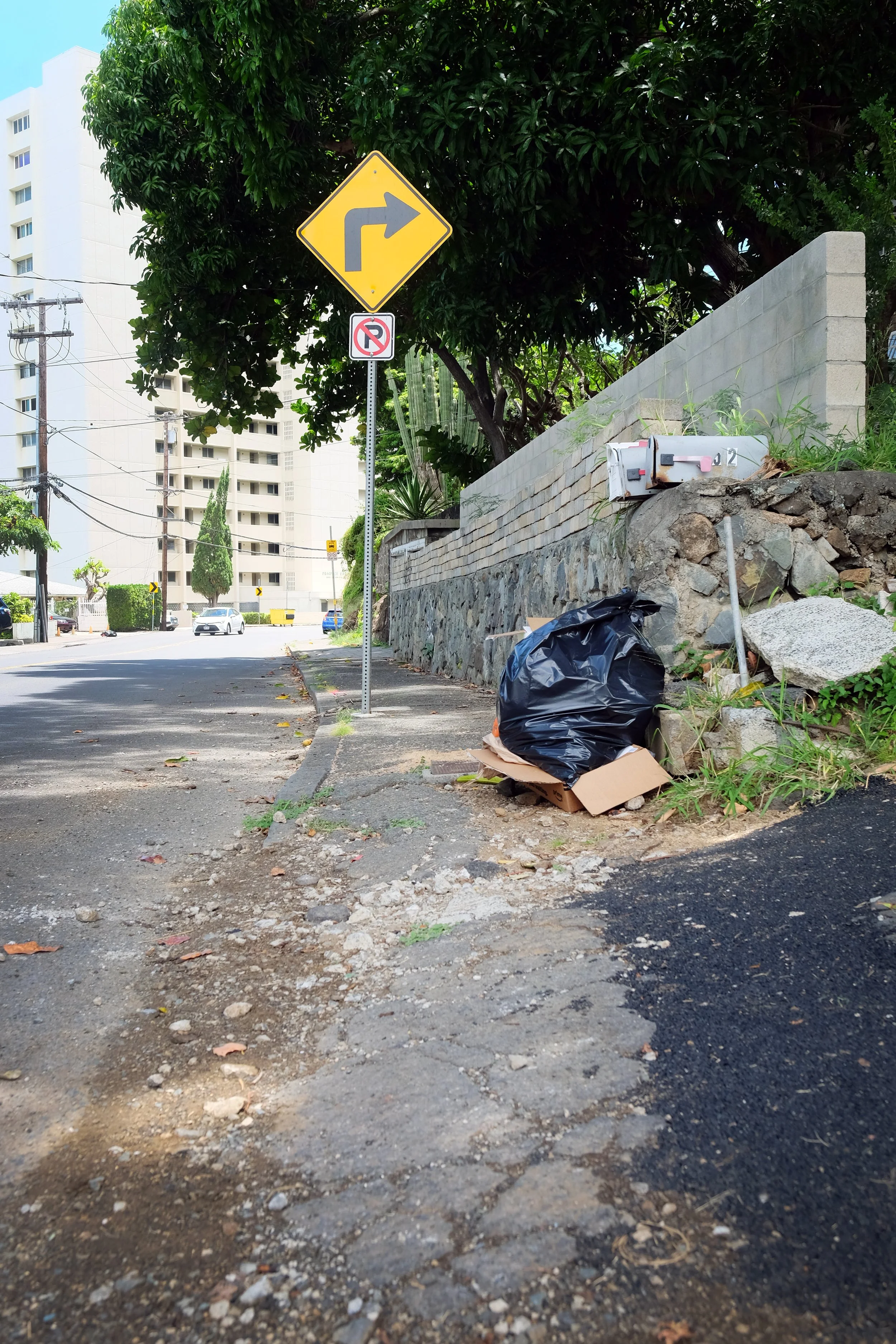
Oʻahu Mobility Needs
Looking beyond conventional commuter data to understand how Oʻahu residents of all ages and abilities get to school, work, and beyond.

Pedestrian Head Start
Accessible Pedestrian Signals (APS) and Leading Pedestrian Intervals (LPIs) give people a safer head start and make crossings more inclusive for those with disabilities.


A Fairer Tax Code for a Thriving Hawaiʻi
Progressive Revenue Options to Protect and Invest in Our Future.


Who Pays for Climate Disasters?
Case Studies on Regulatory Responses to Climate Change-Related Disasters.

Hawaiʻi Budget Primer FY2025–26
This budget primer is intended to help readers understand how our state budget works and to encourage budget and policy decisions that improve the lives of Hawaiʻi’s people.

Policy in Perspective 2025
The 2025 legislative session convened under twin existential threats: Hawaiʻi’s worsening affordability crisis, and an impending fiscal tsunami of federal budget cuts.

Renters left behind at the Hawaiʻi State Legislature
In Hawaiʻi, two-fifths (38 percent) of households rent the homes in which they live, yet too often the needs of renters are sidelined at the Hawaiʻi State Legislature.


Helping Hawaiʻi’s Families
How tax credits can reduce poverty, stimulate the economy and keep local residents thriving in Hawaiʻi.

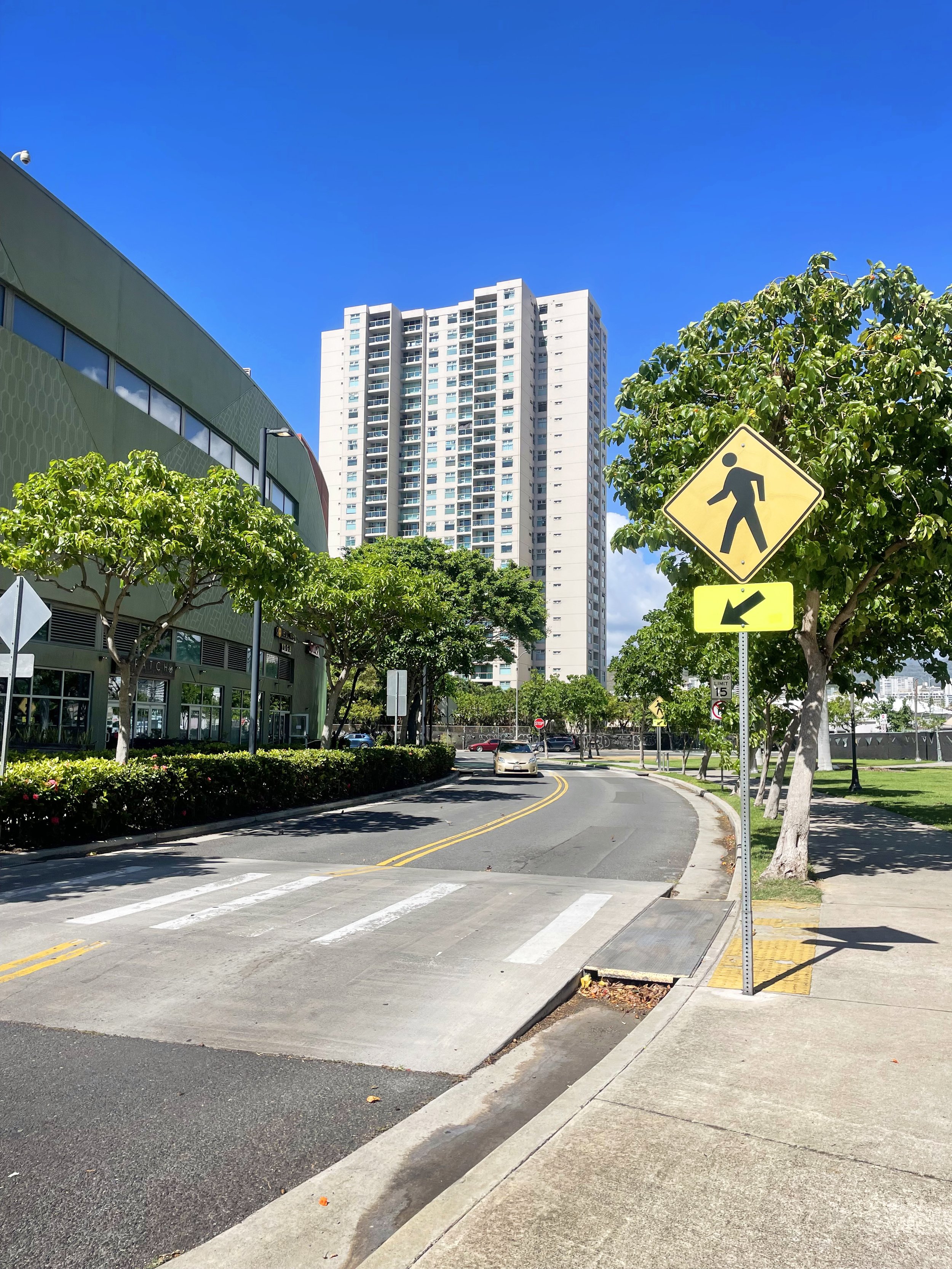
Rethinking Roads
Shifting budget priorities to expand mobility options & reduce vehicle travel.



Hawaiʻi Budget Primer 2024-25
The state budget is a plan for spending based on available resources. It's also a statement of our values. It’s where we invest in programs that increase fairness, opportunity and wellbeing for all.