

New census data confirms the benefits of investing in safety net programs
The new data highlights the anti-poverty effects of programs like the Child Tax Credit, SNAP and Medicaid. At the same time, it’s a reminder of what working families stand to lose with H.R.1.

Hawaiʻi’s costly tax shift: How a billion-dollar cut threatens public services
The choice before us is whether we will allow a billion-dollar annual loss to erode our common foundation, or whether we will act to preserve it—for every family, and for generations to come.

The chilling effect: How federal cuts and immigration crackdowns threaten food security in Hawaiʻi
The mega budget bill that Congress recently passed narrows who can access critical programs like SNAP and Medicaid, while fueling fear and confusion about who can safely apply for assistance in the wake of increased immigration enforcement.

Federal transportation cuts threaten Hawaiʻi’s health and climate goals
With $131 million in transportation funds at risk, Hawaiʻi faces the possibility of lasting harm to our island infrastructure, and inhibited mobility for residents who rely on walking, biking and public transit.

How looming Federal cuts could impact housing in Hawaiʻi
If enacted, these cuts would gut rental assistance, eliminate key affordable housing development programs and slash funding for homelessness services.

Proposed Trump tax cuts will overwhelmingly benefit the top 1 percent
As millions of Americans file their taxes this April, both the U.S. House and Senate have passed budget resolutions that open the pathway for a massive tax giveaway for the wealthiest people in the country.

How Hawaiʻi is funding its $24 billion FY23 budget
The legislature not only decides where money is spent, but also makes many of the decisions about who pays how much to support the budget.

Housing discrimination is holding many of Hawaiʻi’s families back—here’s one way to fix it
One category of individual is still frequently discriminated against when seeking housing: people with housing choice vouchers.
Trump’s tax cuts gave Hawaiʻi’s rich a windfall; recapturing it would help our economy
The Tax Cuts and Jobs Act worsened economic inequality. It’s time to ask the households that benefitted the most from that windfall to contribute more to the common good.

Native Hawaiian healing from white settler injustices and continued discrimination
Racial healing is no less urgent in Hawaiʻi than it is across the nation. We must advance solutions that support and restore Native Hawaiian self-determination.

What’s included in the new federal coronavirus aid and what was left out?
The $900 billion COVID relief agreement provides urgently-needed relief to Hawaiʻi’s families, but the short timeline is worrisome and several important items were left out of the final deal.

Unemployed workers in Hawaiʻi can’t wait for Congress
Hawaiʻi has more than 200,000 unemployed workers and contractors. The state must move now to offer immediate support for these workers and their families.

Hawaiʻi still needs federal relief funds
Without further federal aid to state and local governments, Hawai'i is projected to lose 23,700 private and public jobs by the end of 2021.

Counties may need to fill gaps left in state coronavirus response
Some 35,000 additional households could fall into poverty or financial insecurity by the end of the year unless these gaps in state funding are addressed.

Allocating $100 million in CARES Act relief to housing support is good state policy
To help more than 100,000 Hawaiʻi residents stay in their homes, $100 million in CARES Act housing support is money well spent.
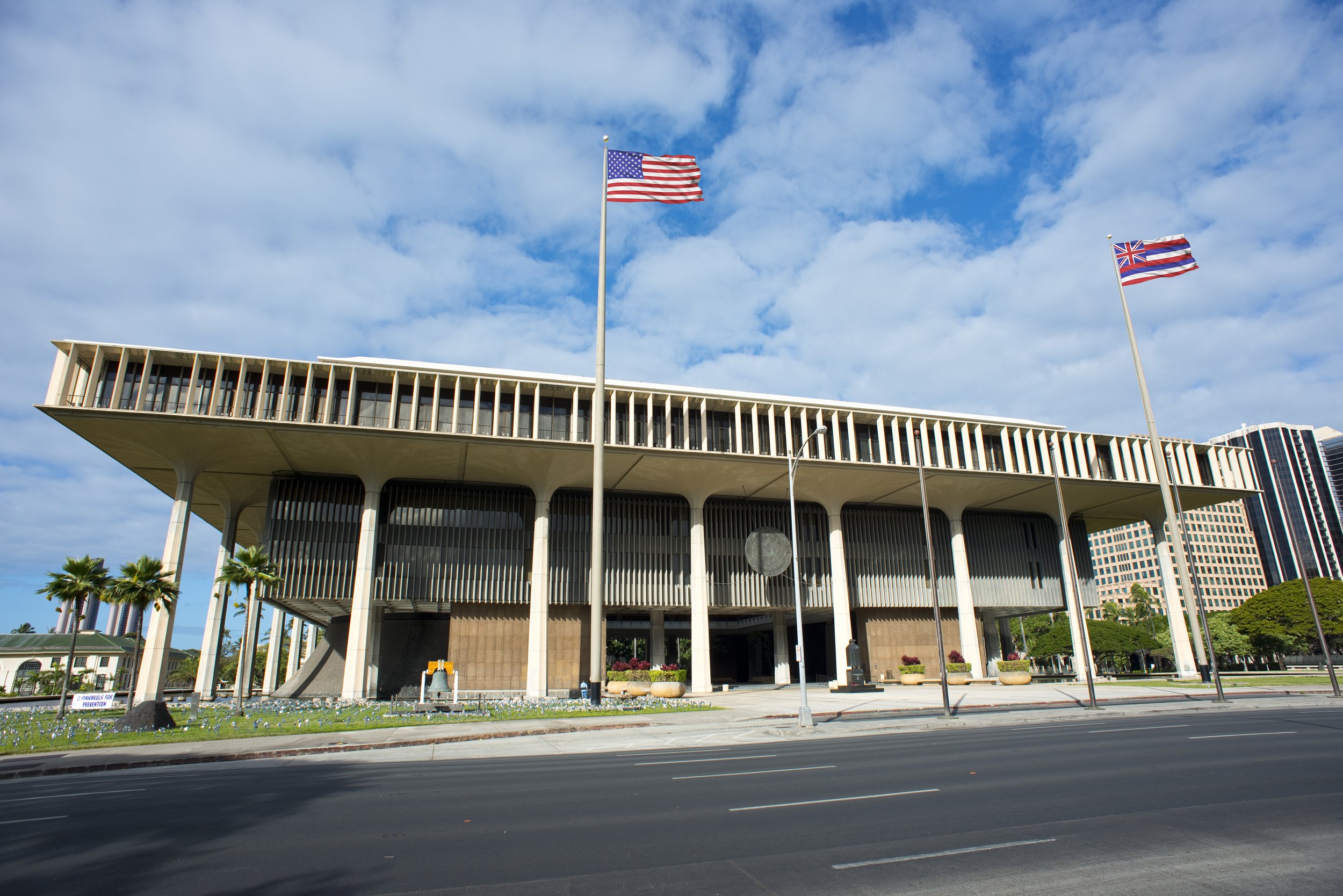
Setting the stage for a crucial June special session
CARES Act funds must be spent by the end of December, and careful decisions need to be made to address critical needs in our community.

50 years in the fight for equal justice
Victor Geminiani, founding director of Hawaiʻi Appleseed and career advocate for low-income and underserved communities, will retire on August 31, 2019.

Public charge rule change would hurt Hawaiʻi’s economy
Not only would the proposed rule change adversely impact the standard of living of Hawaiʻi’s immigrant families, it would also harm Hawaiʻi’s overall economy.
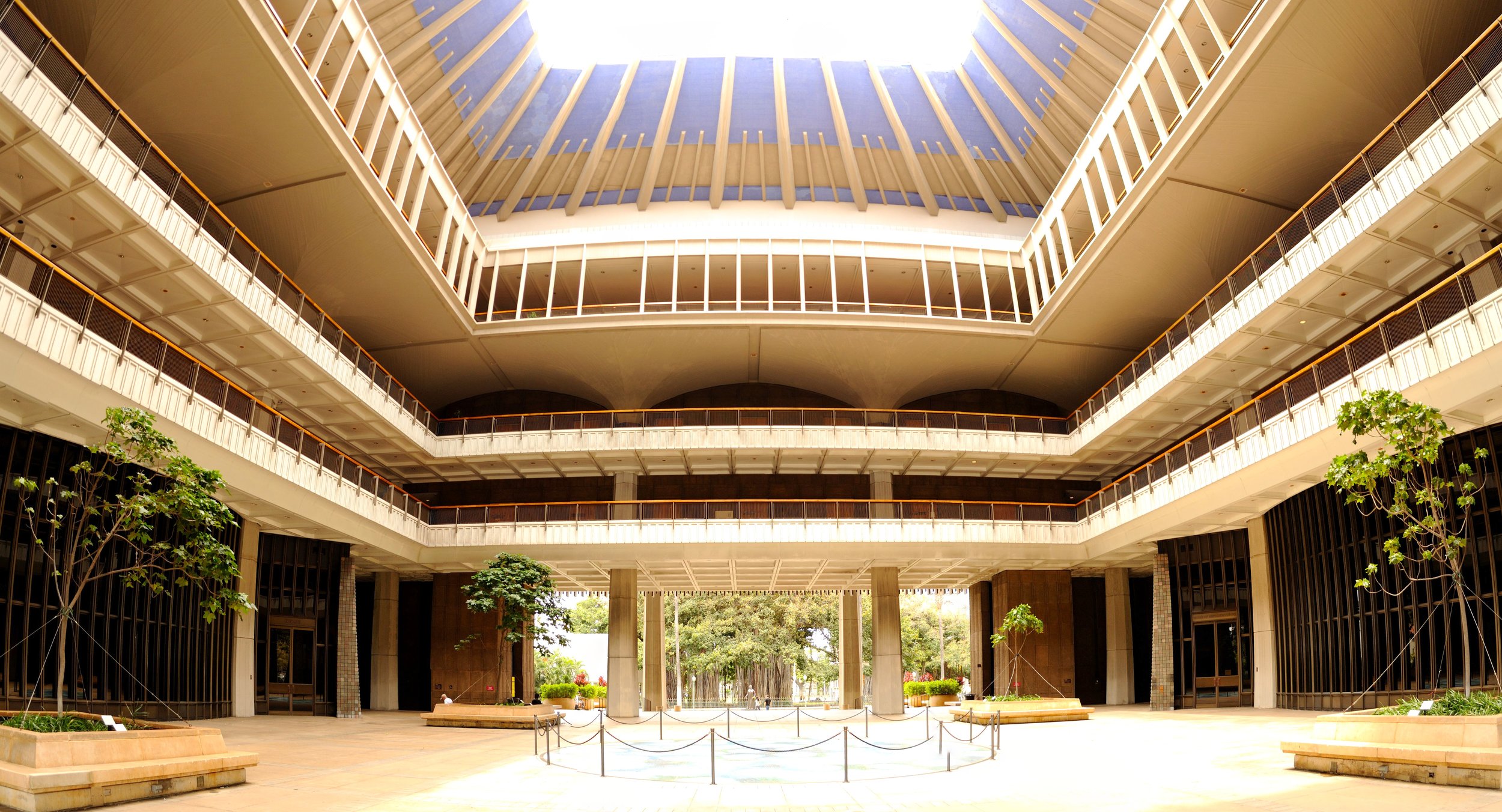
Coming soon: The Hawaiʻi Budget and Policy Center
Hawaiʻi Appleseed is creating a new think tank focused on research and analysis of state budget and tax policy—the Hawaiʻi Budget & Policy Center (HBPC).