
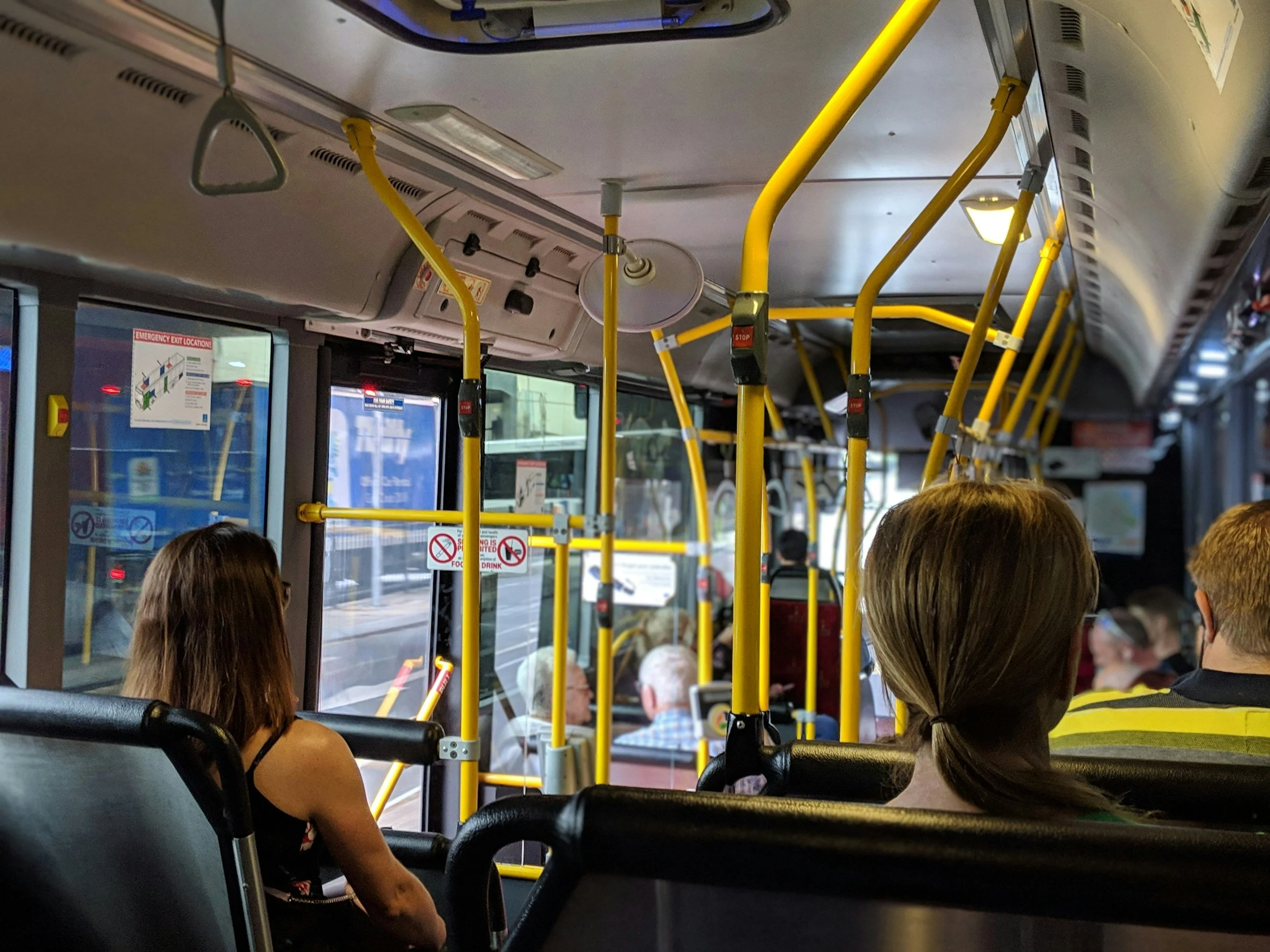
The bus could be free for everyone—here’s how we pay for it
What would it take to make the bus free for everyone in Hawaiʻi—not just our keiki, but every resident who needs a ride?

Moving together: The case for sustainable transportation in Hawaiʻi
The communities most exposed to the climate crisis are often the same communities already navigating the greatest transportation challenges.

Unburden the burdened: Why Hawaiʻi should expand its rental voucher program
Because vouchers target need rather than tenure, they avoid the market distortions that come with rent caps—and don’t create incentives to push tenants out.
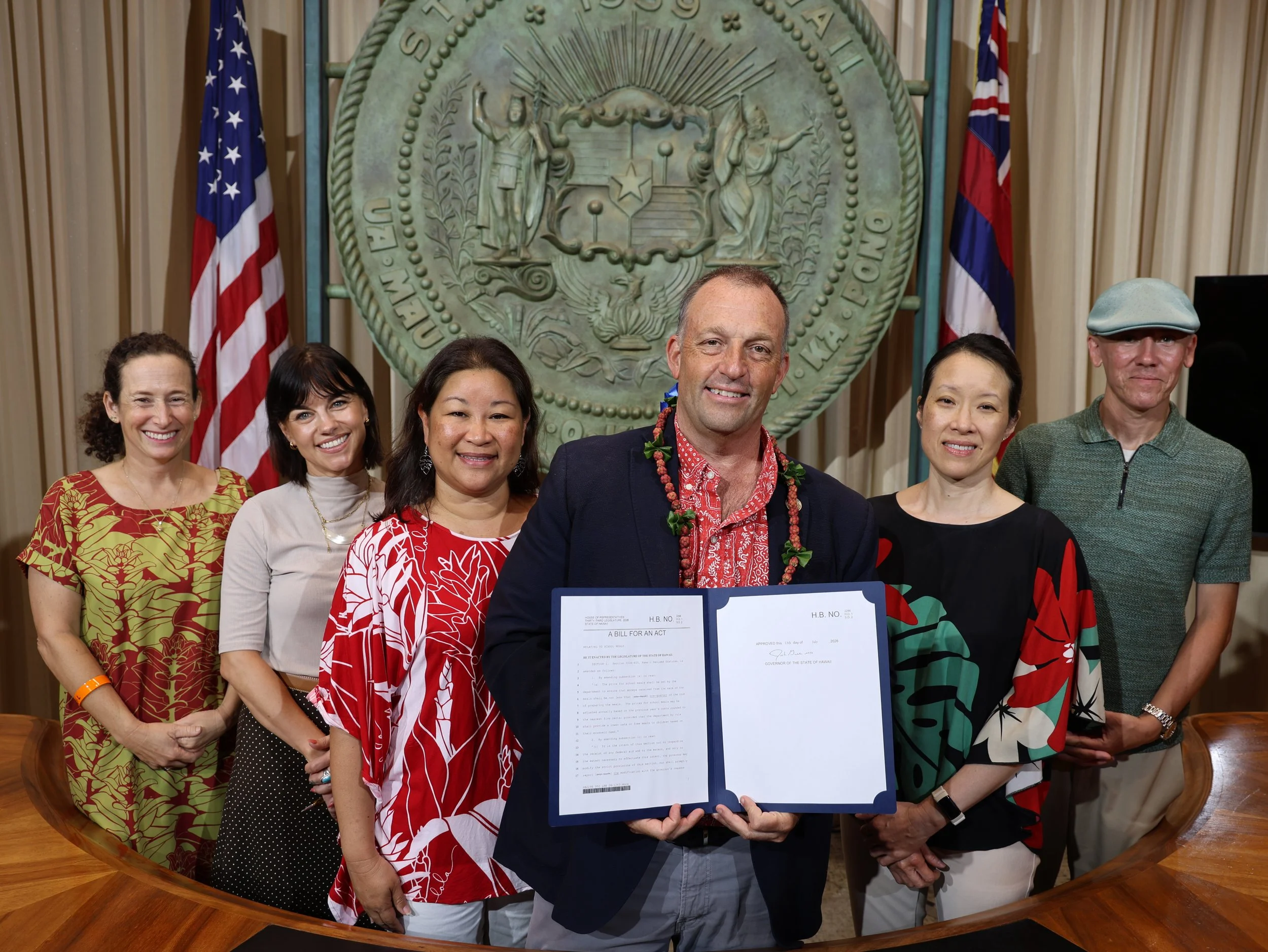
Behind the scenes: How Policy in Perspective tells the story of a legislative session
Built from a year’s worth of writing, analysis, and advocacy, Policy in Perspective creates the opportunity to take a step back and look at the legislative session from a bird’s eye view.
Sneak peek: Improving women’s mobility and access in ʻEwa and Waipahu
Where you live should never determine how far you can go. We’re currently in Phase II of a community-centered research effort focused on understanding the unique transportation challenges faced by low-income women and their families in ʻEwa and Waipahu.
Under pressure: Hawaiʻi’s budget troubles demand action
The state is confronting a growing list of challenges that could throw our budget—and the programs and services within it—into disarray. Now more than ever, we need to preserve funding for Hawaiʻi’s working families.

Remembering Victor Geminiani
One of Hawaiʻi’s most relentless advocates for people without a voice in the halls of power, Victor Geminiani devoted his entire career to securing the rights, and improving the lot, of the poor and the vulnerable. He died on June 10, 2026, at the age of 82.

Summer streets pilot, e-bike rules headline Hawaiʻi’s modest transportation wins
Progress on transportation equity comes in layers—a pilot program here, a clear legal definition there, a coalition that grows a little stronger each session.

Millionaire’s taxes are having a moment: Here’s why that’s good for all of us
A fairer tax code isn’t about punishing success. It’s about making sure all of us can thrive—not just a wealthy few.
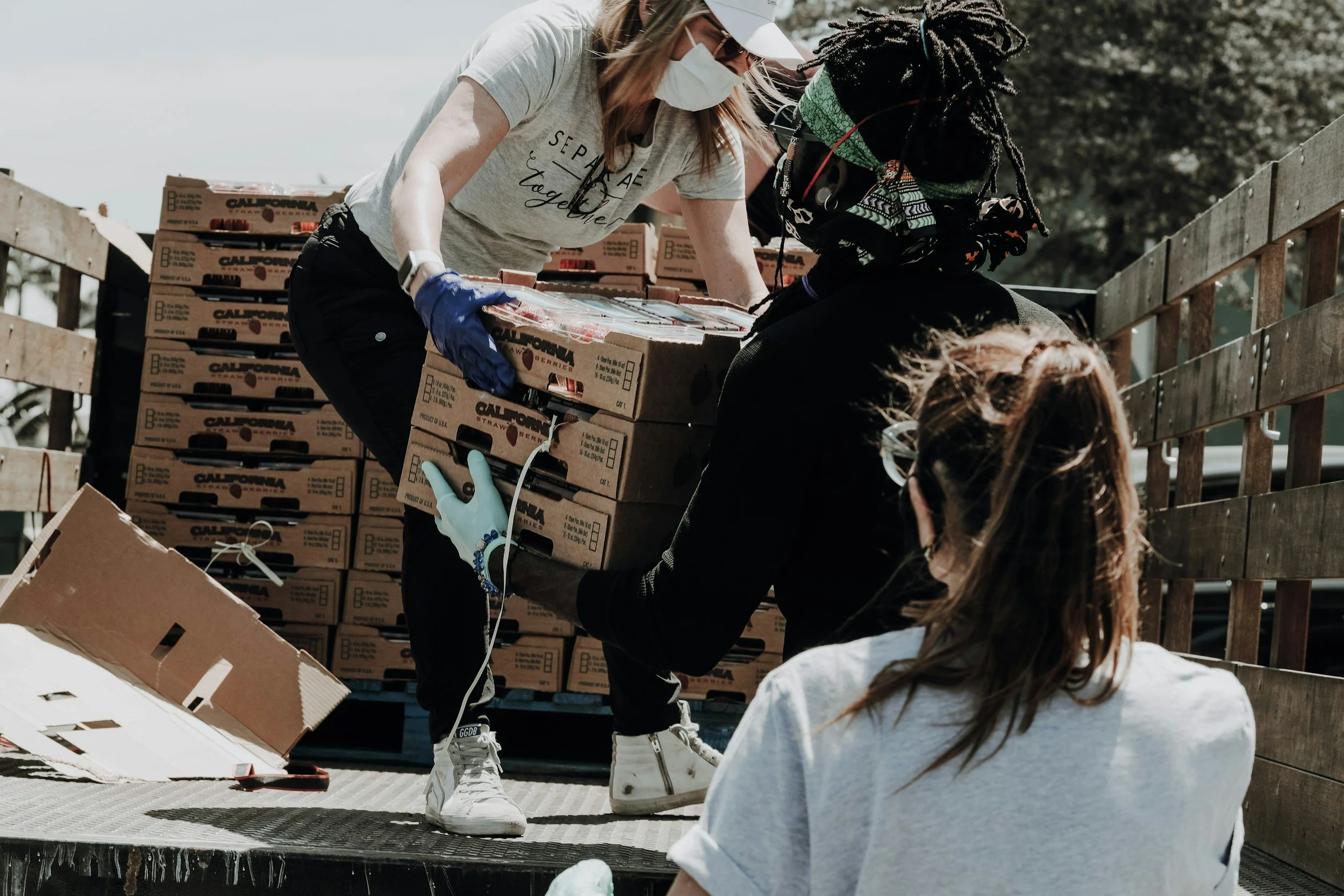
When disaster strikes, who feeds us?
Only 15 percent of our food is grown locally; 30 percent of families remain food insecure; less than 12 percent of households are prepared for a disaster. This is not a collection of separate problems. It is one broken system.

Moving toward a future where transit works for everyone
While measures in Hawaiʻi may not have advanced this session, the conversation around transit equity is far from over.

A fair share for Hawaiʻi's future: Why we need to modernize the conveyance tax
As housing costs soar and the gap between the very wealthy and everyone else widens, we must ask ourselves: who benefits from Hawaiʻi's economy, and who is asked to contribute?
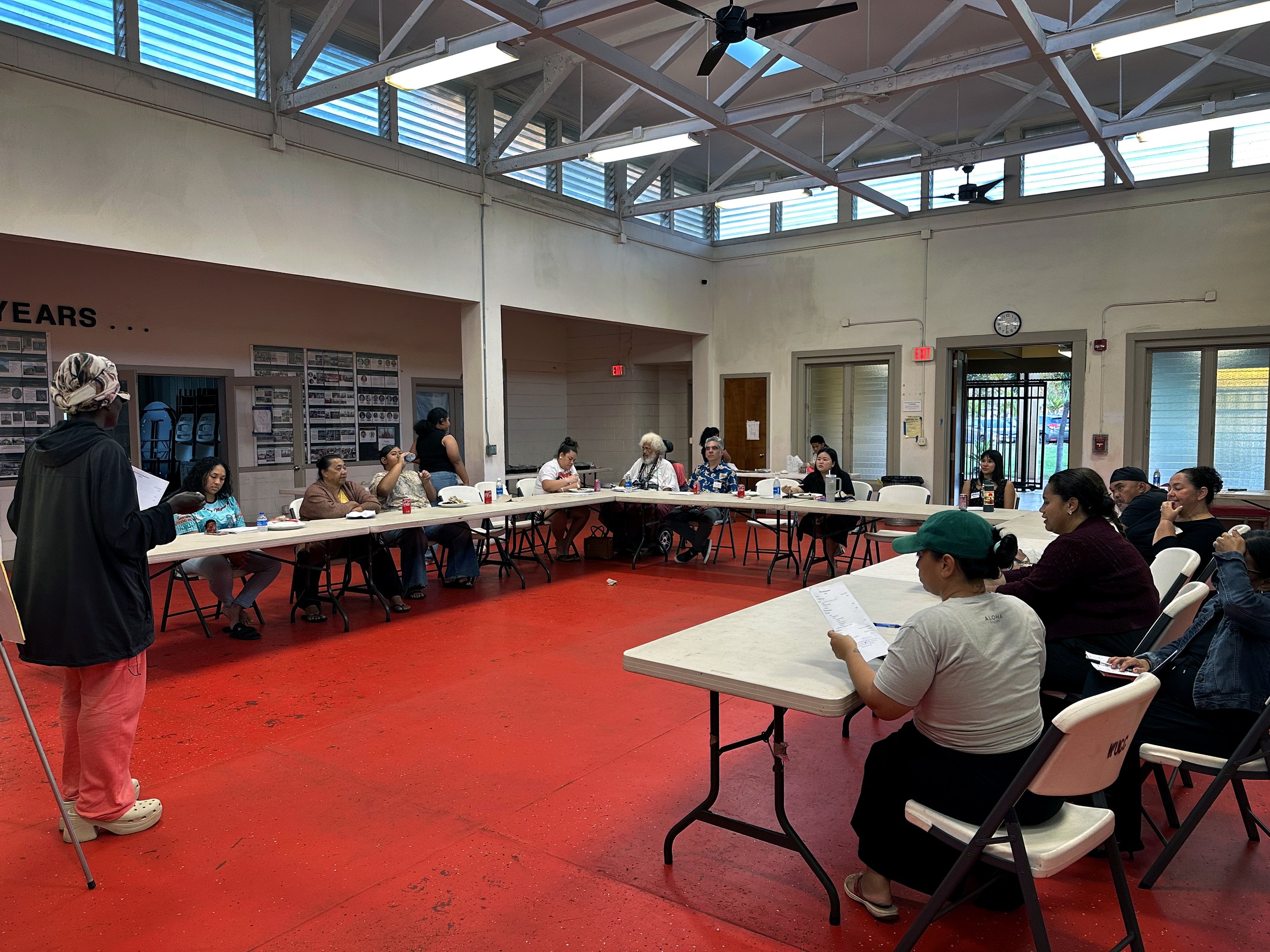
Pilina builders are ready to lead their community
Guided by the ʻōlelo noʻeau, Ma ka hana ka ʻike (in working one learns), the Pilina Builders are a diverse, bright, and community-grounded group of women from ʻEwa and Waipahu.

One step forward, a few meals short
While the passage of Act 139 was a meaningful step toward free school meals, it was just that—a step. The work is not finished.
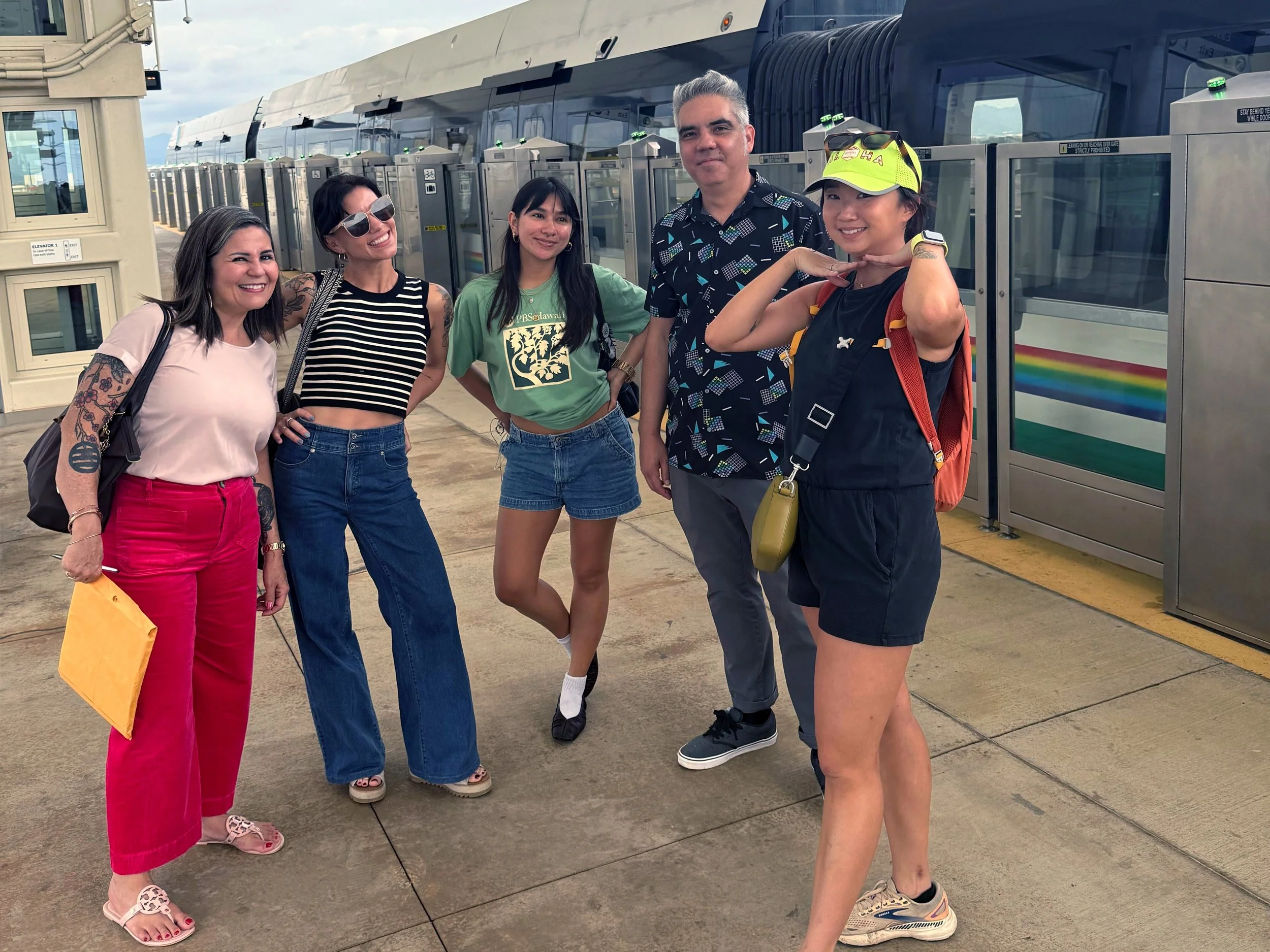
The great Skyline adventure: Hawaiʻi Appleseed tests the walkability of areas around rail stops
Success will require partnership across state and county lines, but the goal is shared: turning the areas around rail lines and high capacity bus routes into places where people can live, work and meet daily needs without the necessity of getting back into a car.

Hawaiʻi’s costly tax shift: How a billion-dollar cut threatens public services
The choice before us is whether we will allow a billion-dollar annual loss to erode our common foundation, or whether we will act to preserve it—for every family, and for generations to come.

A turning point for SNAP: Strengthening local supports for Hawaiʻi households
Hawaiʻi has an opportunity to build a more resilient, community-driven food system—one that protects families regardless of federal uncertainty.

Our Census Bureau is understaffed and underfunded—the quality of its data is suffering
Already facing resource shortages, new federal budget cuts call into question the very future of the Census Bureau itself.
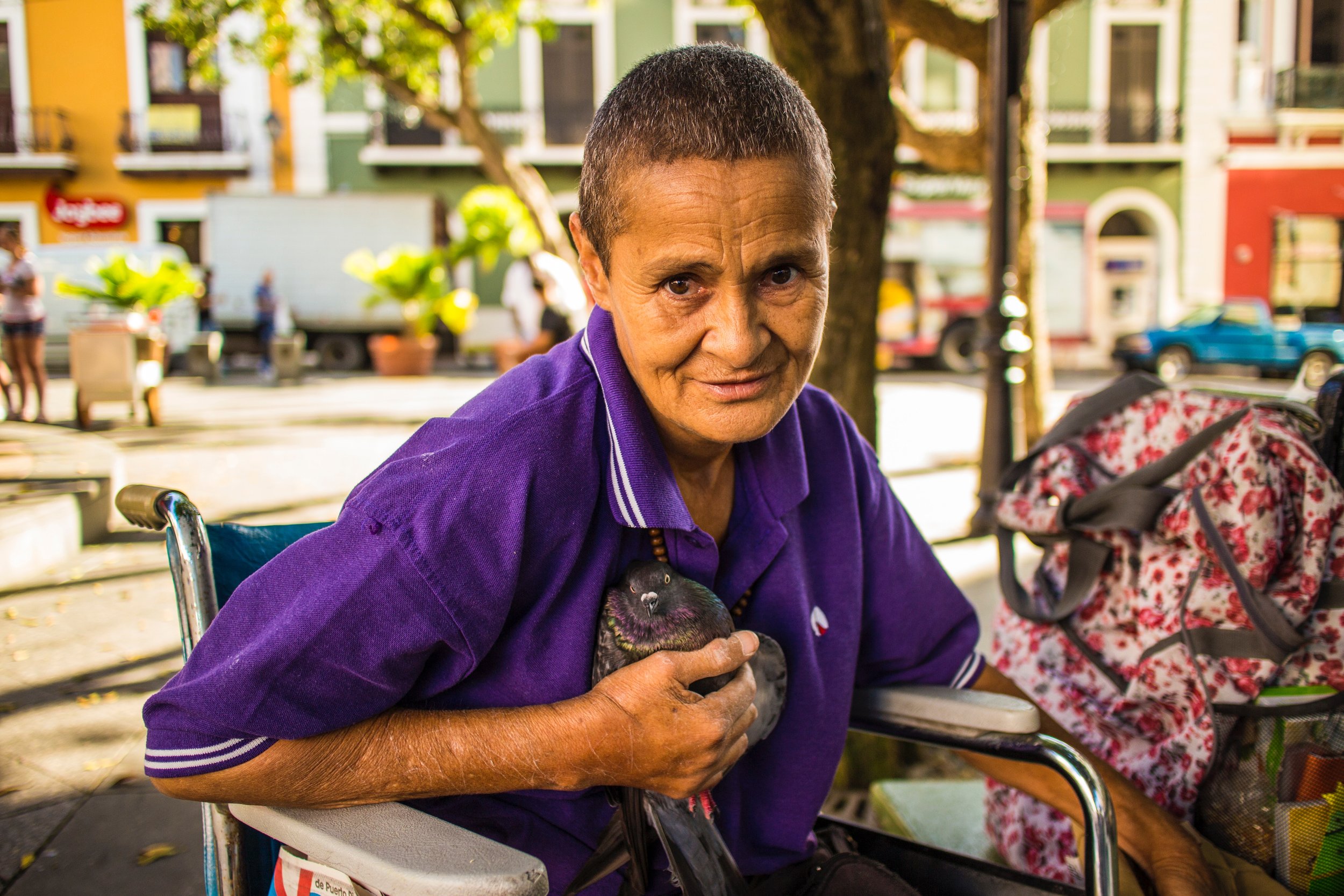
Kūpuna at risk: How federal changes to SNAP impact older adults in Hawaiʻi
Even within these new constraints, Hawaiʻi can innovate by combining or re-imagining existing programs to expand access and strengthen support for our seniors.

A path to more affordable housing: Rethinking county rules
County governments control what gets built through zoning, and through lengthy discretionary approvals. Both levers have historically been used to restrict supply.