
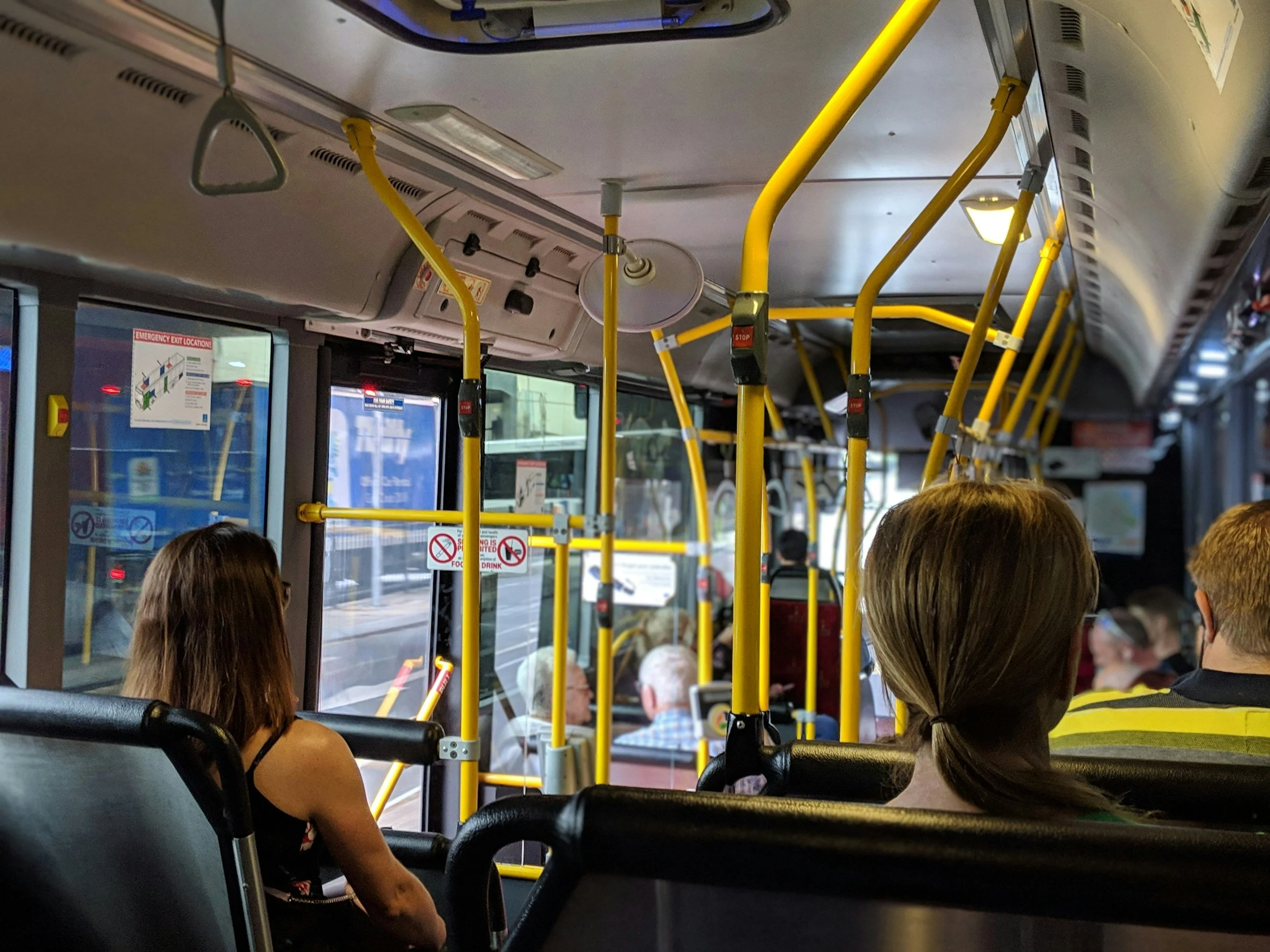
The bus could be free for everyone—here’s how we pay for it
What would it take to make the bus free for everyone in Hawaiʻi—not just our keiki, but every resident who needs a ride?
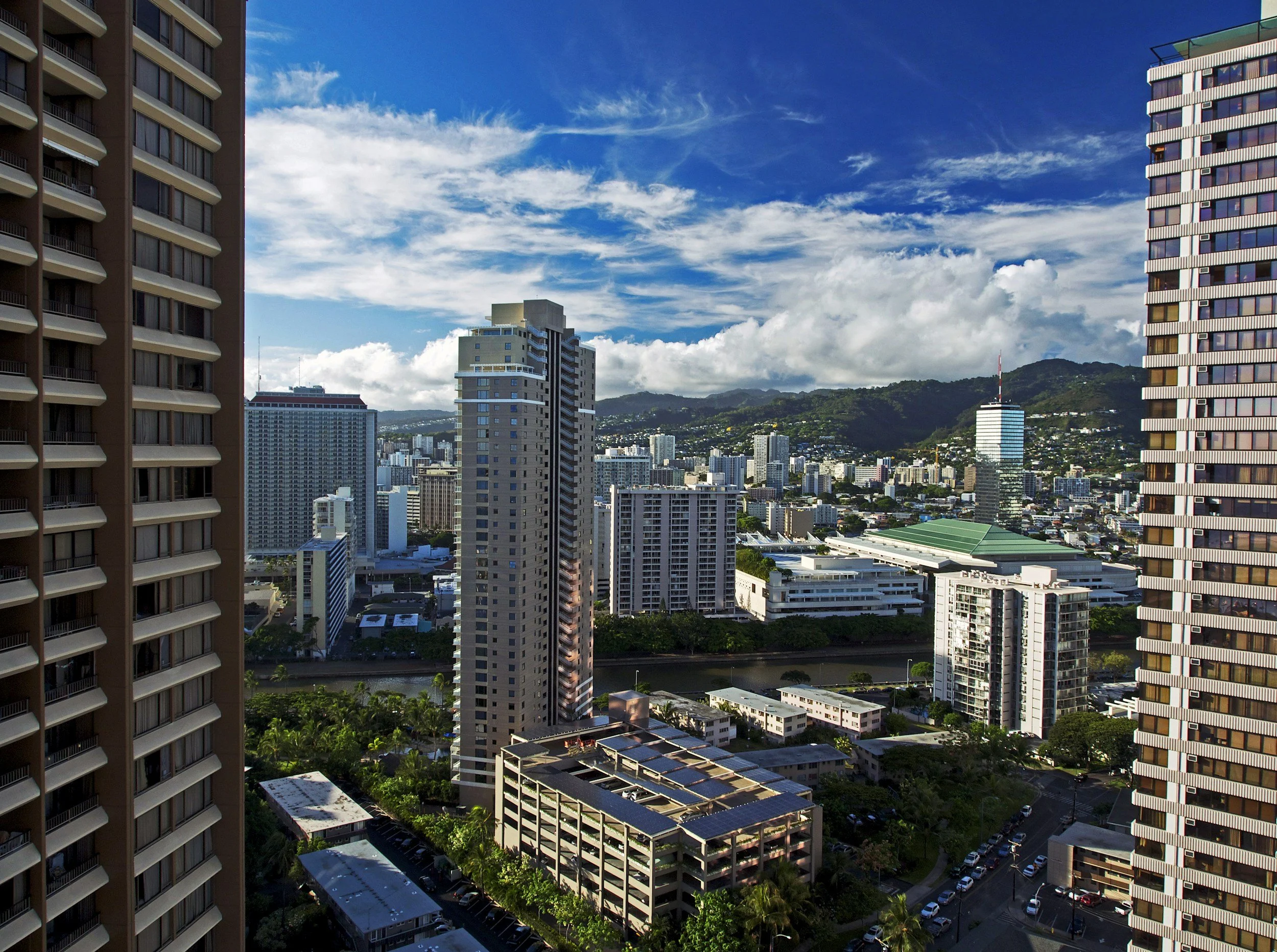
Five housing questions on Oʻahu’s November ballot—and why they matter
The amendments would make Honolulu’s commitment to housing more durable by putting it in the charter, by stretching affordable housing dollars further, by requiring real plans instead of ephemeral ones, and by opening the door to new revenue.

The surveillance grocery store: How algorithms target Hawaiʻi consumers
In an isolated state like Hawaiʻi, where shipping costs are already high and consumers have limited store alternatives, replacing fair market pricing with individual data extraction turns everyday necessities into variable-cost traps.
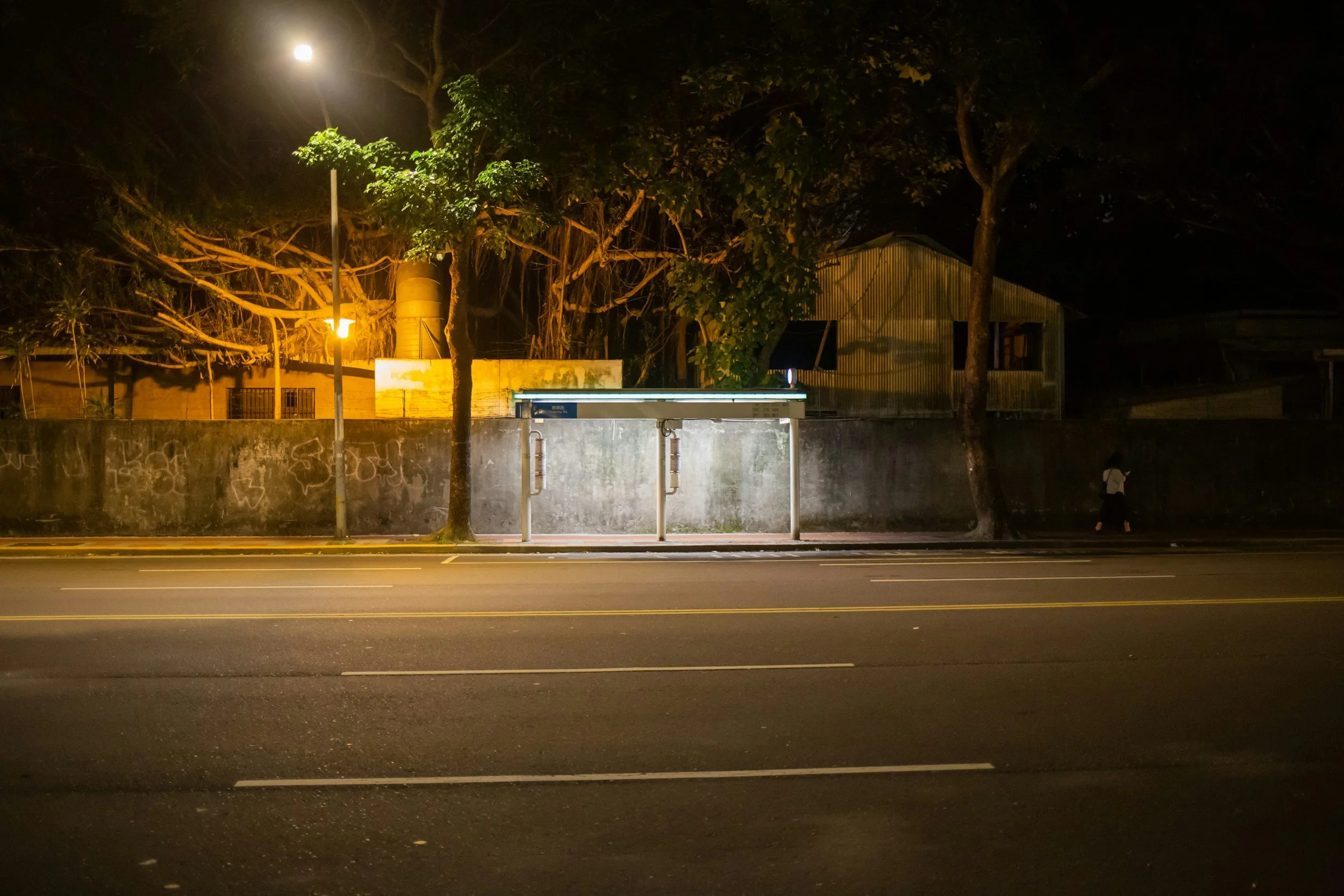
Sneak peek: Improving women’s mobility and access in ʻEwa and Waipahu
Where you live should never determine how far you can go. We’re currently in Phase II of a community-centered research effort focused on understanding the unique transportation challenges faced by low-income women and their families in ʻEwa and Waipahu.
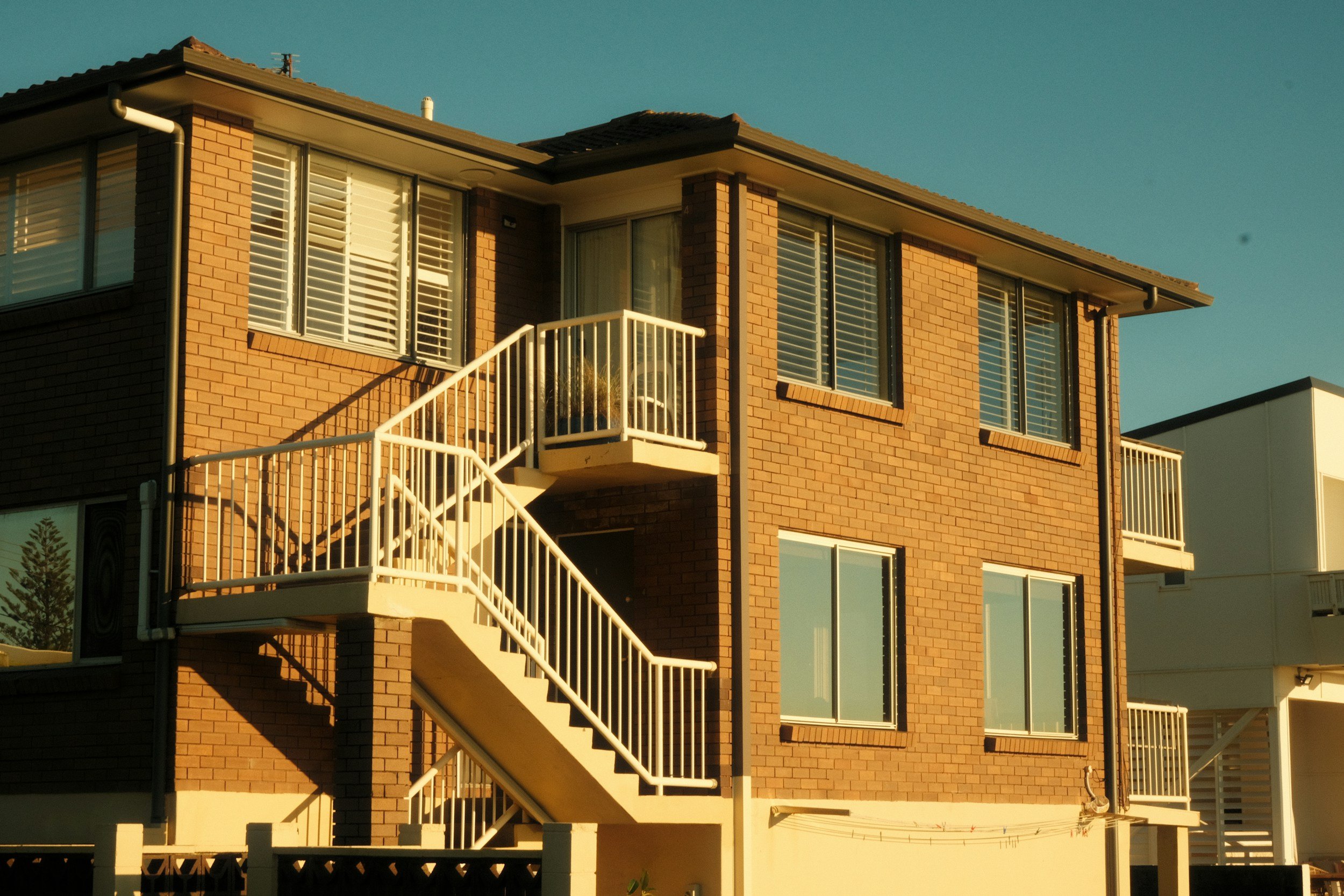
When safety becomes exclusion: The hidden cost of building codes
The code that claims to make buildings safer also quietly makes the densest, most affordable housing types the hardest and most expensive to build.

Remembering Victor Geminiani
One of Hawaiʻi’s most relentless advocates for people without a voice in the halls of power, Victor Geminiani devoted his entire career to securing the rights, and improving the lot, of the poor and the vulnerable. He died on June 10, 2026, at the age of 82.

Summer streets pilot, e-bike rules headline Hawaiʻi’s modest transportation wins
Progress on transportation equity comes in layers—a pilot program here, a clear legal definition there, a coalition that grows a little stronger each session.

Millionaire’s taxes are having a moment: Here’s why that’s good for all of us
A fairer tax code isn’t about punishing success. It’s about making sure all of us can thrive—not just a wealthy few.
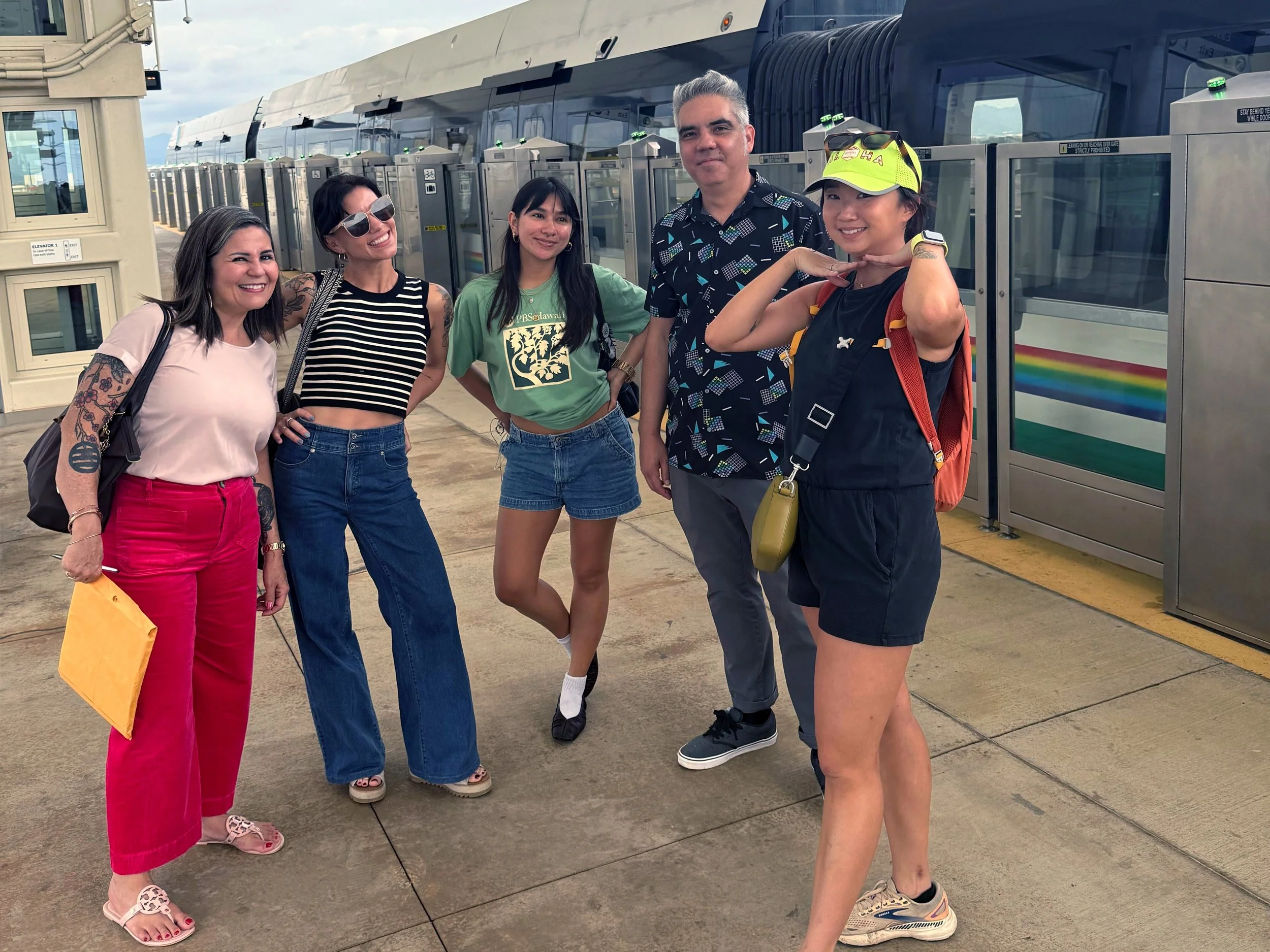
The great Skyline adventure: Hawaiʻi Appleseed tests the walkability of areas around rail stops
Success will require partnership across state and county lines, but the goal is shared: turning the areas around rail lines and high capacity bus routes into places where people can live, work and meet daily needs without the necessity of getting back into a car.

Taking policy local: how to shape county action on food security
Counties may not always be centered in the food security conversation, but they are some of Hawaiʻi’s most powerful leaders in combating hunger.

Hawaiʻi’s costly tax shift: How a billion-dollar cut threatens public services
The choice before us is whether we will allow a billion-dollar annual loss to erode our common foundation, or whether we will act to preserve it—for every family, and for generations to come.

A turning point for SNAP: Strengthening local supports for Hawaiʻi households
Hawaiʻi has an opportunity to build a more resilient, community-driven food system—one that protects families regardless of federal uncertainty.
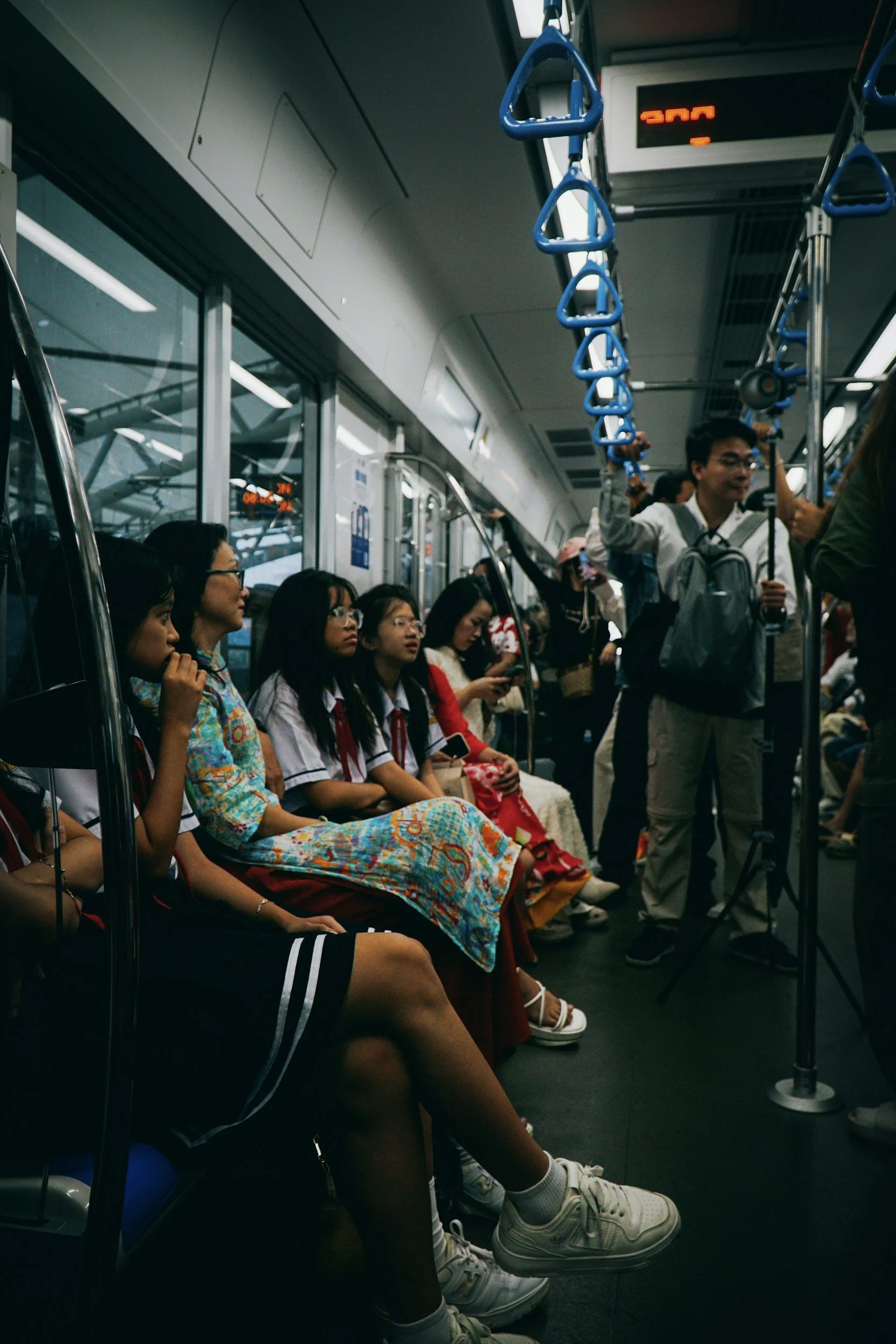
Keiki Ride Free: Building a more connected Hawaiʻi
By removing financial barriers to public transit, Hawaiʻi can empower young people to participate fully in their communities, while easing family costs and supporting climate goals.

A path to more affordable housing: Rethinking county rules
County governments control what gets built through zoning, and through lengthy discretionary approvals. Both levers have historically been used to restrict supply.
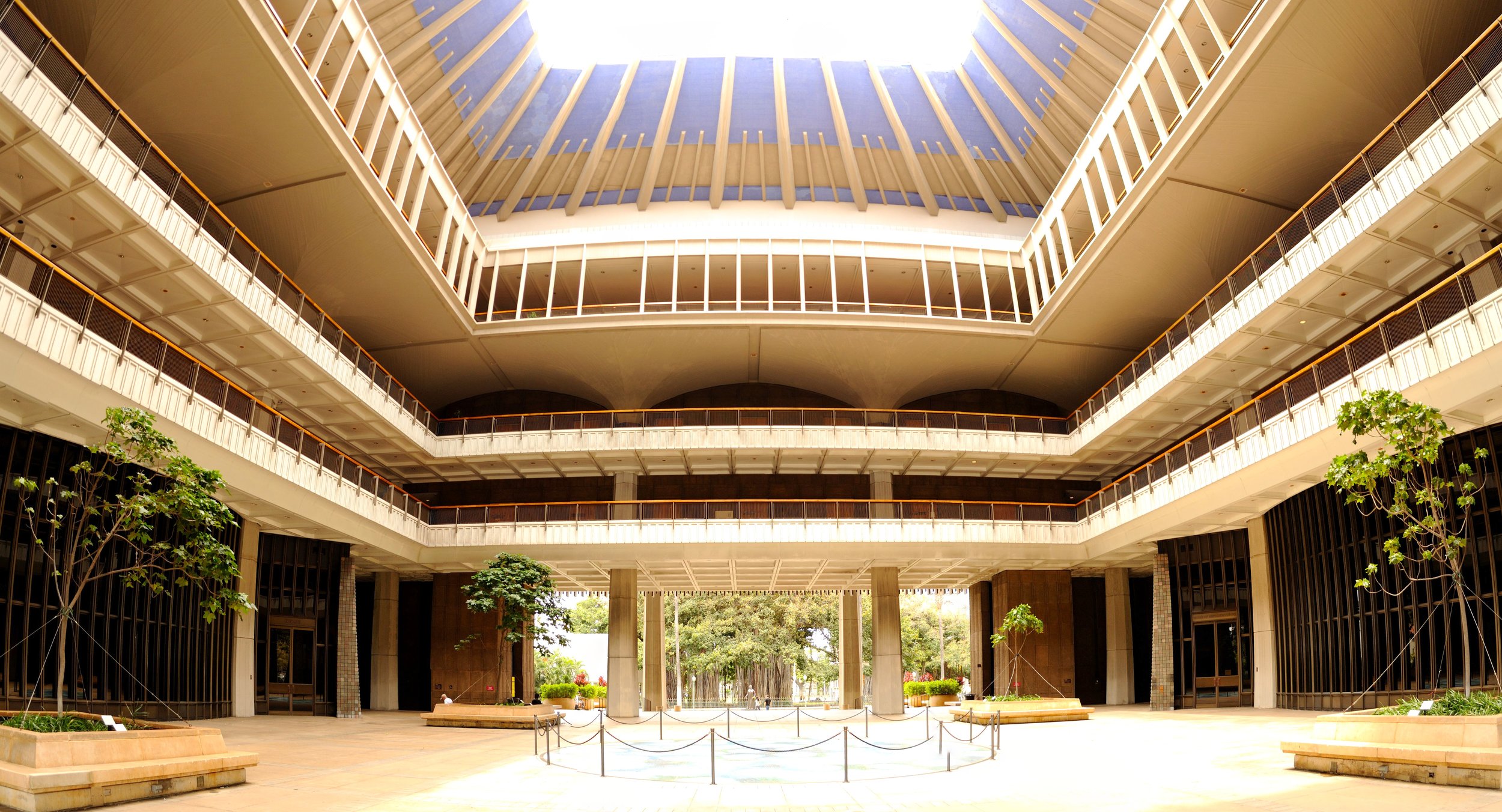
Transformative change meets budget realities—a central lawmaking tension plays out in two new reports
Policy in Perspective 2025 and the Hawaiʻi Budget Primer FY2025–26 provide a compelling—and sometimes sobering—look at how Hawaiʻi invests, and often under-invests, in its communities.

Can Hawaiʻi afford to cut the grocery tax?
Any proposal to reduce or remove the GET on food must be paired with a credible plan for replacing the revenue. It’s a challenge, but also an opportunity to build a fairer and more sustainable system.

Proposal to raise transit fares will hurt Oʻahu riders
Increasing transit fares while household budgets are already stretched thin risks pushing out the very riders who rely on TheBus the most while decreasing ridership and revenue.

We need to talk about inclusionary zoning
Inclusionary Zoning is a band-aid solution to a crisis that demands major surgery. It’s time to confront why this policy hasn’t worked—and what we should do instead.
Incoming federal tax cuts will heavily favor Hawaiʻi’s wealthiest residents
The State of Hawaiʻi has an obligation to shore up its revenue through tax policies that make the wealthiest among us pay their fair share.

Hawaiʻi’s 2025 legislature focused on raising tax revenue to prepare for federal cuts
Assessing a proper tax rate on corporations and the wealthy will be necessary to produce a budget that can fund critical safety net programs and investments in our future.