
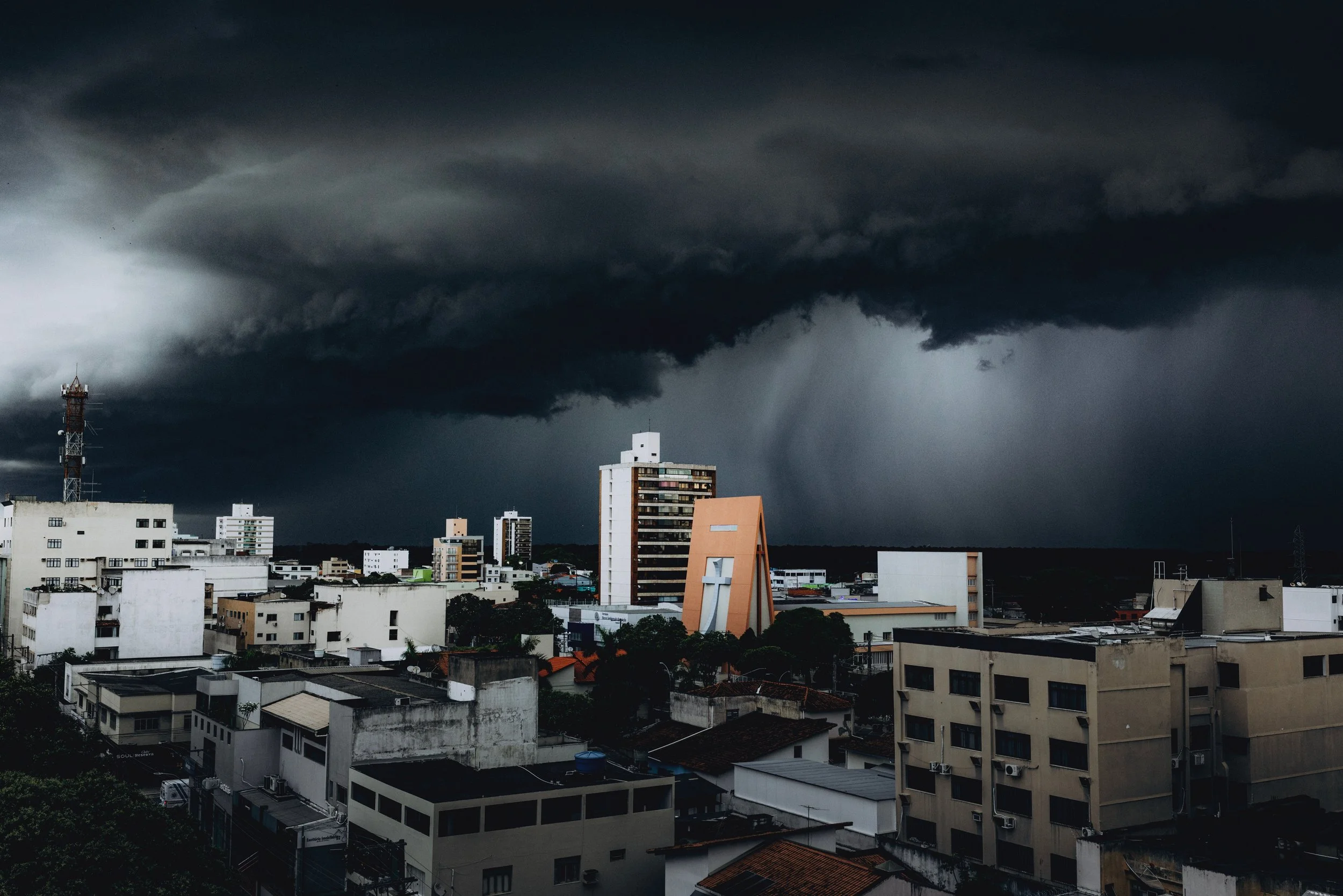
The billionaire tax California is debating—and why Hawaiʻi should pay attention
At a moment when Hawaiʻi desperately needs more revenue, California’s proposal to tax billionaire assets offers a model for making the ultra-wealthy pay their fair share.
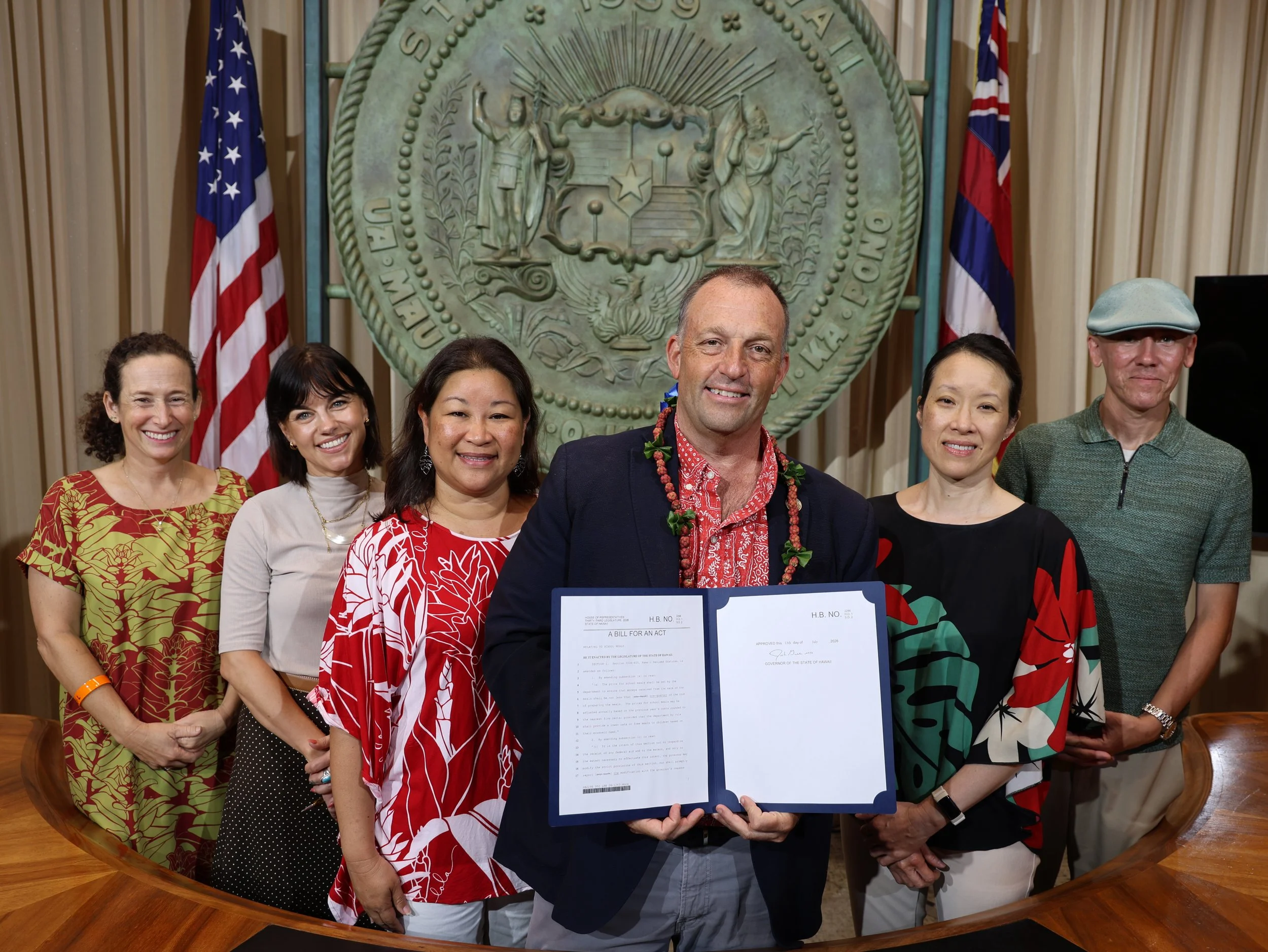
Behind the scenes: How Policy in Perspective tells the story of a legislative session
Built from a year’s worth of writing, analysis, and advocacy, Policy in Perspective creates the opportunity to take a step back and look at the legislative session from a bird’s eye view.
Under pressure: Hawaiʻi’s budget troubles demand action
The state is confronting a growing list of challenges that could throw our budget—and the programs and services within it—into disarray. Now more than ever, we need to preserve funding for Hawaiʻi’s working families.

Millionaire’s taxes are having a moment: Here’s why that’s good for all of us
A fairer tax code isn’t about punishing success. It’s about making sure all of us can thrive—not just a wealthy few.
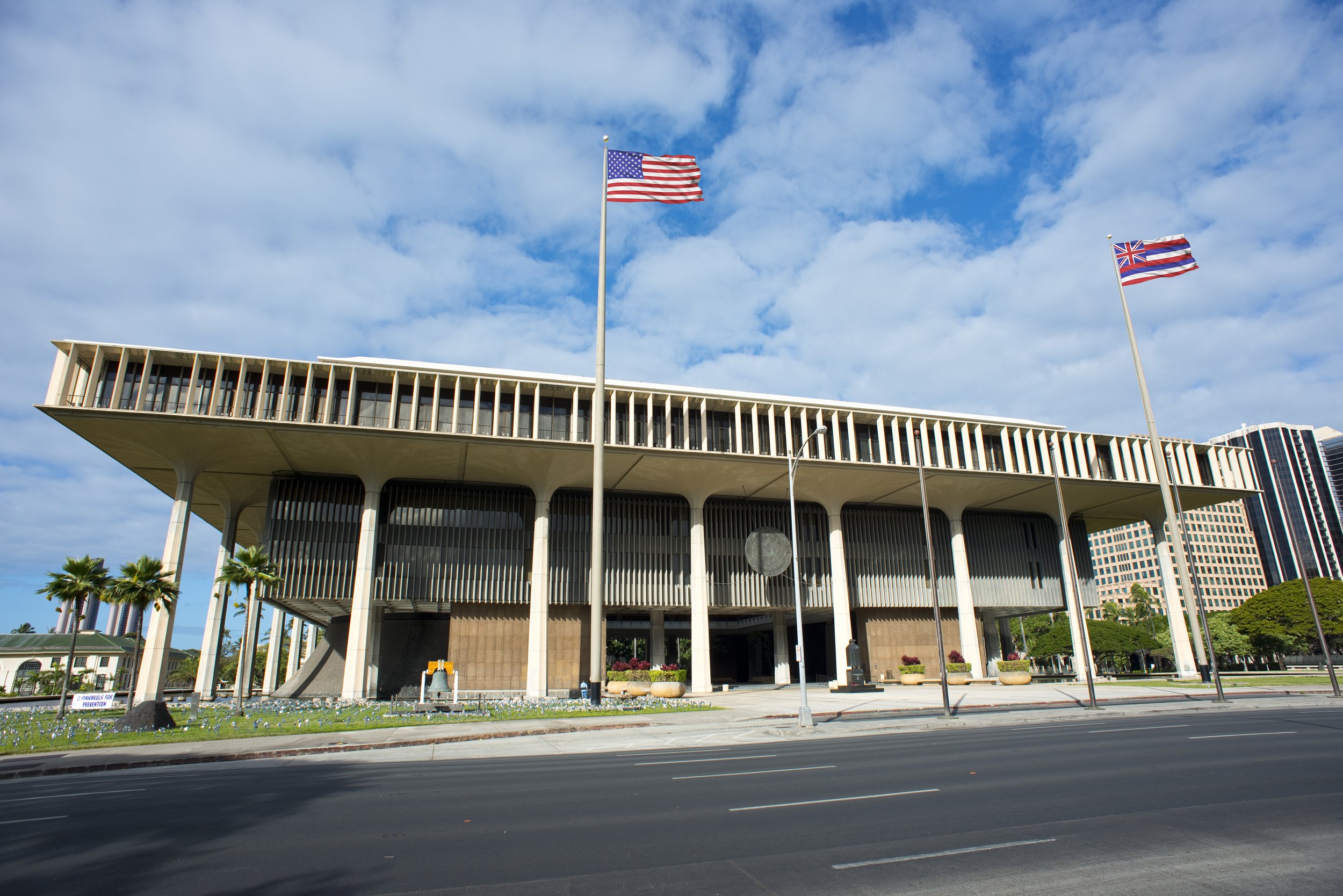
Highlights from House Bill 1800: the state supplemental budget bill
The single most consequential bill of the legislative session. It determines how the State of Hawaiʻi will fund everything from public education and roads to healthcare and affordable housing.

Moving toward a future where transit works for everyone
While measures in Hawaiʻi may not have advanced this session, the conversation around transit equity is far from over.

Taking policy local: how to shape county action on food security
Counties may not always be centered in the food security conversation, but they are some of Hawaiʻi’s most powerful leaders in combating hunger.

Hawaiʻi’s costly tax shift: How a billion-dollar cut threatens public services
The choice before us is whether we will allow a billion-dollar annual loss to erode our common foundation, or whether we will act to preserve it—for every family, and for generations to come.

A turning point for SNAP: Strengthening local supports for Hawaiʻi households
Hawaiʻi has an opportunity to build a more resilient, community-driven food system—one that protects families regardless of federal uncertainty.

Hawaiʻi’s two-tier tax system: How the rich use a glaring loophole to pay less
While teachers, nurses and service workers pay income tax on every dollar they earn, the wealthy can shield a large portion of their profits thanks to a special tax break on capital gains.

Our Census Bureau is understaffed and underfunded—the quality of its data is suffering
Already facing resource shortages, new federal budget cuts call into question the very future of the Census Bureau itself.

Kūpuna at risk: How federal changes to SNAP impact older adults in Hawaiʻi
Even within these new constraints, Hawaiʻi can innovate by combining or re-imagining existing programs to expand access and strengthen support for our seniors.
Transformative change meets budget realities—a central lawmaking tension plays out in two new reports
Policy in Perspective 2025 and the Hawaiʻi Budget Primer FY2025–26 provide a compelling—and sometimes sobering—look at how Hawaiʻi invests, and often under-invests, in its communities.

Can Hawaiʻi afford to cut the grocery tax?
Any proposal to reduce or remove the GET on food must be paired with a credible plan for replacing the revenue. It’s a challenge, but also an opportunity to build a fairer and more sustainable system.

The chilling effect: How federal cuts and immigration crackdowns threaten food security in Hawaiʻi
The mega budget bill that Congress recently passed narrows who can access critical programs like SNAP and Medicaid, while fueling fear and confusion about who can safely apply for assistance in the wake of increased immigration enforcement.
Incoming federal tax cuts will heavily favor Hawaiʻi’s wealthiest residents
The State of Hawaiʻi has an obligation to shore up its revenue through tax policies that make the wealthiest among us pay their fair share.

How looming Federal cuts could impact housing in Hawaiʻi
If enacted, these cuts would gut rental assistance, eliminate key affordable housing development programs and slash funding for homelessness services.

Hawaiʻi families deserve better: How federal cuts to nutrition programs will impact our state
With grocery prices still soaring and food insecurity on the rise, this is the worst possible time to shrink our nation's most important anti-hunger program.

Hawaiʻi’s 2025 legislature focused on raising tax revenue to prepare for federal cuts
Assessing a proper tax rate on corporations and the wealthy will be necessary to produce a budget that can fund critical safety net programs and investments in our future.
Transformative housing bills went nowhere this legislative session, but small wins keep hope alive
With federal cuts looming and home prices still climbing, the stakes have never been higher. One thing is clear: Hawaiʻi’s families can’t afford another session of half-measures.