

The billionaire tax California is debating—and why Hawaiʻi should pay attention
At a moment when Hawaiʻi desperately needs more revenue, California’s proposal to tax billionaire assets offers a model for making the ultra-wealthy pay their fair share.

Highlights from House Bill 1800: the state supplemental budget bill
The single most consequential bill of the legislative session. It determines how the State of Hawaiʻi will fund everything from public education and roads to healthcare and affordable housing.

When disaster strikes, who feeds us?
Only 15 percent of our food is grown locally; 30 percent of families remain food insecure; less than 12 percent of households are prepared for a disaster. This is not a collection of separate problems. It is one broken system.

One step forward, a few meals short
While the passage of Act 139 was a meaningful step toward free school meals, it was just that—a step. The work is not finished.

Taking policy local: how to shape county action on food security
Counties may not always be centered in the food security conversation, but they are some of Hawaiʻi’s most powerful leaders in combating hunger.

Hawaiʻi’s costly tax shift: How a billion-dollar cut threatens public services
The choice before us is whether we will allow a billion-dollar annual loss to erode our common foundation, or whether we will act to preserve it—for every family, and for generations to come.

A turning point for SNAP: Strengthening local supports for Hawaiʻi households
Hawaiʻi has an opportunity to build a more resilient, community-driven food system—one that protects families regardless of federal uncertainty.

Kūpuna at risk: How federal changes to SNAP impact older adults in Hawaiʻi
Even within these new constraints, Hawaiʻi can innovate by combining or re-imagining existing programs to expand access and strengthen support for our seniors.

Can Hawaiʻi afford to cut the grocery tax?
Any proposal to reduce or remove the GET on food must be paired with a credible plan for replacing the revenue. It’s a challenge, but also an opportunity to build a fairer and more sustainable system.

The chilling effect: How federal cuts and immigration crackdowns threaten food security in Hawaiʻi
The mega budget bill that Congress recently passed narrows who can access critical programs like SNAP and Medicaid, while fueling fear and confusion about who can safely apply for assistance in the wake of increased immigration enforcement.

Hawaiʻi families deserve better: How federal cuts to nutrition programs will impact our state
With grocery prices still soaring and food insecurity on the rise, this is the worst possible time to shrink our nation's most important anti-hunger program.

Hawaiʻi can increase housing stability through a rent relief & mediation program
Creating and funding an ongoing rent relief and pre-litigation mediation program will increase housing stability in Hawaiʻi.
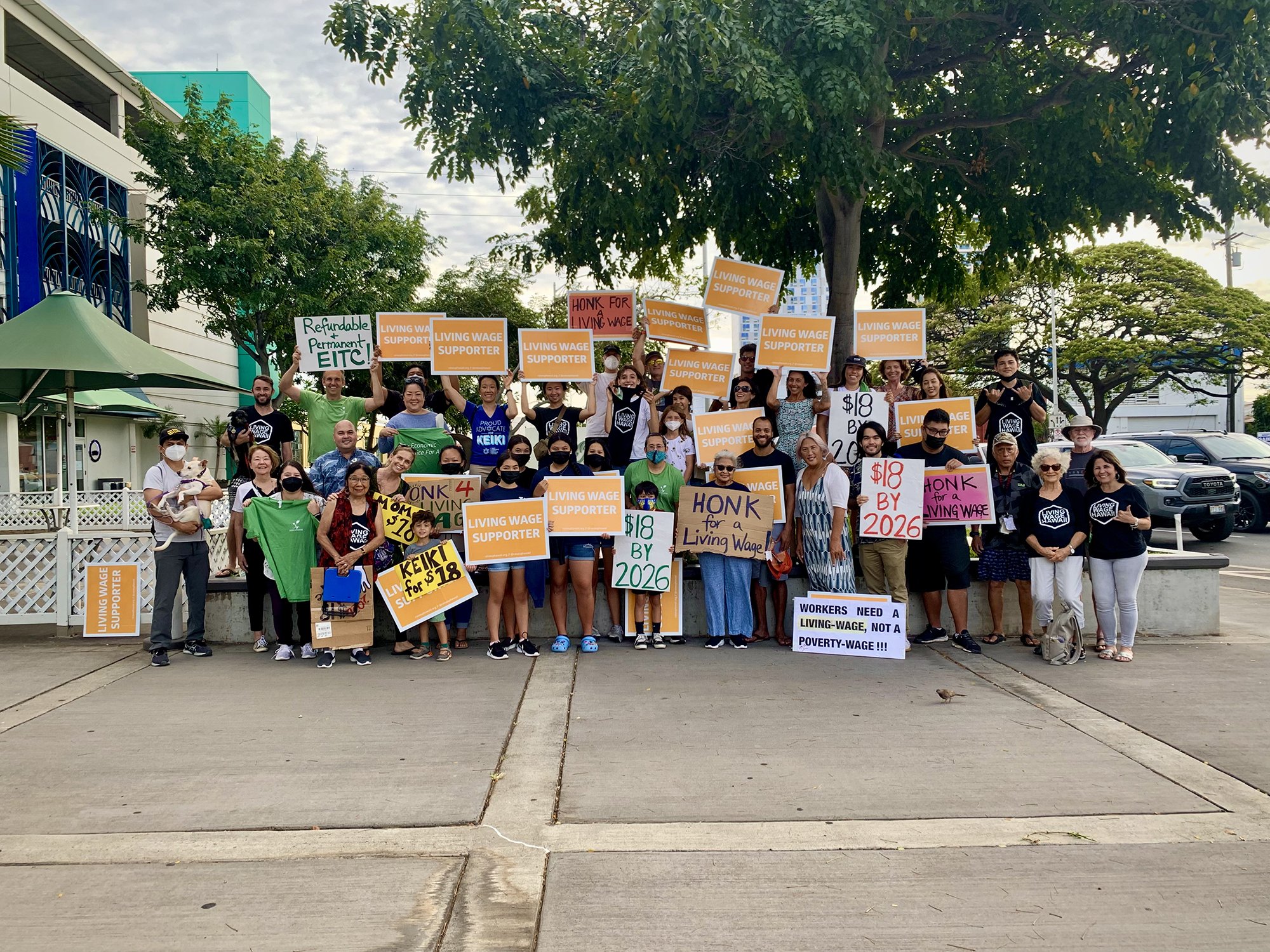
What made the 2022 Hawaiʻi legislative session a win for working families?
After multiple years with little progress on policy to help working families survive Hawaiʻi’s highest-in-the-nation cost of living, several factors came together to deliver a banner year in 2022.
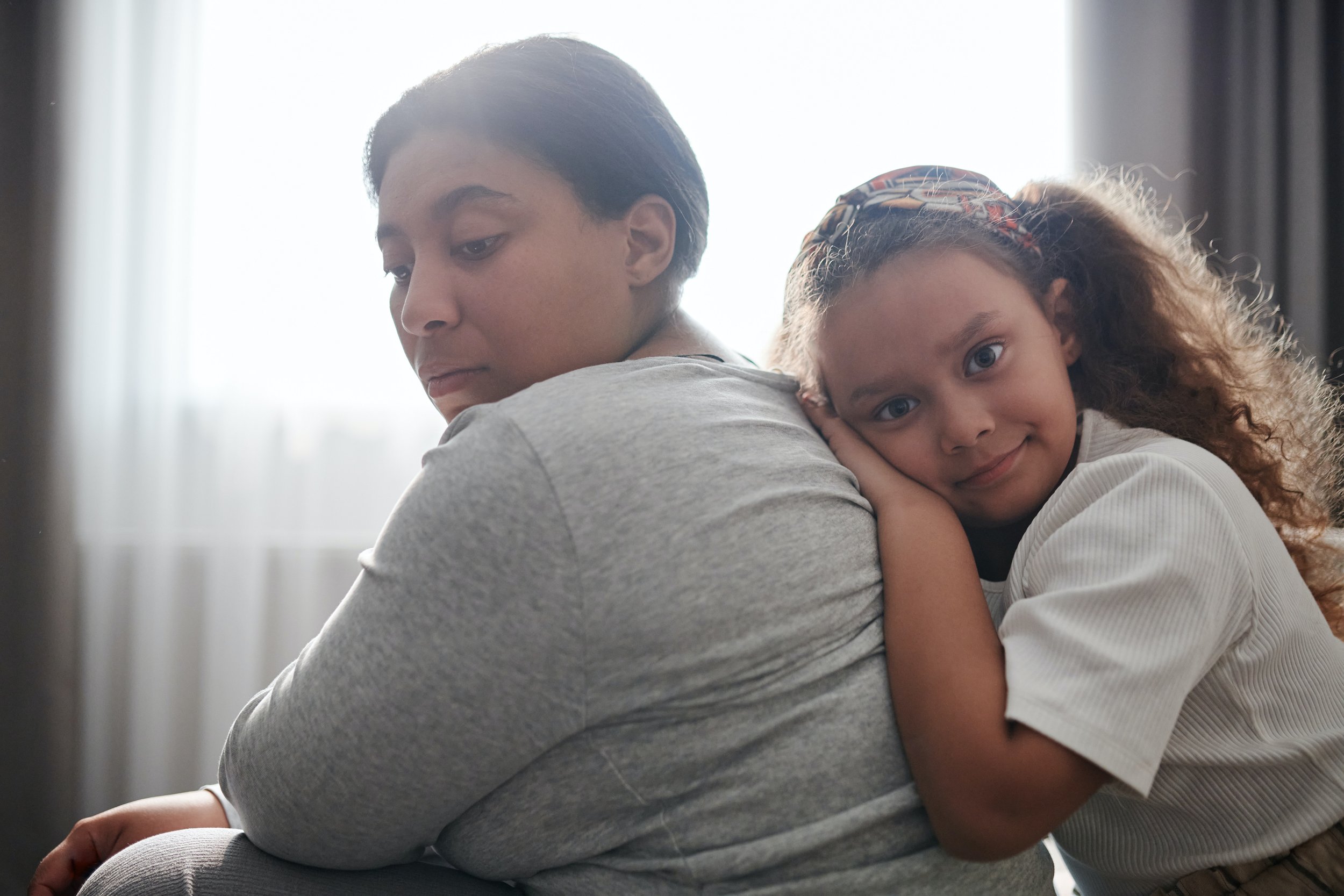
Hawaiʻi’s missed opportunity to invest in working families
The legislature chose to prioritize protecting businesses from tax increases, rather than investing in working families who were struggling long before the onset of the pandemic.

A pandemic recession update in charts
Unprecedented job loss, a rise in housing costs, and inflation in food, fuel and consumer goods has made the pandemic recession especially devastating to Hawaiʻi’s working families.

Spending trends for Hawaiʻi’s children show we have lots of room for improvement
Our future depends on public investments in our children, but progress has stalled since the Great Recession.

Highlights from the 2021–2023 Hawaiʻi budget
Critical federal pandemic relief funds will allow the state avoid damaging cuts and maintain its spending levels on investments in the community.

A better kind of unemployment insurance
Short-Time Compensation allows employees to stay in their jobs at reduced hours, pays more than the state’s current UI does, and ensures that they keep their benefits.

The Micronesian community is being disproportionately harmed by COVID-19
Given the precarious situation in which COVID-19 places the Micronesian community, the State of Hawaiʻi must take steps to help in both the short and long term.

Unemployed workers in Hawaiʻi can’t wait for Congress
Hawaiʻi has more than 200,000 unemployed workers and contractors. The state must move now to offer immediate support for these workers and their families.