

Moving together: The case for sustainable transportation in Hawaiʻi
The communities most exposed to the climate crisis are often the same communities already navigating the greatest transportation challenges.
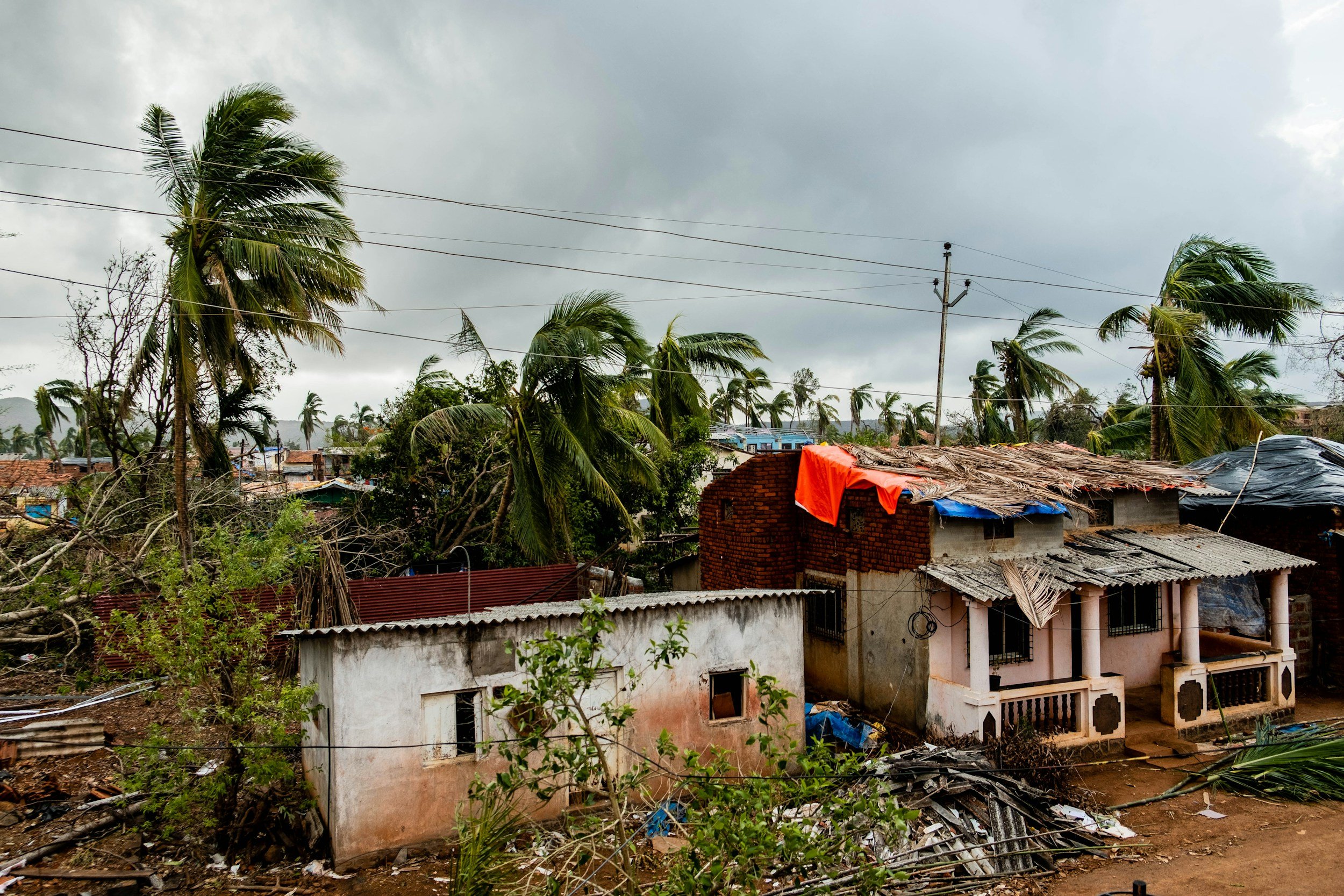
Struggling on the frontline of collapse: Why a living wage is climate justice
A minimum wage increase is not just an economic policy. It is also a climate justice imperative.

The surveillance grocery store: How algorithms target Hawaiʻi consumers
In an isolated state like Hawaiʻi, where shipping costs are already high and consumers have limited store alternatives, replacing fair market pricing with individual data extraction turns everyday necessities into variable-cost traps.
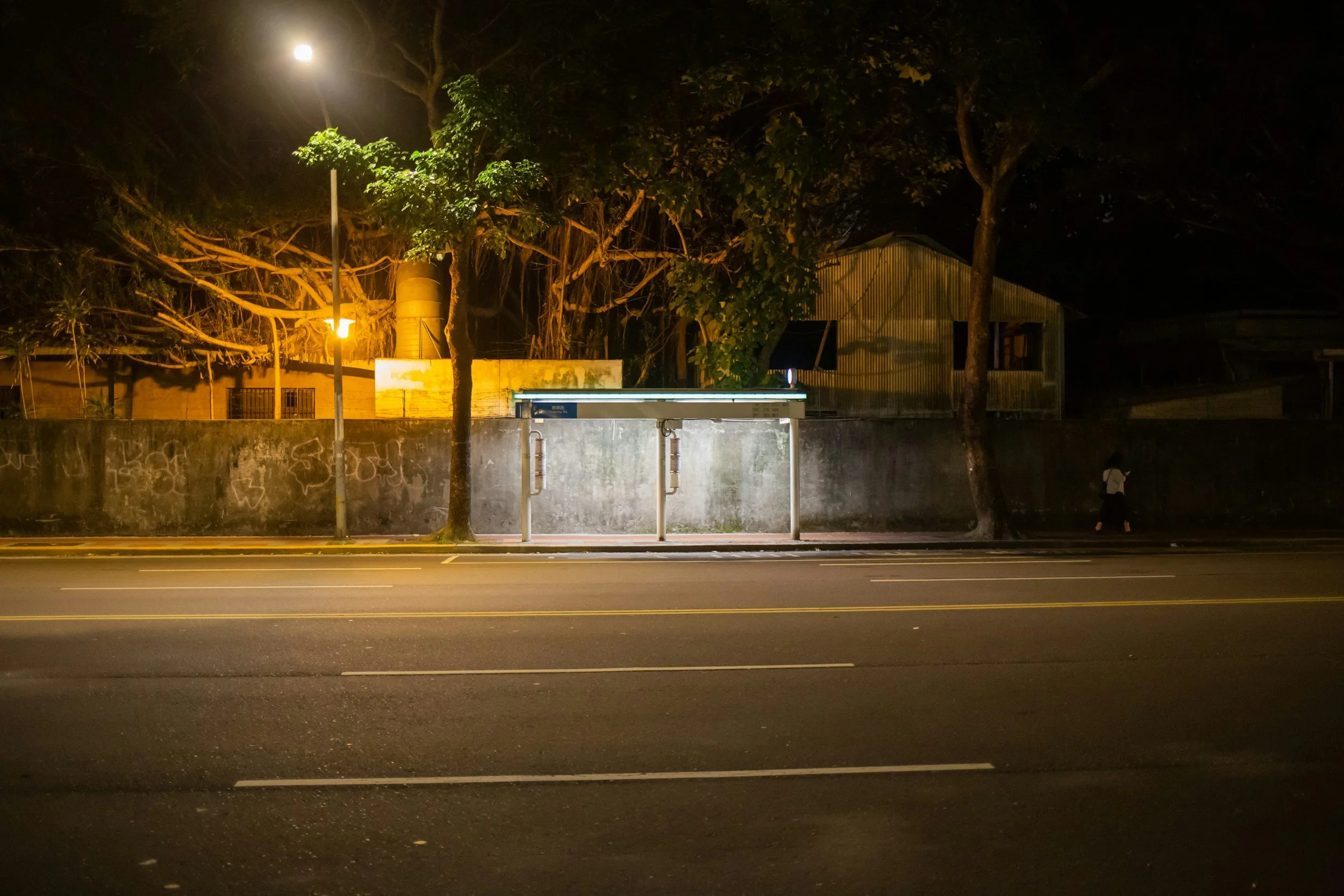
Sneak peek: Improving women’s mobility and access in ʻEwa and Waipahu
Where you live should never determine how far you can go. We’re currently in Phase II of a community-centered research effort focused on understanding the unique transportation challenges faced by low-income women and their families in ʻEwa and Waipahu.

Millionaire’s taxes are having a moment: Here’s why that’s good for all of us
A fairer tax code isn’t about punishing success. It’s about making sure all of us can thrive—not just a wealthy few.
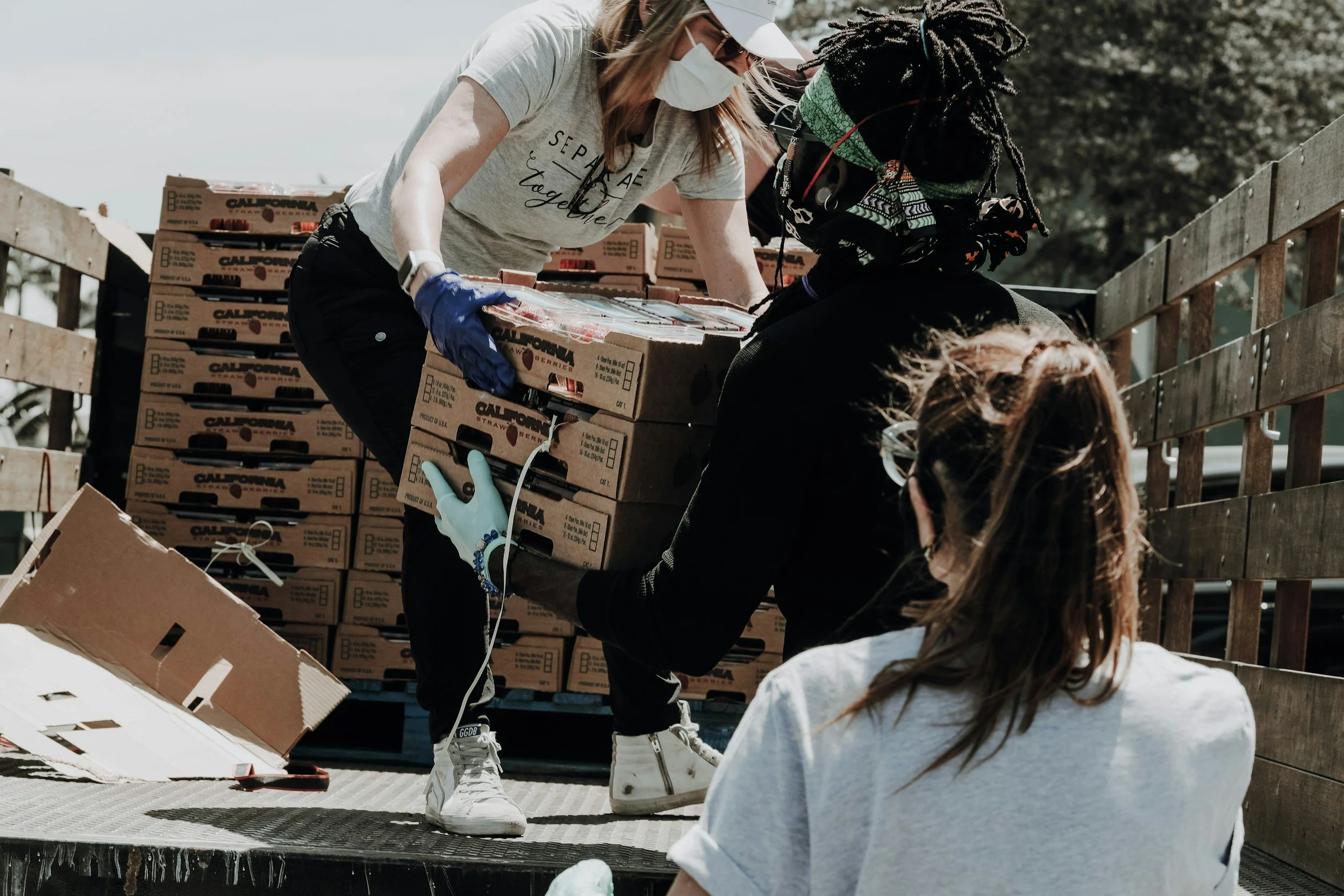
When disaster strikes, who feeds us?
Only 15 percent of our food is grown locally; 30 percent of families remain food insecure; less than 12 percent of households are prepared for a disaster. This is not a collection of separate problems. It is one broken system.

Moving toward a future where transit works for everyone
While measures in Hawaiʻi may not have advanced this session, the conversation around transit equity is far from over.

One step forward, a few meals short
While the passage of Act 139 was a meaningful step toward free school meals, it was just that—a step. The work is not finished.
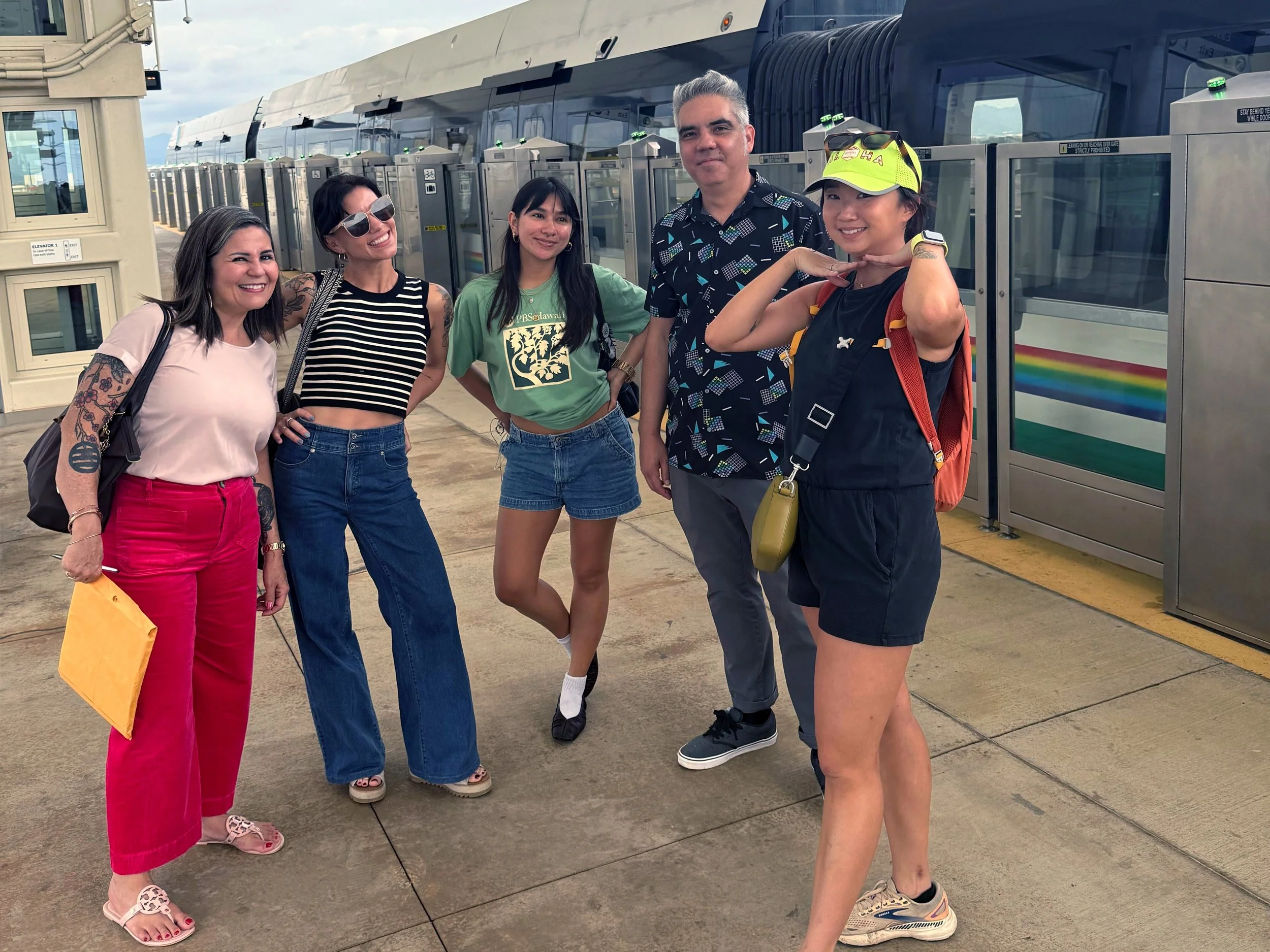
The great Skyline adventure: Hawaiʻi Appleseed tests the walkability of areas around rail stops
Success will require partnership across state and county lines, but the goal is shared: turning the areas around rail lines and high capacity bus routes into places where people can live, work and meet daily needs without the necessity of getting back into a car.
Taking policy local: how to shape county action on food security
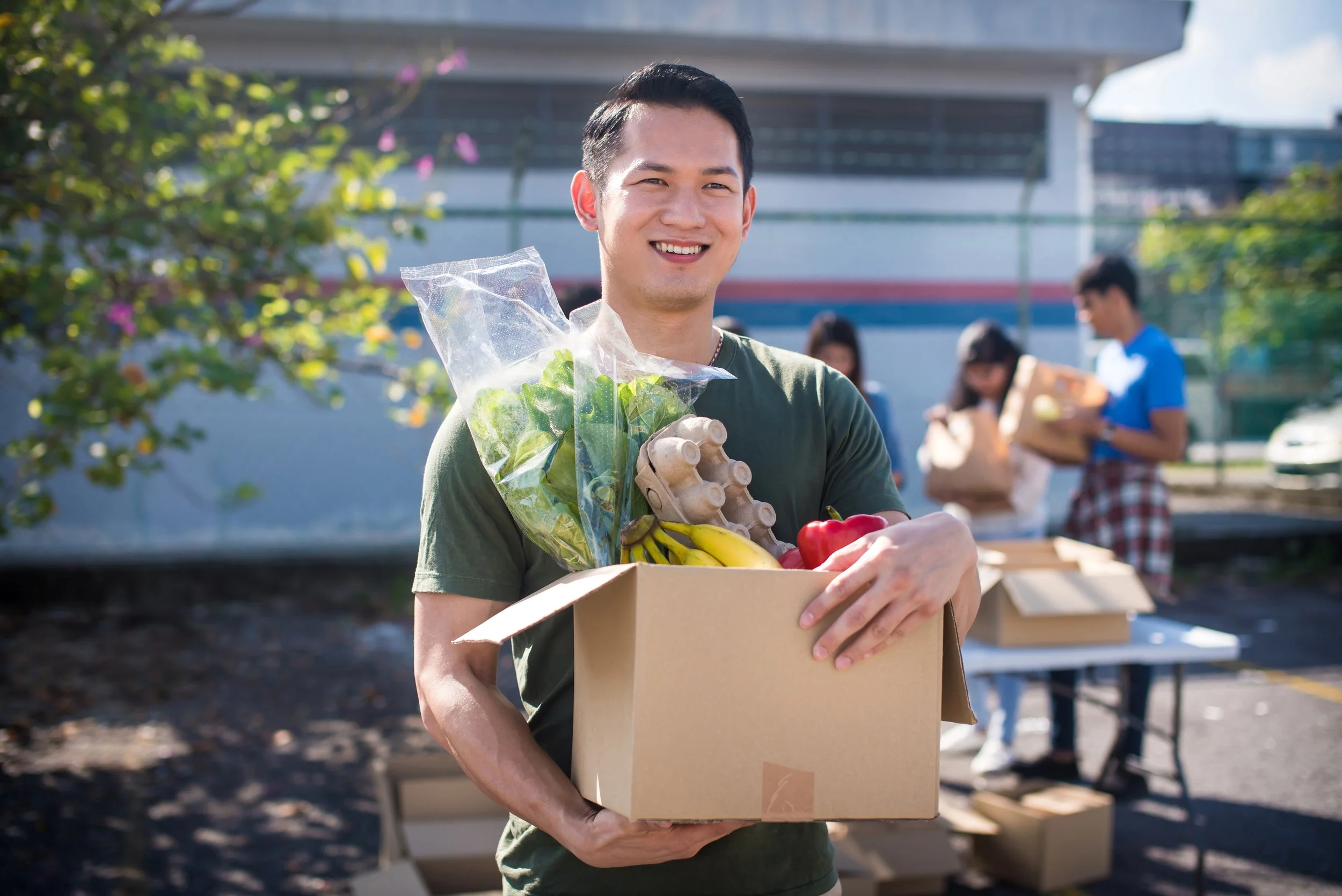
Counties may not always be centered in the food security conversation, but they are some of Hawaiʻi’s most powerful leaders in combating hunger.

Hawaiʻi’s costly tax shift: How a billion-dollar cut threatens public services
The choice before us is whether we will allow a billion-dollar annual loss to erode our common foundation, or whether we will act to preserve it—for every family, and for generations to come.

A turning point for SNAP: Strengthening local supports for Hawaiʻi households
Hawaiʻi has an opportunity to build a more resilient, community-driven food system—one that protects families regardless of federal uncertainty.
Keiki Ride Free: Building a more connected Hawaiʻi
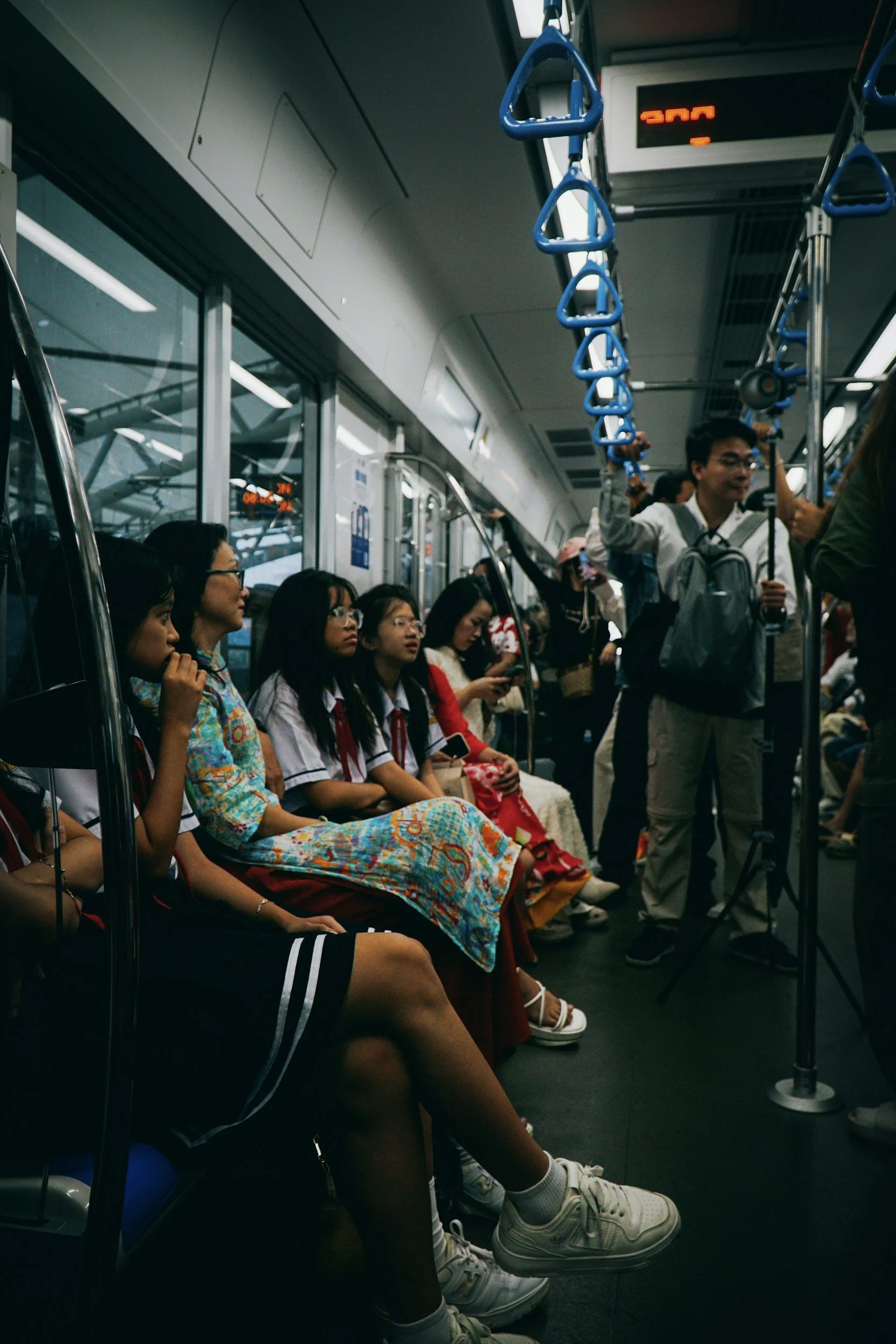
By removing financial barriers to public transit, Hawaiʻi can empower young people to participate fully in their communities, while easing family costs and supporting climate goals.

Can Hawaiʻi afford to cut the grocery tax?
Any proposal to reduce or remove the GET on food must be paired with a credible plan for replacing the revenue. It’s a challenge, but also an opportunity to build a fairer and more sustainable system.

The chilling effect: How federal cuts and immigration crackdowns threaten food security in Hawaiʻi
The mega budget bill that Congress recently passed narrows who can access critical programs like SNAP and Medicaid, while fueling fear and confusion about who can safely apply for assistance in the wake of increased immigration enforcement.
Incoming federal tax cuts will heavily favor Hawaiʻi’s wealthiest residents
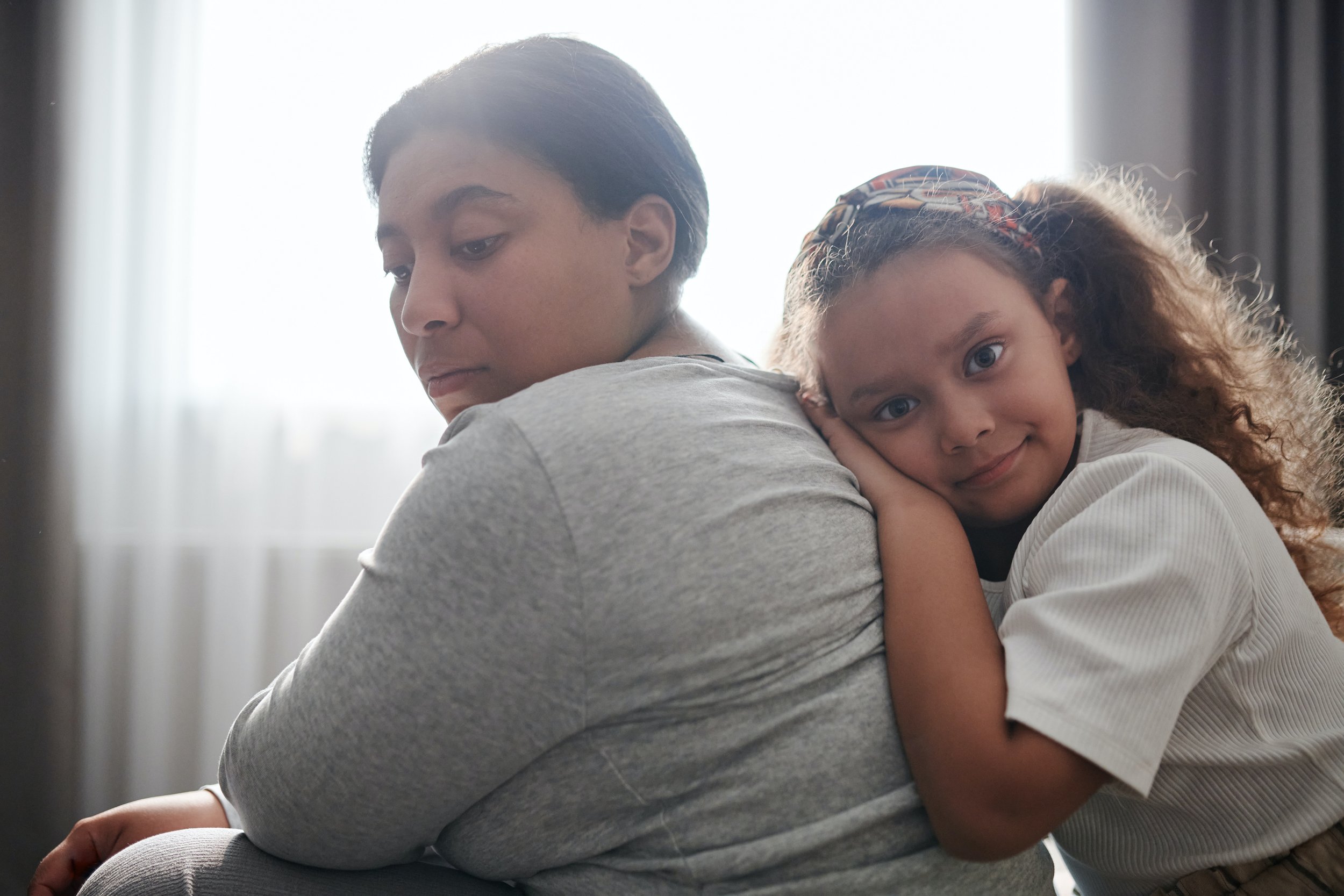
The State of Hawaiʻi has an obligation to shore up its revenue through tax policies that make the wealthiest among us pay their fair share.

Hawaiʻi’s 2025 legislature focused on raising tax revenue to prepare for federal cuts
Assessing a proper tax rate on corporations and the wealthy will be necessary to produce a budget that can fund critical safety net programs and investments in our future.

Reimagining our streets for health, fun and community
HB1260 would support the creation of a Summer Street Pilot Program, designed to temporarily transform car-congested roadways into vibrant spaces for outdoor fun and social interaction.

As federal support fades, farm to families could fill the gap
Now, more than ever, investing in local food systems through programs like Farm to Families is a necessary strategy to build Hawaiʻi’s economic resilience and reduce food insecurity.
Implement strong eviction record sealing processes to protect Hawaiʻi renters
A single eviction filing—even one that doesn't result in actual eviction—can negatively impact renters for years. It's time for lawmakers to take decisive action to protect vulnerable tenants.