When disaster strikes, who feeds us?
Here is a truth we cannot look away from: The people who grow our food, harvest it, and put it on our tables are going hungry themselves.
Nationally, food system workers are roughly two and a half times more likely to face food insecurity than workers in other sectors. Farmers—the very people who make sure the rest of us get fed—are struggling to feed their own families. This dissonance is a moral failure, and the recent Kona Low storms have put that failure front and center.
The storms reminded us just how vulnerable our islands truly are. Over 400 homes were destroyed. Communities lost power. Roads were washed out. Farmers are still trying to recover.
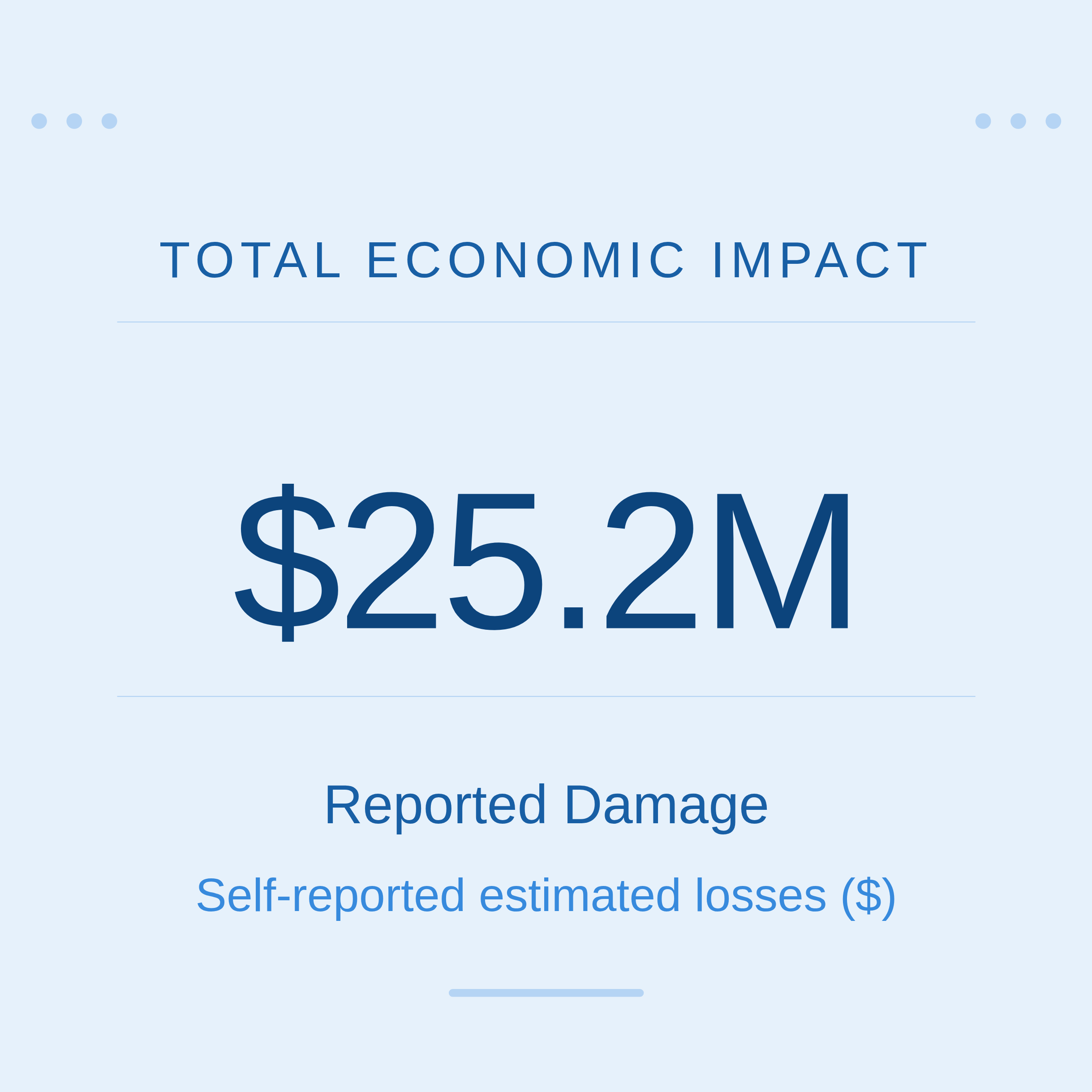
More than 380 farmers reported roughly $25.2 million in agricultural losses—and that is only what has been documented so far. Crops account for two-thirds of the damage. The rest comes from destroyed greenhouses, barns, fencing and irrigation systems. These are Hawaiʻi’s small farmers, who often lack reliable channels to sell their products even in good weather, and who rarely have insurance to fall back on.
And yet, amid the chaos, something held: Food banks, pantries, community partners, retailers, and wholesalers mobilized quickly. Families who had lost everything still got a meal. That response was possible because of existing relationships between local farmers and the organizations that feed our communities every day.
But the same storm that showed us what's possible also exposed how fragile the foundation remains.
Building Resilience Through Farm to Families
Only about 15 percent of our food is grown locally. Thirty percent of families remain food insecure. Less than 12 percent of households are prepared for a disaster. This is not a collection of separate problems. It is one broken system.
By diversifying our food sources, we create more options to respond—not just to local disasters like the Kona Low floods, but to federal disruptions like government shutdowns and supply chain breakdowns. A strong emergency food system is a pillar of resilience. It strengthens our agricultural economy year-round, not just in a crisis.
Programs like Farm to Families offer a solution. They connect local farmers directly to families who need food, creating a reliable market for producers while ensuring communities have access to fresh, local products. They reduce food waste, support small farms, and build the kind of distributed food network that can respond quickly when disaster strikes.
Last session, the Legislature took a first step, providing $500,000 for the program statewide. That initiative has now taken form in House Bill 2208, which builds on last year's momentum. The bill has garnered support from over 30 organizations and more than a dozen individual testifiers in its hearing just this week. It is heading to a conference committee later this month.
HB2208 would provide additional funding for the program, offering a sustainable way to diversify our food supply by directing resources toward Hawaiʻi-grown food. Rather than relying on vulnerable federal supply chains, this initiative strengthens relationships between local farms and food assistance programs. It ensures that fresh, nutritious, and culturally significant food reaches families in need—not just in disasters, but every day. And it keeps money circulating in the local economy.
Support Farm to Families:
To read more about why Farm to Families is important, check out these pieces below: