
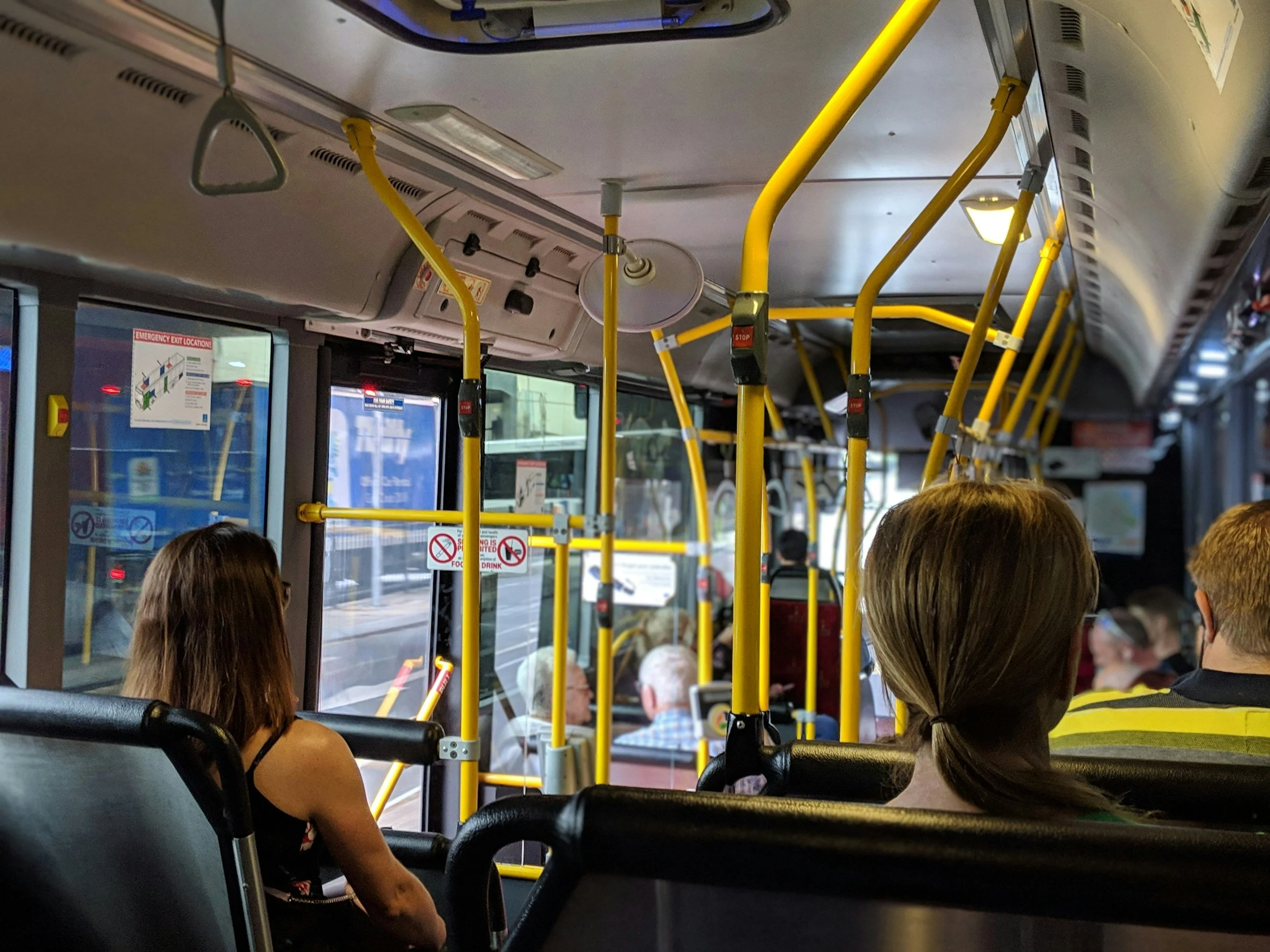
The bus could be free for everyone—here’s how we pay for it
What would it take to make the bus free for everyone in Hawaiʻi—not just our keiki, but every resident who needs a ride?
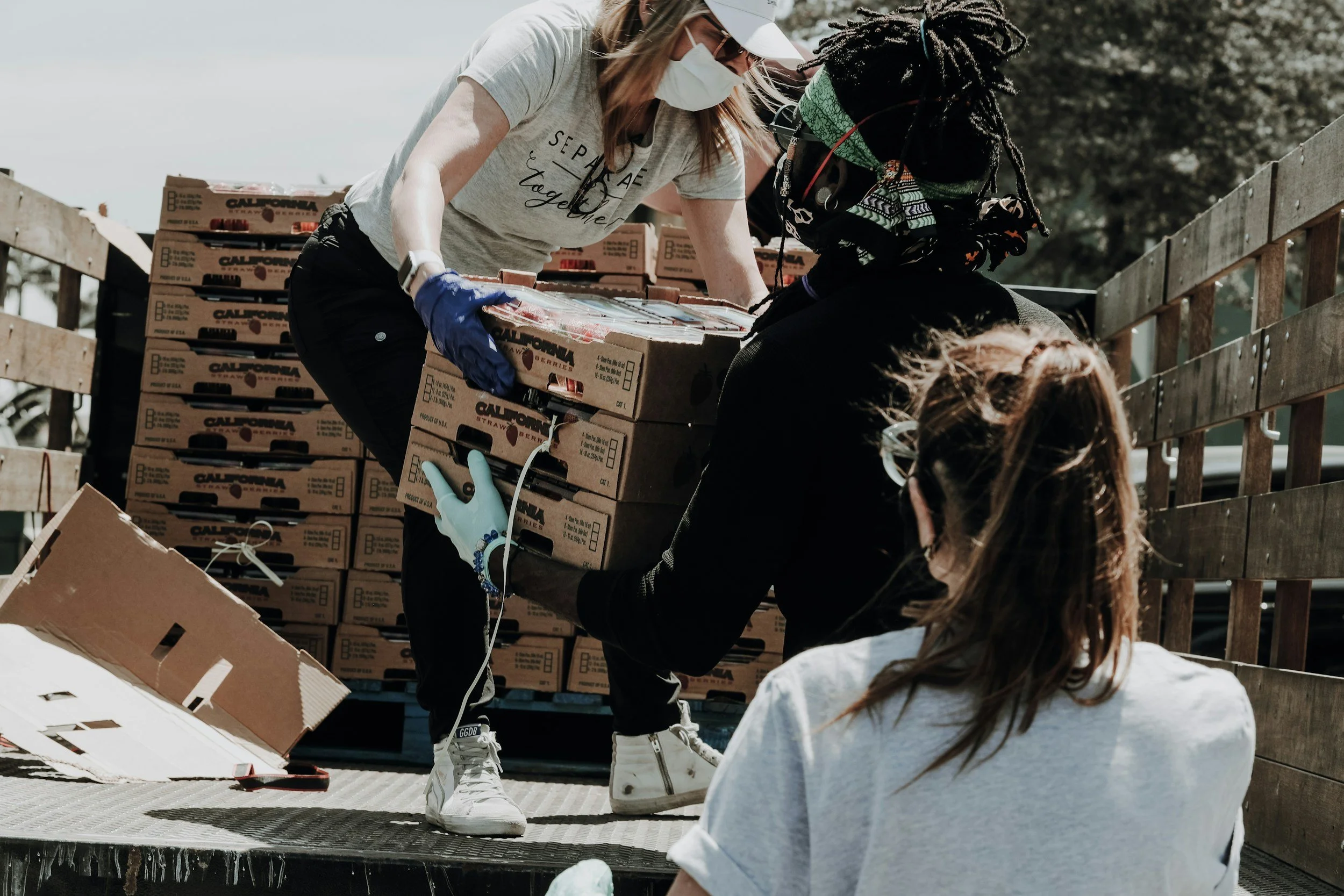
Food security is on Oʻahu’s ballot this November: What Question No. 1 would do
The measure would not raise taxes, but would instead dedicate 0.5 percent of existing real property tax revenues—an estimated $8–9 million annually—to programs and grants that strengthen Oʻahu’s local food system.

Moving together: The case for sustainable transportation in Hawaiʻi
The communities most exposed to the climate crisis are often the same communities already navigating the greatest transportation challenges.
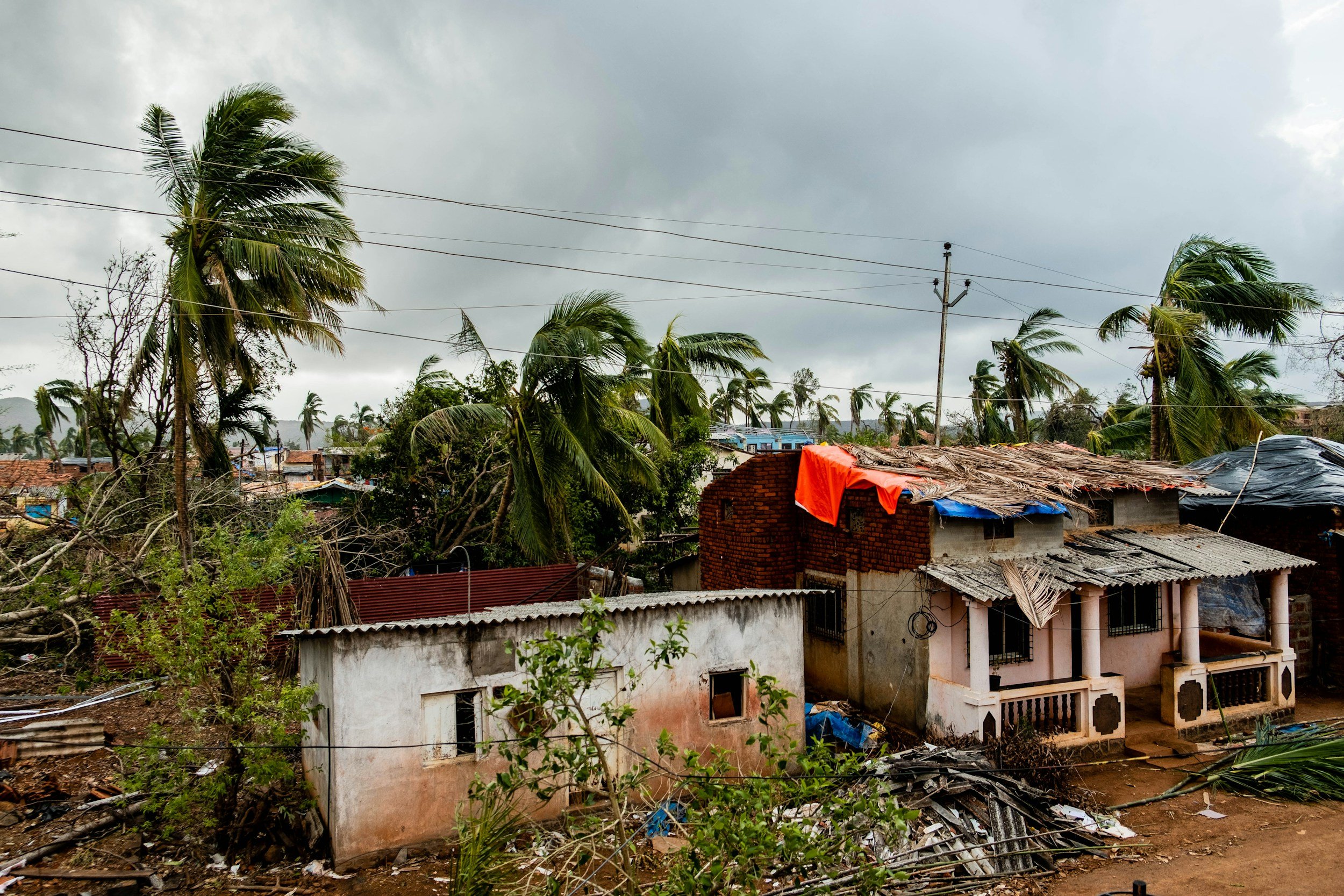
Struggling on the frontline of collapse: Why a living wage is climate justice
A minimum wage increase is not just an economic policy. It is also a climate justice imperative.
The billionaire tax California is debating—and why Hawaiʻi should pay attention
At a moment when Hawaiʻi desperately needs more revenue, California’s proposal to tax billionaire assets offers a model for making the ultra-wealthy pay their fair share.
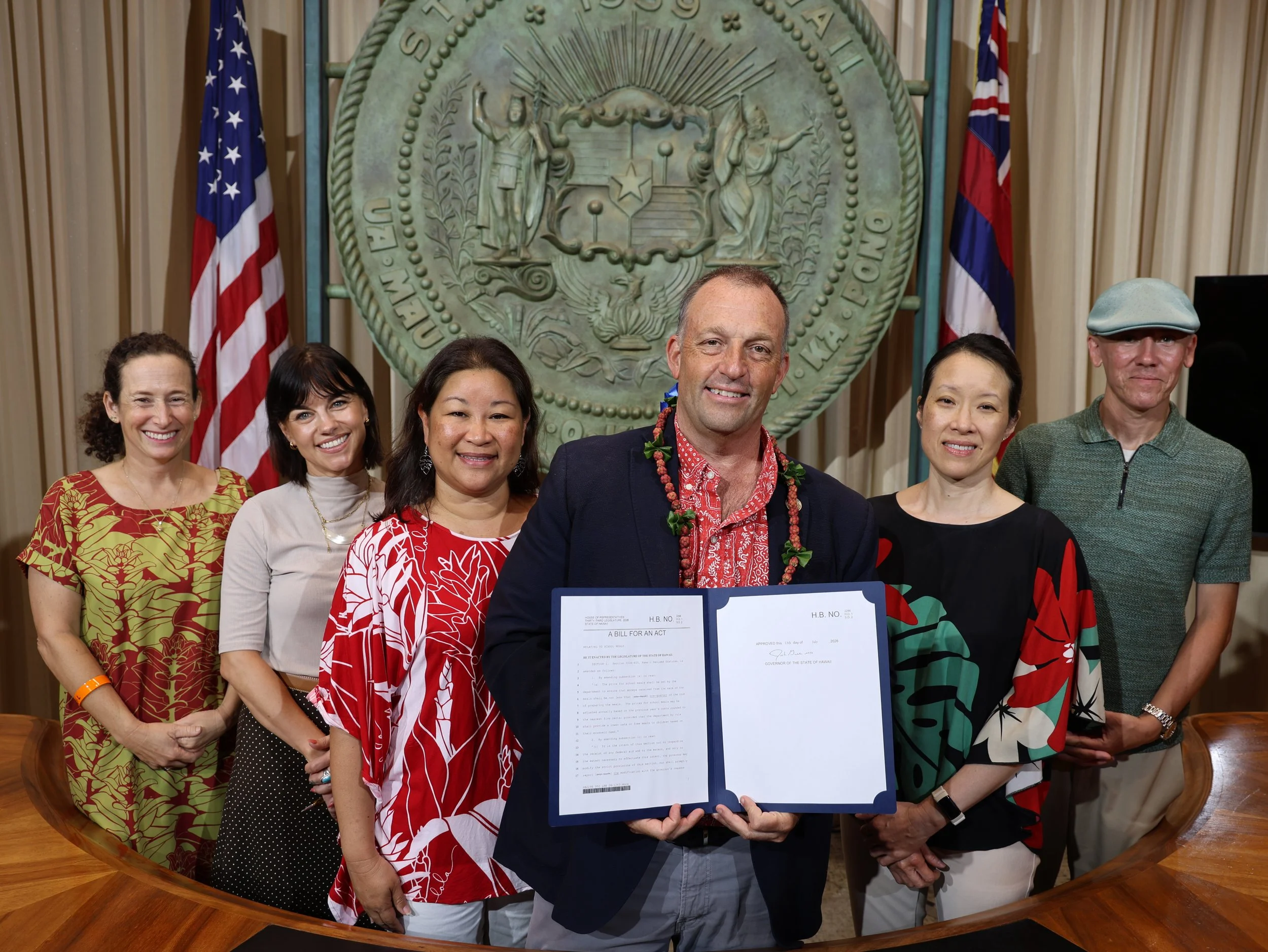
Behind the scenes: How Policy in Perspective tells the story of a legislative session
Built from a year’s worth of writing, analysis, and advocacy, Policy in Perspective creates the opportunity to take a step back and look at the legislative session from a bird’s eye view.
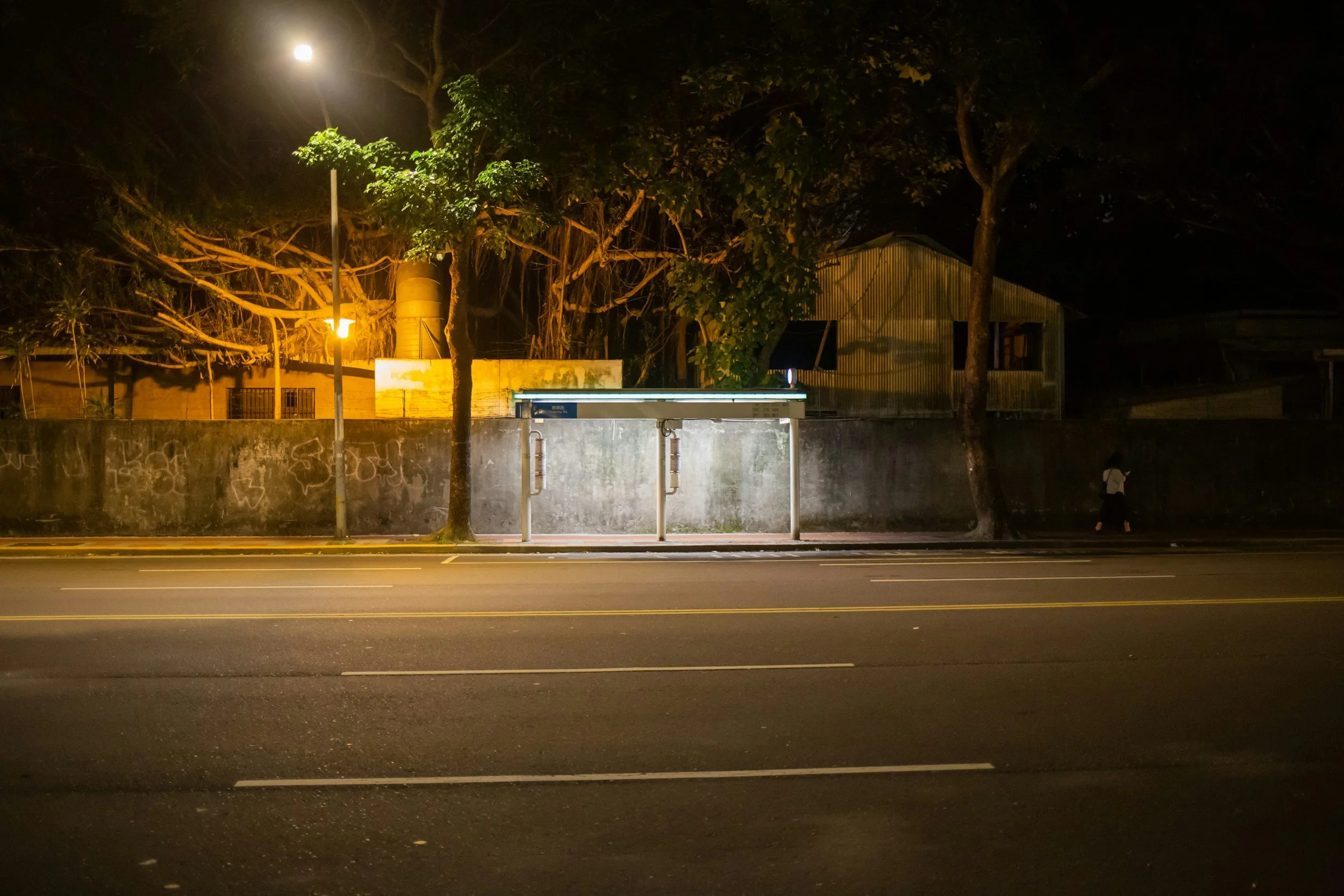
Sneak peek: Improving women’s mobility and access in ʻEwa and Waipahu
Where you live should never determine how far you can go. We’re currently in Phase II of a community-centered research effort focused on understanding the unique transportation challenges faced by low-income women and their families in ʻEwa and Waipahu.
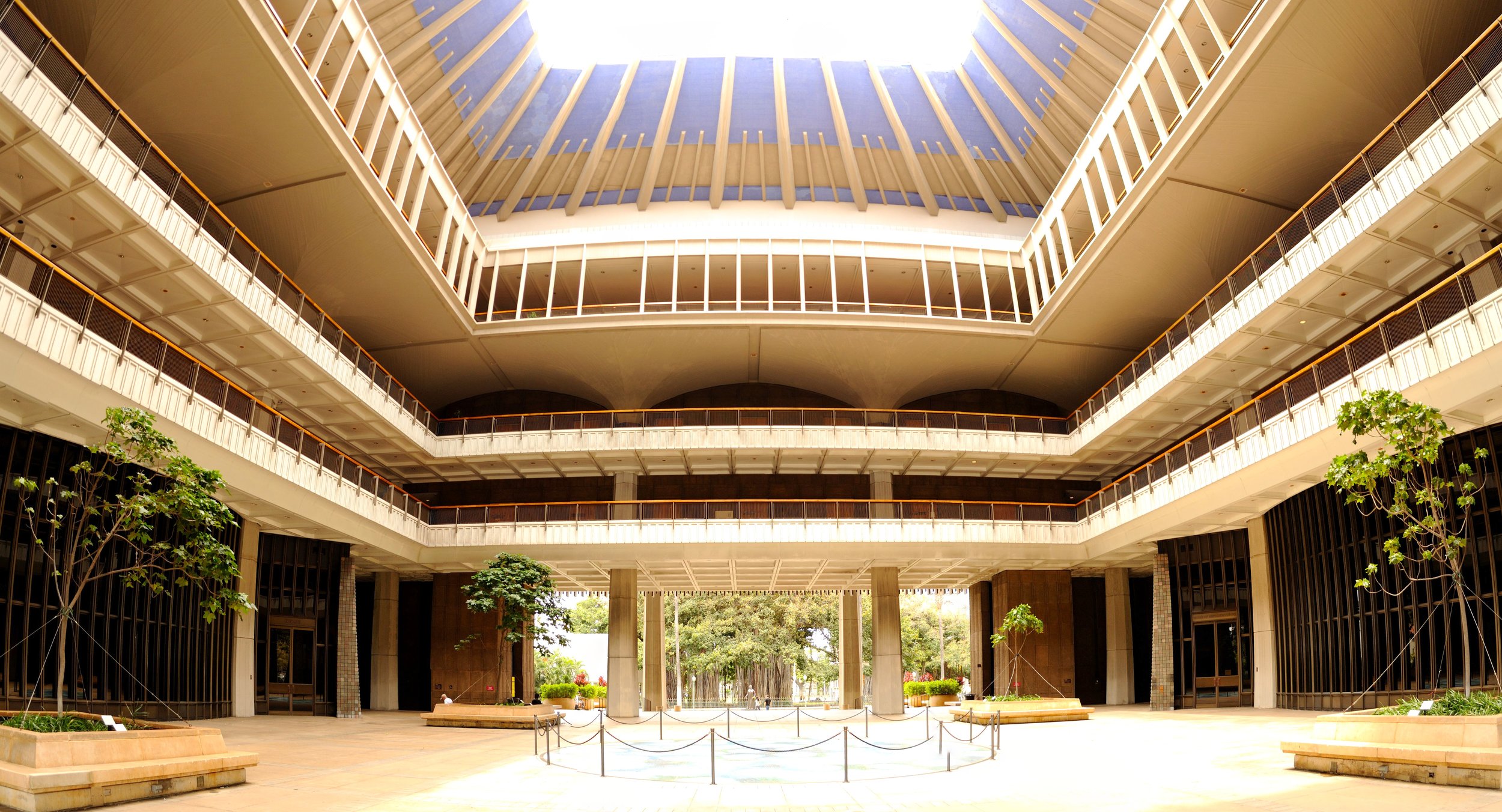
Under pressure: Hawaiʻi’s budget troubles demand action
The state is confronting a growing list of challenges that could throw our budget—and the programs and services within it—into disarray. Now more than ever, we need to preserve funding for Hawaiʻi’s working families.
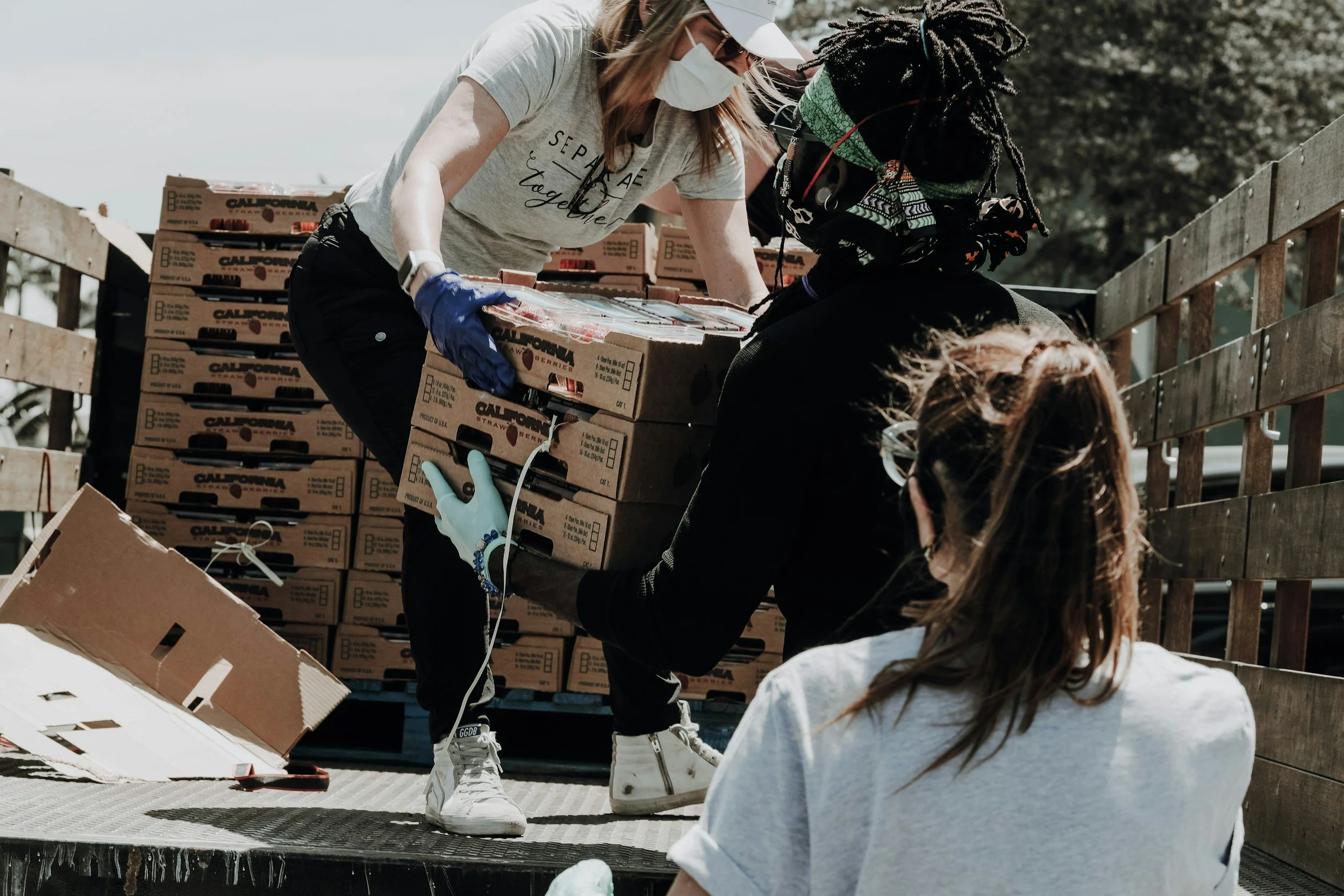
When disaster strikes, who feeds us?
Only 15 percent of our food is grown locally; 30 percent of families remain food insecure; less than 12 percent of households are prepared for a disaster. This is not a collection of separate problems. It is one broken system.

Moving toward a future where transit works for everyone
While measures in Hawaiʻi may not have advanced this session, the conversation around transit equity is far from over.
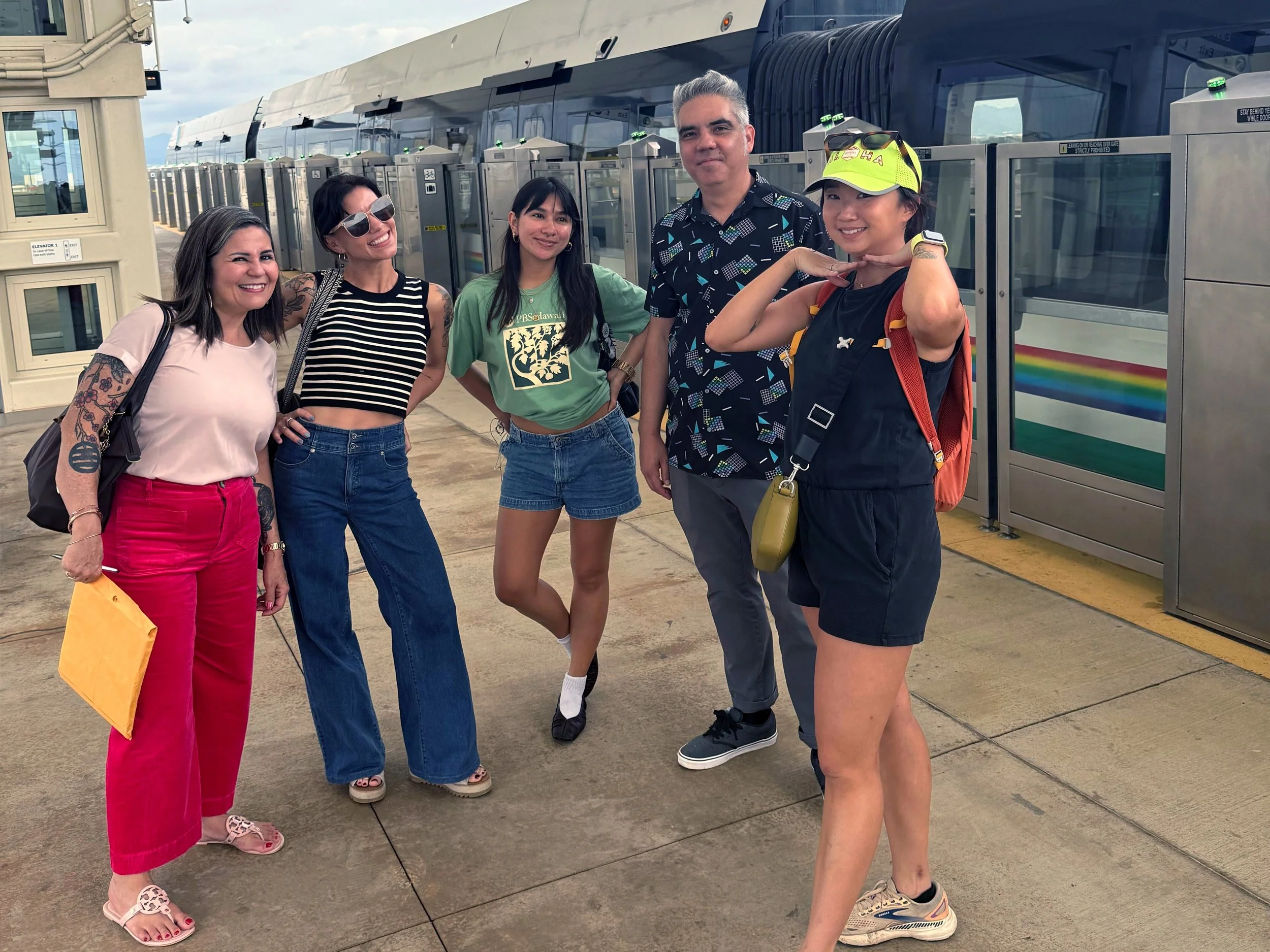
The great Skyline adventure: Hawaiʻi Appleseed tests the walkability of areas around rail stops
Success will require partnership across state and county lines, but the goal is shared: turning the areas around rail lines and high capacity bus routes into places where people can live, work and meet daily needs without the necessity of getting back into a car.
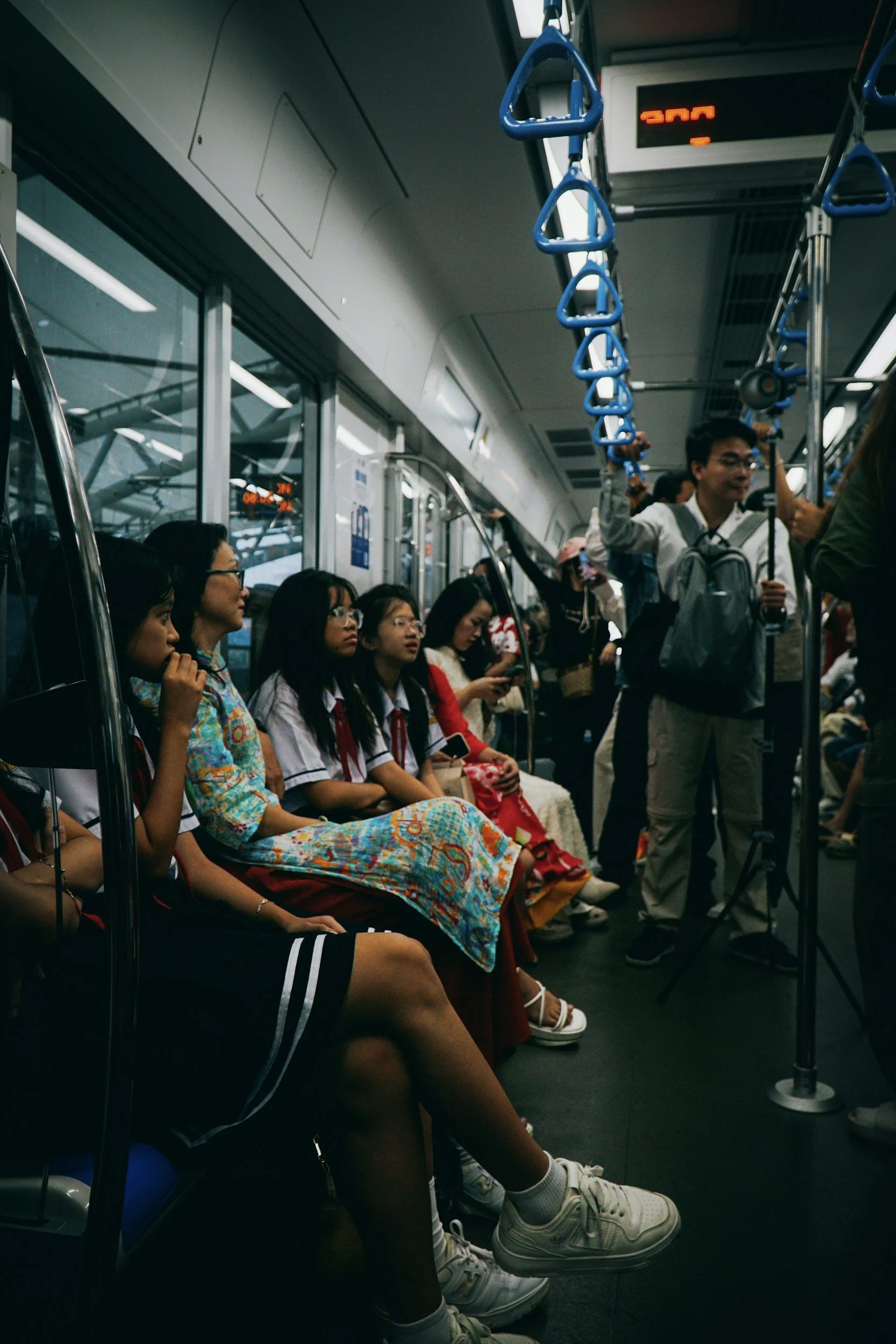
Keiki Ride Free: Building a more connected Hawaiʻi
By removing financial barriers to public transit, Hawaiʻi can empower young people to participate fully in their communities, while easing family costs and supporting climate goals.

Federal transportation cuts threaten Hawaiʻi’s health and climate goals
With $131 million in transportation funds at risk, Hawaiʻi faces the possibility of lasting harm to our island infrastructure, and inhibited mobility for residents who rely on walking, biking and public transit.
Hawaiʻi’s 2025 legislature focused on raising tax revenue to prepare for federal cuts
Assessing a proper tax rate on corporations and the wealthy will be necessary to produce a budget that can fund critical safety net programs and investments in our future.

Invest in Safe Routes to School to improve pedestrian safety in Hawaiʻi
Federal funding freezes, requirements from the Navahine lawsuit settlement, and worsening traffic and its associated negative impacts—why state lawmakers shouldn't wait to invest in Safe Routes to School.
What’s in store for 2025: Hawaiʻi Appleseed transportation equity projects on the horizon
In 2025, we’ll take a greater look at more equitable approaches to traffic enforcement, the impacts of parking mandates on affordable housing, and addressing the unique mobility challenges that women and their families face.

The big budget trouble with HB2404’s over-broad and sweeping tax cuts
Last minute changes to the bill, made without public scrutiny, will increase its cost by nearly eight-fold, while higher-income households will get a far bigger benefit than those struggling to make ends meet.
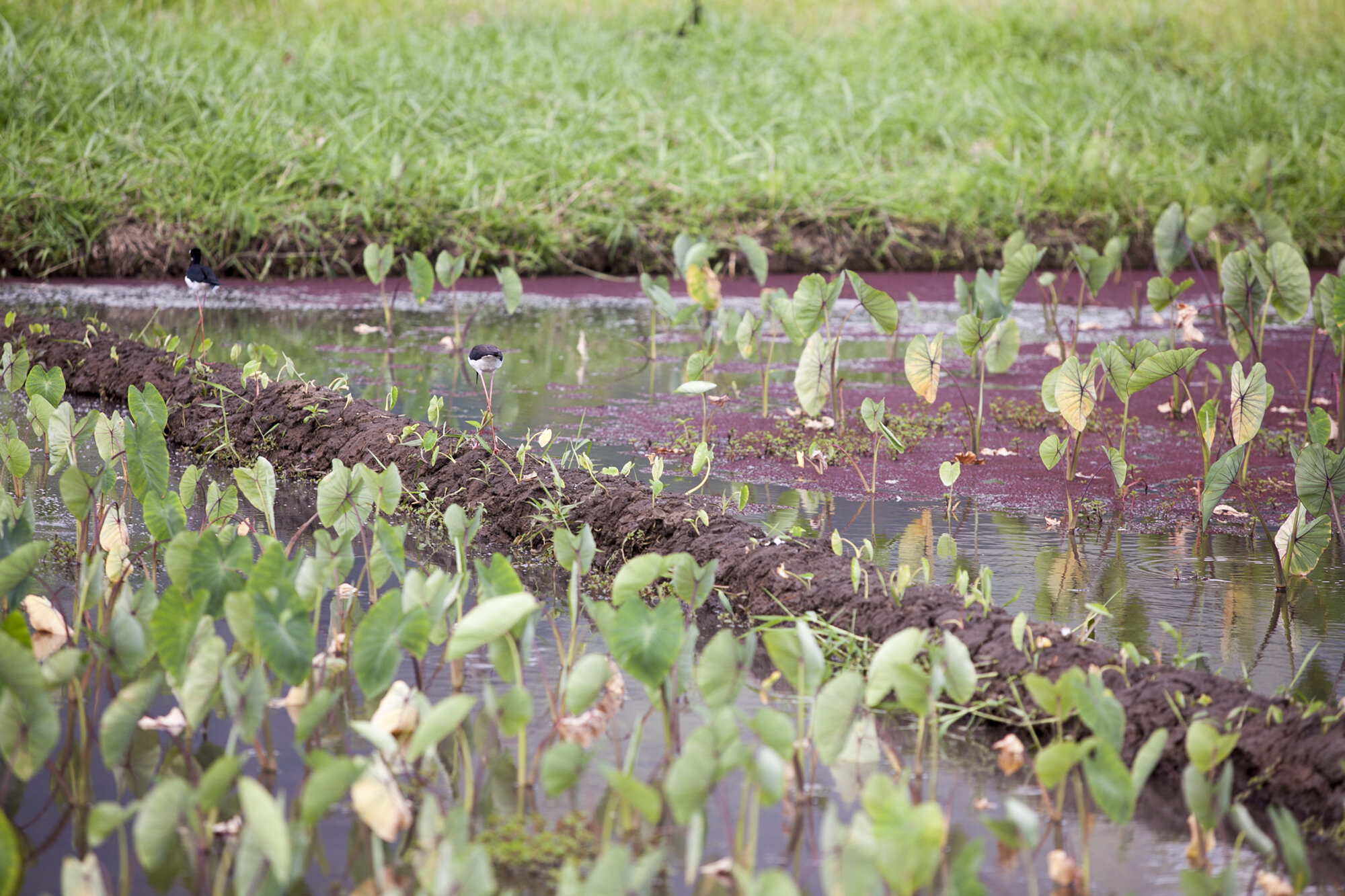
Lawmakers must do more to invest in Hawaiʻi regenerative agriculture
The success of sustainable agriculture in Hawaiʻi will be contingent on sizable government investments in both small-scale farmers and the agencies that serve them.

Now is the time to talk about Pōhakuloa Training Area
The Mauna Kea protests show the growing desire to conserve and protect Hawaiʻi’s natural environment and culture from exploitation and abuse.

We need a visitor recreation fee to benefit Hawaiʻi
The COVID-19 pandemic has highlighted our dependency on tourism, and the need to create a more sustainable and less exploitative version of the industry.