

Food security is on Oʻahu’s ballot this November: What Question No. 1 would do
The measure would not raise taxes, but would instead dedicate 0.5 percent of existing real property tax revenues—an estimated $8–9 million annually—to programs and grants that strengthen Oʻahu’s local food system.

The surveillance grocery store: How algorithms target Hawaiʻi consumers
In an isolated state like Hawaiʻi, where shipping costs are already high and consumers have limited store alternatives, replacing fair market pricing with individual data extraction turns everyday necessities into variable-cost traps.
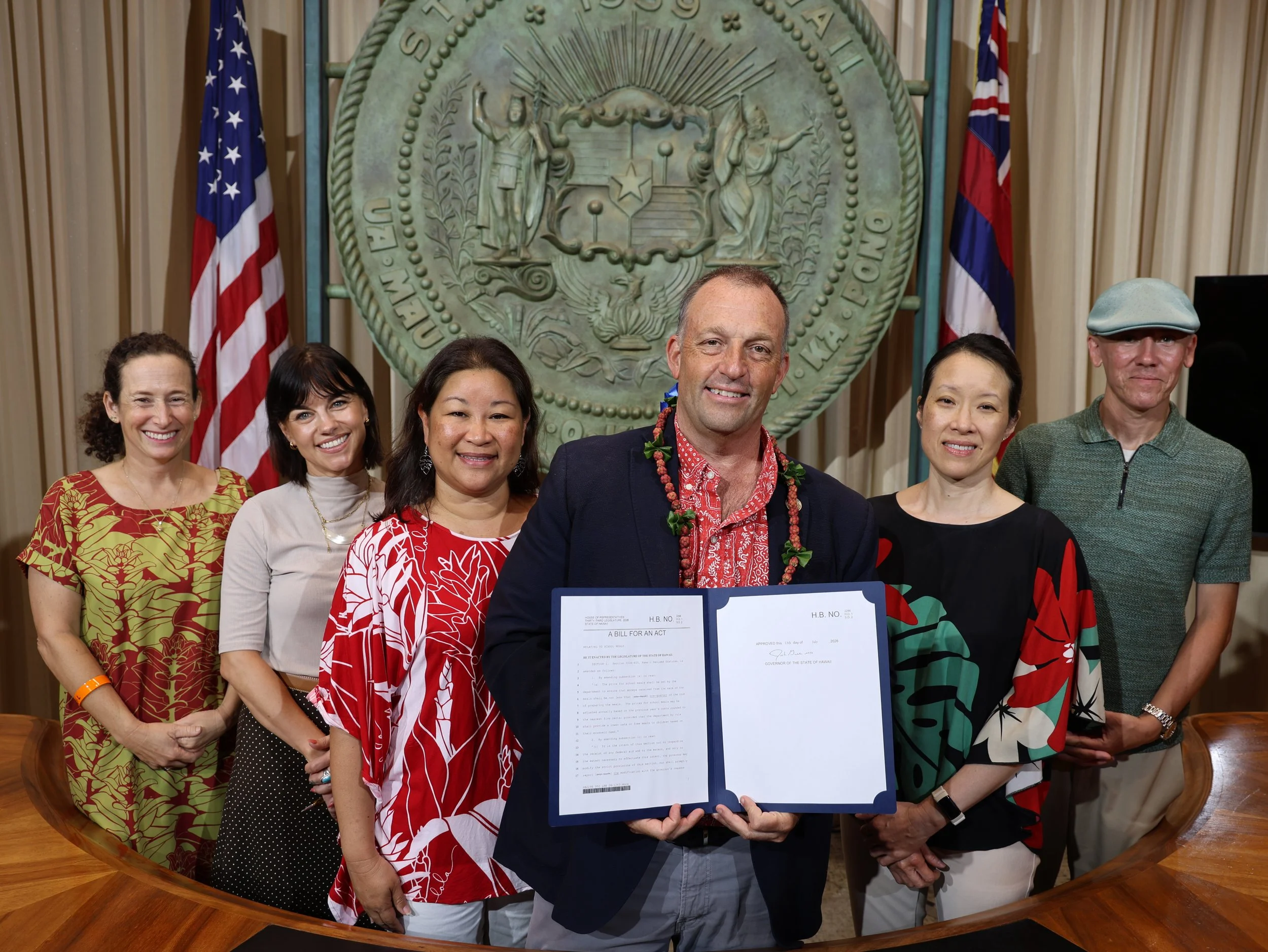
Behind the scenes: How Policy in Perspective tells the story of a legislative session
Built from a year’s worth of writing, analysis, and advocacy, Policy in Perspective creates the opportunity to take a step back and look at the legislative session from a bird’s eye view.
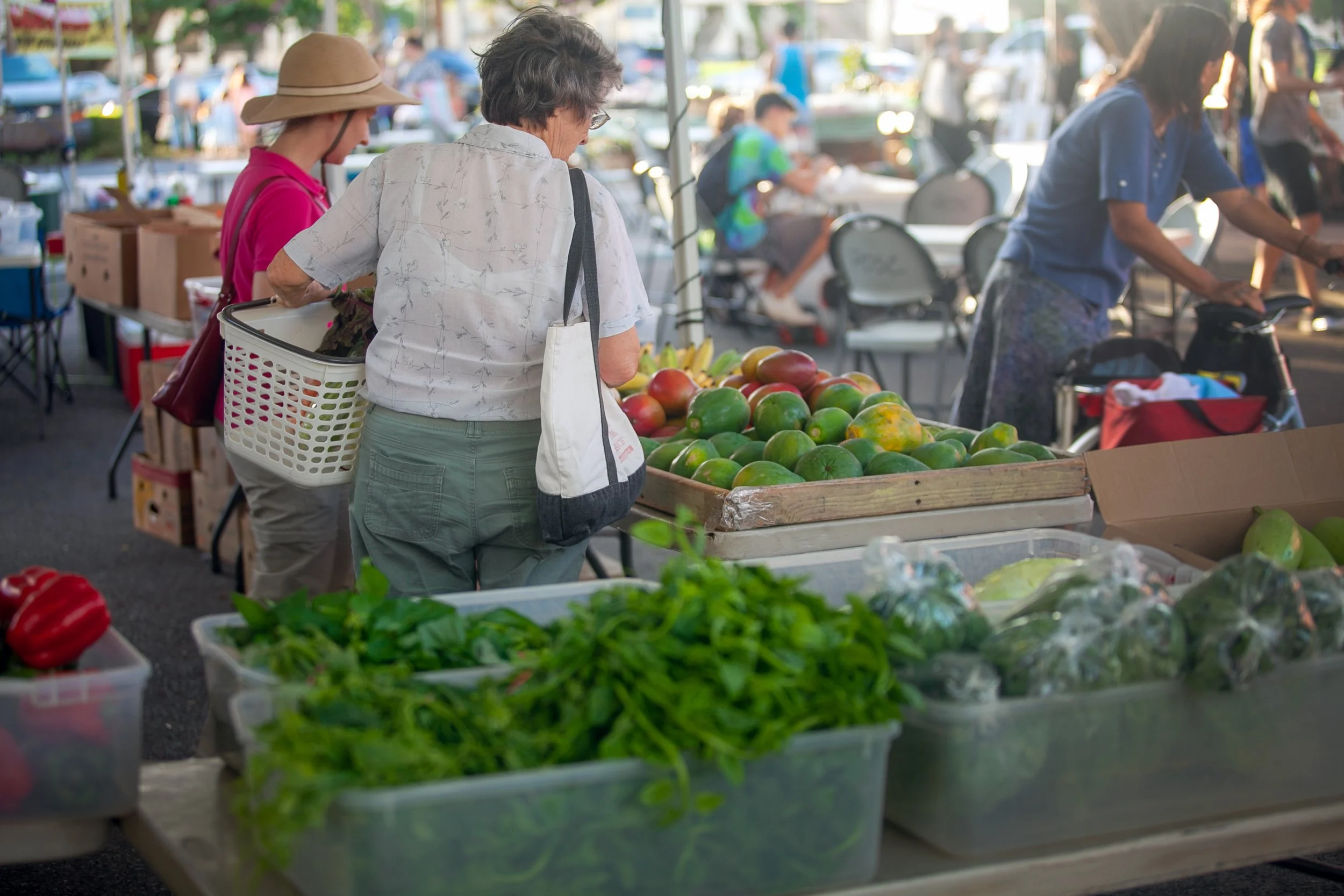
Progress on the plate: Food access wins from this session—and the work still ahead
During the 2026 legislative session, the state legislature could not ignore the growing pressures that Hawaiʻi families face when trying to access and afford food.

When disaster strikes, who feeds us?
Only 15 percent of our food is grown locally; 30 percent of families remain food insecure; less than 12 percent of households are prepared for a disaster. This is not a collection of separate problems. It is one broken system.

One step forward, a few meals short
While the passage of Act 139 was a meaningful step toward free school meals, it was just that—a step. The work is not finished.
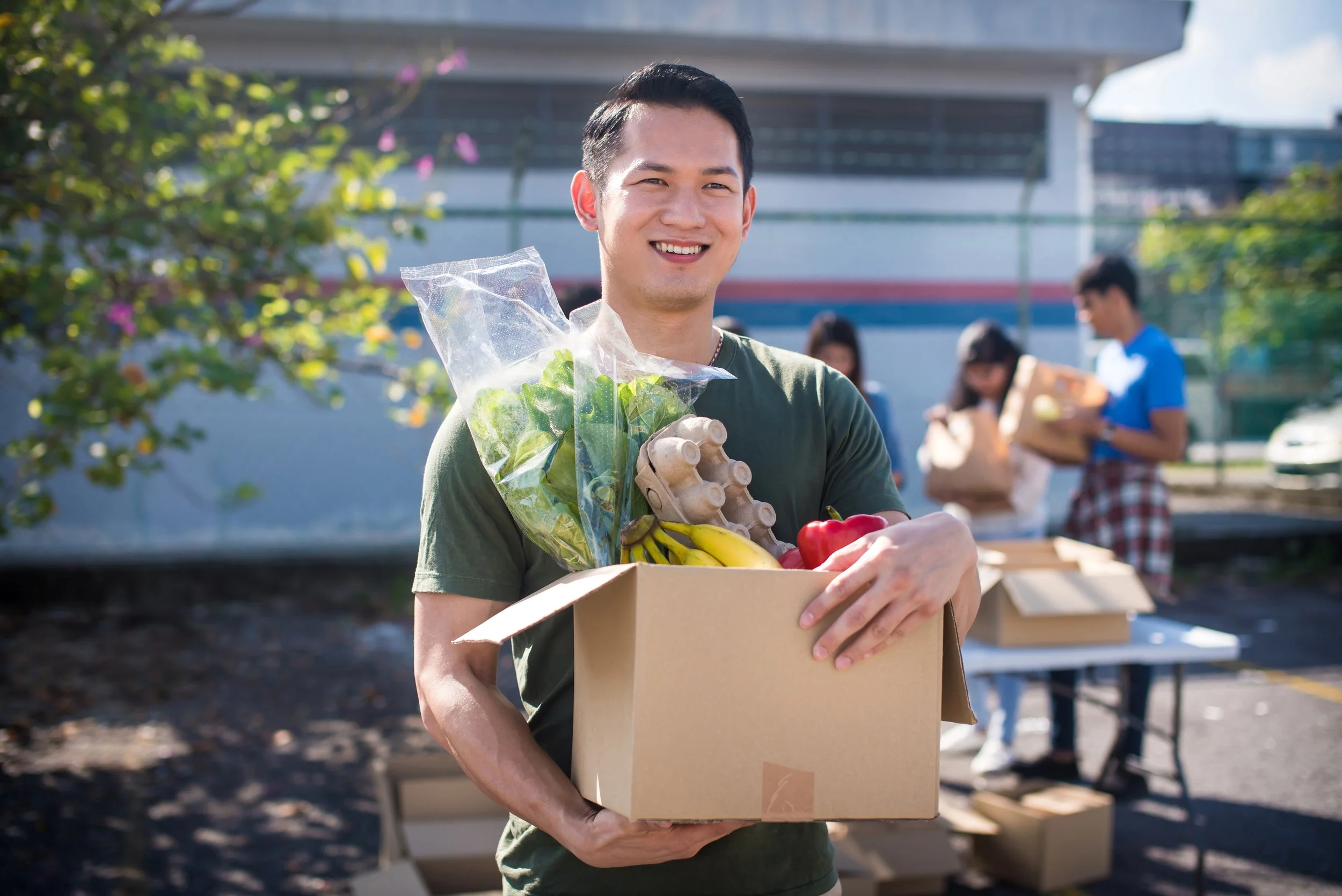
Taking policy local: how to shape county action on food security
Counties may not always be centered in the food security conversation, but they are some of Hawaiʻi’s most powerful leaders in combating hunger.

A turning point for SNAP: Strengthening local supports for Hawaiʻi households
Hawaiʻi has an opportunity to build a more resilient, community-driven food system—one that protects families regardless of federal uncertainty.

Kūpuna at risk: How federal changes to SNAP impact older adults in Hawaiʻi
Even within these new constraints, Hawaiʻi can innovate by combining or re-imagining existing programs to expand access and strengthen support for our seniors.

Can Hawaiʻi afford to cut the grocery tax?
Any proposal to reduce or remove the GET on food must be paired with a credible plan for replacing the revenue. It’s a challenge, but also an opportunity to build a fairer and more sustainable system.

The chilling effect: How federal cuts and immigration crackdowns threaten food security in Hawaiʻi
The mega budget bill that Congress recently passed narrows who can access critical programs like SNAP and Medicaid, while fueling fear and confusion about who can safely apply for assistance in the wake of increased immigration enforcement.

Hawaiʻi families deserve better: How federal cuts to nutrition programs will impact our state
With grocery prices still soaring and food insecurity on the rise, this is the worst possible time to shrink our nation's most important anti-hunger program.

Wins for food access and low-income families at the 2025 legislative session
While there’s still more work to be done, this year’s wins have laid the groundwork for a future in which food access is treated as a right, not a privilege.

As federal support fades, farm to families could fill the gap
Now, more than ever, investing in local food systems through programs like Farm to Families is a necessary strategy to build Hawaiʻi’s economic resilience and reduce food insecurity.

Why is SNAP failing Hawaiʻi residents?
It’s time for the state to invest in a more resilient, independent social safety net system that can keep working families going regardless of chaos at the federal level.

Hawaiʻi’s keiki are still waiting for universal free school meals. The time to act is now.
Research shows that consistent access to nutritious meals improves both academic performance and long-term health. Yet, in 2023, 6 percent of Hawaiʻi households with children had one or more children go a whole day without food.
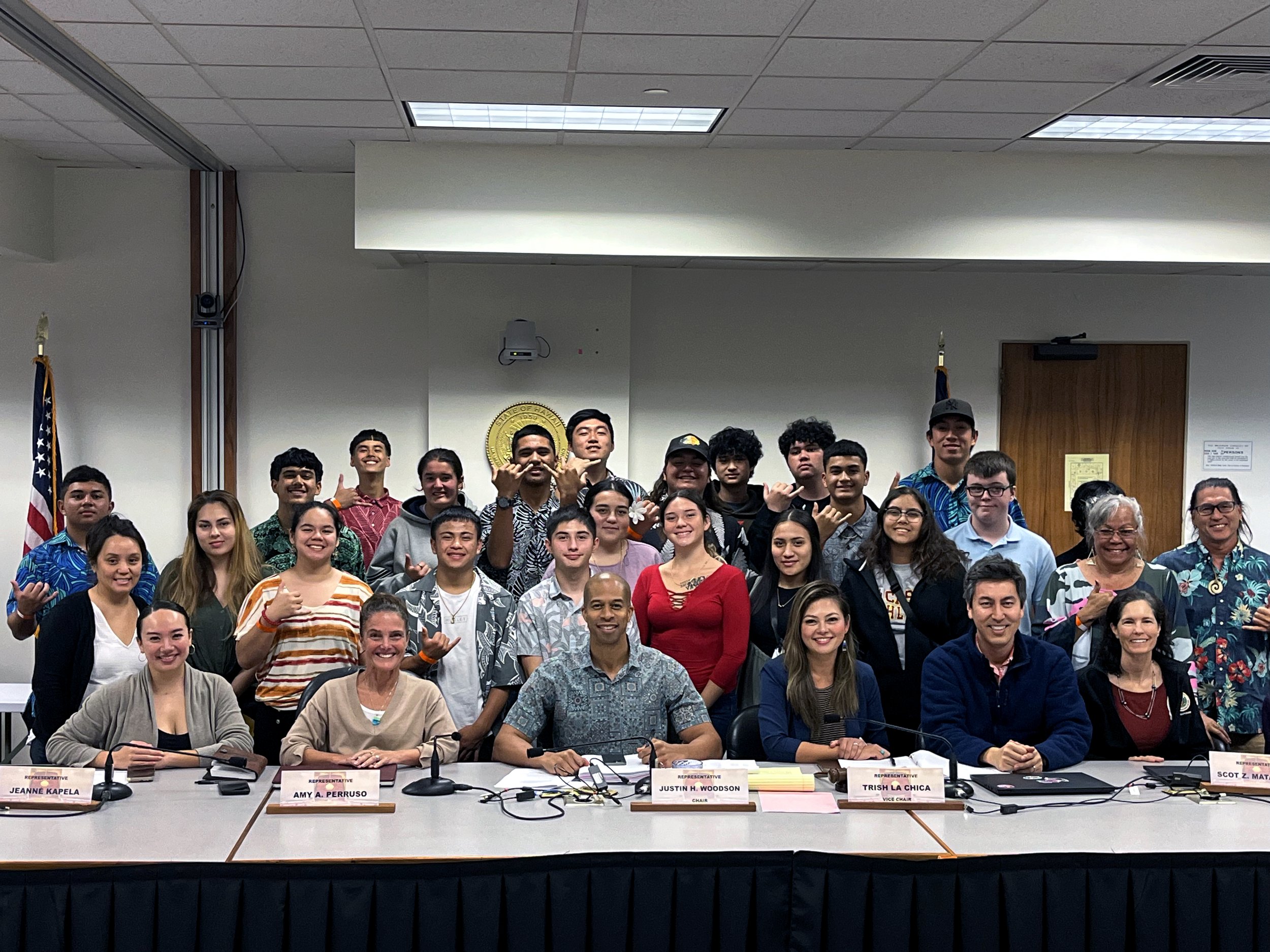
Community participation during 2024 legislative session highlights pressing nature of food insecurity in Hawaiʻi
1 in 3 Hawaiʻi households experienced food insecurity last year, underscoring the urgent need for robust policy interventions to ensure that all residents have access to adequate and nutritious food.

Universal Free School Meals ensures every keiki thrives
5 reasons to support Universal Free School Meals in Hawaiʻi
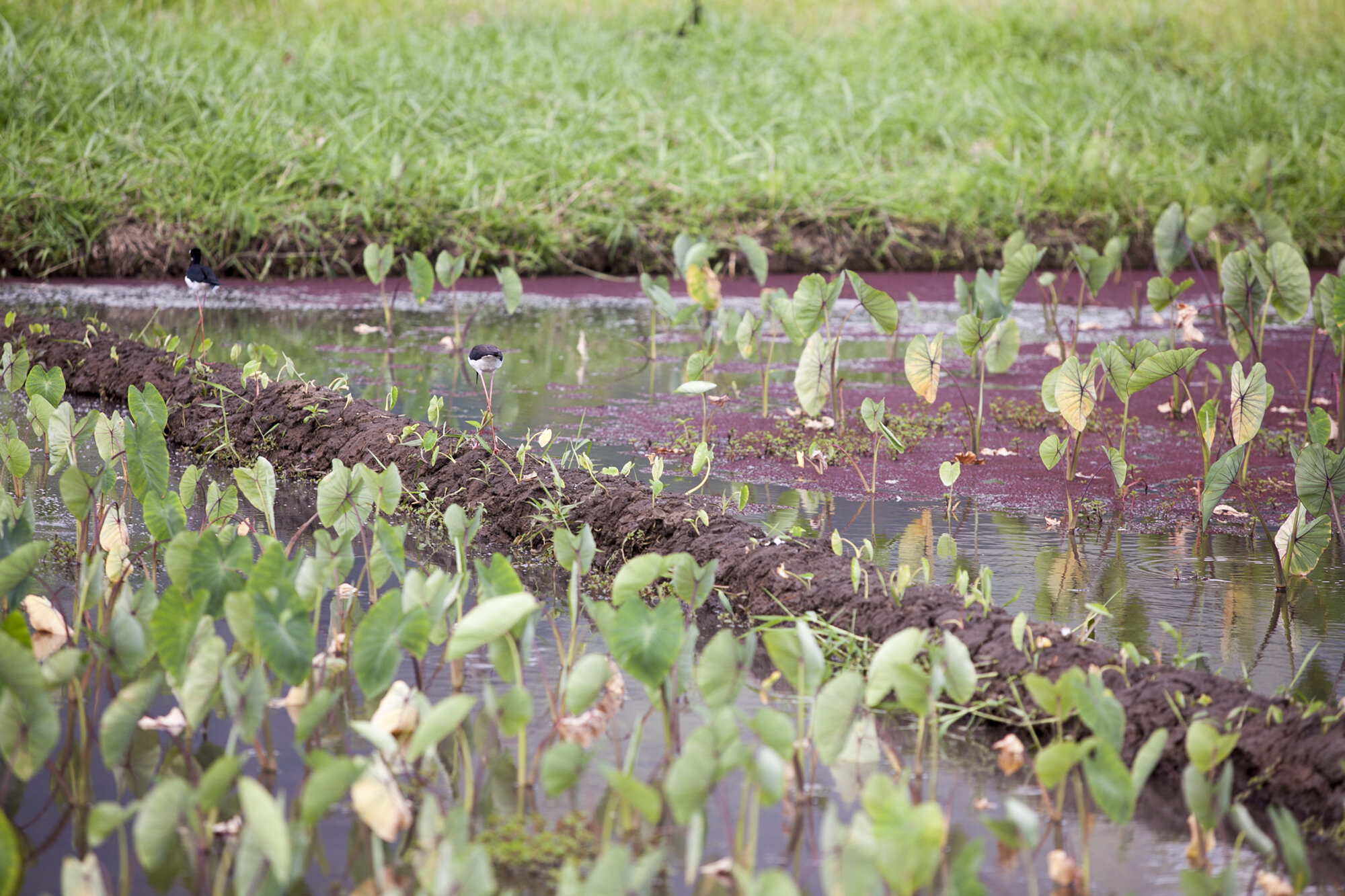
Lawmakers must do more to invest in Hawaiʻi regenerative agriculture
The success of sustainable agriculture in Hawaiʻi will be contingent on sizable government investments in both small-scale farmers and the agencies that serve them.

Trump’s Public Charge rule could cost Hawaiʻi tens of millions in revenue
The financial cost of the rule change is in addition to the harm done to the health and resilience of immigrant families through the “chilling” effect on benefits-use that has already been documented in Hawaiʻi.