
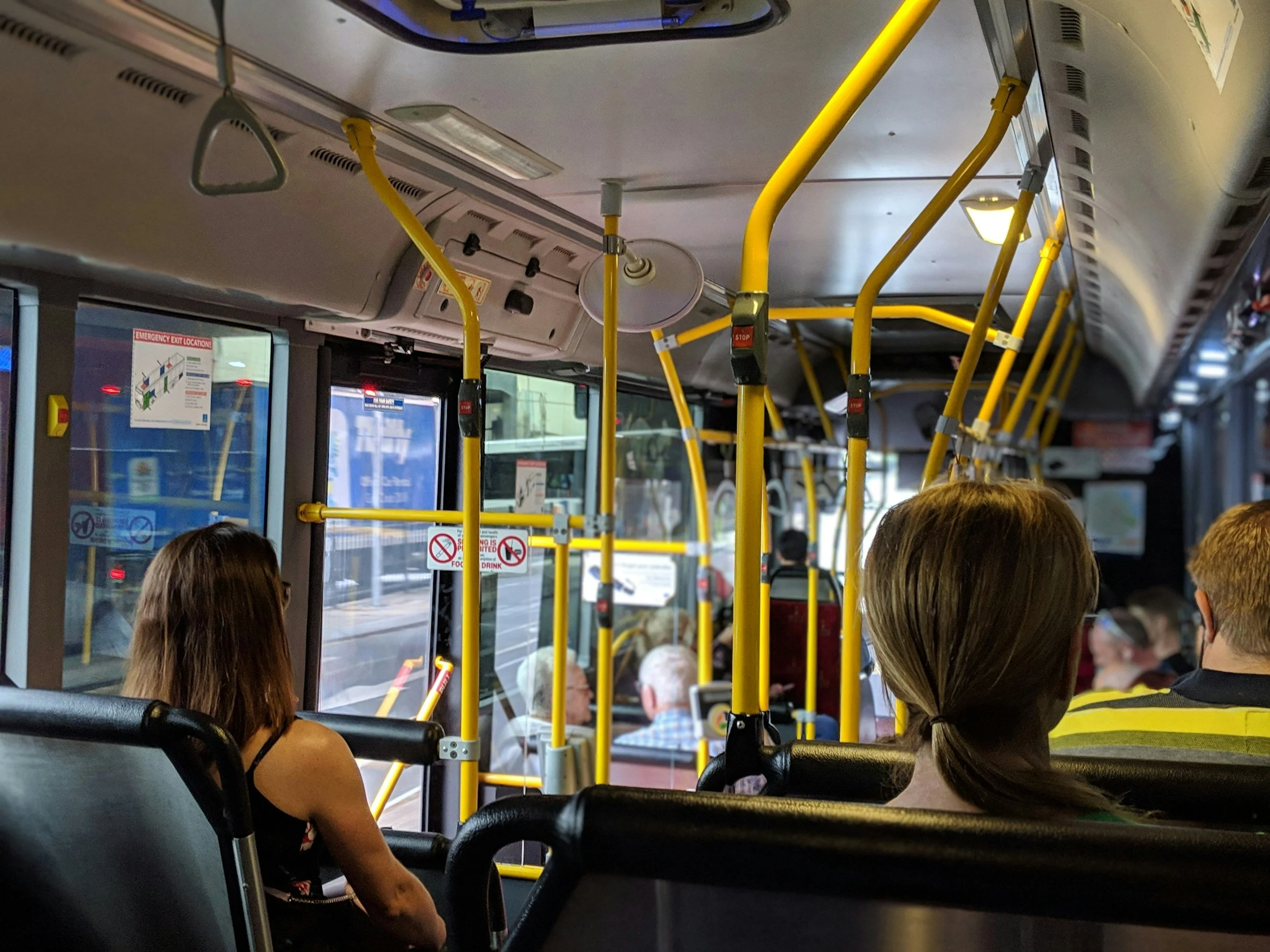
The bus could be free for everyone—here’s how we pay for it
What would it take to make the bus free for everyone in Hawaiʻi—not just our keiki, but every resident who needs a ride?

When disaster strikes, who feeds us?
Only 15 percent of our food is grown locally; 30 percent of families remain food insecure; less than 12 percent of households are prepared for a disaster. This is not a collection of separate problems. It is one broken system.
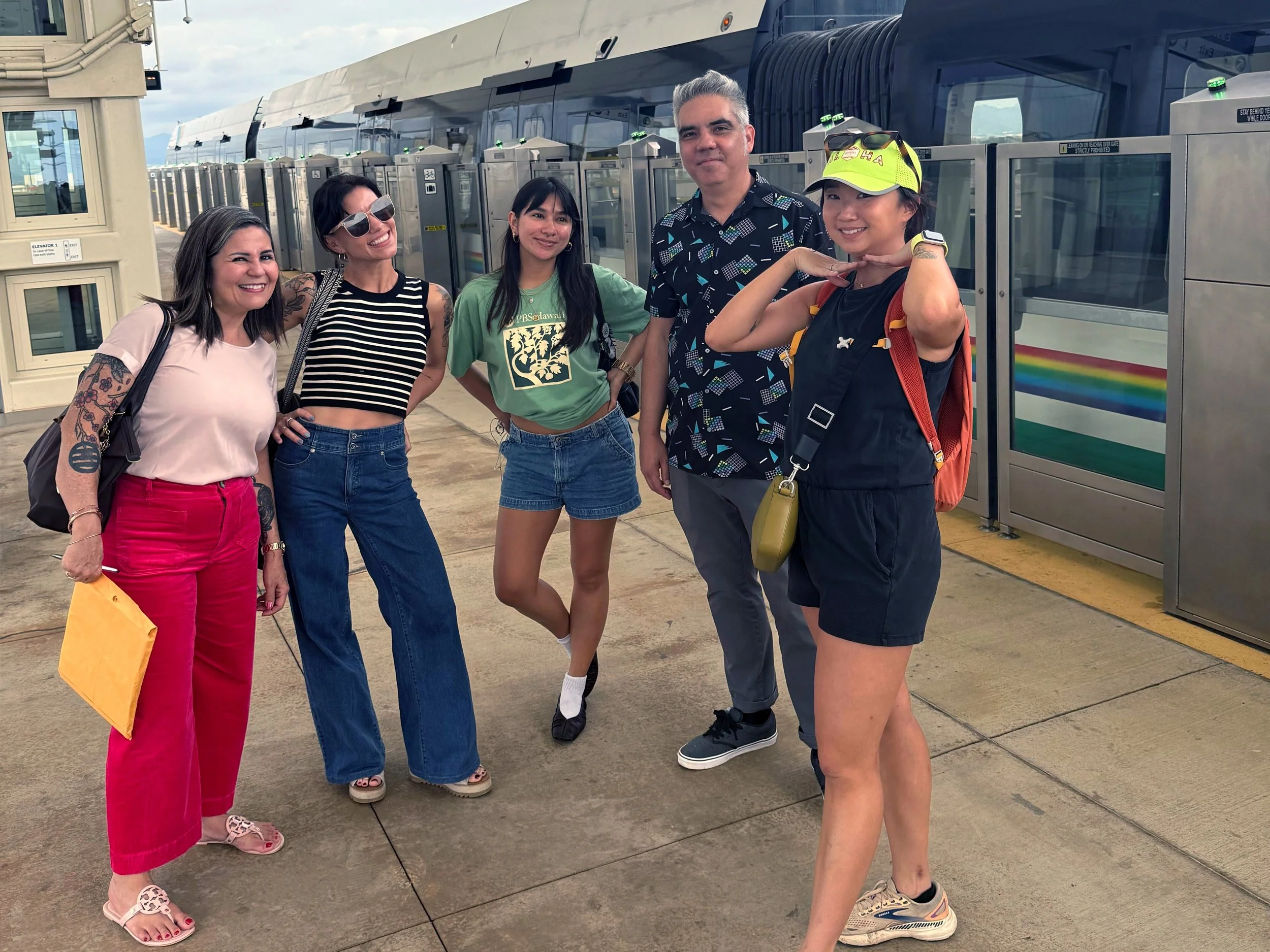
The great Skyline adventure: Hawaiʻi Appleseed tests the walkability of areas around rail stops
Success will require partnership across state and county lines, but the goal is shared: turning the areas around rail lines and high capacity bus routes into places where people can live, work and meet daily needs without the necessity of getting back into a car.
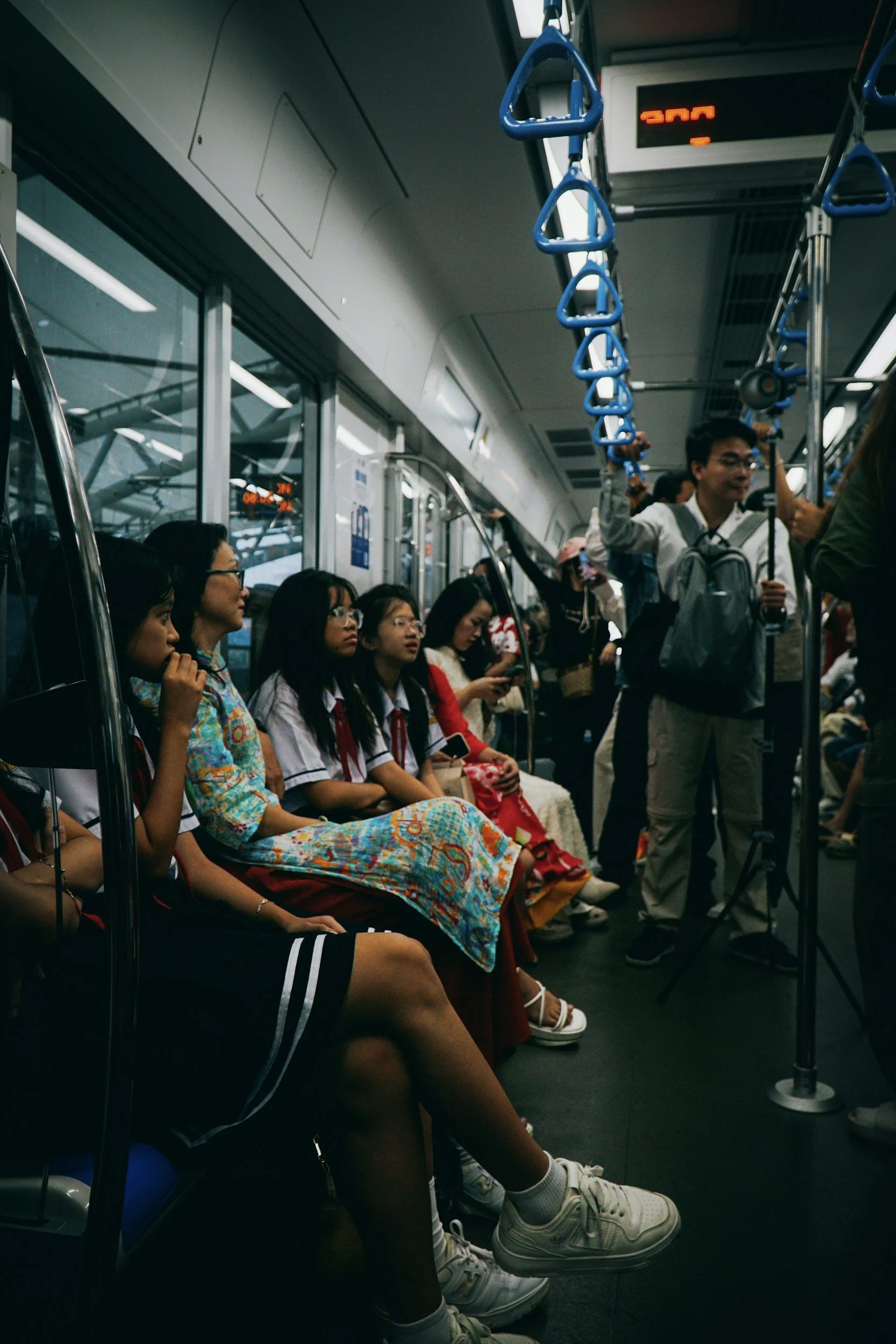
Keiki Ride Free: Building a more connected Hawaiʻi
By removing financial barriers to public transit, Hawaiʻi can empower young people to participate fully in their communities, while easing family costs and supporting climate goals.
Proposal to raise transit fares will hurt Oʻahu riders
Increasing transit fares while household budgets are already stretched thin risks pushing out the very riders who rely on TheBus the most while decreasing ridership and revenue.

Hawaiʻi already has the tools to create a locals-only housing market; we just need to use them
Whether buying a first home, renting, or selling within the community, local people should have the advantage. Housing should function as a home—not as a global commodity.

The chilling effect: How federal cuts and immigration crackdowns threaten food security in Hawaiʻi
The mega budget bill that Congress recently passed narrows who can access critical programs like SNAP and Medicaid, while fueling fear and confusion about who can safely apply for assistance in the wake of increased immigration enforcement.
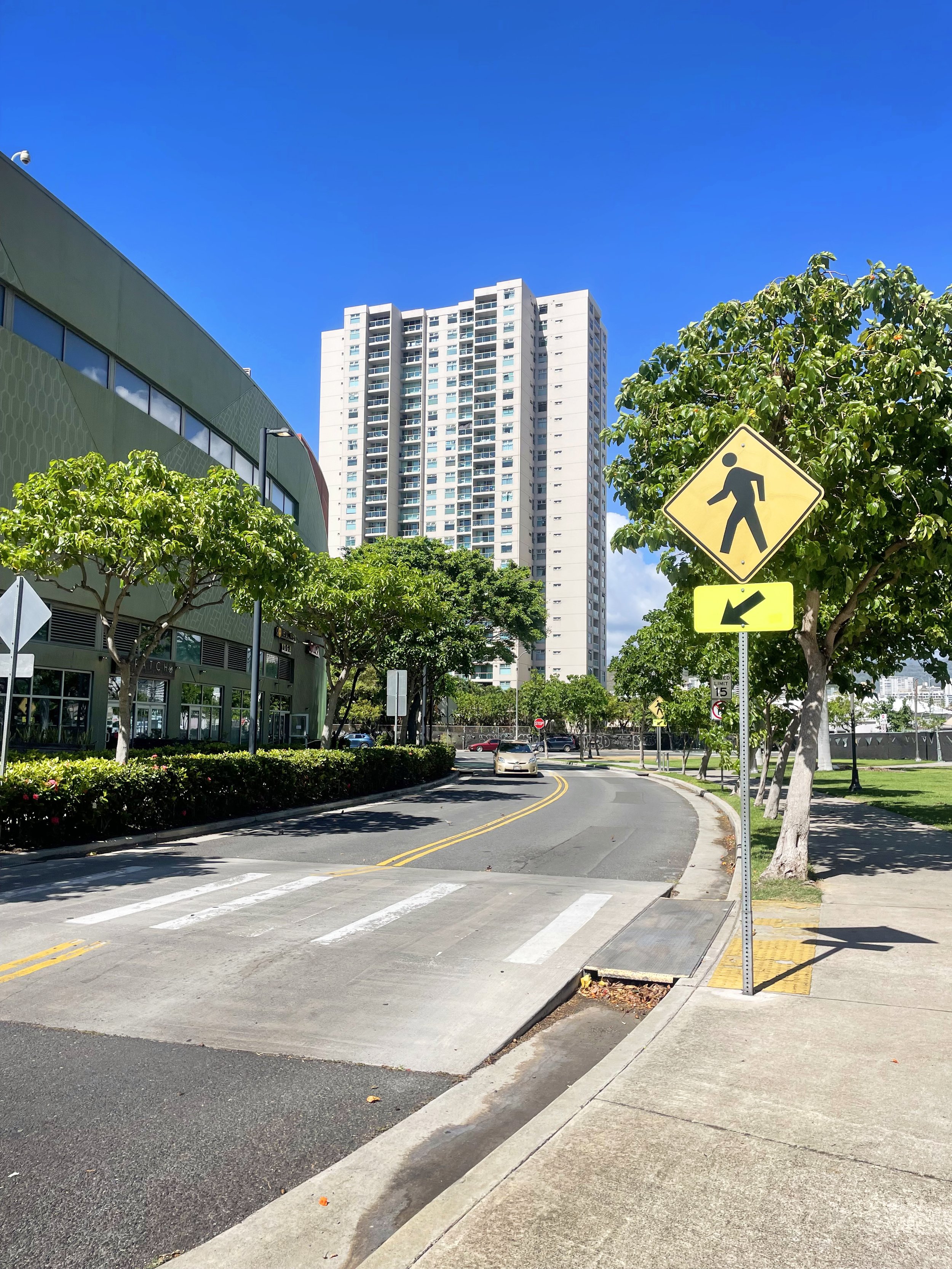
For a healthier, happier Hawaiʻi, transportation spending must prioritize bicycle and pedestrian infrastructure
Investing in the Safe Routes to School fund is a critical step in transforming our transportation system to meet the needs of all residents—pedestrians, cyclists and drivers alike.

Reimagining our streets for health, fun and community
HB1260 would support the creation of a Summer Street Pilot Program, designed to temporarily transform car-congested roadways into vibrant spaces for outdoor fun and social interaction.

Cutting state contracts would hurt the private sector economy
Cutting contracts with nonprofit organizations that provide essential services would be as devastating to the economy as cutting state worker hours.
The Micronesian community is being disproportionately harmed by COVID-19
Given the precarious situation in which COVID-19 places the Micronesian community, the State of Hawaiʻi must take steps to help in both the short and long term.

Disaggregating data helps replace racist policies with anti-racist ones
One often overlooked way in which racism manifests itself in our policies is through our use of data. Disaggregating data can help end racist policies.