
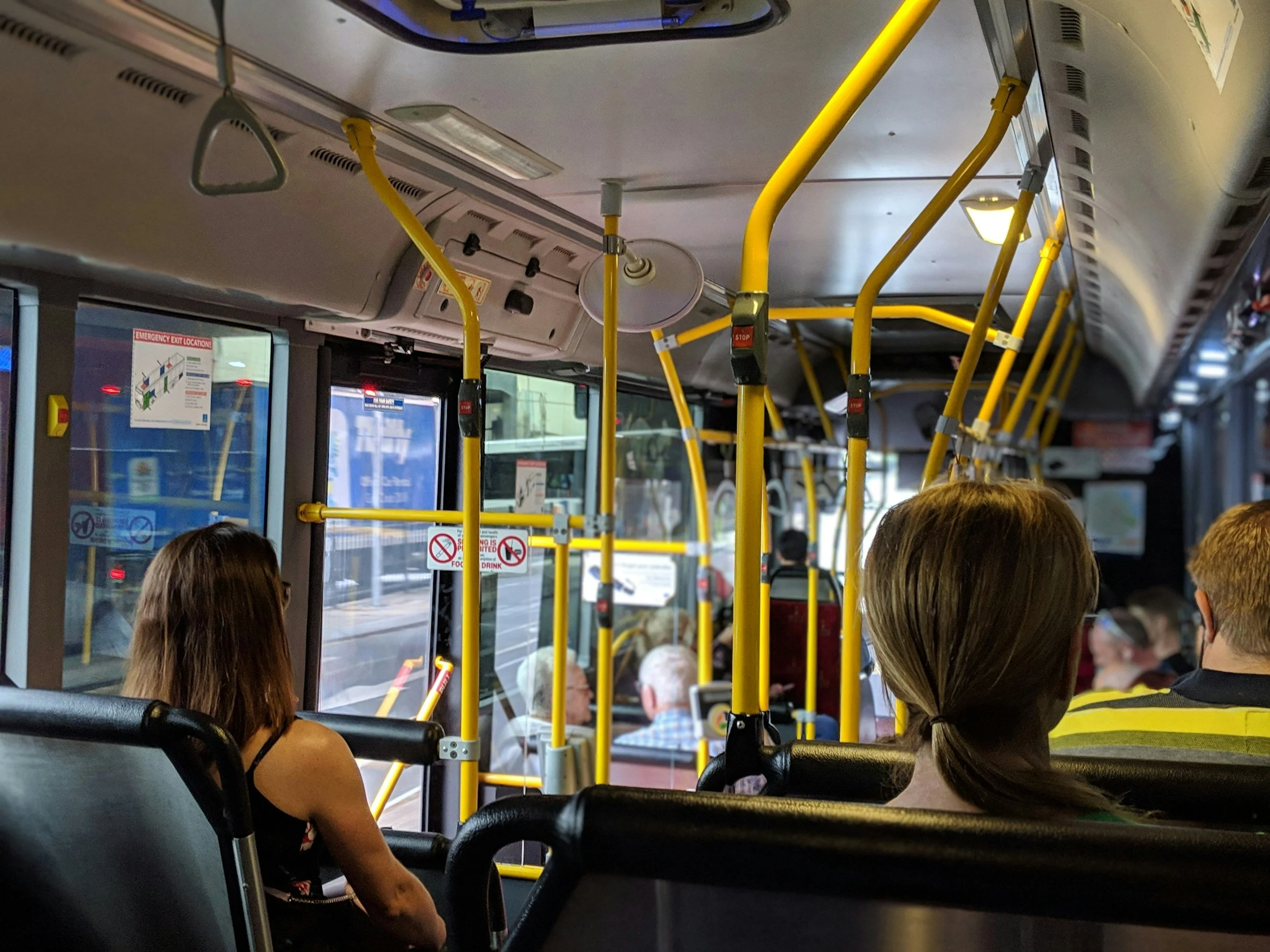
The bus could be free for everyone—here’s how we pay for it
What would it take to make the bus free for everyone in Hawaiʻi—not just our keiki, but every resident who needs a ride?

New census data confirms the benefits of investing in safety net programs
The new data highlights the anti-poverty effects of programs like the Child Tax Credit, SNAP and Medicaid. At the same time, it’s a reminder of what working families stand to lose with H.R.1.

Unburden the burdened: Why Hawaiʻi should expand its rental voucher program
Because vouchers target need rather than tenure, they avoid the market distortions that come with rent caps—and don’t create incentives to push tenants out.

The surveillance grocery store: How algorithms target Hawaiʻi consumers
In an isolated state like Hawaiʻi, where shipping costs are already high and consumers have limited store alternatives, replacing fair market pricing with individual data extraction turns everyday necessities into variable-cost traps.
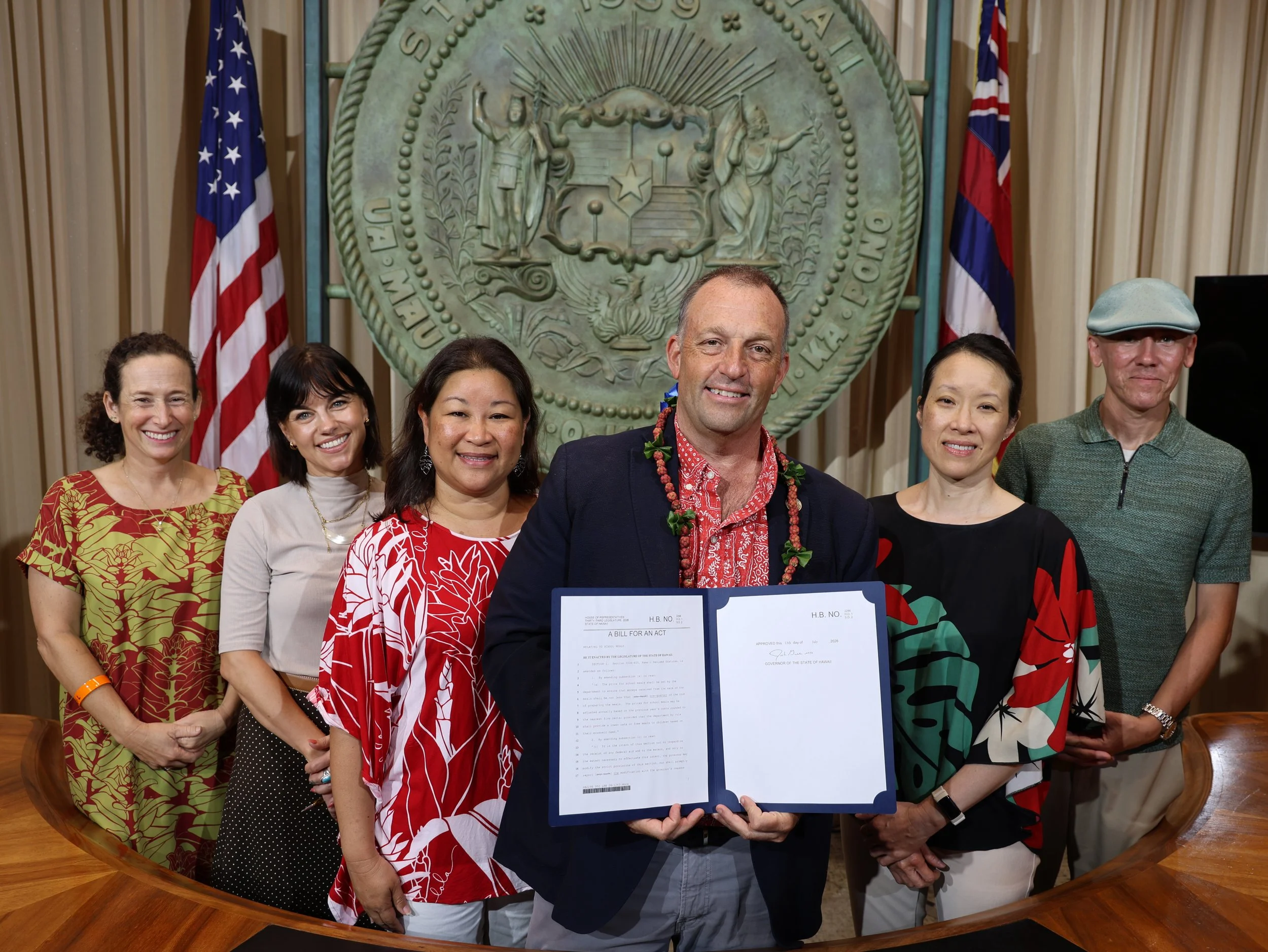
Behind the scenes: How Policy in Perspective tells the story of a legislative session
Built from a year’s worth of writing, analysis, and advocacy, Policy in Perspective creates the opportunity to take a step back and look at the legislative session from a bird’s eye view.
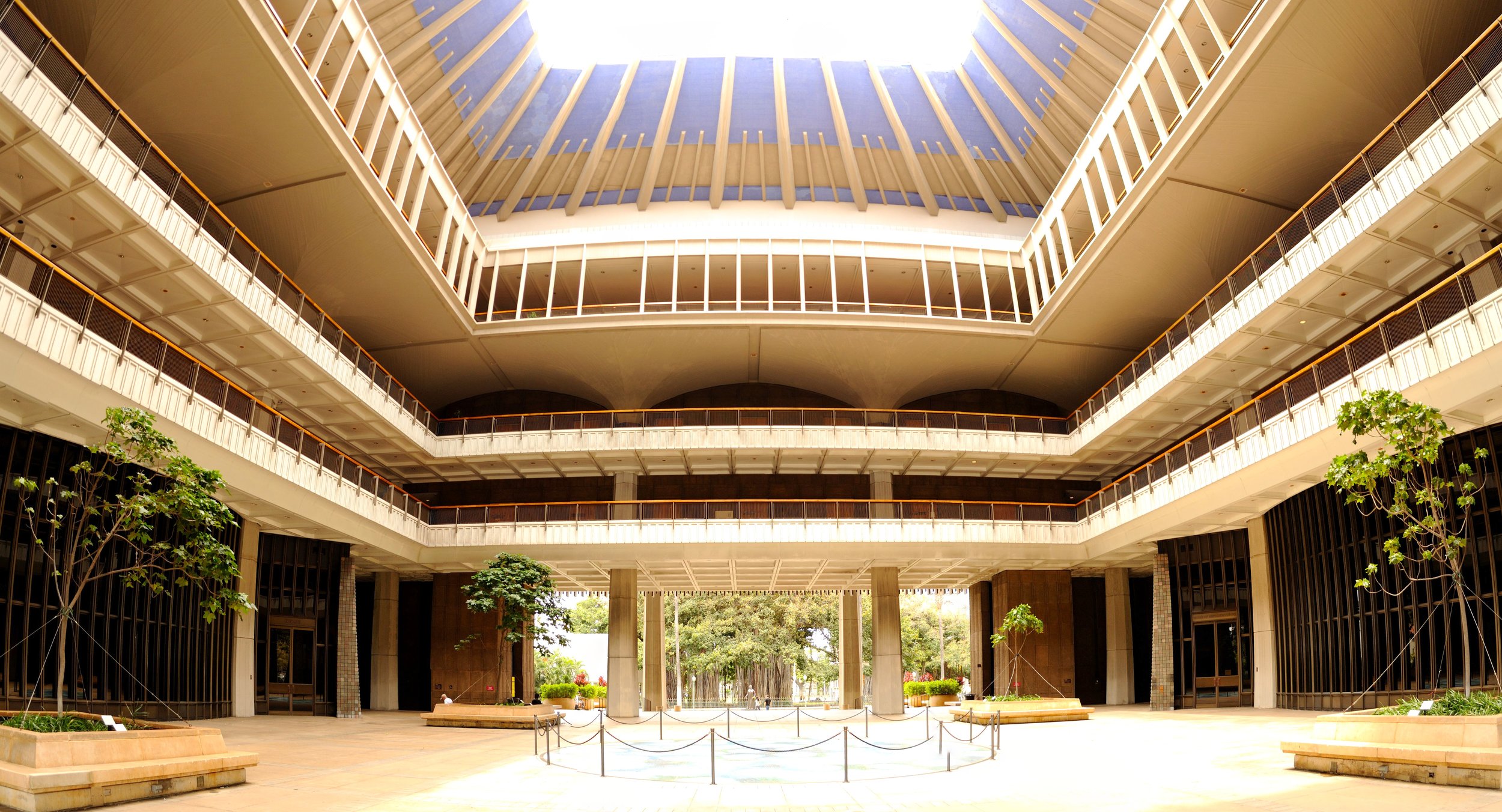
Under pressure: Hawaiʻi’s budget troubles demand action
The state is confronting a growing list of challenges that could throw our budget—and the programs and services within it—into disarray. Now more than ever, we need to preserve funding for Hawaiʻi’s working families.
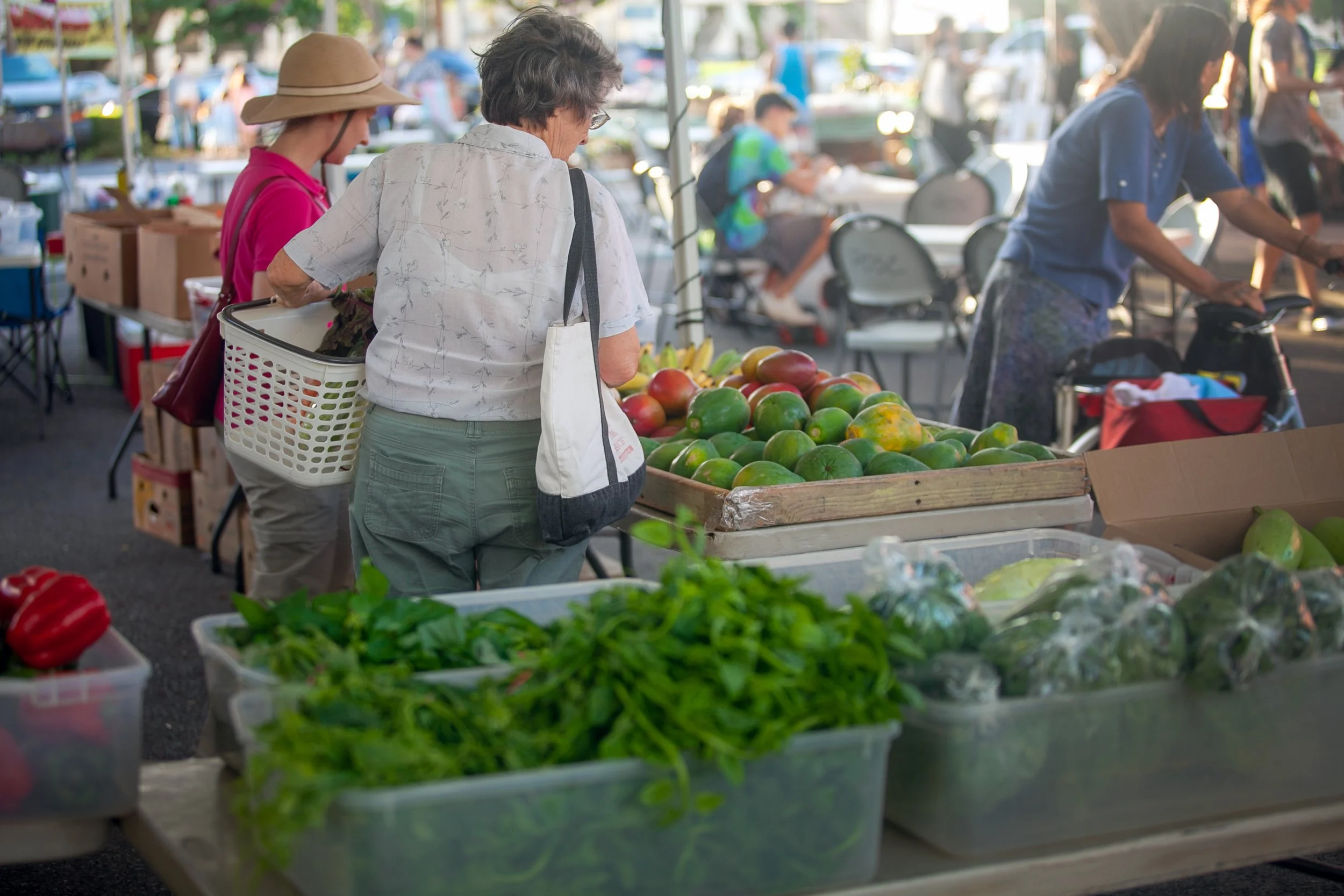
Progress on the plate: Food access wins from this session—and the work still ahead
During the 2026 legislative session, the state legislature could not ignore the growing pressures that Hawaiʻi families face when trying to access and afford food.

Safe streets for all: Why Hawaiʻi can’t wait another year for pedestrian safety progress
Hawaiʻi’s pedestrians are in crisis. Fatalities are rising, our most dangerous intersections remain unfixed, and the people most affected continue to bear the heaviest burden.

Summer streets pilot, e-bike rules headline Hawaiʻi’s modest transportation wins
Progress on transportation equity comes in layers—a pilot program here, a clear legal definition there, a coalition that grows a little stronger each session.

Millionaire’s taxes are having a moment: Here’s why that’s good for all of us
A fairer tax code isn’t about punishing success. It’s about making sure all of us can thrive—not just a wealthy few.
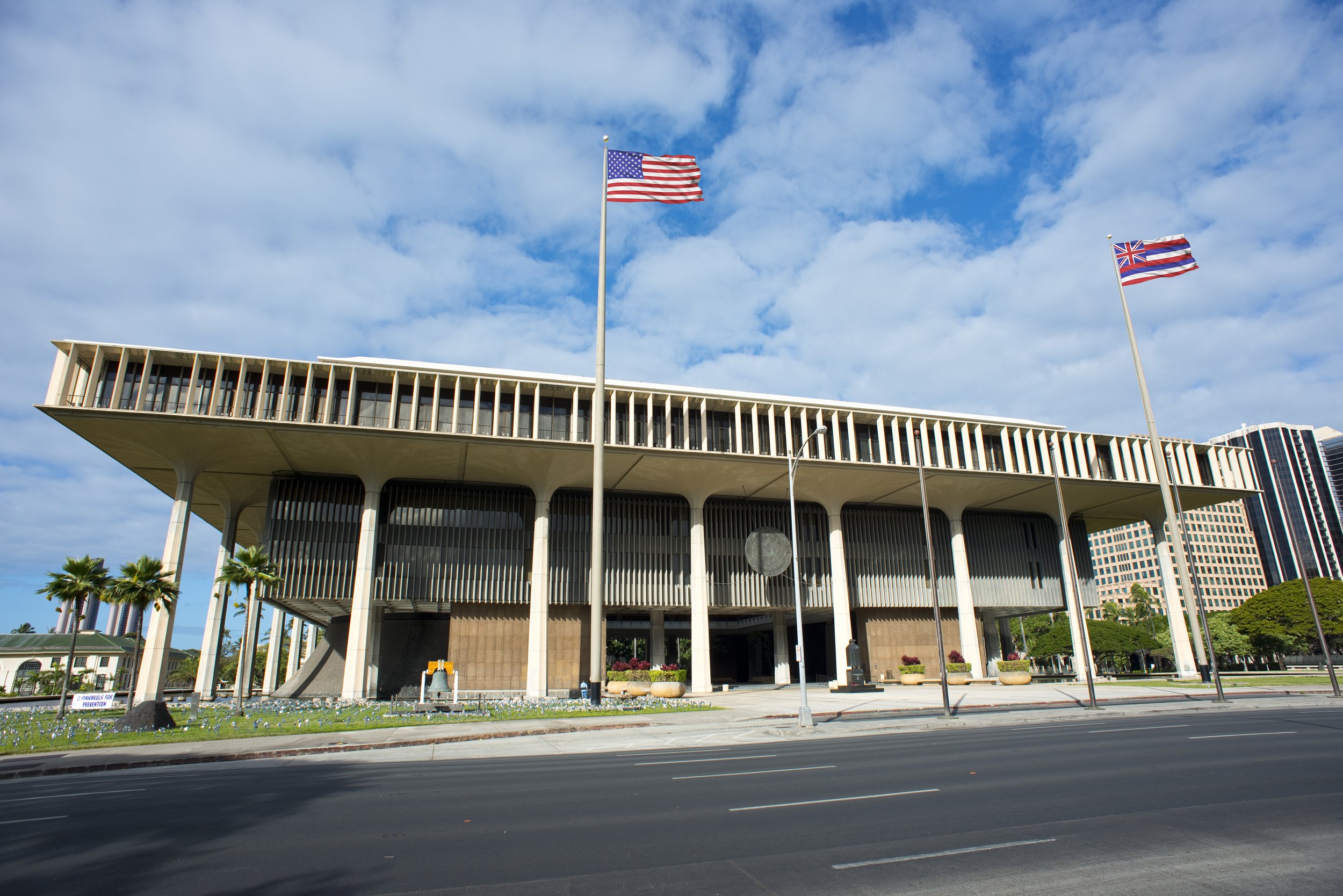
Highlights from House Bill 1800: the state supplemental budget bill
The single most consequential bill of the legislative session. It determines how the State of Hawaiʻi will fund everything from public education and roads to healthcare and affordable housing.
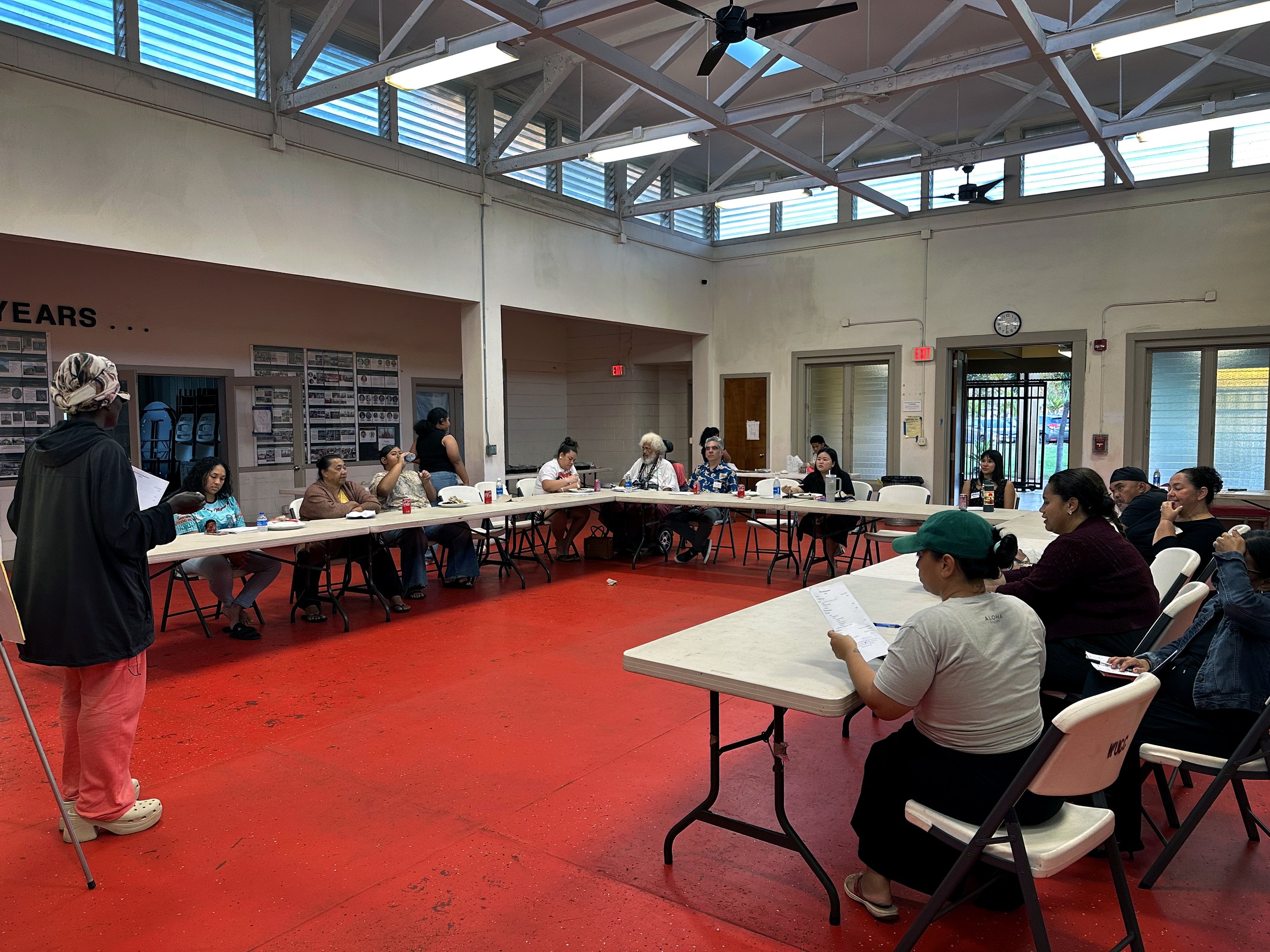
Pilina builders are ready to lead their community
Guided by the ʻōlelo noʻeau, Ma ka hana ka ʻike (in working one learns), the Pilina Builders are a diverse, bright, and community-grounded group of women from ʻEwa and Waipahu.

Taking policy local: how to shape county action on food security
Counties may not always be centered in the food security conversation, but they are some of Hawaiʻi’s most powerful leaders in combating hunger.

Hawaiʻi’s costly tax shift: How a billion-dollar cut threatens public services
The choice before us is whether we will allow a billion-dollar annual loss to erode our common foundation, or whether we will act to preserve it—for every family, and for generations to come.

A turning point for SNAP: Strengthening local supports for Hawaiʻi households
Hawaiʻi has an opportunity to build a more resilient, community-driven food system—one that protects families regardless of federal uncertainty.

Kūpuna at risk: How federal changes to SNAP impact older adults in Hawaiʻi
Even within these new constraints, Hawaiʻi can innovate by combining or re-imagining existing programs to expand access and strengthen support for our seniors.

Can Hawaiʻi afford to cut the grocery tax?
Any proposal to reduce or remove the GET on food must be paired with a credible plan for replacing the revenue. It’s a challenge, but also an opportunity to build a fairer and more sustainable system.

The chilling effect: How federal cuts and immigration crackdowns threaten food security in Hawaiʻi
The mega budget bill that Congress recently passed narrows who can access critical programs like SNAP and Medicaid, while fueling fear and confusion about who can safely apply for assistance in the wake of increased immigration enforcement.

Federal transportation cuts threaten Hawaiʻi’s health and climate goals
With $131 million in transportation funds at risk, Hawaiʻi faces the possibility of lasting harm to our island infrastructure, and inhibited mobility for residents who rely on walking, biking and public transit.

Hawaiʻi families deserve better: How federal cuts to nutrition programs will impact our state
With grocery prices still soaring and food insecurity on the rise, this is the worst possible time to shrink our nation's most important anti-hunger program.