
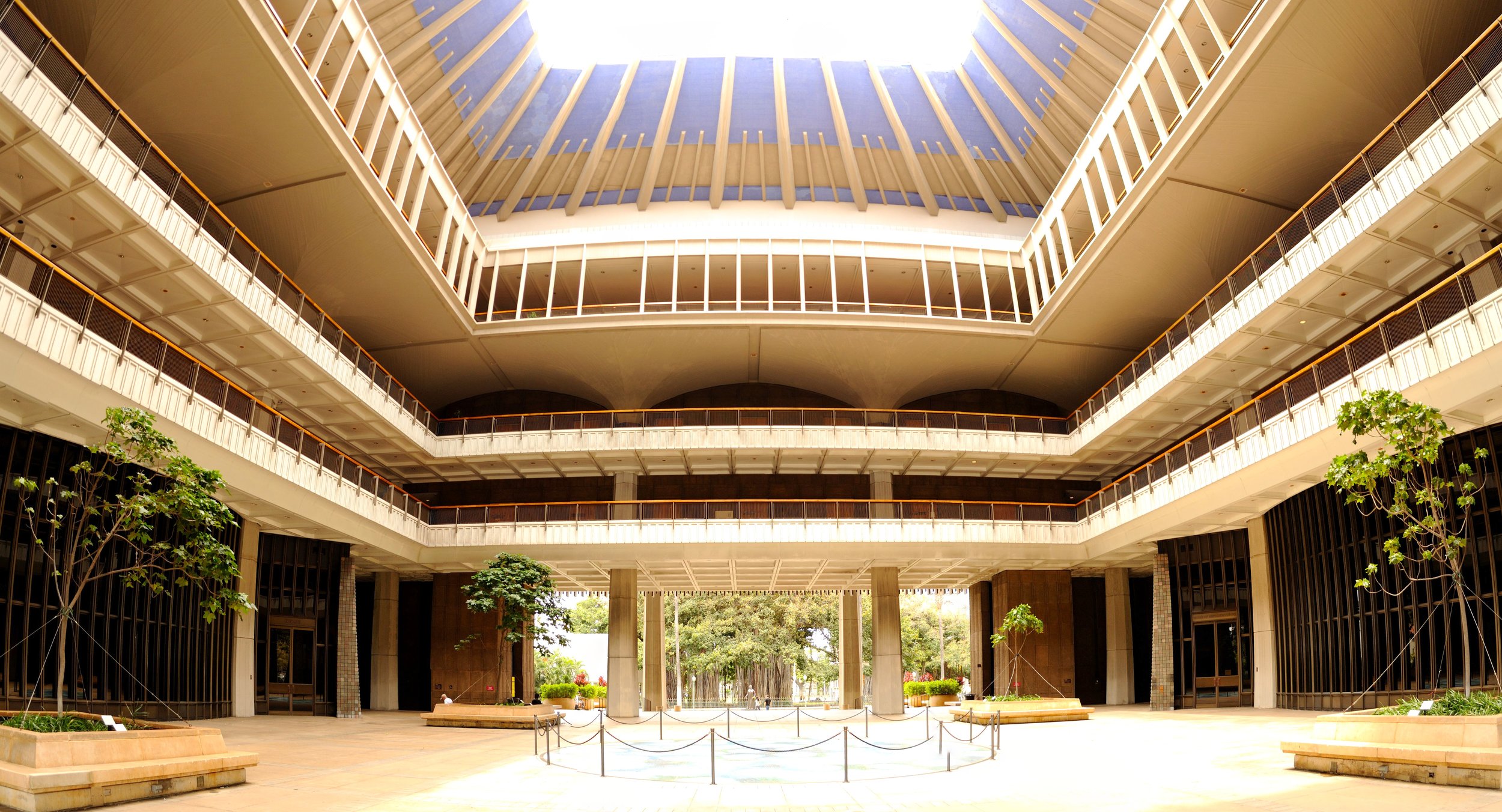
Under pressure: Hawaiʻi’s budget troubles demand action
The state is confronting a growing list of challenges that could throw our budget—and the programs and services within it—into disarray. Now more than ever, we need to preserve funding for Hawaiʻi’s working families.

Hawaiʻi’s costly tax shift: How a billion-dollar cut threatens public services
The choice before us is whether we will allow a billion-dollar annual loss to erode our common foundation, or whether we will act to preserve it—for every family, and for generations to come.

Ditch the equity cap: How to make “locals-only” housing actually work
When outside demand is effectively infinite, deed restrictions that focus on creating a diverse resident-owner base across multiple housing types—rather than just capping prices—do more to shift the market toward locals than any single “affordable” building will.

Hawaiʻi’s two-tier tax system: How the rich use a glaring loophole to pay less
While teachers, nurses and service workers pay income tax on every dollar they earn, the wealthy can shield a large portion of their profits thanks to a special tax break on capital gains.

Hawaiʻi already has the tools to create a locals-only housing market; we just need to use them
Whether buying a first home, renting, or selling within the community, local people should have the advantage. Housing should function as a home—not as a global commodity.
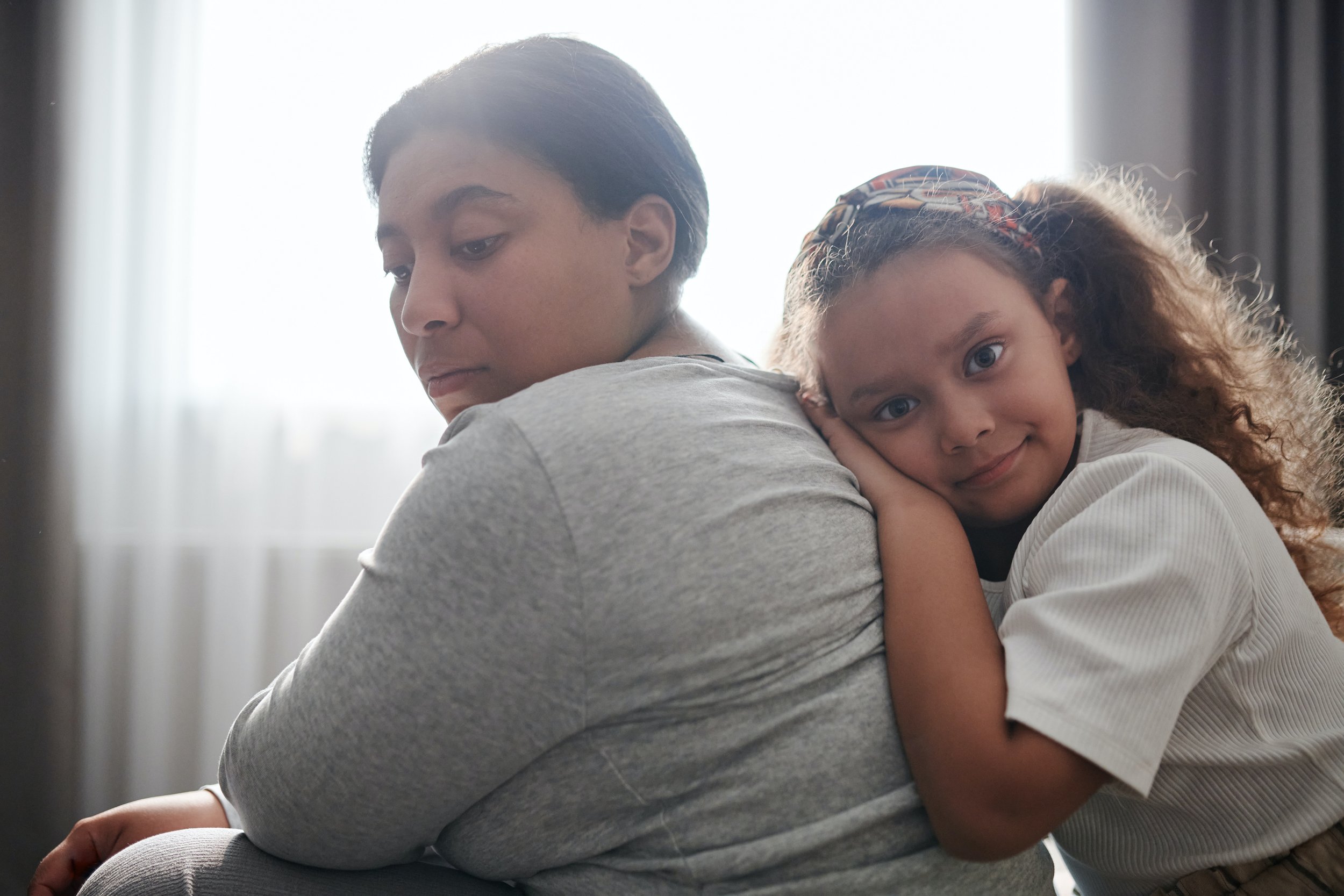
Incoming federal tax cuts will heavily favor Hawaiʻi’s wealthiest residents
The State of Hawaiʻi has an obligation to shore up its revenue through tax policies that make the wealthiest among us pay their fair share.
Transformative housing bills went nowhere this legislative session, but small wins keep hope alive
With federal cuts looming and home prices still climbing, the stakes have never been higher. One thing is clear: Hawaiʻi’s families can’t afford another session of half-measures.

How to fix Honolulu’s Empty Homes Tax proposal
A newly released report commissioned by the county council demonstrates the need to align Honolulu’s policy proposal with demonstrated best practices.
Hawaiʻi should close tax loopholes for multinational corporations
Multinational corporations make huge profits from the business activity they conduct in Hawaiʻi, while dodging the taxes they should be paying to support our state.

Hawaiʻi inequality is on the rise—wealth taxes can help fix the problem
Hawaiʻi is one of the most unequal states in the nation for wealth distribution, but tax policy changes can help capture more wealth at the top to invest back into communities.

Fix the conveyance tax reform bill; don’t veto it
Increased economic activity and federal relief funds will only go so far; policymakers need to think about longterm needs for our communities and how we’ll get the resources to pay for them.

Tax fairness is popular and needed for Hawaiʻi’s future
Most taxpayers agree that a fair and effective tax system is a critical part of building Hawaiʻi’s future.
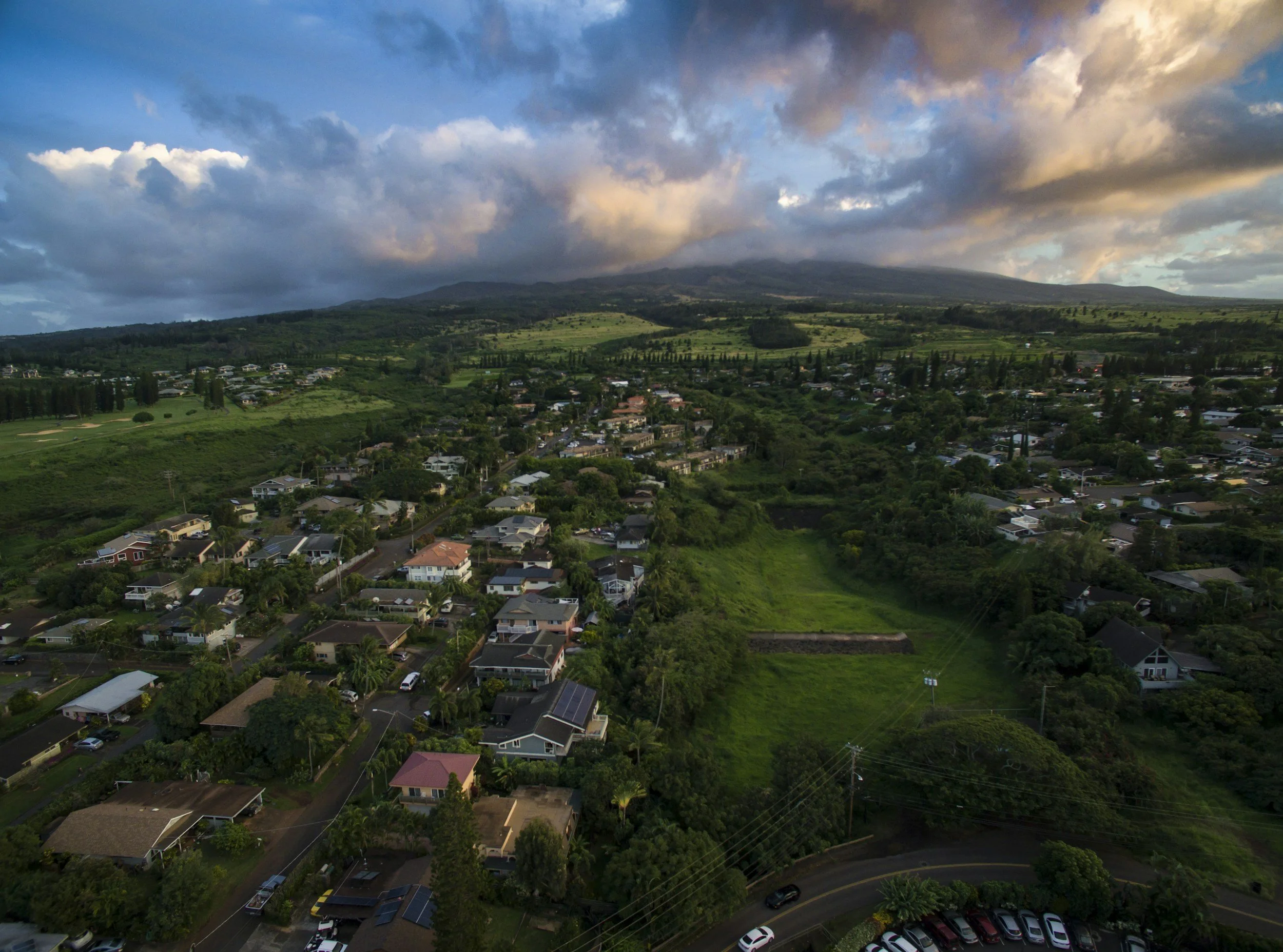
Making Hawaiʻi's housing market work for local residents
Investors are buying up more of Hawaiʻi’s homes than ever before because our current system encourages them to do so—that’s bad for our economy in the long run.

Our tax system increases inequity
Our tax system plays a big role in the widening gap between those who are wealthy and those who are struggling to get by—a gap that is exponentially greater in Black, brown and indigenous communities.
Trump’s tax cuts gave Hawaiʻi’s rich a windfall; recapturing it would help our economy
The Tax Cuts and Jobs Act worsened economic inequality. It’s time to ask the households that benefitted the most from that windfall to contribute more to the common good.
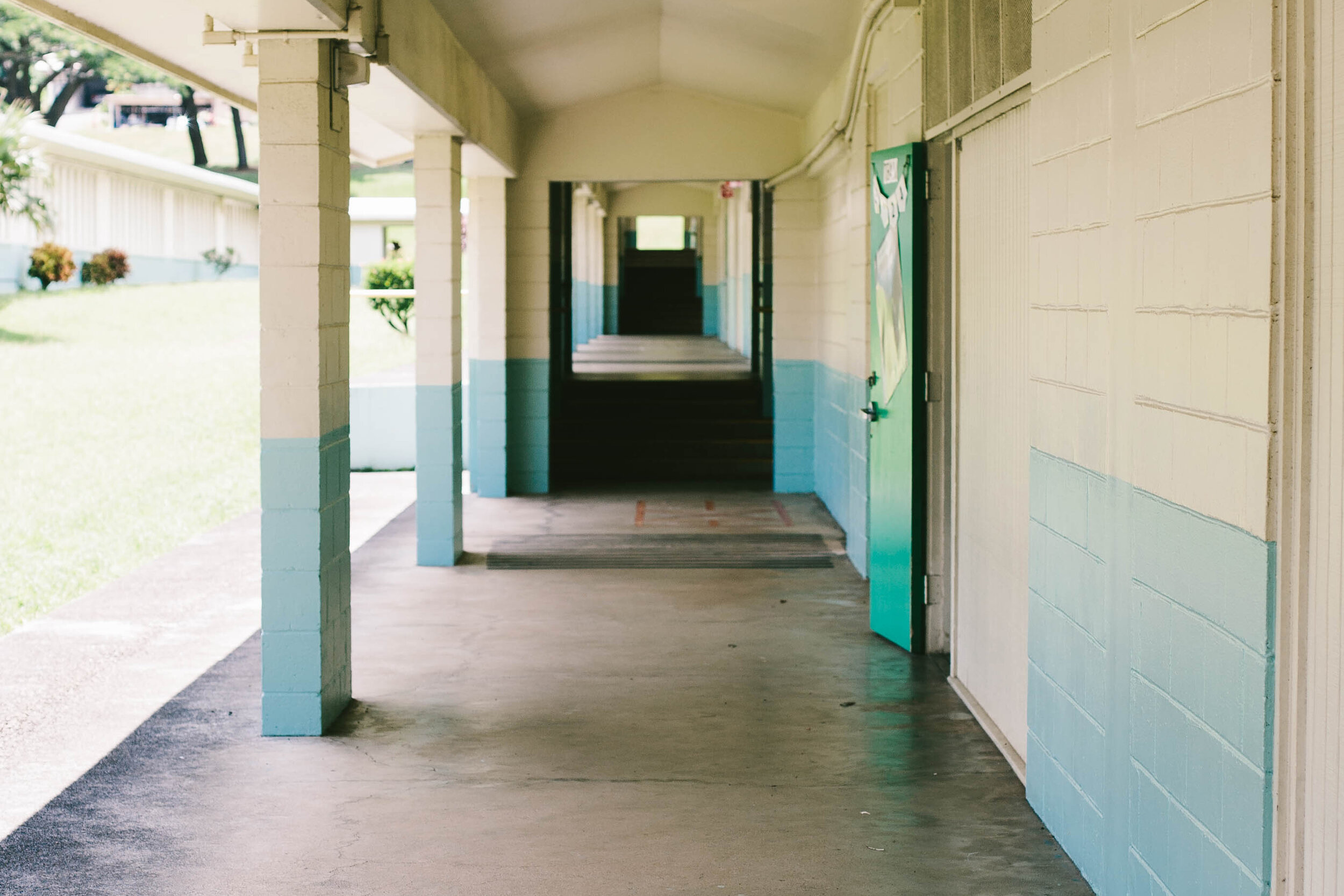
How to plug Hawaiʻi’s budget gap while preserving critical services like education
There’s no doubt that the recession has punched a hole in Hawaiʻi’s state budget, but there are ways to plug the gap without cutting critical services.

The cost of housing, Hawaiʻi’s top expense, has skyrocketed since 1980
Housing costs in Hawaiʻi have grown by far more than any other household cost—an extraordinary 79 percent increase between 1980 and 2018.

Hawaiʻi still needs federal relief funds
Without further federal aid to state and local governments, Hawai'i is projected to lose 23,700 private and public jobs by the end of 2021.

We need a visitor recreation fee to benefit Hawaiʻi
The COVID-19 pandemic has highlighted our dependency on tourism, and the need to create a more sustainable and less exploitative version of the industry.

Counties may need to fill gaps left in state coronavirus response
Some 35,000 additional households could fall into poverty or financial insecurity by the end of the year unless these gaps in state funding are addressed.