Hawaiʻi’s job losses are increasing economic inequity
The state Department of Labor and Industrial Relations (DLIR) reported that in April alone, 20 percent of Hawaiʻi’s jobs disappeared. Tens of thousands of people are anxiously dealing with a lost job and lost income. And there are broader implications for their future and for ours as a state, notably:
Unemployment filings mirror and exacerbate inequities in income and opportunity. The industry where the largest number of jobs were lost is also the one with the lowest average pay. The people who held those largely unskilled jobs will have a greater struggle to find new ones. In the meantime, their unemployment compensation will be less because benefits are based on wages earned.
An extended period out of work is likely to have long-term effects on workers’ economic security. A lost job or cut in hours not only reduces income but limits saving for the future, including retirement contributions by both workers and employers. Many people have had to exhaust their savings and tap retirement nest eggs to make ends meet now.
A hiatus in work means not just an inability to grow earnings but also a loss in seniority and opportunities for advancement.
Long term unemployment can make it hard to return to the workforce at all, much less at the same income and rank.
Residents may increasingly choose out-migration from Hawaiʻi in the face of a slow recovery.
DLIR’s report on unemployment filings records an unprecedented one month of job loss in April. This post takes a closer look at unemployment and the implications for the people described.
Figure 1. Highest & Lowest Average Wages Compared with Job Losses
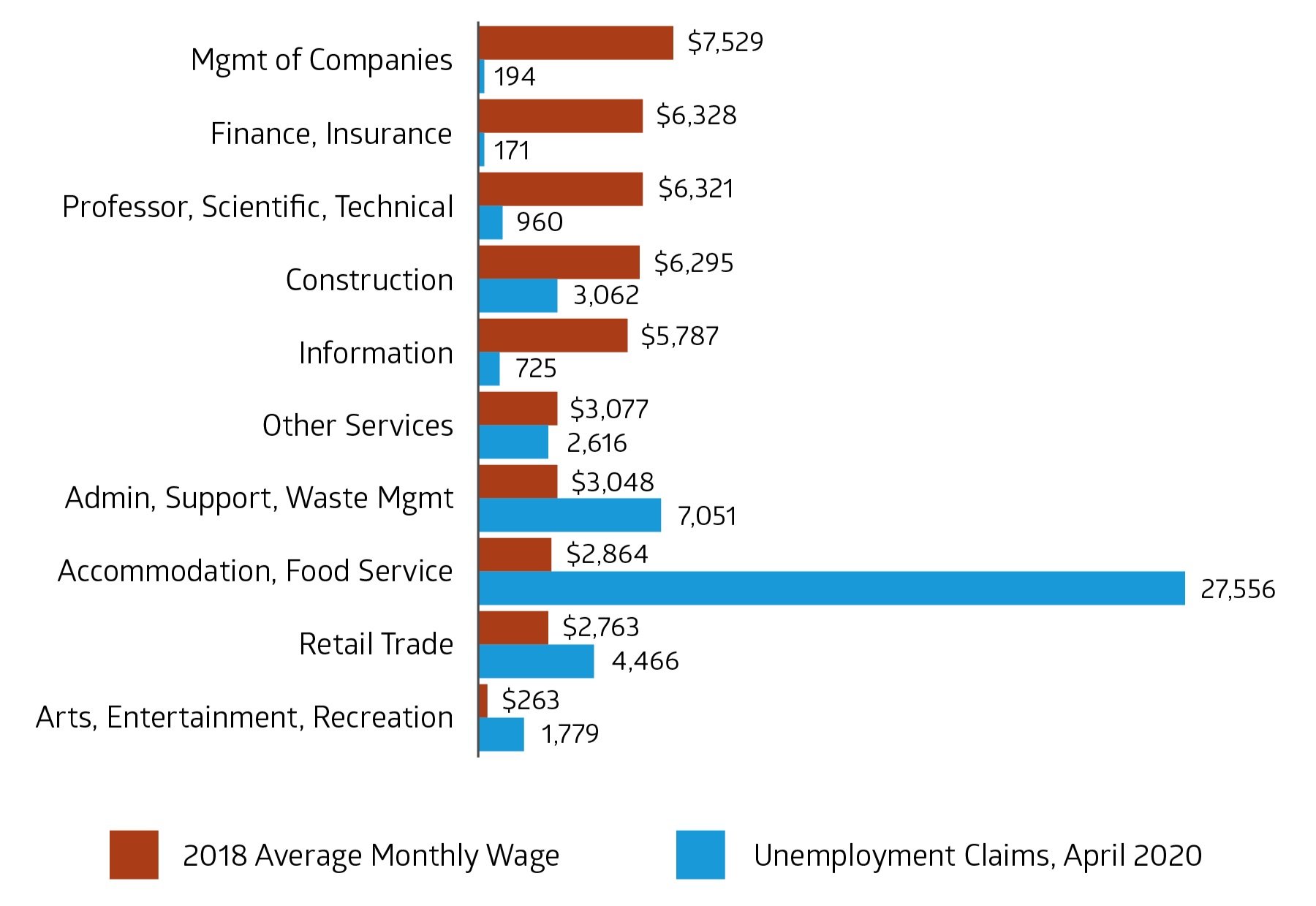
Figure 1. DLIR’s monthly jobs count by industry shows that between March and April “food services and drinking places” lost 59 percent of their positions while “accommodations” lost 54 percent.
Thirteen percent of retail jobs disappeared, but that combines a 28 percent loss of jobs in clothing stores with a 1 percent drop for grocery store staffing.
In the combined category of “health care and social assistance,” ambulatory care lost jobs as people skipped visiting their doctors and social assistance organizations suffered from lost revenues.
It’s worth noting that in April the greatest job loss generally correlated with unskilled jobs offering low wages. The figure here shows job losses for the five highest paid and five lowest paid industries.
Figure 2. Unemployment, Occupation and Education Among Filipino Workers in Hawaiʻi
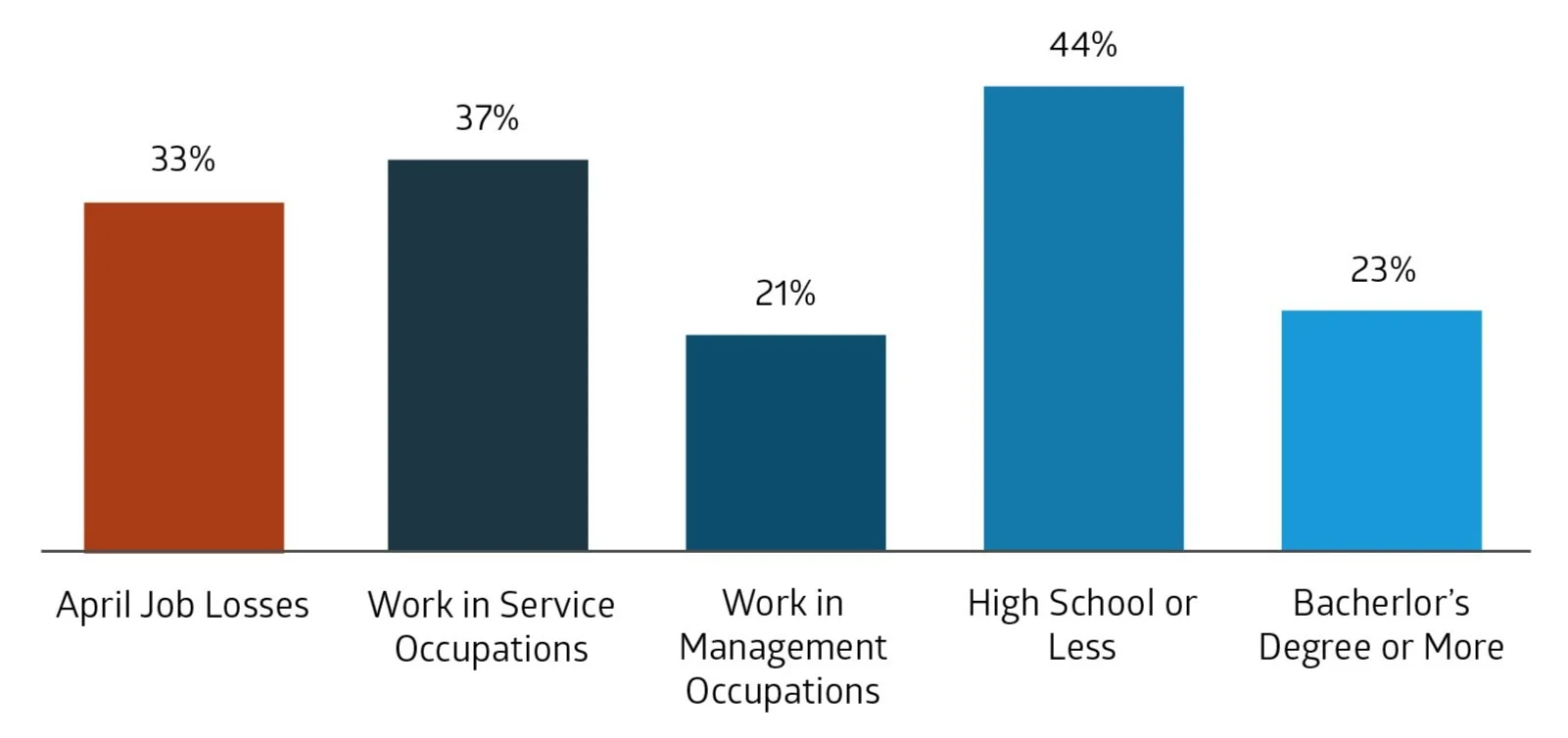
Figure 2. In April, one third of unemployment filers for whom ethnic data is known were Filipinos. In this single month, more than one in 10 Filipino workers lost their jobs. Per capita income for Filipinos was only 86 percent of the state average in 2018, so many of these workers were already struggling to make ends meet.
Census information shows that Filipinos are more likely to work in service industries and have lower levels of educational attainment. This correlates with April job losses in so-called “unskilled” leisure sector jobs.
Figure 3. Average Weekly Earnings for Women and Men, 2018
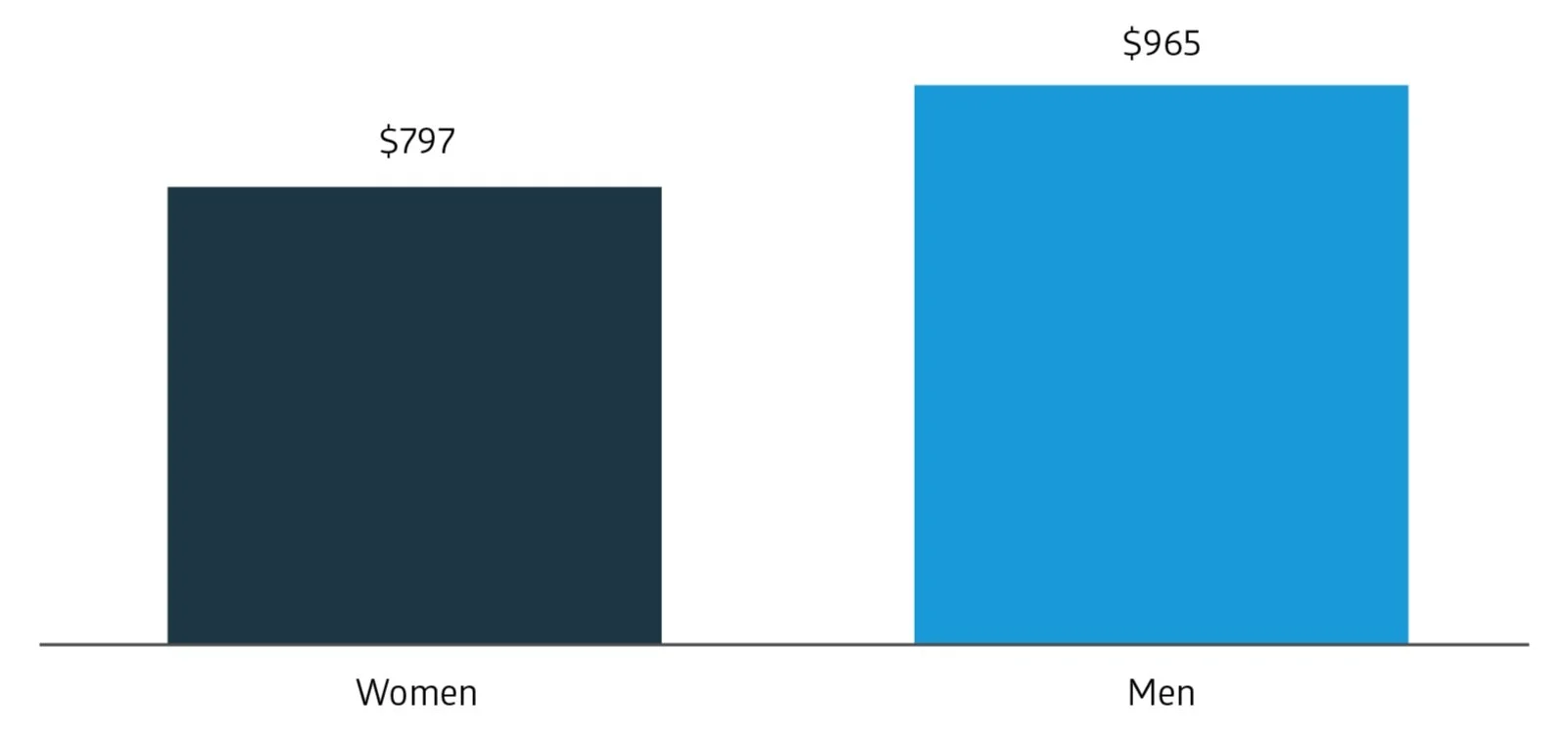
Figure 3. Women, who earn just 82.6 percent of men’s pay, were half as likely to file for unemployment in the first quarter of 2020. That changed in April when 56 percent of all filers were women. The 39,334 women who applied in that one month, represented a full 12 percent of the female workforce.
Despite wage disparities, women are more likely than men to have earned a Bachelor’s degree and to work in management occupations. Their return to the workforce may be delayed in the near future because of childcare responsibilities.
Figure 4. Workforce and Unemployment Filings by Age
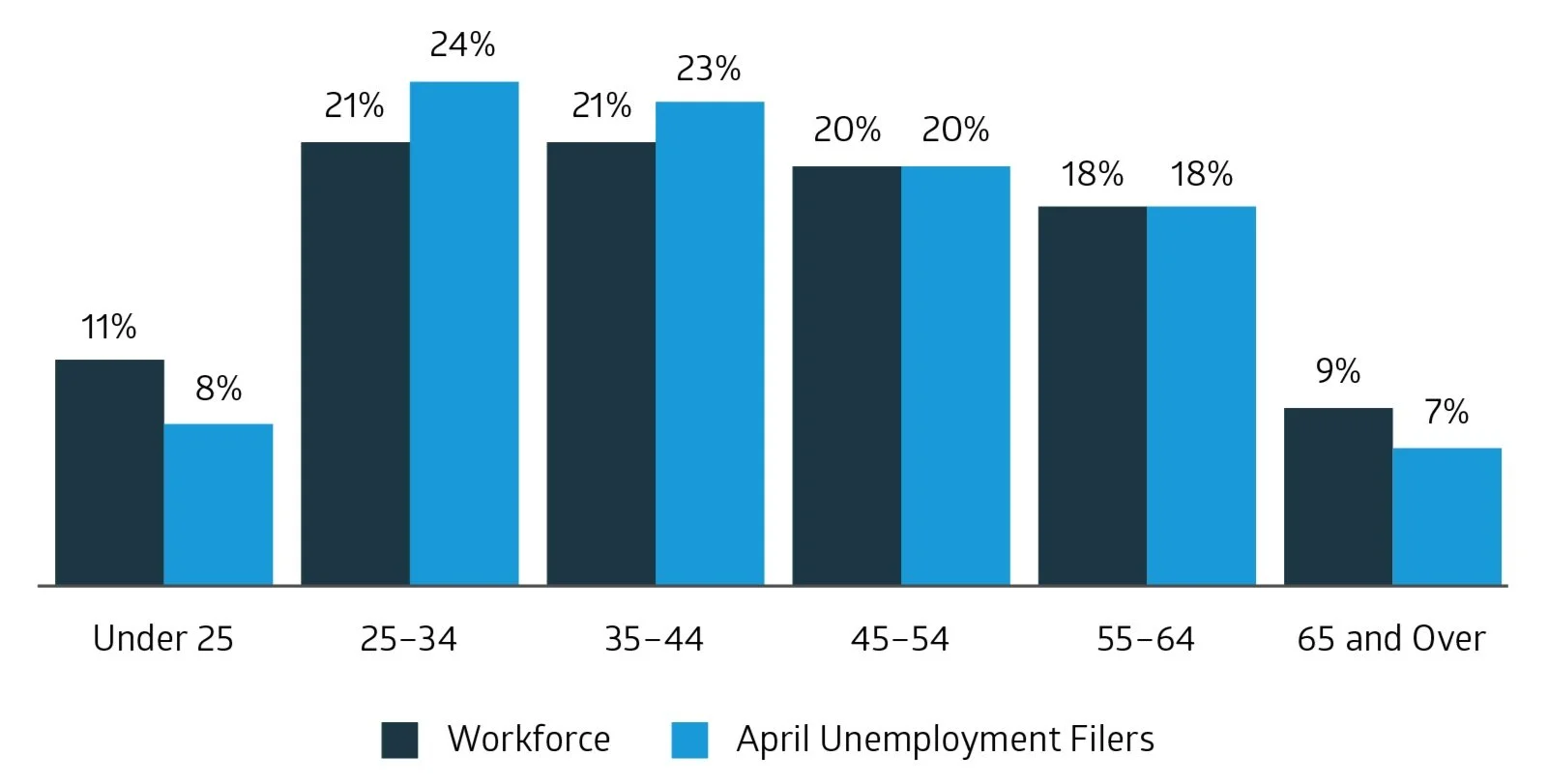
Figure 4. Workers between the ages of 25 and 45 make up 42 percent of the workforce. In the COVID recession, a disproportionately high 47 percent of people in this age cohort filed for unemployment. These workers were more likely to have dependent children. Workers who were younger (under 25) and older (65 and over) filed fewer claims in proportion to their numbers in the workforce.