
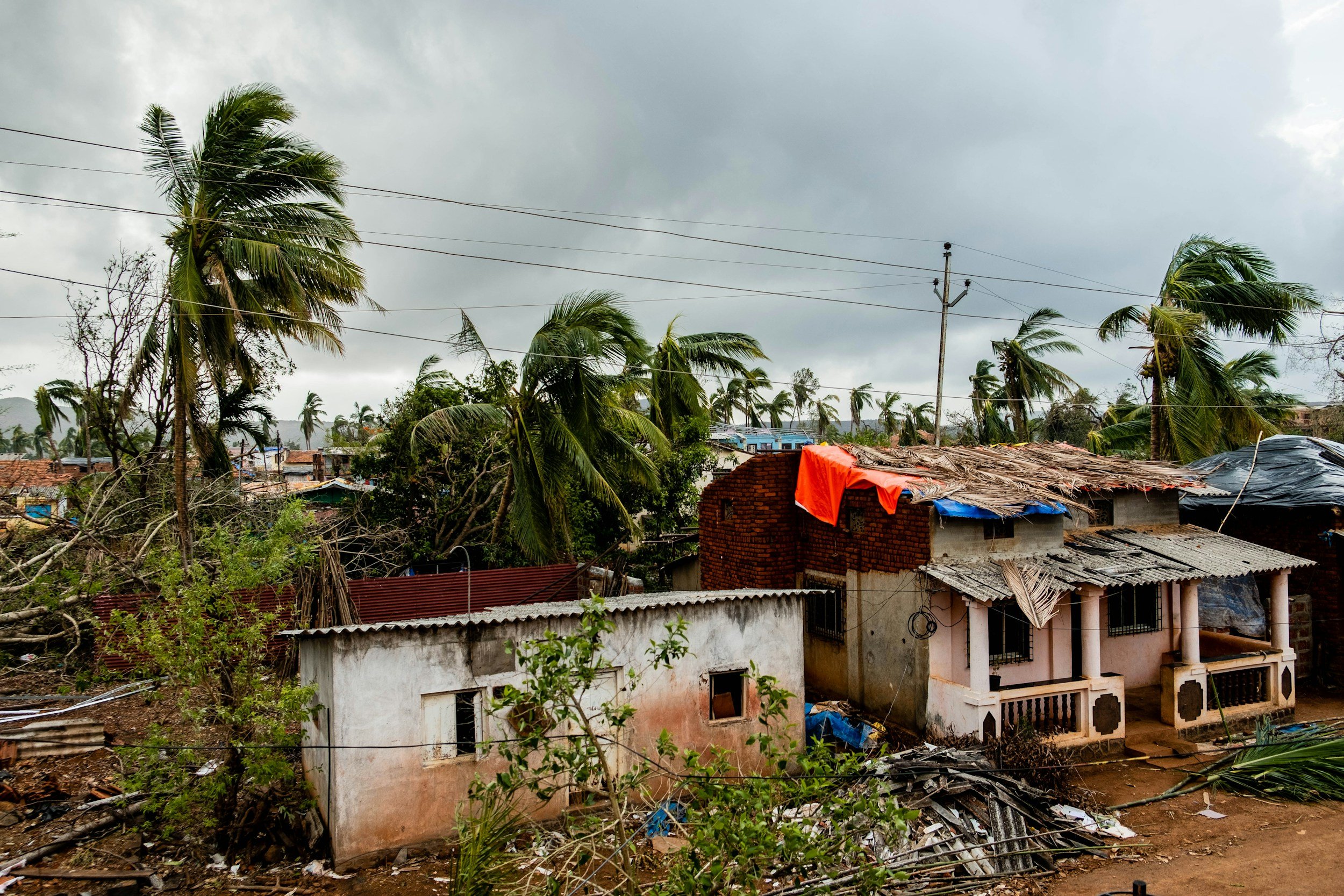
Struggling on the frontline of collapse: Why a living wage is climate justice
A minimum wage increase is not just an economic policy. It is also a climate justice imperative.

Census poverty data for 2023 highlights the importance of government assistance
Promising trends for families across the nation, but many continue to feel the lasting effects of widespread unemployment during the pandemic, a rising cost of living, and inadequate government assistance.
Hawaiʻi is even less affordable after the pandemic
How have jobs, wages and costs changed from before the COVID pandemic compared to after? These charts show changes from 2019 to 2022 that have affected livability for Hawaiʻi residents.
Hawaiʻi can increase housing stability through a rent relief & mediation program
Creating and funding an ongoing rent relief and pre-litigation mediation program will increase housing stability in Hawaiʻi.
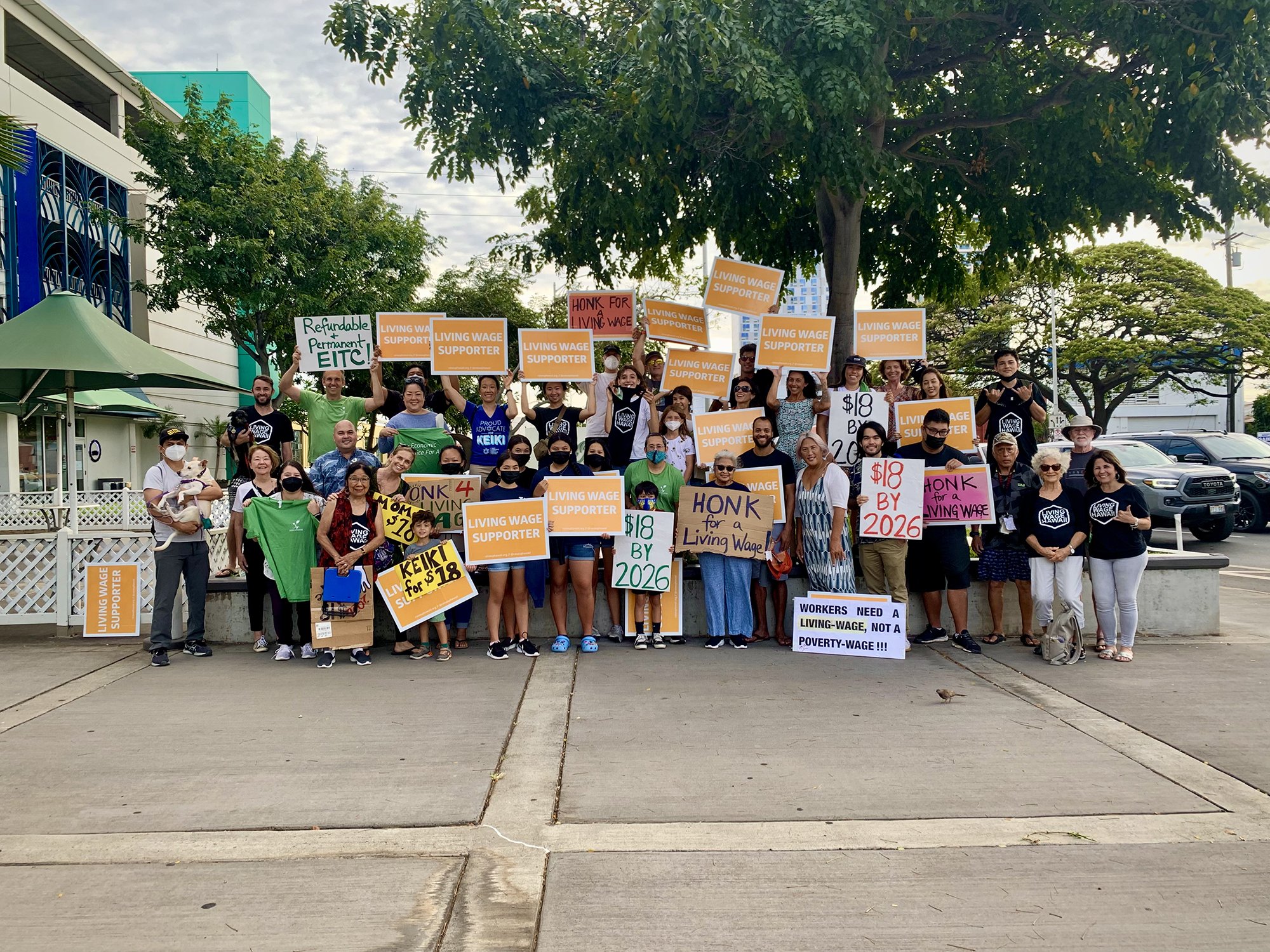
What made the 2022 Hawaiʻi legislative session a win for working families?
After multiple years with little progress on policy to help working families survive Hawaiʻi’s highest-in-the-nation cost of living, several factors came together to deliver a banner year in 2022.

Hawaiʻi should eliminate its tipped sub-minimum wage
Research shows that employers frequently exploit tip credit provisions to pay their employees beneath the legal minimum wage. As a result, tipped workers tend to earn lower, less consistent wages than non-tipped workers, and they are more likely to experience poverty.

Put more money in working people’s pockets and reduce housing costs
This legislative session, Hawaiʻi Appleseed is pushing hard to implement a significant minimum wage increase, expand successful tax credits for low-income families, and lay the groundwork for housing policy that will mean no one in Hawaiʻi is left unsheltered because of poverty.

Federal spending reduced overall poverty last year despite the pandemic-recession
But in Hawaiʻi, tens of thousands of residents below the poverty line still struggled to make ends meet.

A pandemic recession update in charts
Unprecedented job loss, a rise in housing costs, and inflation in food, fuel and consumer goods has made the pandemic recession especially devastating to Hawaiʻi’s working families.

Hawaiʻi can and must do better on gender equity
One area with a glaring and persistent lack of parity is how much we pay for work performed by women compared to that of men.

Appleseed agenda 2021: stop cuts, boost working families and the economy
Hawaiʻi Appleseed’s work during the 2021 legislative session focuses on the areas most critical to preserving the strength and stability of Hawaiʻi people, families and communities.

The cost of housing, Hawaiʻi’s top expense, has skyrocketed since 1980
Housing costs in Hawaiʻi have grown by far more than any other household cost—an extraordinary 79 percent increase between 1980 and 2018.

Bringing support for Hawaiʻi Appleseed’s mission of justice and equity to a virtual space
Hawaiʻi Appleseed’s 10th annual “Artists for Appleseed” fundraiser will be our first to take place in a virtual space.

A better kind of unemployment insurance
Short-Time Compensation allows employees to stay in their jobs at reduced hours, pays more than the state’s current UI does, and ensures that they keep their benefits.

Honolulu minimum wage is lowest among 15 most expensive U.S. cities
While residents of metropolitan areas with high prices also tend to have higher incomes, that’s not the case in Honolulu—and especially not true for minimum wage workers.

Unemployed workers in Hawaiʻi can’t wait for Congress
Hawaiʻi has more than 200,000 unemployed workers and contractors. The state must move now to offer immediate support for these workers and their families.

Hawaiʻi still needs federal relief funds
Without further federal aid to state and local governments, Hawai'i is projected to lose 23,700 private and public jobs by the end of 2021.

Hawaiʻi’s job losses are increasing economic inequity
Because of the way Hawaiʻi’s economy is structured, those who were already struggling to earn enough before COVID-19 are also the most likely to lose a job.
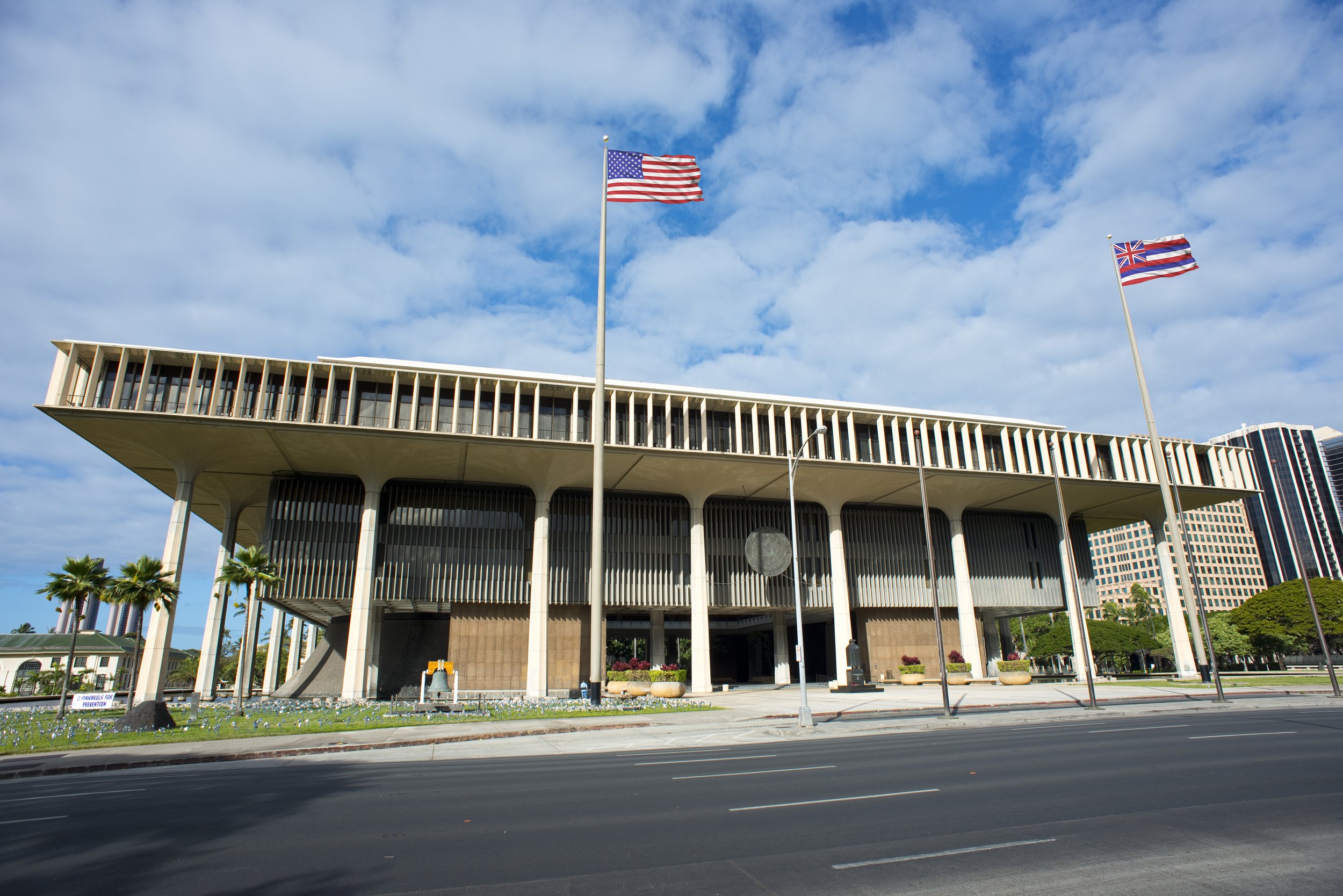
Setting the stage for a crucial June special session
CARES Act funds must be spent by the end of December, and careful decisions need to be made to address critical needs in our community.

High levels of consumer debt add to Hawaiʻi household financial struggles
Hawaiʻi’s high debt load is usually invisible, but that may change soon as households become unable to carry this burden in the COVID-19 economy.