

Moving together: The case for sustainable transportation in Hawaiʻi
The communities most exposed to the climate crisis are often the same communities already navigating the greatest transportation challenges.
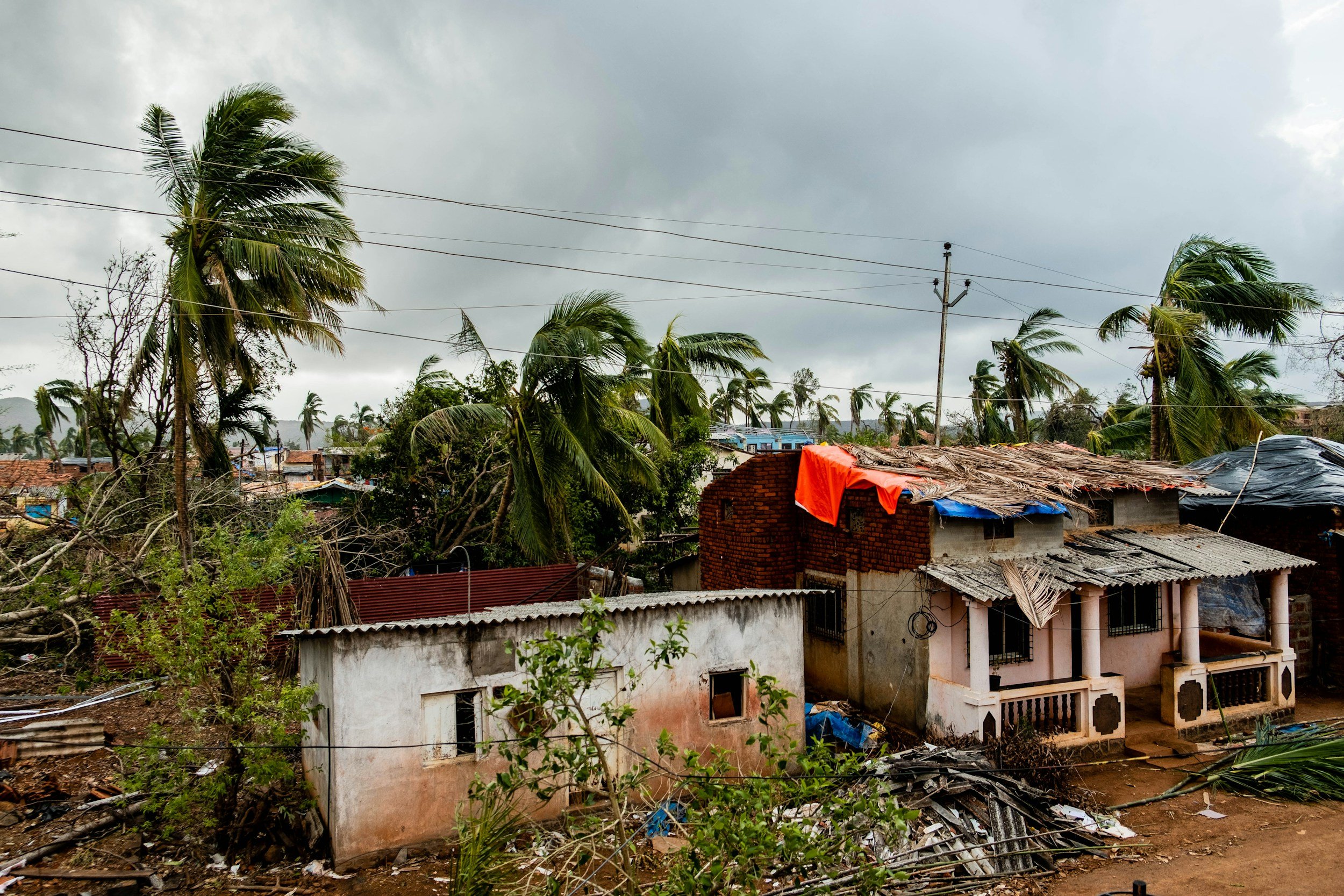
Struggling on the frontline of collapse: Why a living wage is climate justice
A minimum wage increase is not just an economic policy. It is also a climate justice imperative.

Unburden the burdened: Why Hawaiʻi should expand its rental voucher program
Because vouchers target need rather than tenure, they avoid the market distortions that come with rent caps—and don’t create incentives to push tenants out.
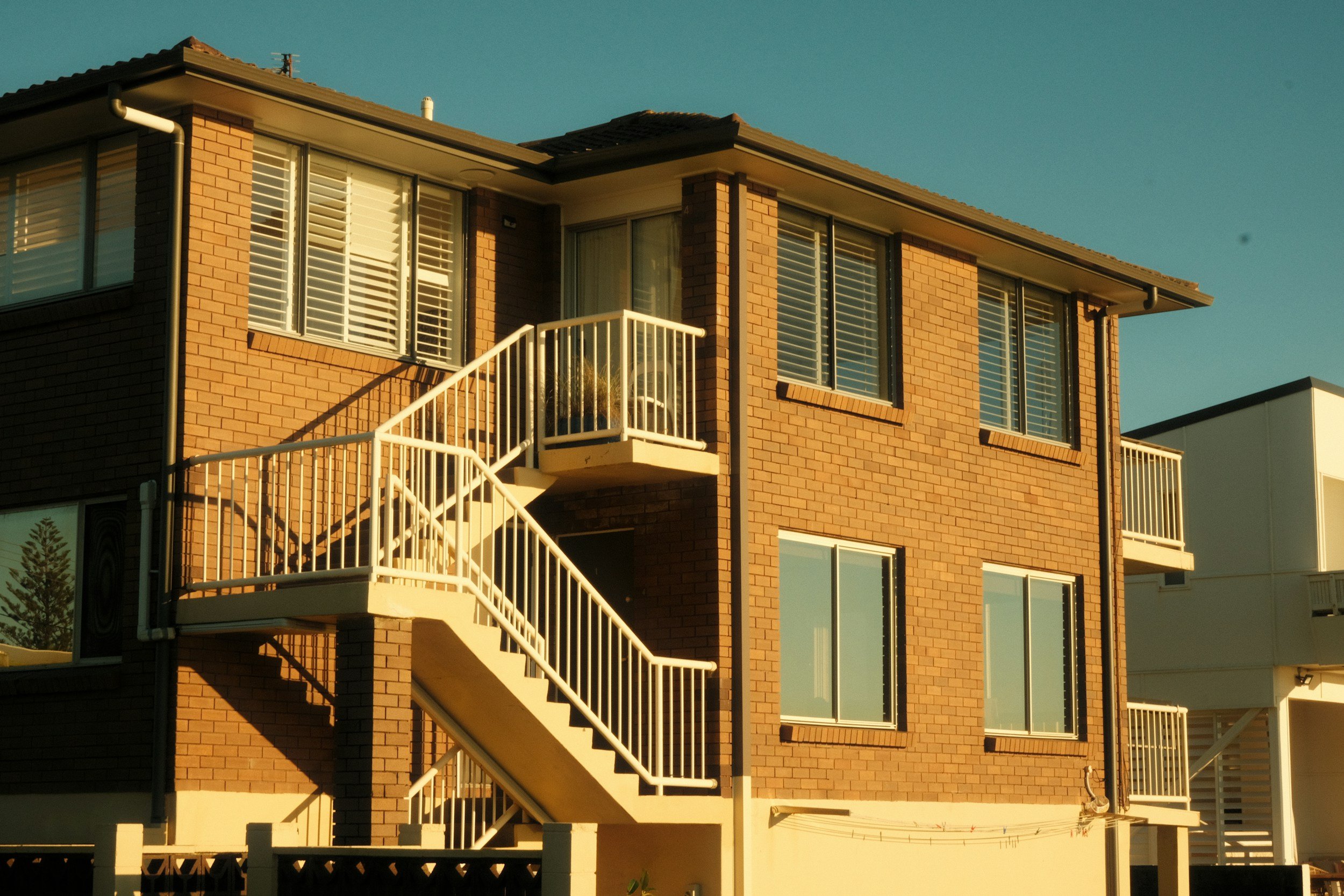
When safety becomes exclusion: The hidden cost of building codes
The code that claims to make buildings safer also quietly makes the densest, most affordable housing types the hardest and most expensive to build.

A turning point for SNAP: Strengthening local supports for Hawaiʻi households
Hawaiʻi has an opportunity to build a more resilient, community-driven food system—one that protects families regardless of federal uncertainty.

A path to more affordable housing: Rethinking county rules
County governments control what gets built through zoning, and through lengthy discretionary approvals. Both levers have historically been used to restrict supply.
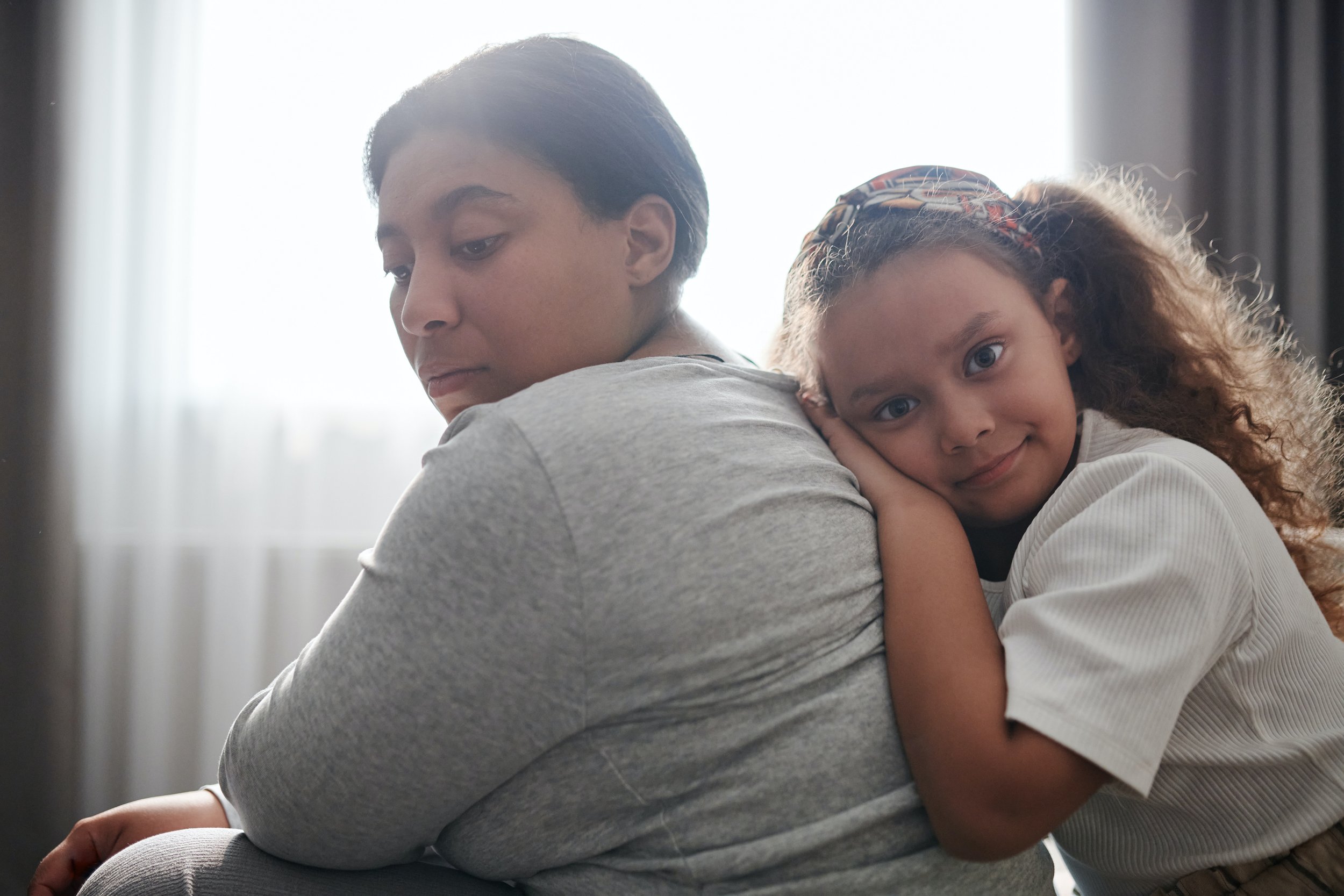
Incoming federal tax cuts will heavily favor Hawaiʻi’s wealthiest residents
The State of Hawaiʻi has an obligation to shore up its revenue through tax policies that make the wealthiest among us pay their fair share.
Transformative housing bills went nowhere this legislative session, but small wins keep hope alive
With federal cuts looming and home prices still climbing, the stakes have never been higher. One thing is clear: Hawaiʻi’s families can’t afford another session of half-measures.

Proposed Trump tax cuts will overwhelmingly benefit the top 1 percent
As millions of Americans file their taxes this April, both the U.S. House and Senate have passed budget resolutions that open the pathway for a massive tax giveaway for the wealthiest people in the country.
Implement strong eviction record sealing processes to protect Hawaiʻi renters
A single eviction filing—even one that doesn't result in actual eviction—can negatively impact renters for years. It's time for lawmakers to take decisive action to protect vulnerable tenants.

Why is SNAP failing Hawaiʻi residents?
It’s time for the state to invest in a more resilient, independent social safety net system that can keep working families going regardless of chaos at the federal level.

Expand the state’s e-bike rebate program to improve mobility options
Now is the time for the state to expand the electric bike and moped rebate program to lower household transportation costs, reduce vehicle costs, and increase resident’s physical activity.

Tax credits are more necessary than ever in 2025
Hawaiʻi’s families need urgent help to deal with the high cost of living. This is especially true for parents, who have to balance the cost of child care, rent, and food every month.
How a second Trump presidency could impact the pocket books of Hawaiʻi’s working families
Outside of the top 5 percent richest households, families will likely see significant tax increases, while the cost of consumer items would spike under proposed tariffs.

Census poverty data for 2023 highlights the importance of government assistance
Promising trends for families across the nation, but many continue to feel the lasting effects of widespread unemployment during the pandemic, a rising cost of living, and inadequate government assistance.

Hawaiʻi is even less affordable after the pandemic
How have jobs, wages and costs changed from before the COVID pandemic compared to after? These charts show changes from 2019 to 2022 that have affected livability for Hawaiʻi residents.
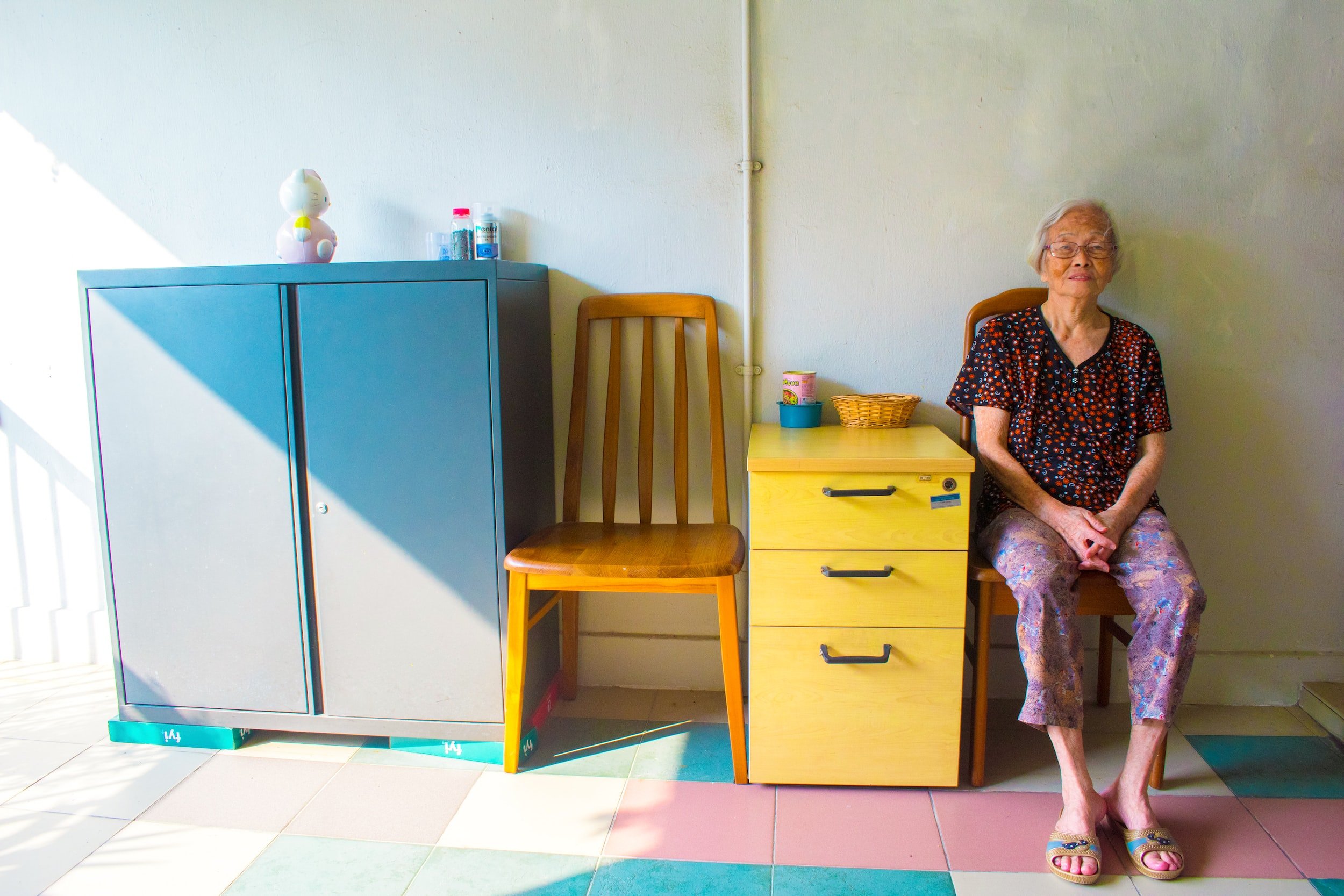
Hawaiʻi can increase housing stability through a rent relief & mediation program
Creating and funding an ongoing rent relief and pre-litigation mediation program will increase housing stability in Hawaiʻi.

Legislative agenda 2023: tax reforms to boost incomes and fund investments in our future
Top of the list of immediate challenges for Hawaiʻi is to find a way to prevent our people from being overwhelmed by the high and rising cost of living in the islands.
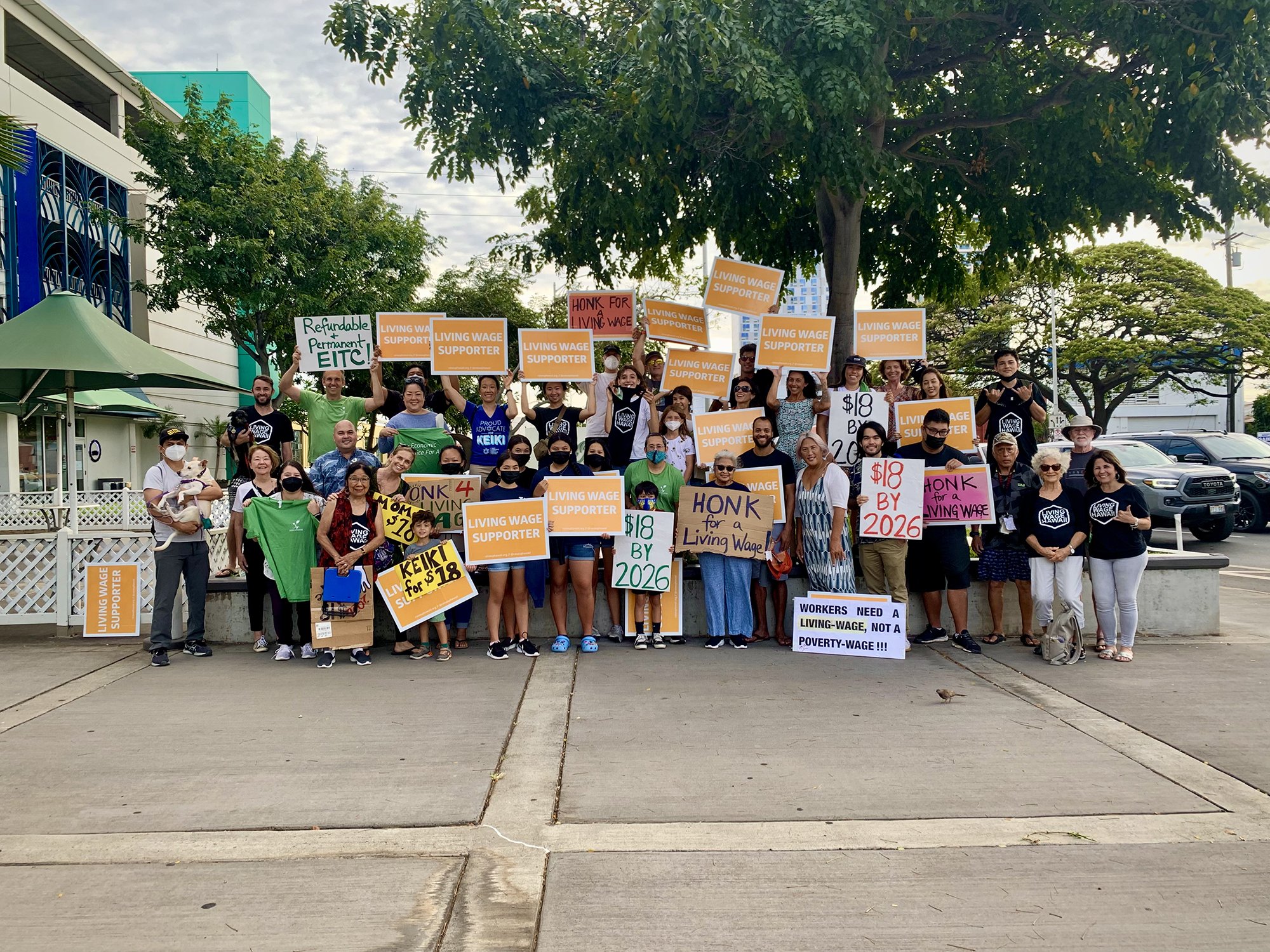
What made the 2022 Hawaiʻi legislative session a win for working families?
After multiple years with little progress on policy to help working families survive Hawaiʻi’s highest-in-the-nation cost of living, several factors came together to deliver a banner year in 2022.

Housing discrimination is holding many of Hawaiʻi’s families back—here’s one way to fix it
One category of individual is still frequently discriminated against when seeking housing: people with housing choice vouchers.