
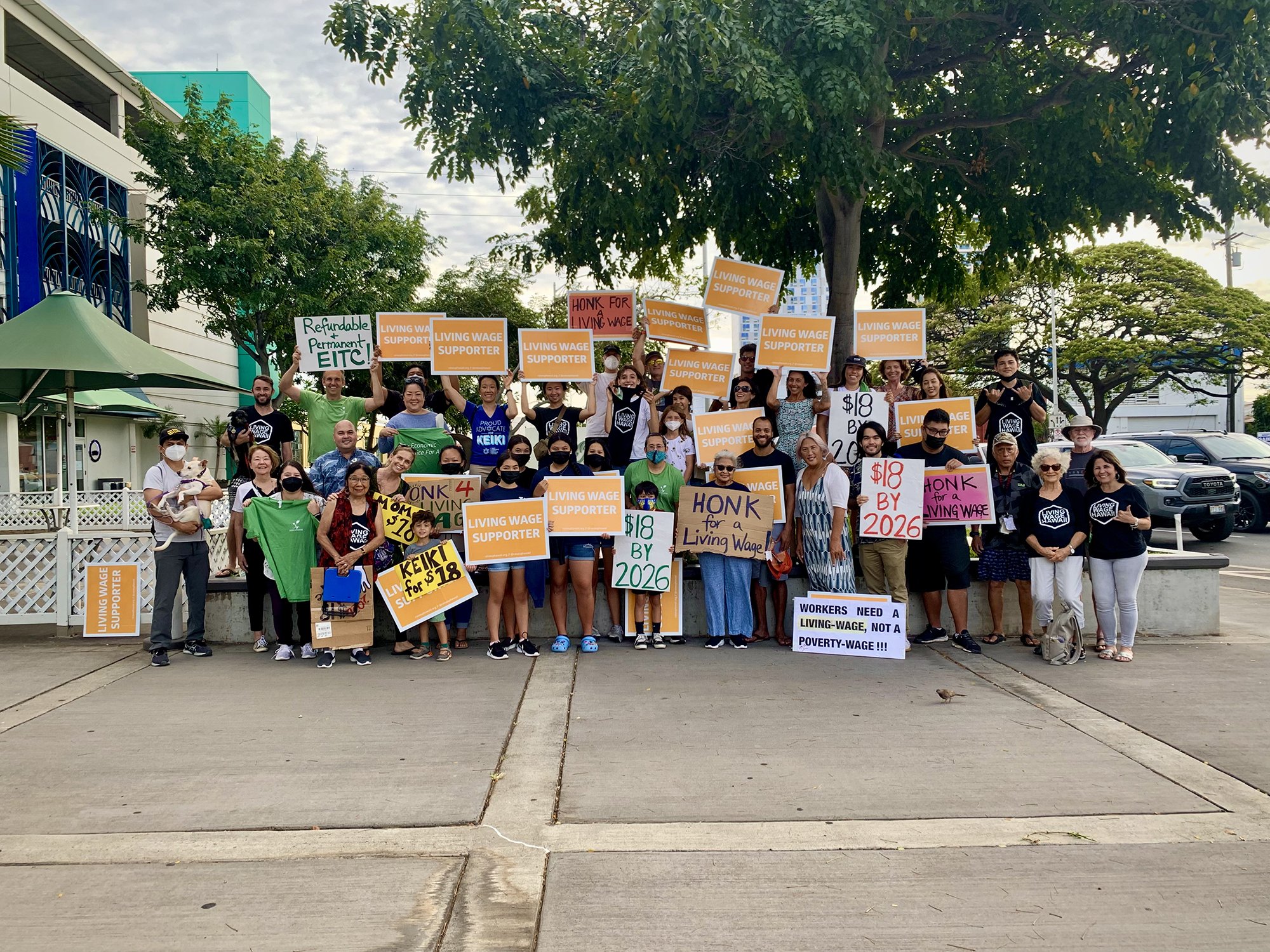
What made the 2022 Hawaiʻi legislative session a win for working families?
After multiple years with little progress on policy to help working families survive Hawaiʻi’s highest-in-the-nation cost of living, several factors came together to deliver a banner year in 2022.

Honolulu County’s eviction mediation program was a resounding success
Act 57’s pre-litigation eviction mediation program shows a promising pathway forward to greater housing security by preventing evictions and keeping families housed.

A pandemic recession update in charts
Unprecedented job loss, a rise in housing costs, and inflation in food, fuel and consumer goods has made the pandemic recession especially devastating to Hawaiʻi’s working families.

A better kind of unemployment insurance
Short-Time Compensation allows employees to stay in their jobs at reduced hours, pays more than the state’s current UI does, and ensures that they keep their benefits.

Unemployed workers in Hawaiʻi can’t wait for Congress
Hawaiʻi has more than 200,000 unemployed workers and contractors. The state must move now to offer immediate support for these workers and their families.

Hawaiʻi’s job losses are increasing economic inequity
Because of the way Hawaiʻi’s economy is structured, those who were already struggling to earn enough before COVID-19 are also the most likely to lose a job.

Allocating $100 million in CARES Act relief to housing support is good state policy
To help more than 100,000 Hawaiʻi residents stay in their homes, $100 million in CARES Act housing support is money well spent.
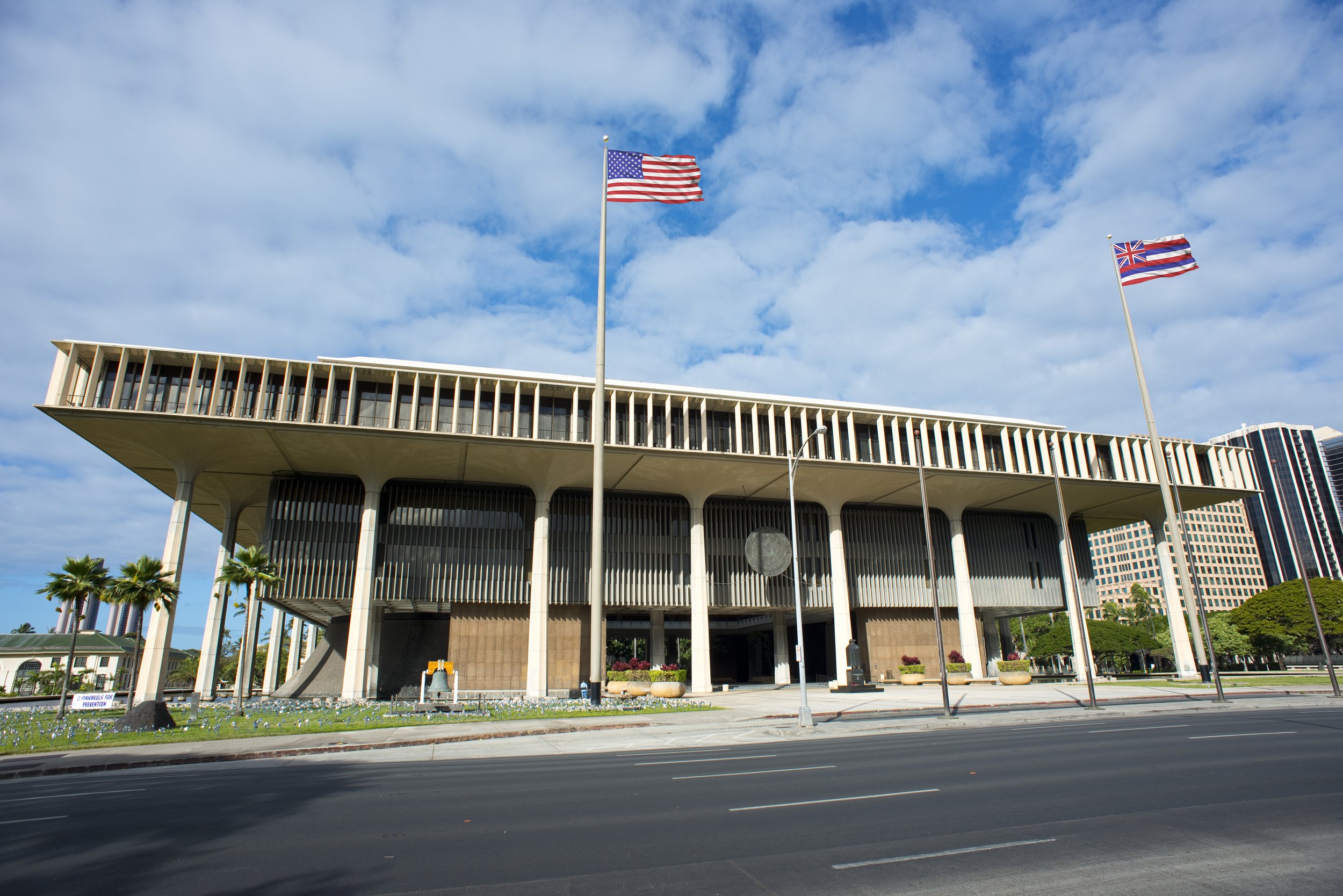
Setting the stage for a crucial June special session
CARES Act funds must be spent by the end of December, and careful decisions need to be made to address critical needs in our community.

High levels of consumer debt add to Hawaiʻi household financial struggles
Hawaiʻi’s high debt load is usually invisible, but that may change soon as households become unable to carry this burden in the COVID-19 economy.