
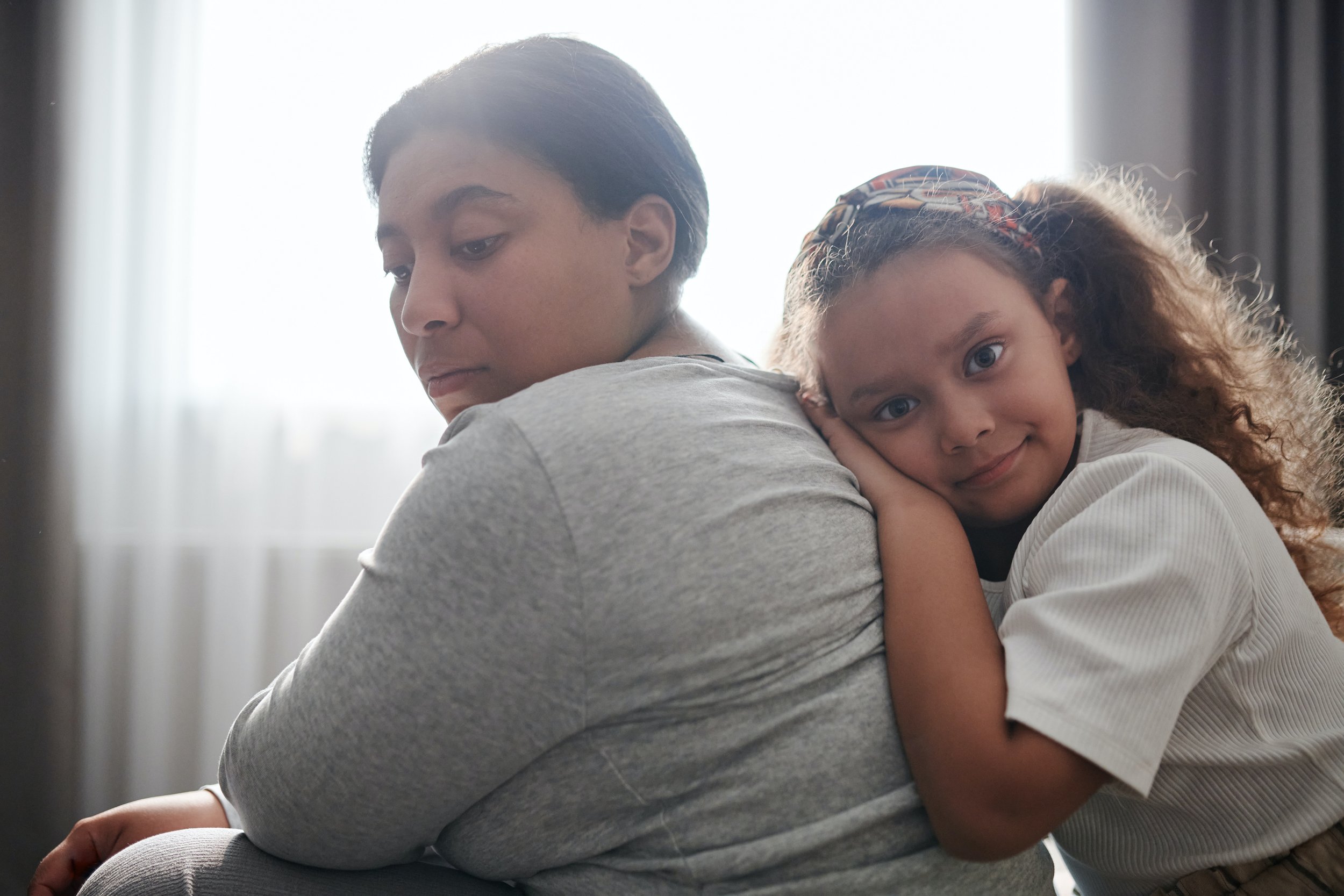
Implement strong eviction record sealing processes to protect Hawaiʻi renters
A single eviction filing—even one that doesn't result in actual eviction—can negatively impact renters for years. It's time for lawmakers to take decisive action to protect vulnerable tenants.
Hawaiʻi is even less affordable after the pandemic
How have jobs, wages and costs changed from before the COVID pandemic compared to after? These charts show changes from 2019 to 2022 that have affected livability for Hawaiʻi residents.

A pandemic recession update in charts
Unprecedented job loss, a rise in housing costs, and inflation in food, fuel and consumer goods has made the pandemic recession especially devastating to Hawaiʻi’s working families.

Highlights from the 2021–2023 Hawaiʻi budget
Critical federal pandemic relief funds will allow the state avoid damaging cuts and maintain its spending levels on investments in the community.

A better kind of unemployment insurance
Short-Time Compensation allows employees to stay in their jobs at reduced hours, pays more than the state’s current UI does, and ensures that they keep their benefits.

Unemployed workers in Hawaiʻi can’t wait for Congress
Hawaiʻi has more than 200,000 unemployed workers and contractors. The state must move now to offer immediate support for these workers and their families.

Hawaiʻi still needs federal relief funds
Without further federal aid to state and local governments, Hawai'i is projected to lose 23,700 private and public jobs by the end of 2021.

Hawaiʻi’s job losses are increasing economic inequity
Because of the way Hawaiʻi’s economy is structured, those who were already struggling to earn enough before COVID-19 are also the most likely to lose a job.

Allocating $100 million in CARES Act relief to housing support is good state policy
To help more than 100,000 Hawaiʻi residents stay in their homes, $100 million in CARES Act housing support is money well spent.
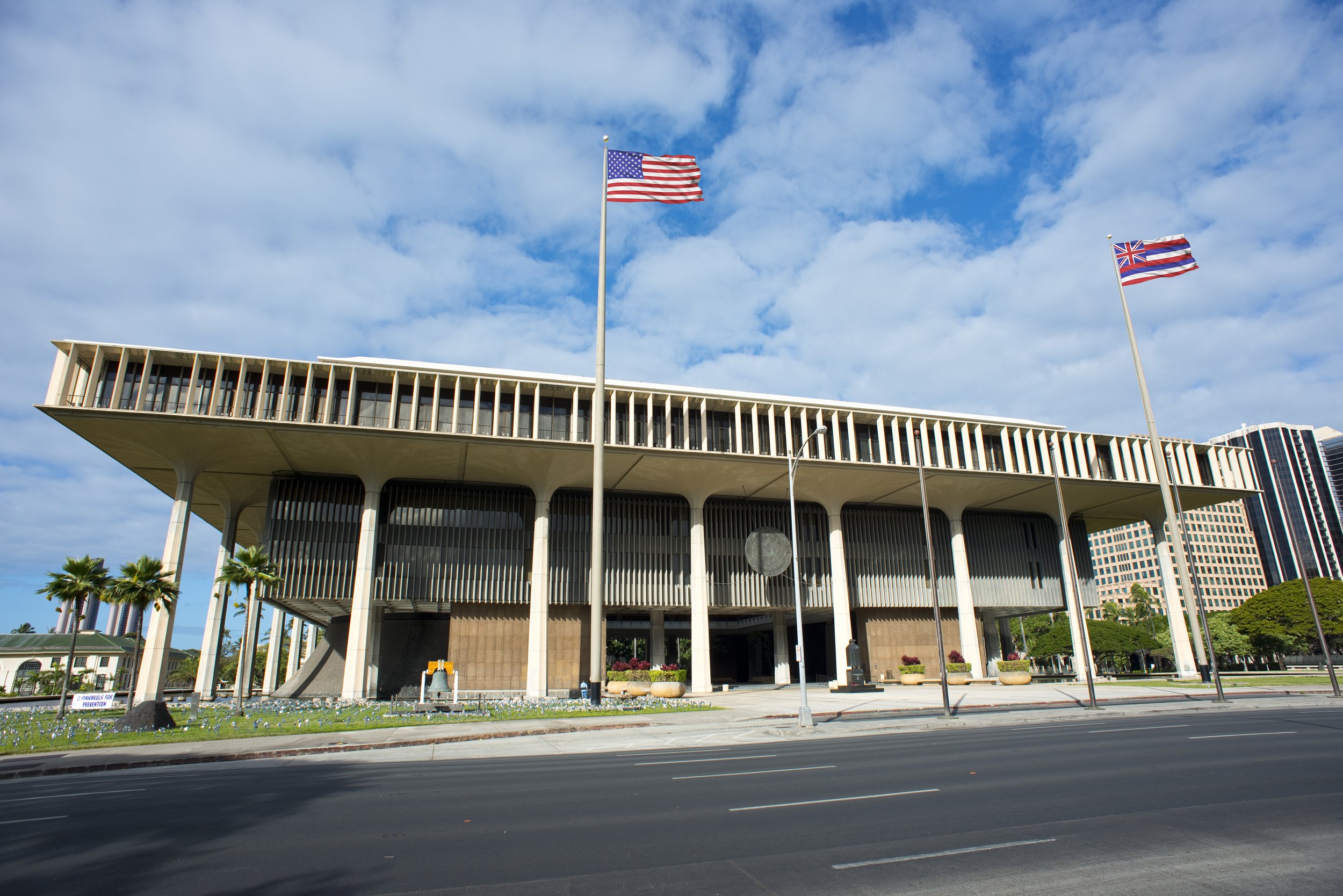
Setting the stage for a crucial June special session
CARES Act funds must be spent by the end of December, and careful decisions need to be made to address critical needs in our community.

Trump’s Public Charge rule could cost Hawaiʻi tens of millions in revenue
The financial cost of the rule change is in addition to the harm done to the health and resilience of immigrant families through the “chilling” effect on benefits-use that has already been documented in Hawaiʻi.

Redefining poverty would throw millions off critical social support programs
A Trump Administration rule change would force millions of Americans off critical programs that help women, children and families meet their basic needs.

How high is too high? We actually know a lot about minimum wage increases
Raising the minimum wage would boost not just the pay of many struggling Hawaiʻi workers and their families; it would also boost the local economy.