Following the money: Where Hawaiʻi’s budget is going over the 2021–2023 Fiscal Biennium
State spending is authorized by the legislature in a variety of appropriations bills. The major budget bills are the ones that fund the branches of government.
The executive branch accounts for 99 percent of state spending. Its budget for the next biennium amounts to $31.2 billion (HB200).
The judiciary branch gets $355.8 million for Fiscal Year (FY) 2022 and FY23, accounting for just 1 percent of spending (HB185).
The legislature’s budget is $41.5 million just for FY22. It makes up 0.24 percent of allocations for FY22 (HB1).
The legislature appropriated $17.4 million to the Office of Hawaiian Affairs (OHA) for the next two years, a mere 0.05 percent of all spending (HB204).
Figure 1. State Operating Budget, Fiscal Year 2022: $15.8 Billion
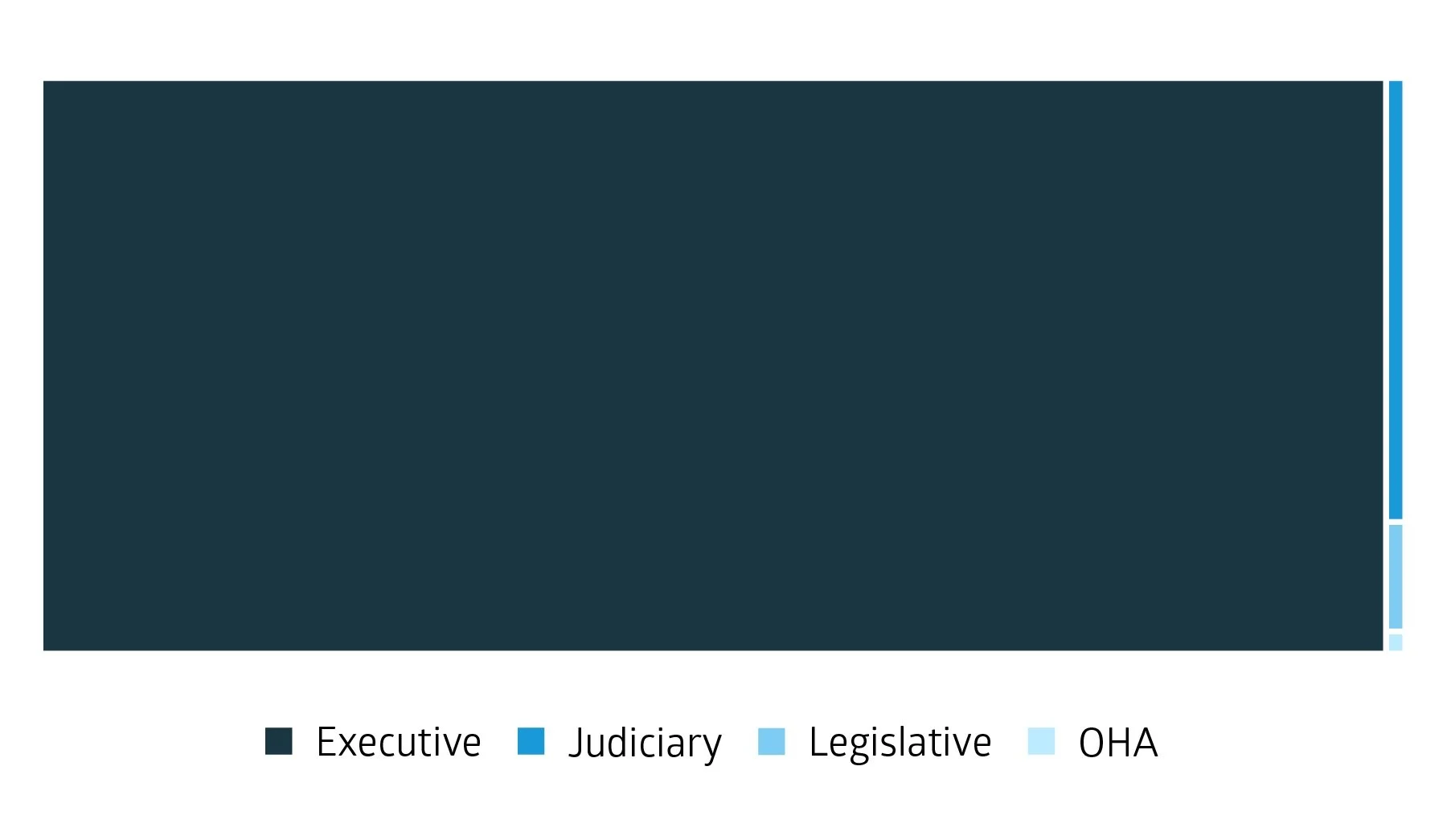
Figure 1. The overall distribution of state spending: Most of the budget goes to the various departments of the executive branch.
Figure 2. Funding by Department in $ Millions, Fiscal Biennium 2021–2023
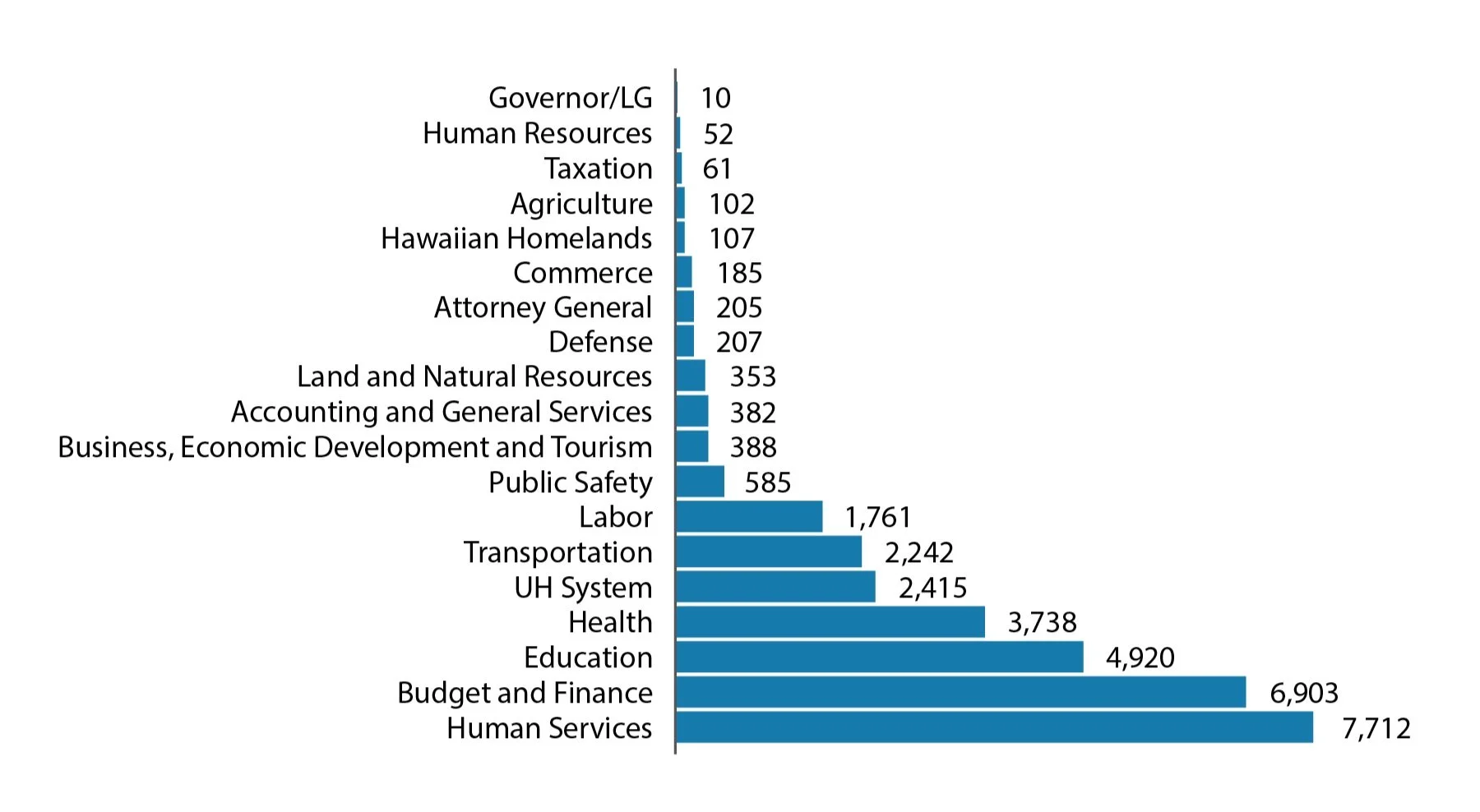
Figure 2 Distribution of funds from HB200 among executive branch departments for the next two years.
In addition to the bills that support ongoing operations for all branches of government, every year the legislature passes additional measures that authorize spending. These extra appropriations cover one-time costs, such as claims against the state, preparing studies, establishing new programs, and funding collective bargaining agreements. Sometimes appropriations bills pay for emergency costs for the current fiscal year that can’t be covered with existing budget allocations.
In most years, appropriations bills add several hundred million dollars to state spending, but the 2021 legislature has allocated more than $2 billion through short-term appropriations measures. Nearly half of them will be funded by either the CARES Act or the American Rescue Plan Act (ARPA), two significant sources of federal coronavirus relief funds. Another odd feature is that 40 percent of the money is for the fiscal year that ends in just a few weeks. Usually, the bulk of appropriations bills pay for expenses planned for the coming fiscal year or two.
Figure 3. Appropriations Spending, Fiscal Biennium 2021–2023

Figure 3. A breakdown of the $2 billion in appropriations spending for the fiscal biennium: 43 percent of all funds were allocated to paying off state debt and topping up the retiree health fund. Another 27 percent will go to the Department of Education, largely to help students get back on track and guarantee school facility safety. Healthcare providers and the Emergency Medical Services (EMS) program will get 23 percent of the funds.
Figure 4. Funds Supporting Appropriations, Fiscal Biennium 2021–2023
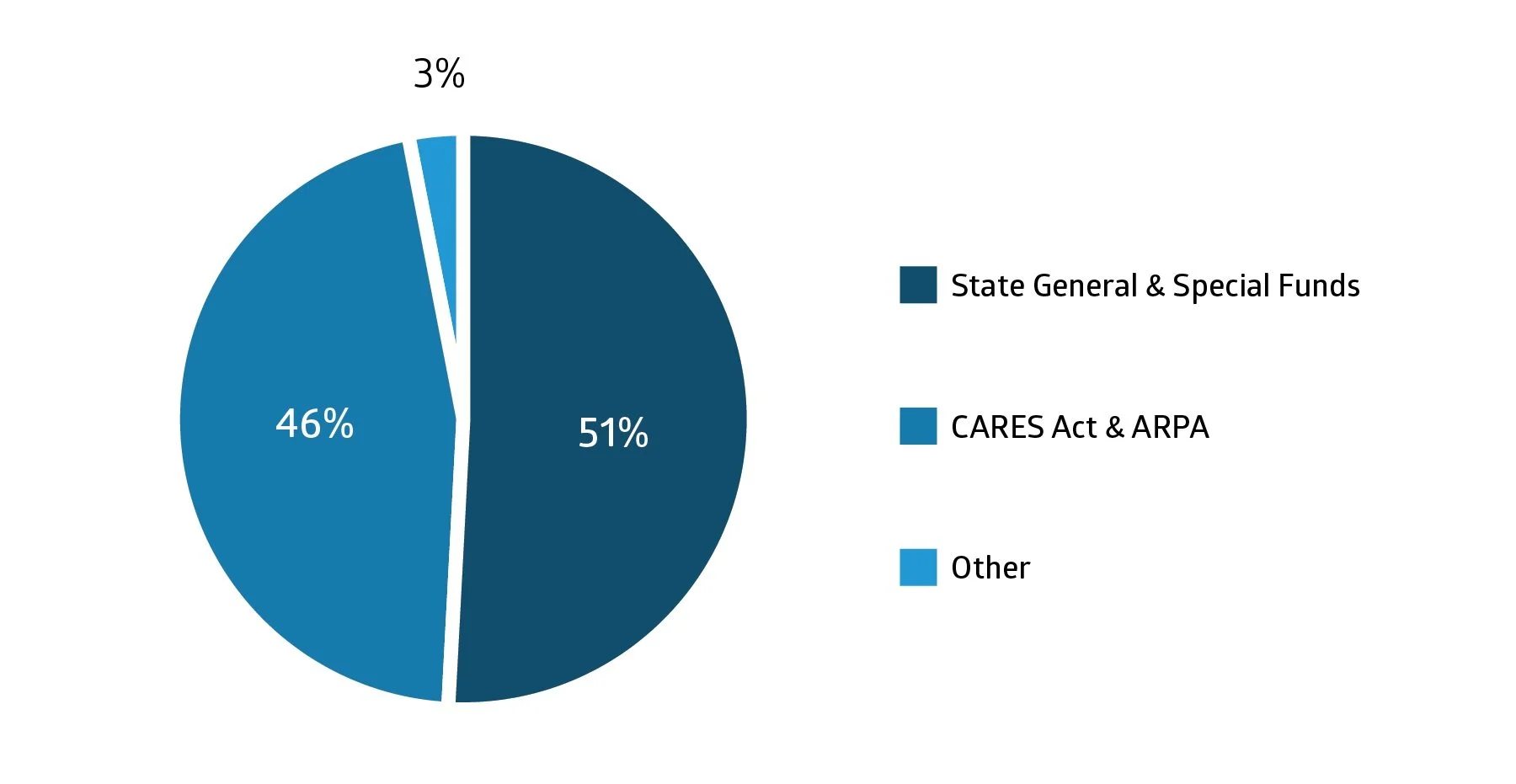
Figure 4. Federal CARES and ARPA funds will support 46 percent of appropriations while state general and special funds will support just over half.
For the fiscal year that ends June 30th, (FY21), $830 million was allocated as follows:
More than three-quarters of the appropriations went for two items. These were both covered by general funds because they were not eligible for federal relief funds. Presumably, federal funds freed-up state dollars and made these payments possible (HB54).
$390 million to deposit in the trust fund to pay public worker retiree health costs.
$250 million to deposit in the rainy day fund.
$98 million to the Department of Education from the federal CARES Act to provide free summer school and help kids catch up (HB613).
$61 million, also from the CARES Act, to purchase and distribute Personal Protective Equipment (PPE) and industrial hygiene products to hospitals, child and elder care facilities, businesses, nonprofits and schools (HB723).
$10 million for preschools and early education from state special funds and recurring federal awards (HB1362).
Other allocations funded by state general or special funds:
$4.78 million went to Emergency Medical Services (EMS) (HB1296; this measure also repealed the Hawaiʻi Tobacco Settlement Special Fund).
$2 million went toward a red light camera pilot (HB766).
$3.2 for general assistance (SB1127; provided via emergency appropriations).
$6 million for prison healthcare and safety (SB1187).
$1.33 million paid out for claims against the state (SB1039).
For next fiscal year (FY22), $895 million was appropriated, as follows:
$454.4 million from ARPA funds to the Department of Education to address learning loss, pay for summer education, and improve the foundation of the education system (HB613).
$120 million for hospital (SB819) and nursing home (HB311) sustainability, funded by special funds.
$84 million from ARPA and $3.5 million from special funds to support the statewide EMS program (HB1281 not only appropriates this money but also moves the City & County of Honolulu toward taking responsibility for its own EMS program).
$79 million from general funds to pay off state debt obligations (HB54).
$60 million from ARPA for the Hawaiʻi Tourism Authority (HB862; this measure also reorganizes tourism and other functions of the Department of Business, Economic Development & Tourism and withholds distribution of the transient accommodations tax, or TAT, to counties while authorizing them to establish their own TAT of up to 3 percent).
$50 million to establish a green infrastructure special fund from the Clean Energy and Energy Efficiency revolving fund (SB932).
$44 million in assorted other programs.
Appropriations for FY23 amounted to $322 million:
$120 million for hospital (SB819) and nursing home (HB311) sustainability, funded by special funds.
$103.8 million to pay off state debt obligations with ARPA funds (HB54).
$47 million from ARPA and $3.5 million from special funds to support the statewide EMS program (HB1281).
$40.6 million from general funds for collective bargaining (HB1297).
$7 million for other purposes.