
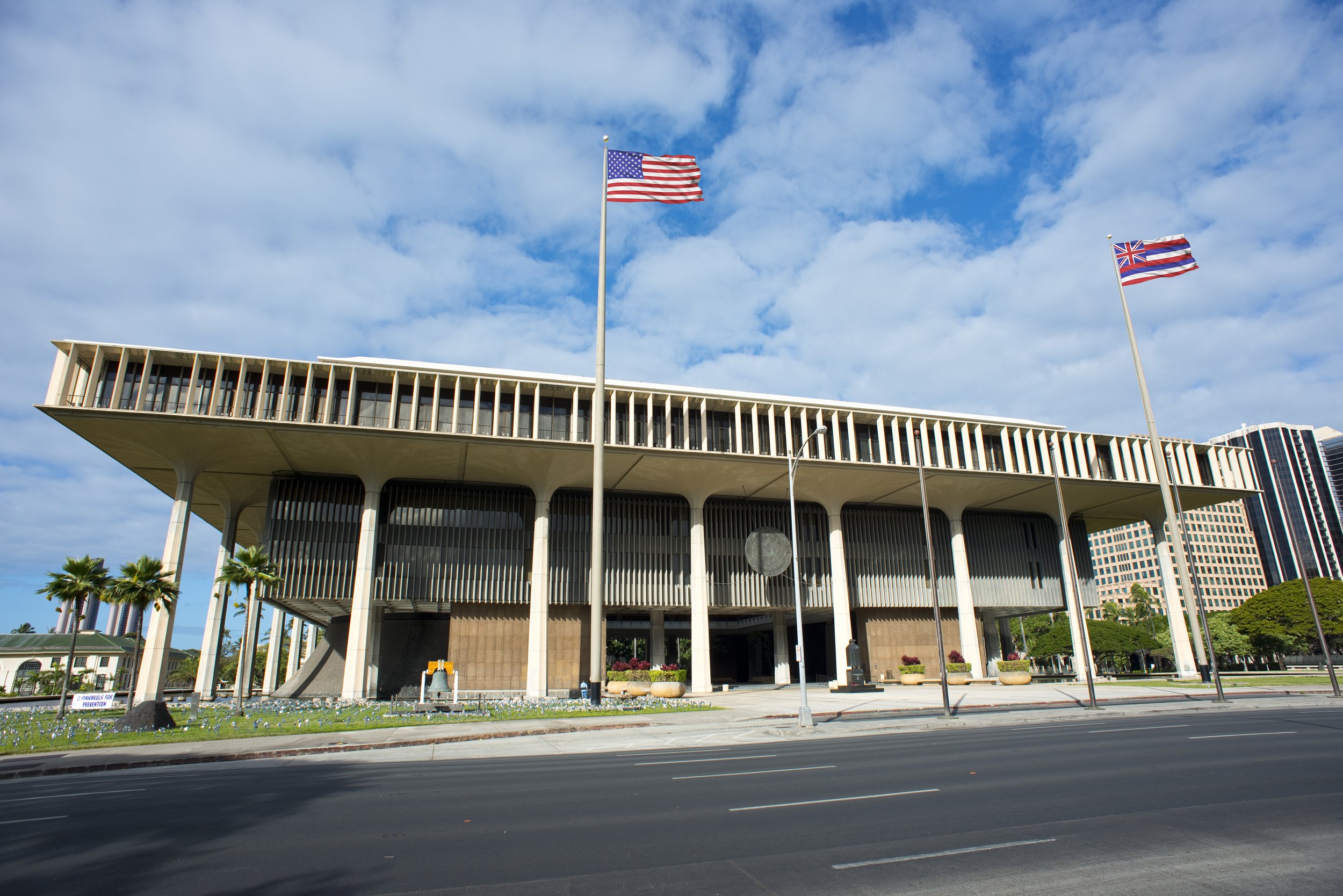
Highlights from House Bill 1800: the state supplemental budget bill
The single most consequential bill of the legislative session. It determines how the State of Hawaiʻi will fund everything from public education and roads to healthcare and affordable housing.

How the state plans to spend its $24 billion FY23 budget
The budget determines how our collective resources will be distributed to pay for programs and investments that support public needs. The funding decisions made in the budget demonstrate where our collective values lie.
The House’s budget proposal for the coming year
Buoyed by increasing tax collections and continued federal relief funds, the state House sent the Senate an amended budget that proposes to increase the executive budget by $1.3 billion.

Fix the conveyance tax reform bill; don’t veto it
Increased economic activity and federal relief funds will only go so far; policymakers need to think about longterm needs for our communities and how we’ll get the resources to pay for them.
Following the money: Where Hawaiʻi’s budget is going over the 2021–2023 Fiscal Biennium
A breakdown of state spending over the next two years, authorized by the legislature through a variety of appropriations bills.

Highlights from the 2021–2023 Hawaiʻi budget
Critical federal pandemic relief funds will allow the state avoid damaging cuts and maintain its spending levels on investments in the community.

Hidden data: the untold story of Native Hawaiian children in foster care
Because data influences government investments of tax revenue, data disaggregation provides a voice to the voiceless and representation to the disenfranchised.
How to plug Hawaiʻi’s budget gap while preserving critical services like education
There’s no doubt that the recession has punched a hole in Hawaiʻi’s state budget, but there are ways to plug the gap without cutting critical services.
Setting the stage for a crucial June special session
CARES Act funds must be spent by the end of December, and careful decisions need to be made to address critical needs in our community.

Trump’s Public Charge rule could cost Hawaiʻi tens of millions in revenue
The financial cost of the rule change is in addition to the harm done to the health and resilience of immigrant families through the “chilling” effect on benefits-use that has already been documented in Hawaiʻi.
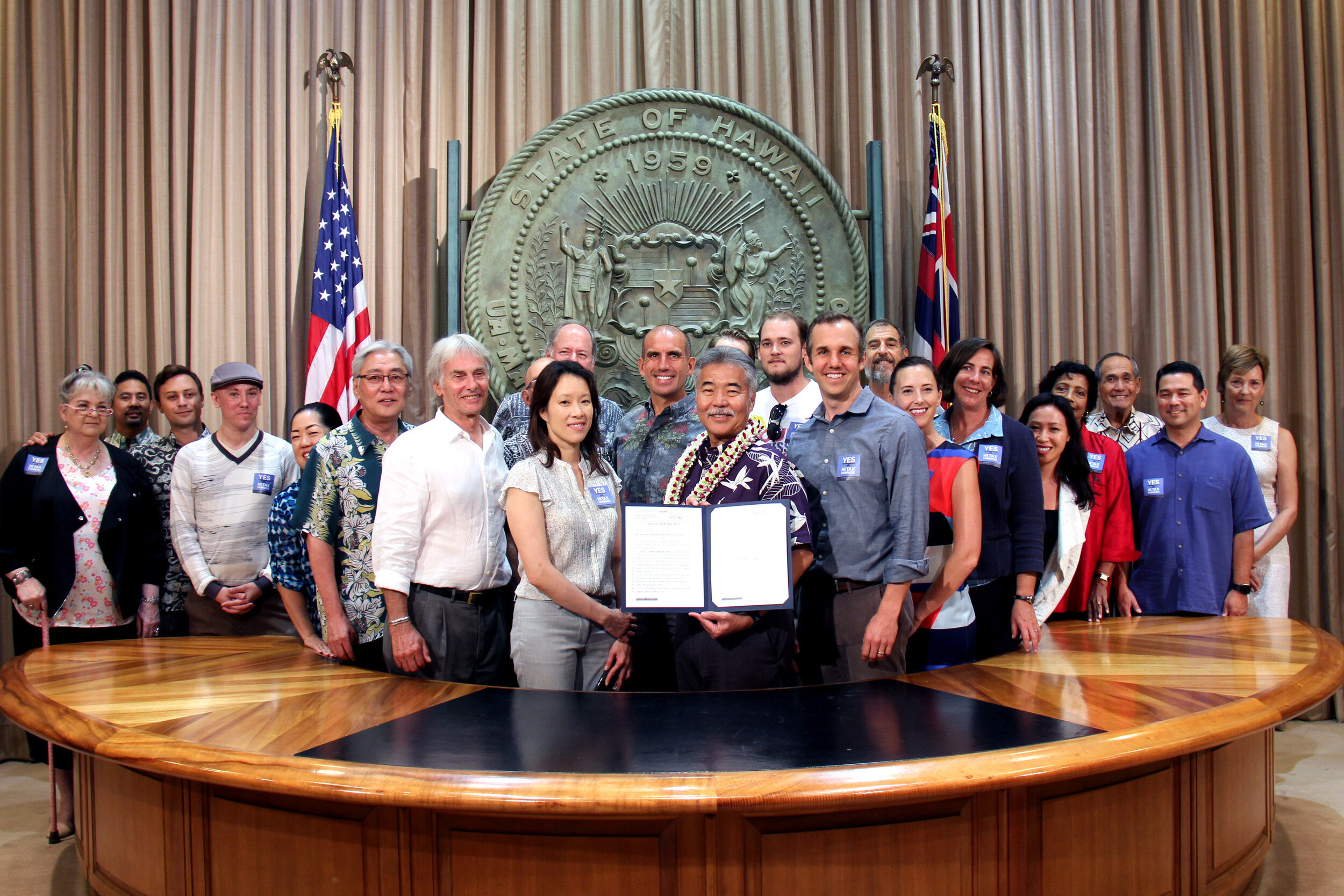
Governor Ige signs HB209, a win for working families and children
With this new law, Hawaiʻi joins 28 other states and Washington D.C. in offering a state-level EITC to help working families keep more of their earnings.

A win for Hawaiʻi’s foster families
The state human services department has agreed to increase the amount that should be paid to cover the expense of caring for children in foster care.