
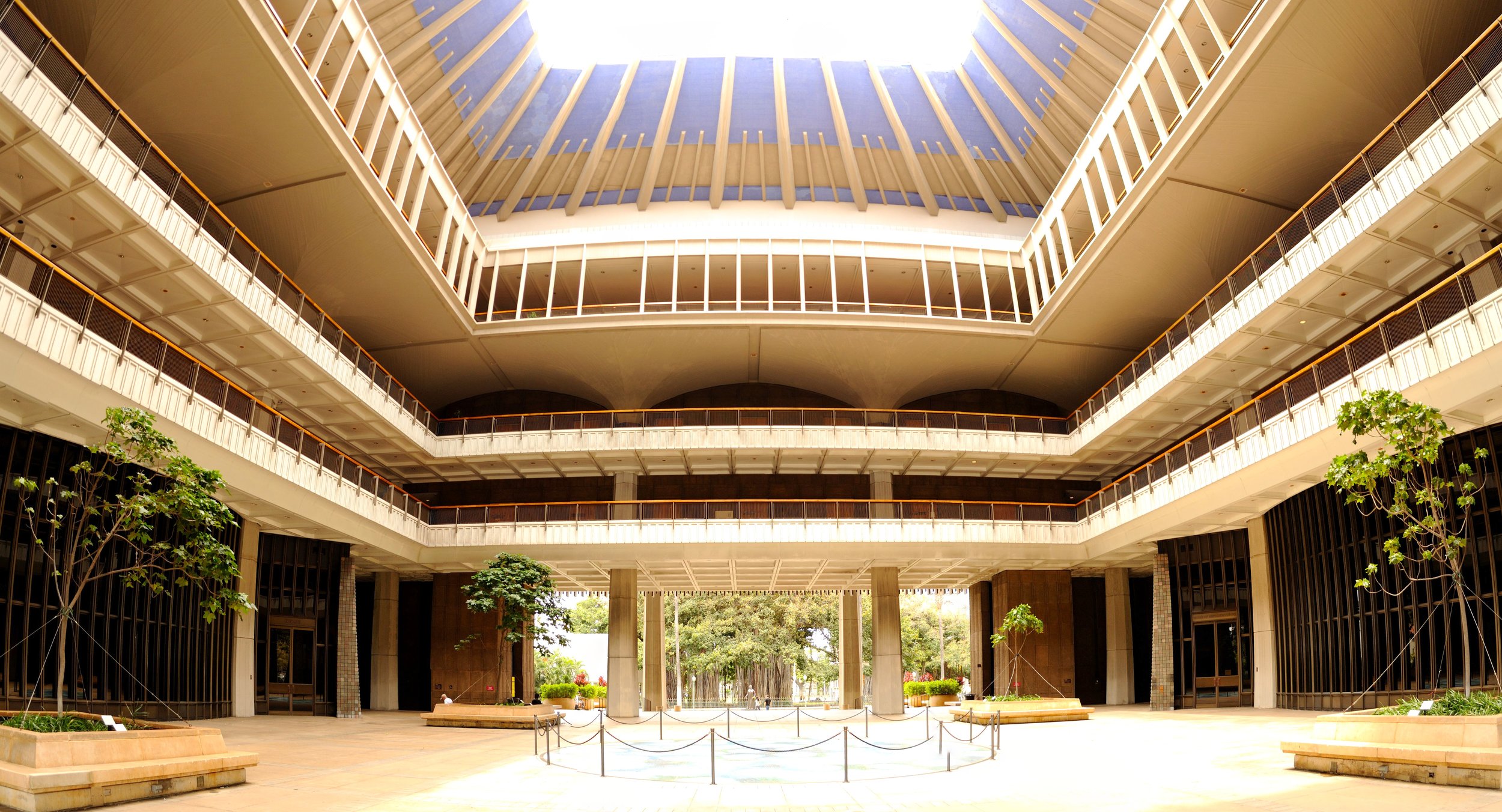
Under pressure: Hawaiʻi’s budget troubles demand action
The state is confronting a growing list of challenges that could throw our budget—and the programs and services within it—into disarray. Now more than ever, we need to preserve funding for Hawaiʻi’s working families.

Progress on the plate: Food access wins from this session—and the work still ahead
During the 2026 legislative session, the state legislature could not ignore the growing pressures that Hawaiʻi families face when trying to access and afford food.

Safe streets for all: Why Hawaiʻi can’t wait another year for pedestrian safety progress
Hawaiʻi’s pedestrians are in crisis. Fatalities are rising, our most dangerous intersections remain unfixed, and the people most affected continue to bear the heaviest burden.

Summer streets pilot, e-bike rules headline Hawaiʻi’s modest transportation wins
Progress on transportation equity comes in layers—a pilot program here, a clear legal definition there, a coalition that grows a little stronger each session.
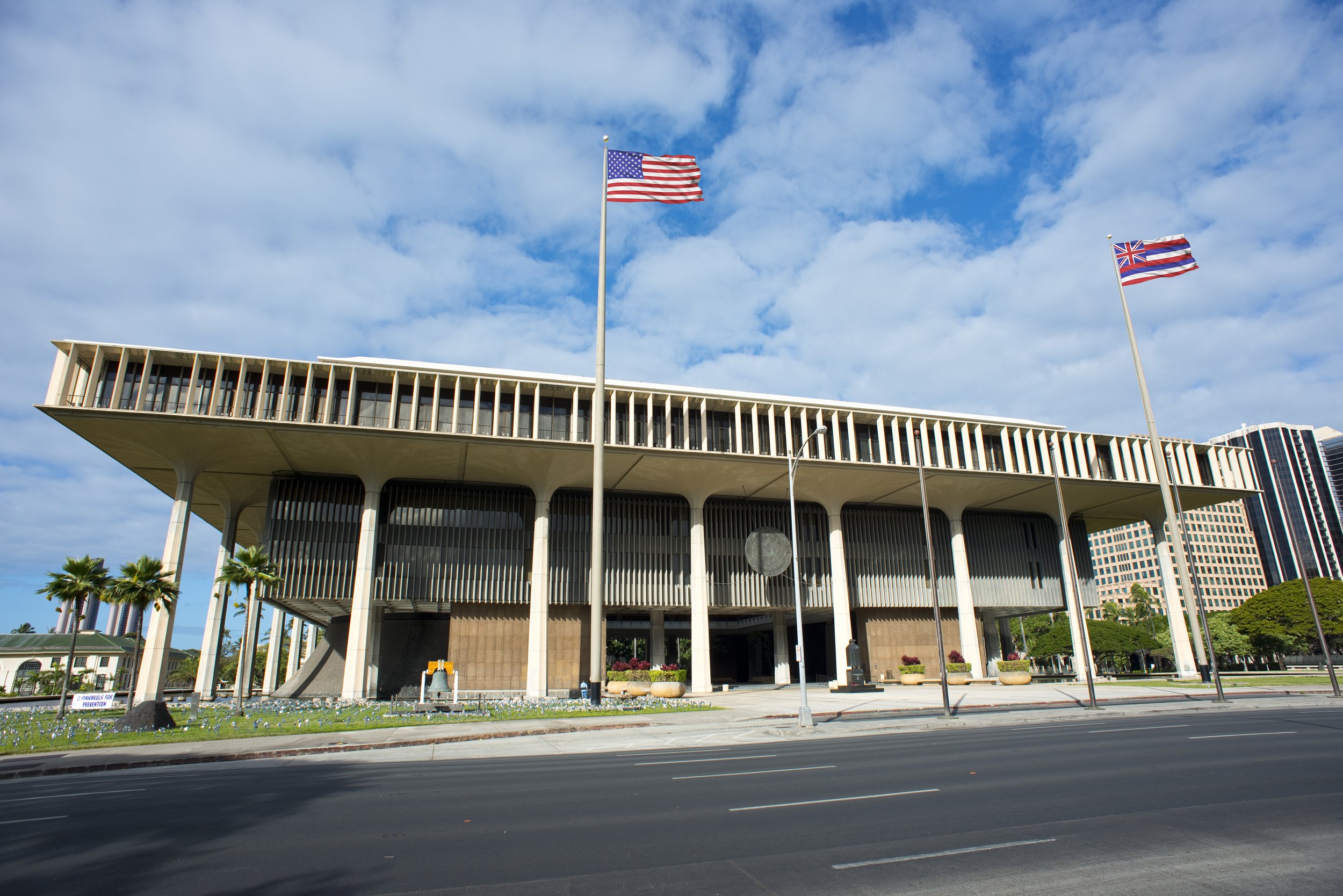
Highlights from House Bill 1800: the state supplemental budget bill
The single most consequential bill of the legislative session. It determines how the State of Hawaiʻi will fund everything from public education and roads to healthcare and affordable housing.

Keiki Ride Free: Building a more connected Hawaiʻi
By removing financial barriers to public transit, Hawaiʻi can empower young people to participate fully in their communities, while easing family costs and supporting climate goals.
Transformative change meets budget realities—a central lawmaking tension plays out in two new reports
Policy in Perspective 2025 and the Hawaiʻi Budget Primer FY2025–26 provide a compelling—and sometimes sobering—look at how Hawaiʻi invests, and often under-invests, in its communities.
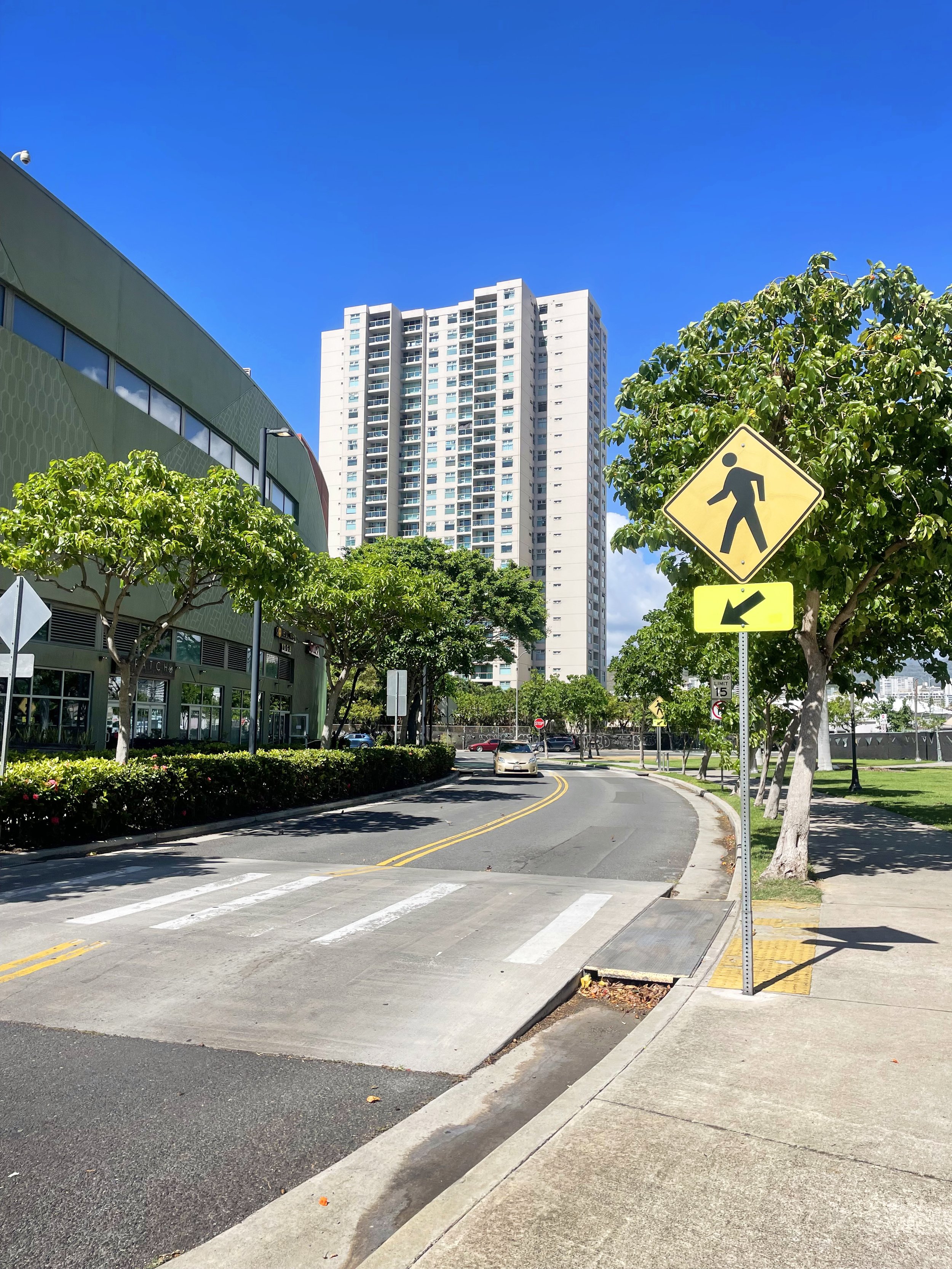
For a healthier, happier Hawaiʻi, transportation spending must prioritize bicycle and pedestrian infrastructure
Investing in the Safe Routes to School fund is a critical step in transforming our transportation system to meet the needs of all residents—pedestrians, cyclists and drivers alike.

Hawaiʻi’s 2025 legislature focused on raising tax revenue to prepare for federal cuts
Assessing a proper tax rate on corporations and the wealthy will be necessary to produce a budget that can fund critical safety net programs and investments in our future.

Opportunities for Hawaiʻi to maximize its budget investments
Maintaining government spending on public programs, Hawaiʻi’s workforce, and contractors for the state keeps money circulating throughout the economy as people pay for housing, food and other services.

How the state plans to spend its $24 billion FY23 budget
The budget determines how our collective resources will be distributed to pay for programs and investments that support public needs. The funding decisions made in the budget demonstrate where our collective values lie.

Highlights of the Hawaiʻi 2023 Supplemental Budget
After two pandemic-constrained years, surprisingly strong finances have enabled legislators to make unprecedented investments in long-underfunded areas.
The House’s budget proposal for the coming year
Buoyed by increasing tax collections and continued federal relief funds, the state House sent the Senate an amended budget that proposes to increase the executive budget by $1.3 billion.

Unsheltered can mean costly health problems; Hawaiʻi should invest in supportive housing
It may seem obvious, but getting people back into housing is essential to properly addressing their health needs.
Following the money: Where Hawaiʻi’s budget is going over the 2021–2023 Fiscal Biennium
A breakdown of state spending over the next two years, authorized by the legislature through a variety of appropriations bills.

Highlights from the 2021–2023 Hawaiʻi budget
Critical federal pandemic relief funds will allow the state avoid damaging cuts and maintain its spending levels on investments in the community.

Allocating $100 million in CARES Act relief to housing support is good state policy
To help more than 100,000 Hawaiʻi residents stay in their homes, $100 million in CARES Act housing support is money well spent.
Setting the stage for a crucial June special session
CARES Act funds must be spent by the end of December, and careful decisions need to be made to address critical needs in our community.

A win for Hawaiʻi’s foster families
The state human services department has agreed to increase the amount that should be paid to cover the expense of caring for children in foster care.