
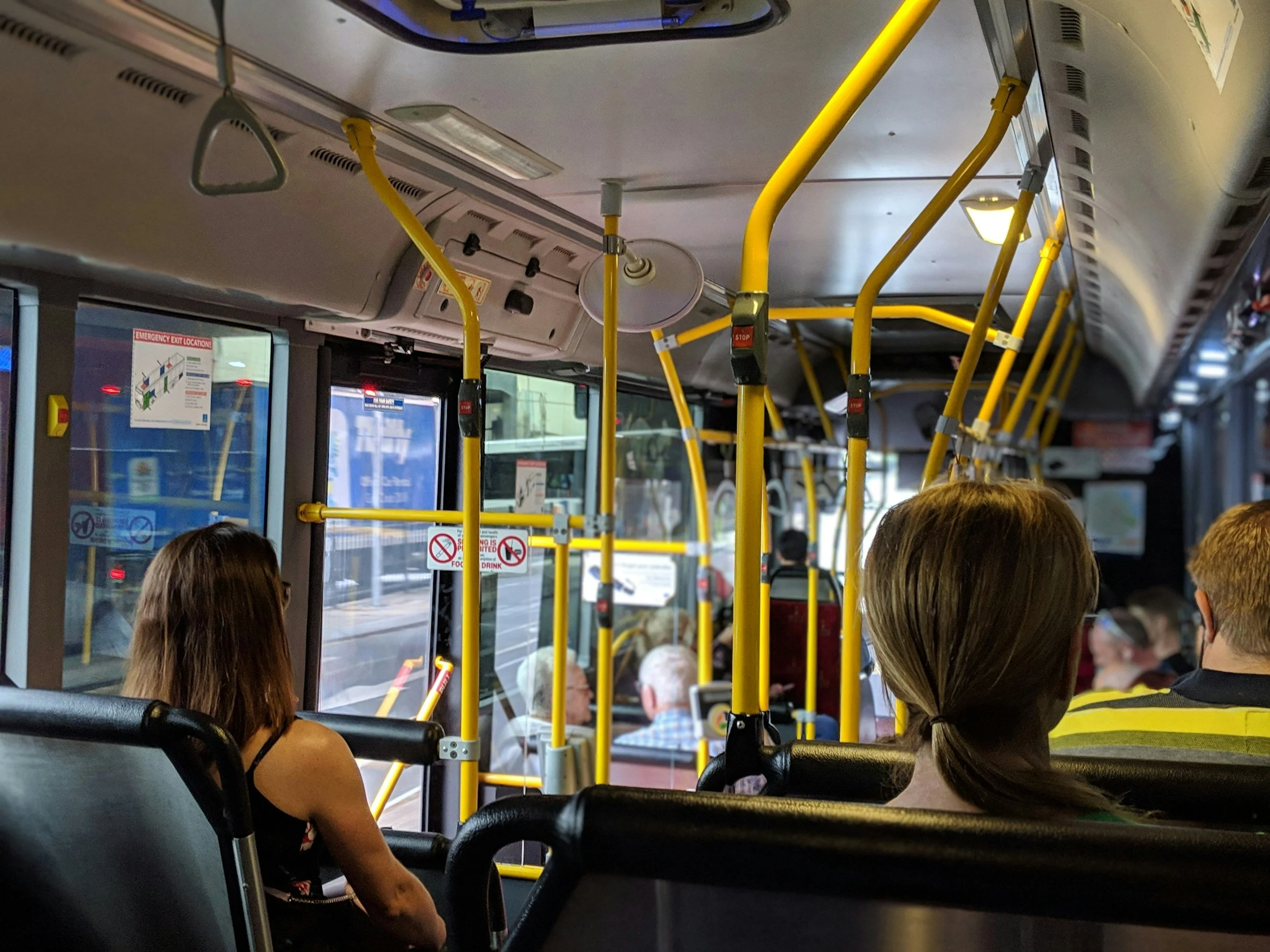
The bus could be free for everyone—here’s how we pay for it
What would it take to make the bus free for everyone in Hawaiʻi—not just our keiki, but every resident who needs a ride?

Unburden the burdened: Why Hawaiʻi should expand its rental voucher program
Because vouchers target need rather than tenure, they avoid the market distortions that come with rent caps—and don’t create incentives to push tenants out.

Progress on the plate: Food access wins from this session—and the work still ahead
During the 2026 legislative session, the state legislature could not ignore the growing pressures that Hawaiʻi families face when trying to access and afford food.

Moving toward a future where transit works for everyone
While measures in Hawaiʻi may not have advanced this session, the conversation around transit equity is far from over.

Taking policy local: how to shape county action on food security
Counties may not always be centered in the food security conversation, but they are some of Hawaiʻi’s most powerful leaders in combating hunger.

A turning point for SNAP: Strengthening local supports for Hawaiʻi households
Hawaiʻi has an opportunity to build a more resilient, community-driven food system—one that protects families regardless of federal uncertainty.

Can Hawaiʻi afford to cut the grocery tax?
Any proposal to reduce or remove the GET on food must be paired with a credible plan for replacing the revenue. It’s a challenge, but also an opportunity to build a fairer and more sustainable system.

How looming Federal cuts could impact housing in Hawaiʻi
If enacted, these cuts would gut rental assistance, eliminate key affordable housing development programs and slash funding for homelessness services.
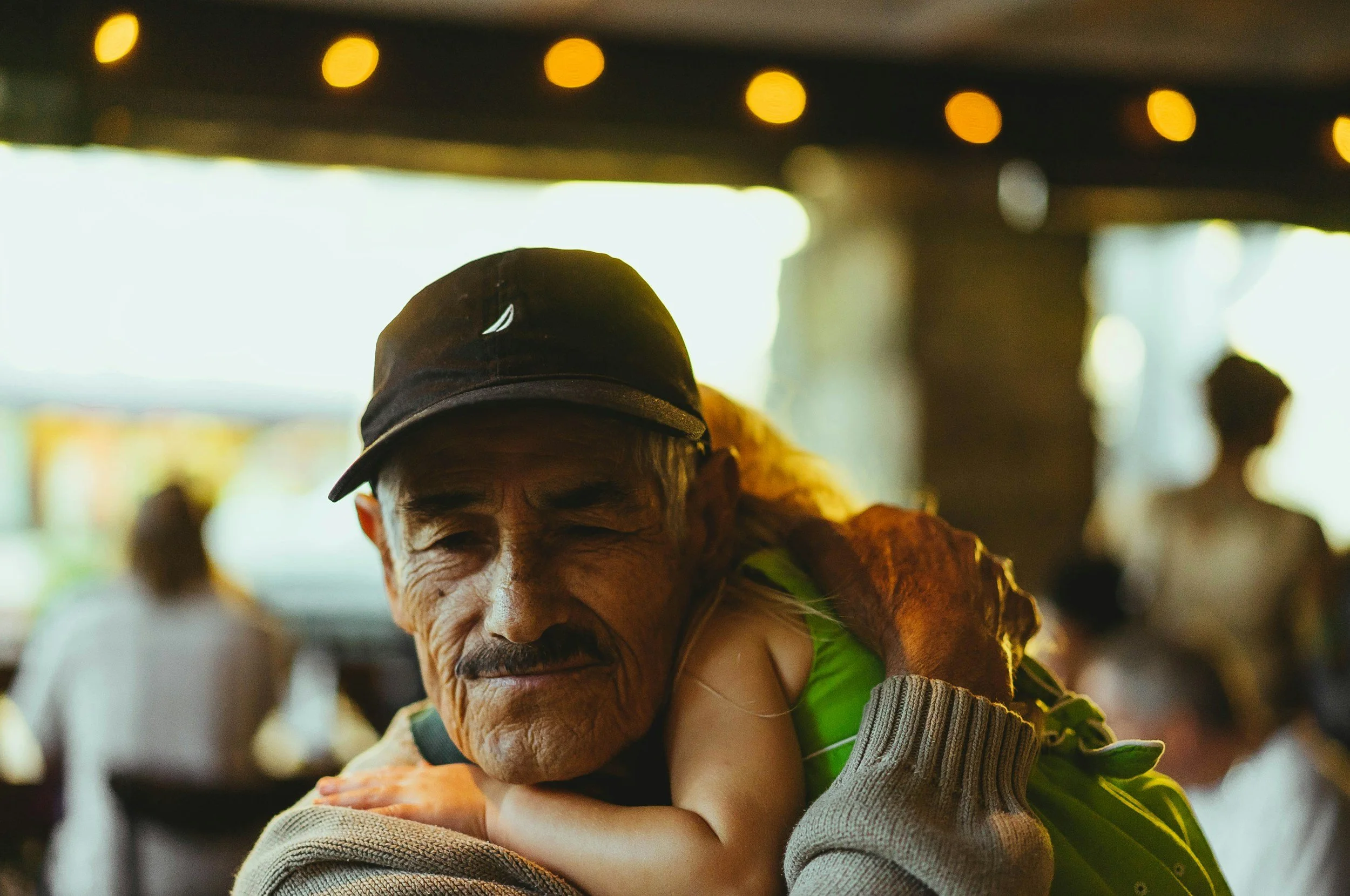
Hawaiʻi families deserve better: How federal cuts to nutrition programs will impact our state
With grocery prices still soaring and food insecurity on the rise, this is the worst possible time to shrink our nation's most important anti-hunger program.

Wins for food access and low-income families at the 2025 legislative session
While there’s still more work to be done, this year’s wins have laid the groundwork for a future in which food access is treated as a right, not a privilege.

Reimagining our streets for health, fun and community
HB1260 would support the creation of a Summer Street Pilot Program, designed to temporarily transform car-congested roadways into vibrant spaces for outdoor fun and social interaction.

As federal support fades, farm to families could fill the gap
Now, more than ever, investing in local food systems through programs like Farm to Families is a necessary strategy to build Hawaiʻi’s economic resilience and reduce food insecurity.

Reducing the burden of pedestrian fines and fees with Freedom to Walk legislation
At a societal level, we seek to shift public resources away from penalizing pedestrians and toward addressing the root causes of traffic violence.
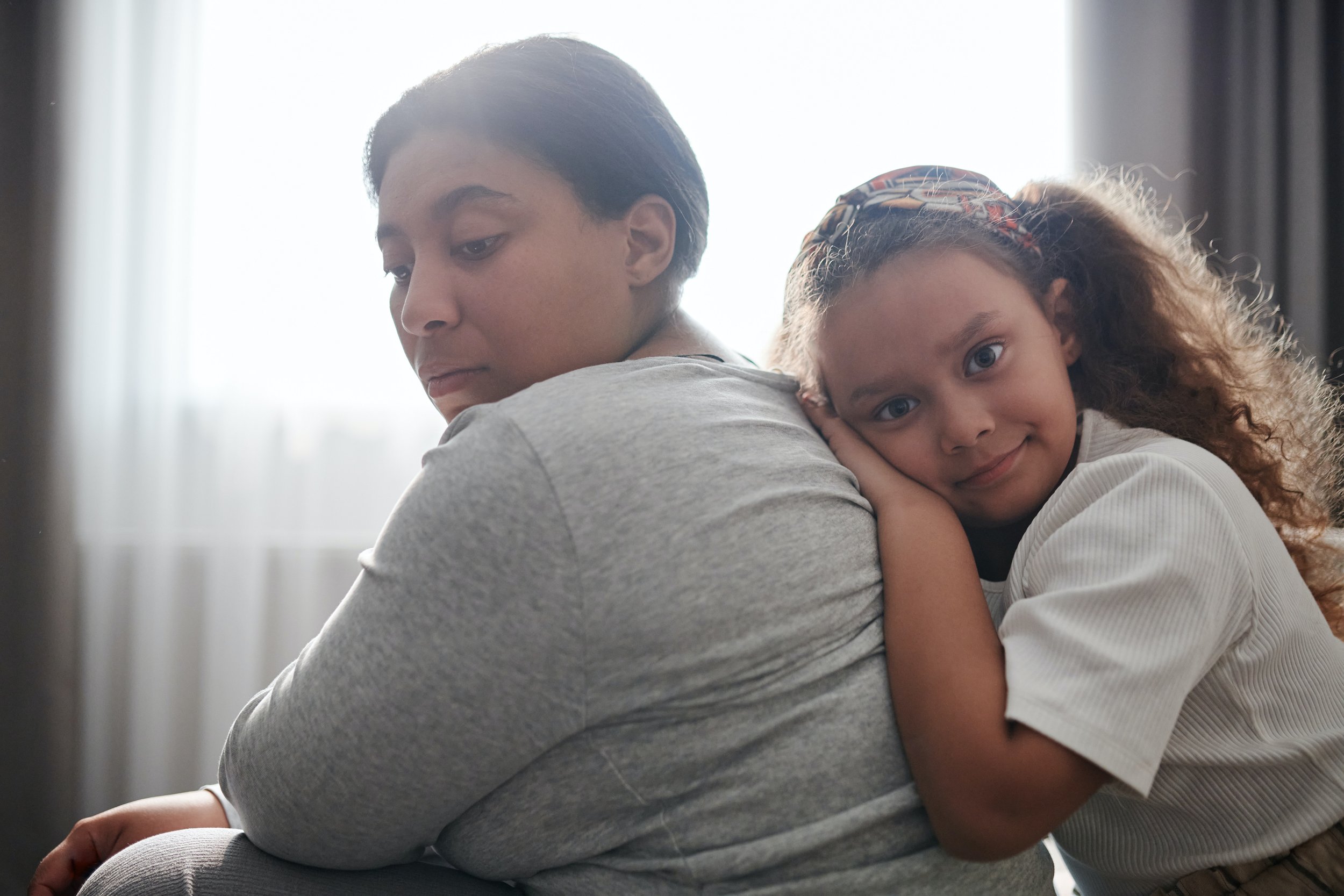
Implement strong eviction record sealing processes to protect Hawaiʻi renters
A single eviction filing—even one that doesn't result in actual eviction—can negatively impact renters for years. It's time for lawmakers to take decisive action to protect vulnerable tenants.

Tax credits are more necessary than ever in 2025
Hawaiʻi’s families need urgent help to deal with the high cost of living. This is especially true for parents, who have to balance the cost of child care, rent, and food every month.

Hawaiʻi’s keiki are still waiting for universal free school meals. The time to act is now.
Research shows that consistent access to nutritious meals improves both academic performance and long-term health. Yet, in 2023, 6 percent of Hawaiʻi households with children had one or more children go a whole day without food.
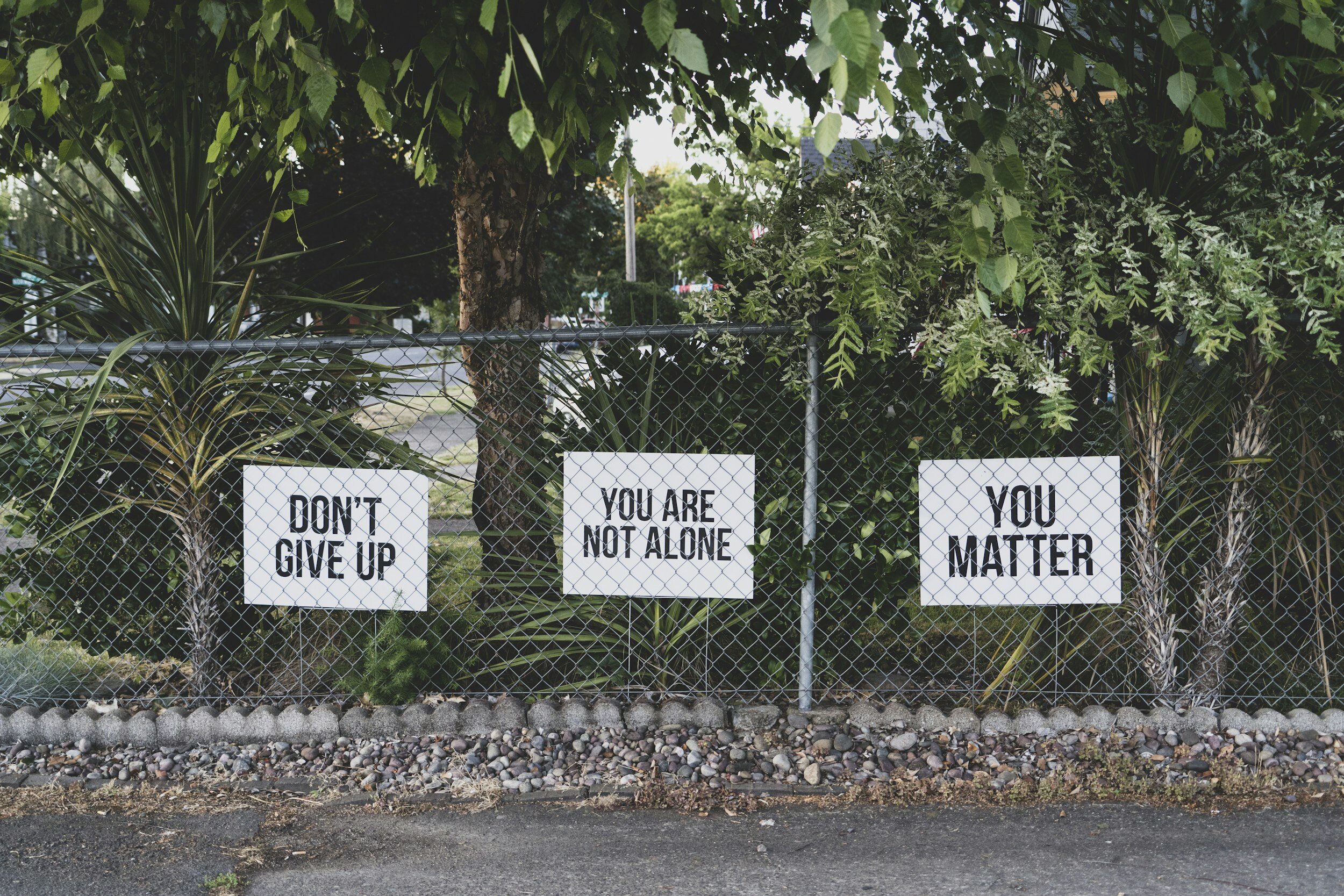
Hawaiʻi’s serious mental health care needs take a top spot in Governor Green’s 2025 supplemental budget
In addition to funding Lahaina's recovery, the governor proposes increases to much-needed funding for the state's unmet mental health care needs.
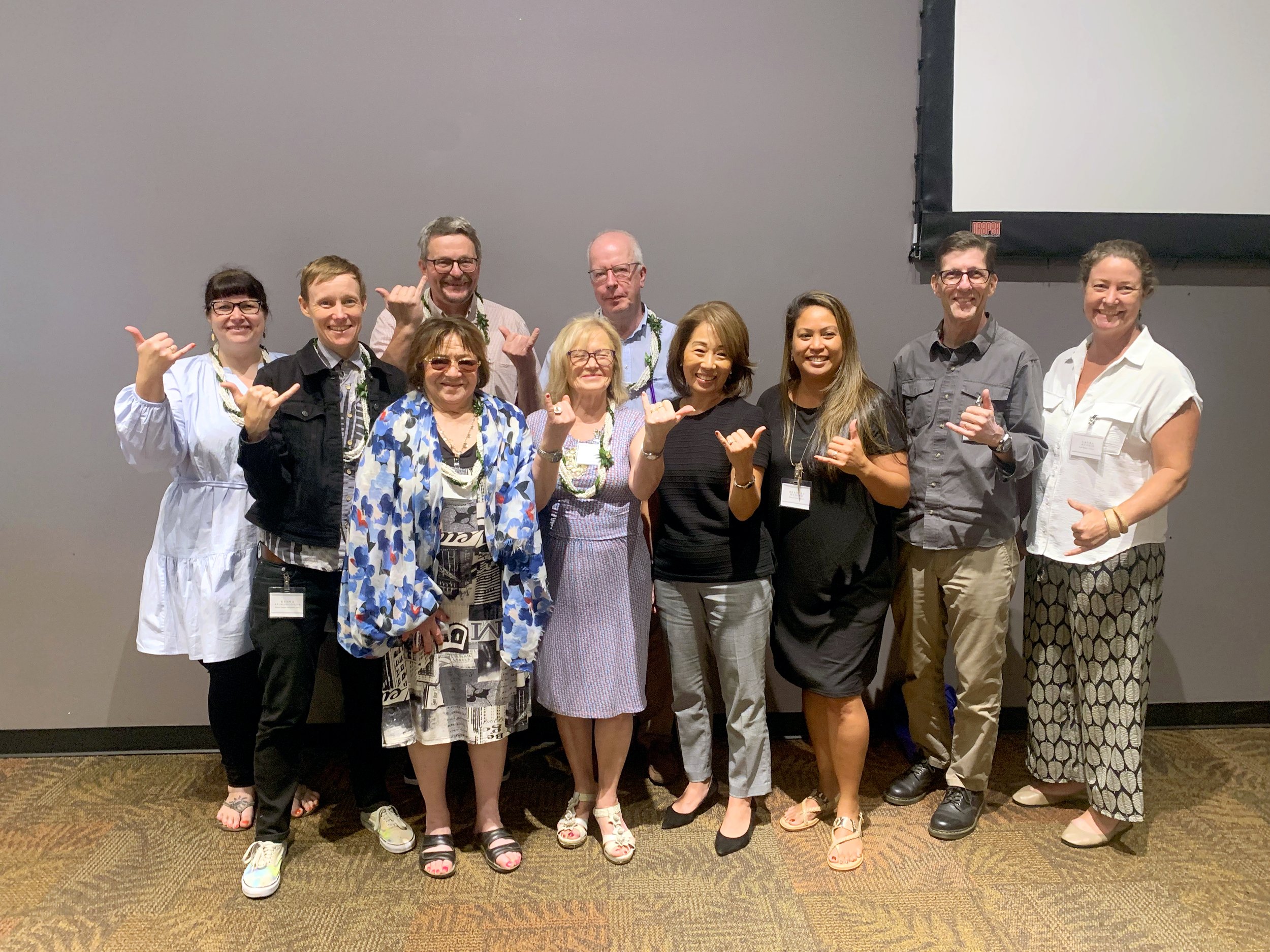
What Finland can teach us about ending homelessness in Hawaiʻi
Hawaiʻi can end homelessness. It starts with a mindset shift: housing is a human right, and the cost to provide housing to each and every person in Hawaiʻi is well worth the necessary investment in public resources.

Unsheltered can mean costly health problems; Hawaiʻi should invest in supportive housing
It may seem obvious, but getting people back into housing is essential to properly addressing their health needs.

Spending trends for Hawaiʻi’s children show we have lots of room for improvement
Our future depends on public investments in our children, but progress has stalled since the Great Recession.