Buoyed by increasing tax collections and continued federal relief funds, the state House sent the Senate an amended budget that proposes to increase the executive budget by $1.3 billion.
House Bill 1600 would add 8.6 percent to the overall operating budget approved last year for fiscal year 2023 (July 2022-June 2023), while increasing the budget of every department except the Department of Business, Economic Development and Tourism. (DBEDT’s overall decrease is solely because the House zeroed out the $11 million approved last year for tourism, presumably to ensure more discussion before final budget approval in May.)
While the House proposal adds $1.3 billion to the operating budget for FY23, half of the growth is for just two programs:
Retiree health payments. $335 million has been added for the Annual Required Contribution (ARC) for “other post-employment benefits” (OPEB), which largely pays for state employee retirement health benefits. In combination with the $500 million already budgeted, the FY23 contribution now amounts to $839 million. Although this is the largest single increase in the operating budget, it merely brings the state’s payment for this obligation up to the actuarially-determined level for 2023. In other words, $839 million is what the state was supposed to budget all along. (For more information on these obligated costs, read our report “A Public Investment.”)
Unemployment Income Trust Fund. The House budget proposes to add $321 million to the $358 million approved last year for the Unemployment Income Trust fund, bringing the total for FY23 to $679 million. Ordinarily, employers fund the UI Trust with unemployment taxes, but the legislature proposes to fund the trust with other resources, most likely general funds (see Senate Bill 3129, the vehicle to add funds to the trust).
Department Budget Changes

Table 1 summarizes the budget changes proposed for each department for the upcoming year. Highlights include:
The Accounting and General Services budget includes an additional $4.5M to support the Bishop Museum. It also adds $700,000 for the Campaign Spending Commission, a 75 percent increase.
While the Business Economic Development & Tourism budget deletes $11 million in tourism funding, it more than doubles the budget for the Hawaiʻi State Energy Office, adding $7.6 million to expand strategies to move us toward cleaner, more efficient energy.
Most of the increase in the Defense budget is for emergency management services funded by the federal government.
The biggest increases in the Education budget go to classroom education ($87M), school administration ($20M), and school supports like food, facilities and transportation ($75M). Disappointingly, the proposed budget for early learning increased by only $100,000.
The budget for Hawaiian Home Lands increases by $11 million, mostly to bolster capacity for planning and development. A separate appropriation bill (House Bill 2511) proposes a one-time $600 million injection to fund HHL development.
The largest single addition to the Health budget is a $10 million increase for a Home and Community-Based Services waiver to be expended by the Developmental Disabilities Division.
The Department of Land & Natural Resource’s overall budget is increased by 23.5 percent with the largest increases going to Parks Administration, Watershed and Native Reserve/Fire Prevention.
$10.7 million in improvements for the Women’s Community Correctional Center accounts for more than a quarter of the $39 million increase for Public Safety. The prison health services allocation also increases by $5.7 million.
Means of Financing
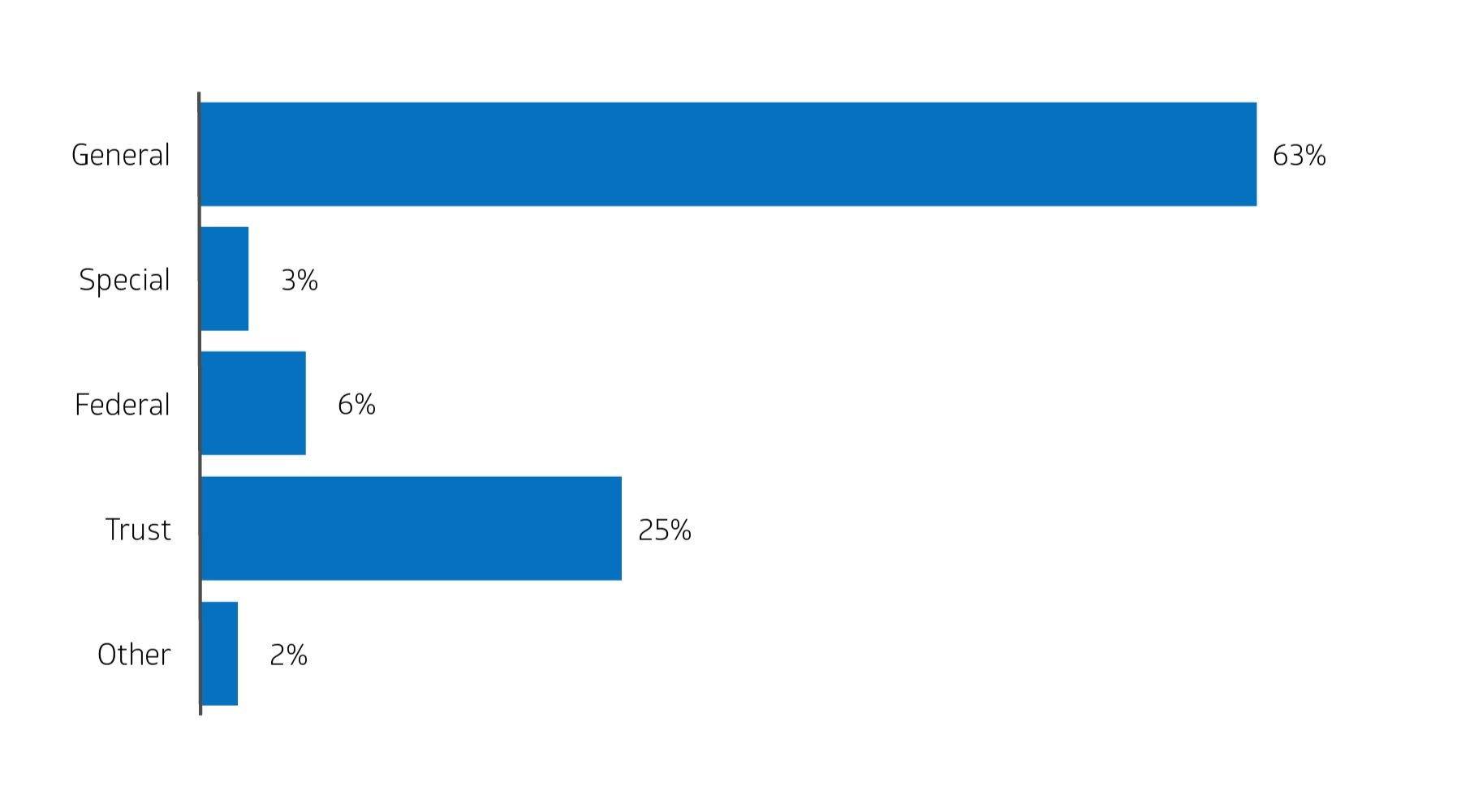
Figure 1. Source of Proposed Fund Increases, Totaling $1.3 Billion
Every budget expenditure is linked to a specific source of funding. In the proposed budget 51 percent of operating costs are paid by the general fund, the repository of most of our taxes and fees. Twenty percent is covered by federal allocations (including funds from the American Rescue Plan) and a further 20 percent comes from special funds, such as tuition paid to UH or fees collected by public hospitals. The last 10 percent come from trust and other funding sources.
As shown in Figure 1, since tax collections are up, the general fund is disproportionately covering increases in the proposed budget. The proposed budget also shows a big jump in trust fund support but most of this increase will probably come from an appropriation bill that transfers general funds to the UI trust.
Operating Budget vs. Other Appropriation Bills
House Bill 1600 is the executive budget appropriation bill. Always the largest budget bill, it addresses both on-going operating costs and capital expenditures for the state’s 18 departments and the governor and lieutenant governor's offices. But every year, additional one-time appropriations are passed.
This year these include the appropriation noted above (HB2511) that could add $600 million for Hawaiian Home Lands. Another, HB1748, proposes to add $300 million to the rental housing revolving fund via the authorization of general obligation bonds. With a comfortable budget surplus in an election year, it is likely that the 2022 legislature will pass many more before it adjourns in May.