
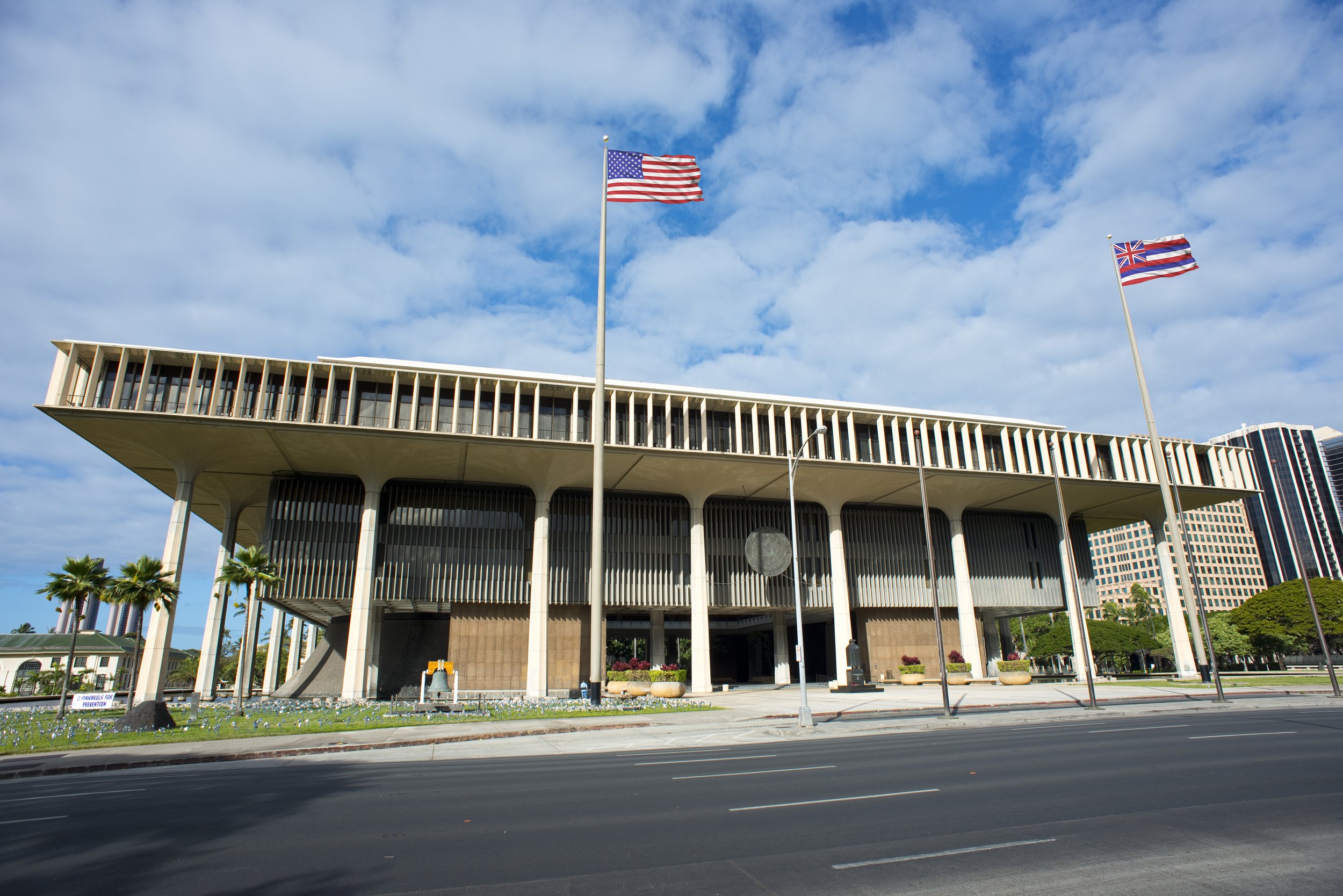
Highlights from House Bill 1800: the state supplemental budget bill
The single most consequential bill of the legislative session. It determines how the State of Hawaiʻi will fund everything from public education and roads to healthcare and affordable housing.

Moving toward a future where transit works for everyone
While measures in Hawaiʻi may not have advanced this session, the conversation around transit equity is far from over.

Can Hawaiʻi afford to cut the grocery tax?
Any proposal to reduce or remove the GET on food must be paired with a credible plan for replacing the revenue. It’s a challenge, but also an opportunity to build a fairer and more sustainable system.

Powered by the people: How Hawaiʻi Appleseed’s community-first focus can create change—with your help
When we put people first, it means our policy proposals come from the community—which is essential to turning those proposals into law.
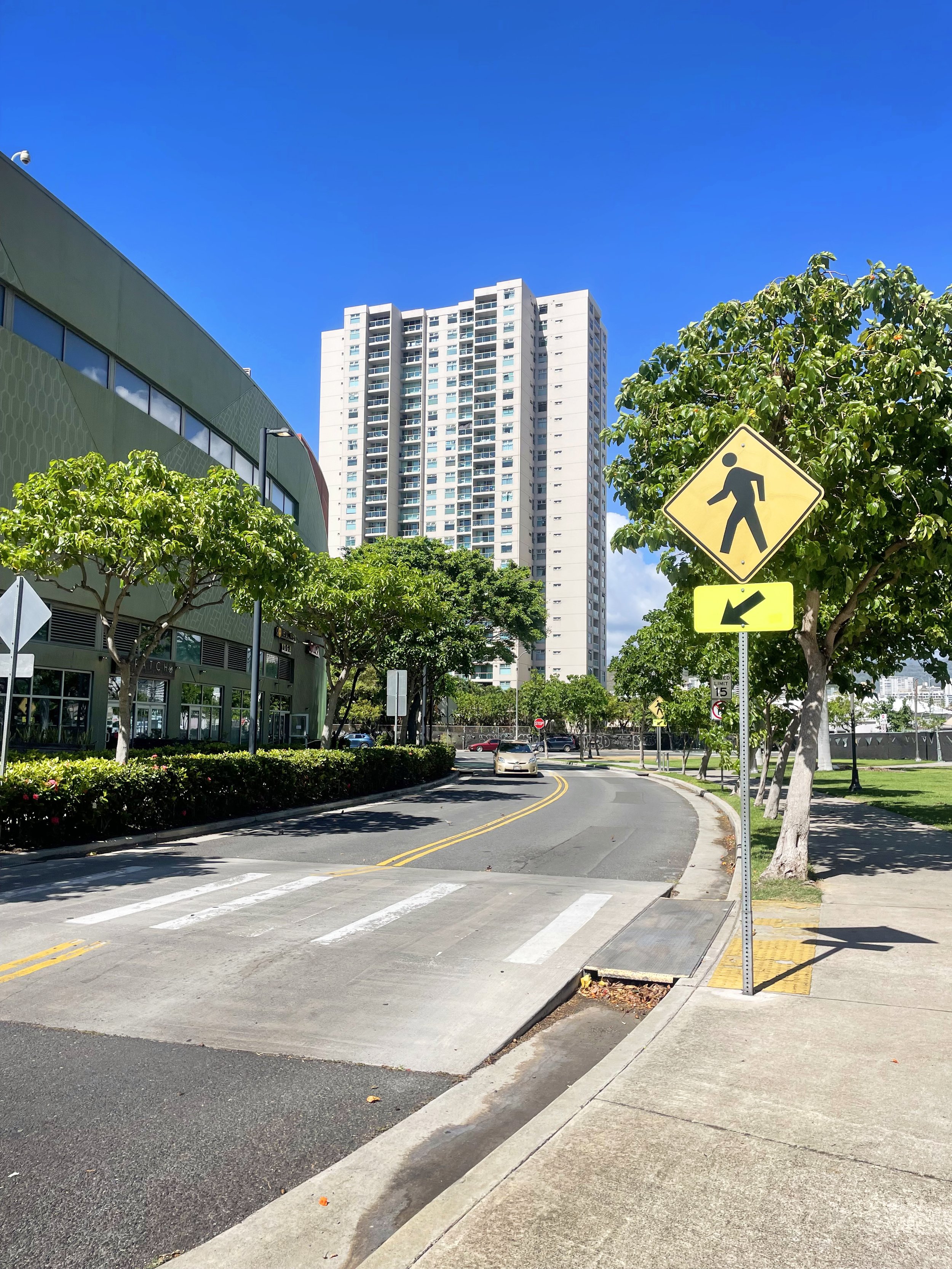
For a healthier, happier Hawaiʻi, transportation spending must prioritize bicycle and pedestrian infrastructure
Investing in the Safe Routes to School fund is a critical step in transforming our transportation system to meet the needs of all residents—pedestrians, cyclists and drivers alike.

Hawaiʻi’s 2025 legislature focused on raising tax revenue to prepare for federal cuts
Assessing a proper tax rate on corporations and the wealthy will be necessary to produce a budget that can fund critical safety net programs and investments in our future.

Building a better path to success for Hawaiʻiʻs Keiki
Hawaiʻi’s 2025 legislature boosts safe routes to school and student transportation.

How to fix Honolulu’s Empty Homes Tax proposal
A newly released report commissioned by the county council demonstrates the need to align Honolulu’s policy proposal with demonstrated best practices.

Why is SNAP failing Hawaiʻi residents?
It’s time for the state to invest in a more resilient, independent social safety net system that can keep working families going regardless of chaos at the federal level.

Congress’ budget blueprint leaves Hawaiʻi’s working families behind
In effect, the budget blueprint aims to take food out of the mouths of hungry keiki, so that billionaires can pad their pockets even more on the way to the bank.

Invest in Safe Routes to School to improve pedestrian safety in Hawaiʻi
Federal funding freezes, requirements from the Navahine lawsuit settlement, and worsening traffic and its associated negative impacts—why state lawmakers shouldn't wait to invest in Safe Routes to School.

How Hawaiʻi’s hardworking undocumented immigrants support our economy and communities
A new report from the Institute on Taxation and Economic Policy lifts up the significant tax contributions that undocumented immigrants make to our federal, state and local governments through the taxes they pay each year.
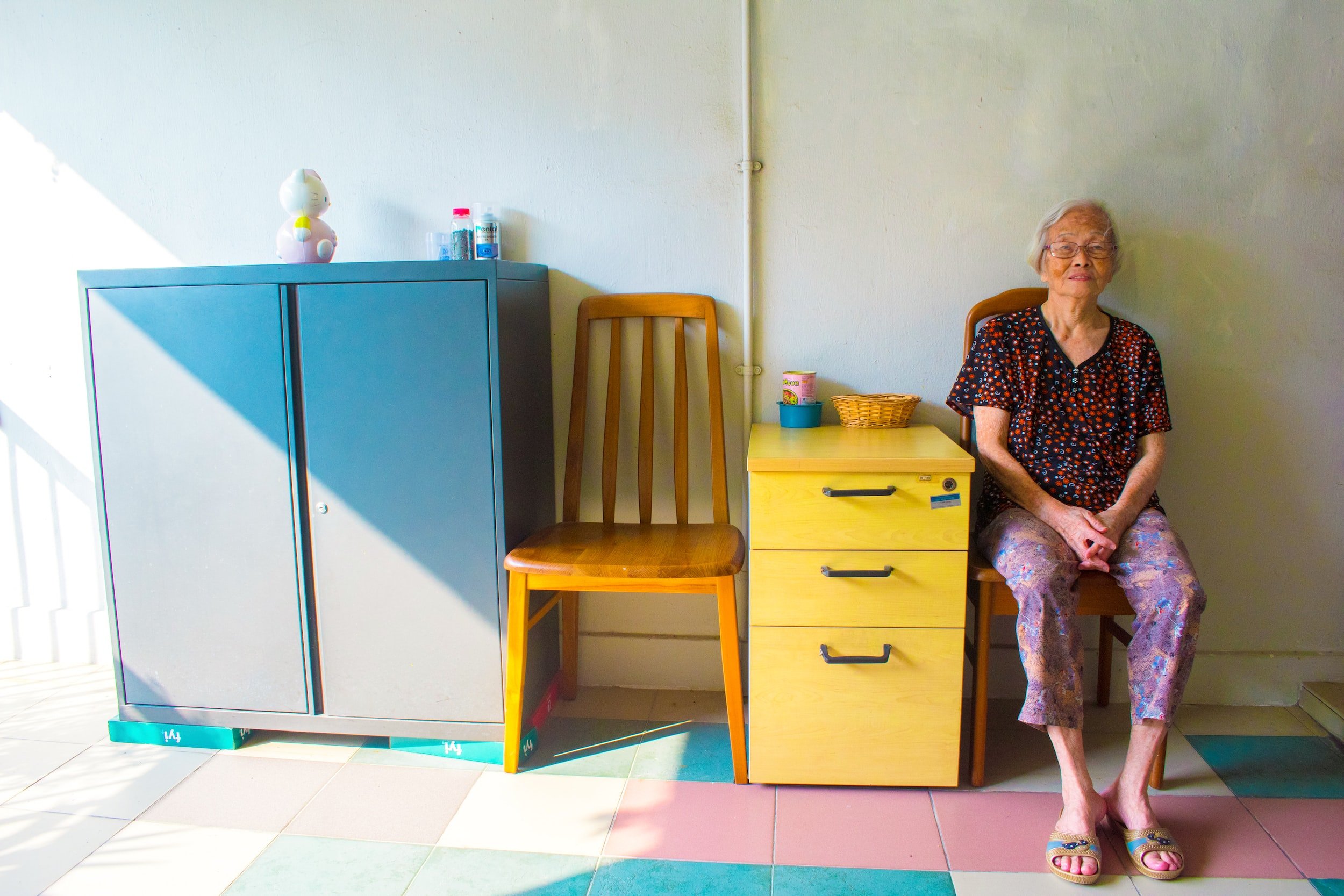
Hawaiʻi can increase housing stability through a rent relief & mediation program
Creating and funding an ongoing rent relief and pre-litigation mediation program will increase housing stability in Hawaiʻi.

Legislative agenda 2023: tax reforms to boost incomes and fund investments in our future
Top of the list of immediate challenges for Hawaiʻi is to find a way to prevent our people from being overwhelmed by the high and rising cost of living in the islands.

How Hawaiʻi is funding its $24 billion FY23 budget
The legislature not only decides where money is spent, but also makes many of the decisions about who pays how much to support the budget.

How the state plans to spend its $24 billion FY23 budget
The budget determines how our collective resources will be distributed to pay for programs and investments that support public needs. The funding decisions made in the budget demonstrate where our collective values lie.
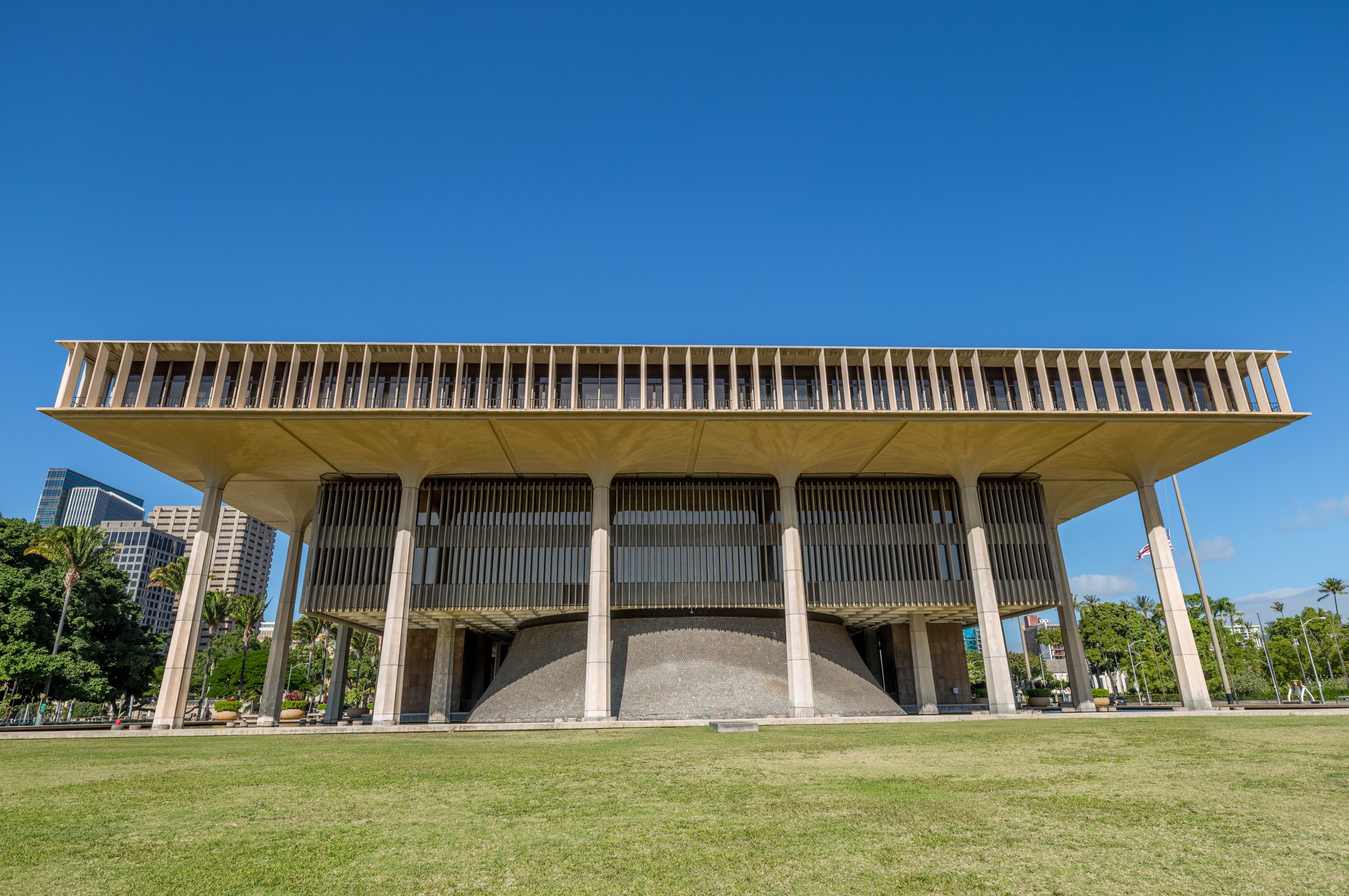
Legislature makes historic investments in housing for Hawaiʻi’s most vulnerable
This sessions’ successes must be only the first of many steps toward a Hawaiʻi in which housing is affordable and available to all.
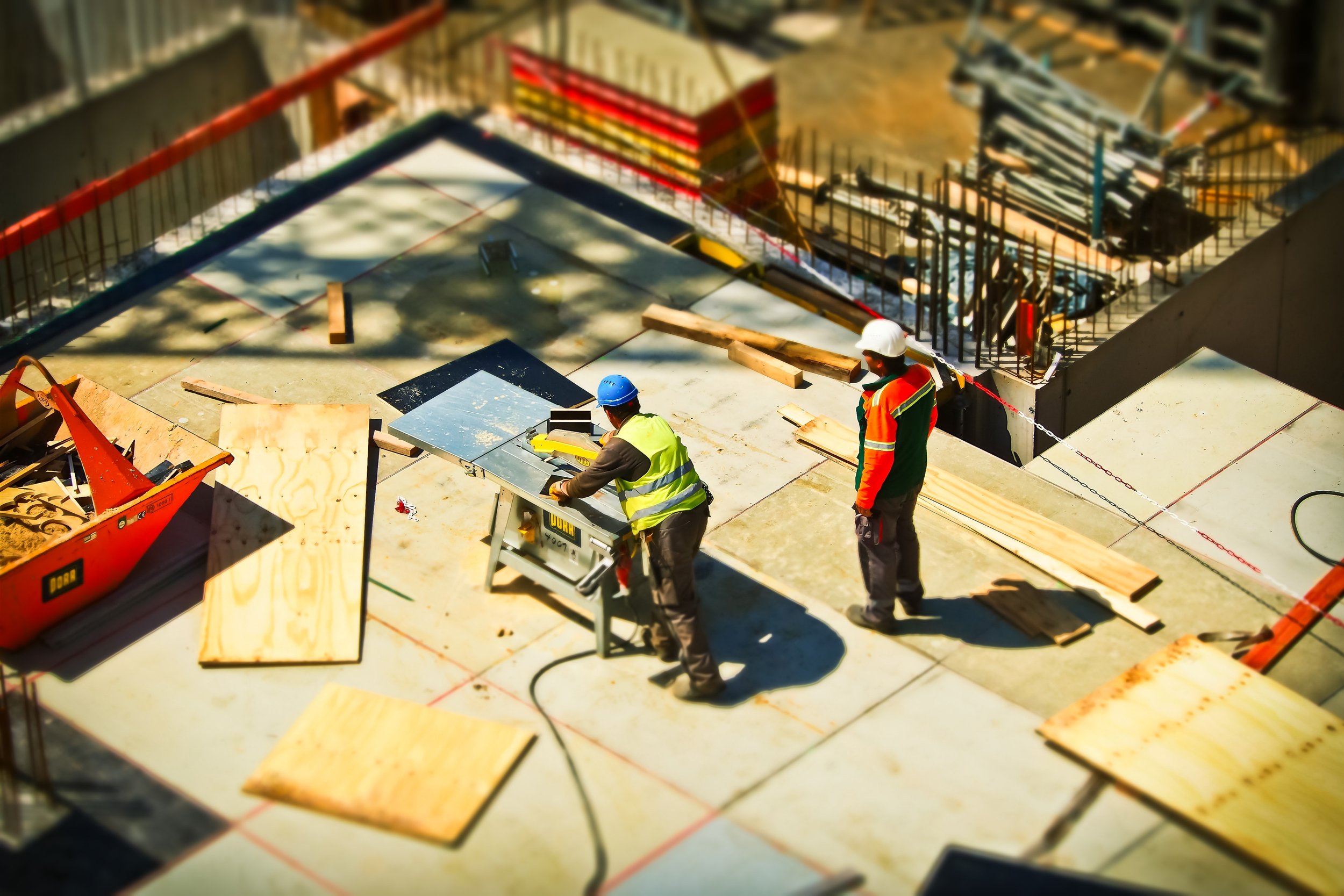
Highlights of the Hawaiʻi 2023 Supplemental Budget
After two pandemic-constrained years, surprisingly strong finances have enabled legislators to make unprecedented investments in long-underfunded areas.
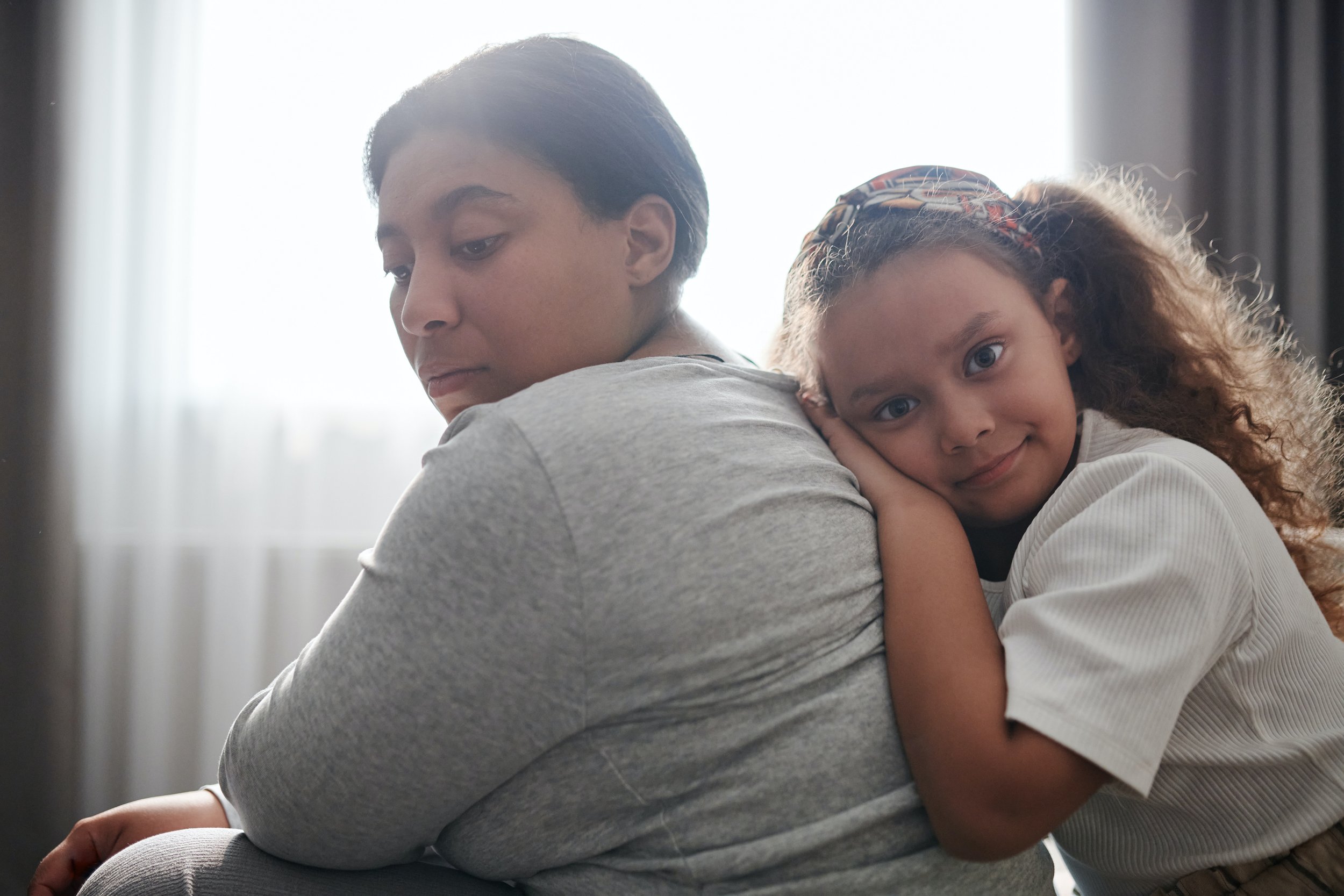
Hawaiʻi’s missed opportunity to invest in working families
The legislature chose to prioritize protecting businesses from tax increases, rather than investing in working families who were struggling long before the onset of the pandemic.
The House’s budget proposal for the coming year
Buoyed by increasing tax collections and continued federal relief funds, the state House sent the Senate an amended budget that proposes to increase the executive budget by $1.3 billion.