
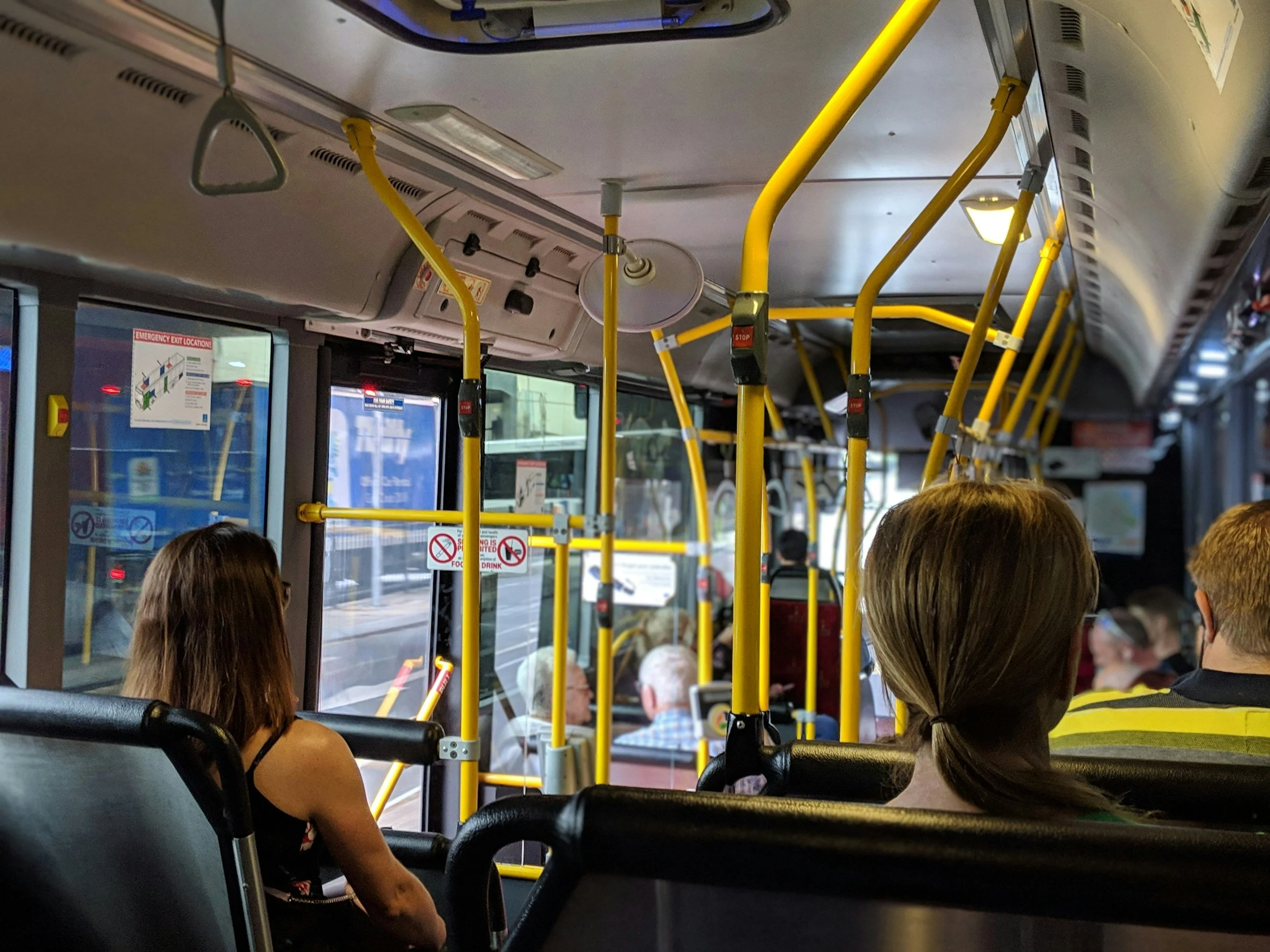
The bus could be free for everyone—here’s how we pay for it
What would it take to make the bus free for everyone in Hawaiʻi—not just our keiki, but every resident who needs a ride?
Moving together: The case for sustainable transportation in Hawaiʻi
The communities most exposed to the climate crisis are often the same communities already navigating the greatest transportation challenges.
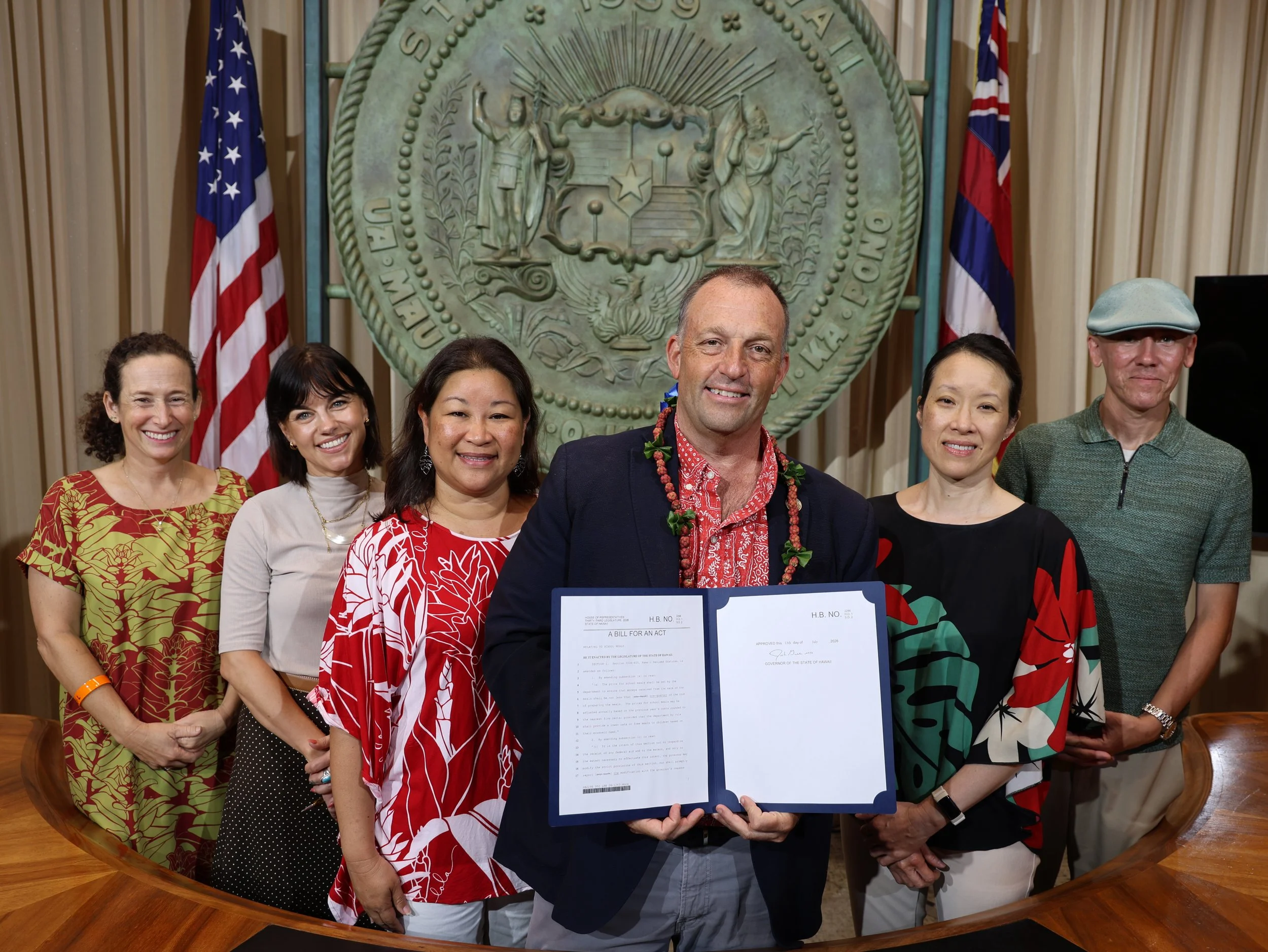
Behind the scenes: How Policy in Perspective tells the story of a legislative session
Built from a year’s worth of writing, analysis, and advocacy, Policy in Perspective creates the opportunity to take a step back and look at the legislative session from a bird’s eye view.
Sneak peek: Improving women’s mobility and access in ʻEwa and Waipahu
Where you live should never determine how far you can go. We’re currently in Phase II of a community-centered research effort focused on understanding the unique transportation challenges faced by low-income women and their families in ʻEwa and Waipahu.

Safe streets for all: Why Hawaiʻi can’t wait another year for pedestrian safety progress
Hawaiʻi’s pedestrians are in crisis. Fatalities are rising, our most dangerous intersections remain unfixed, and the people most affected continue to bear the heaviest burden.
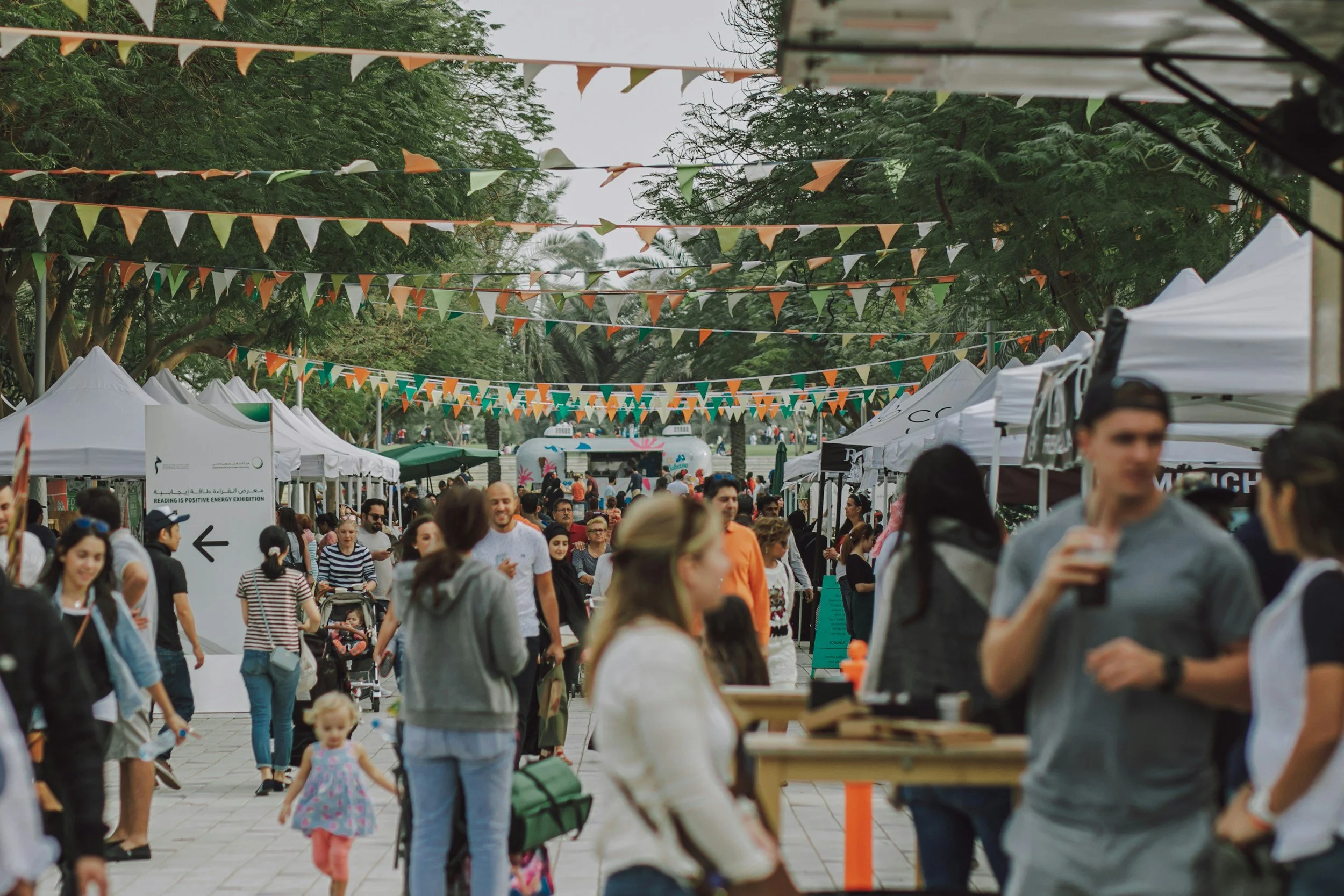
Summer streets pilot, e-bike rules headline Hawaiʻi’s modest transportation wins
Progress on transportation equity comes in layers—a pilot program here, a clear legal definition there, a coalition that grows a little stronger each session.
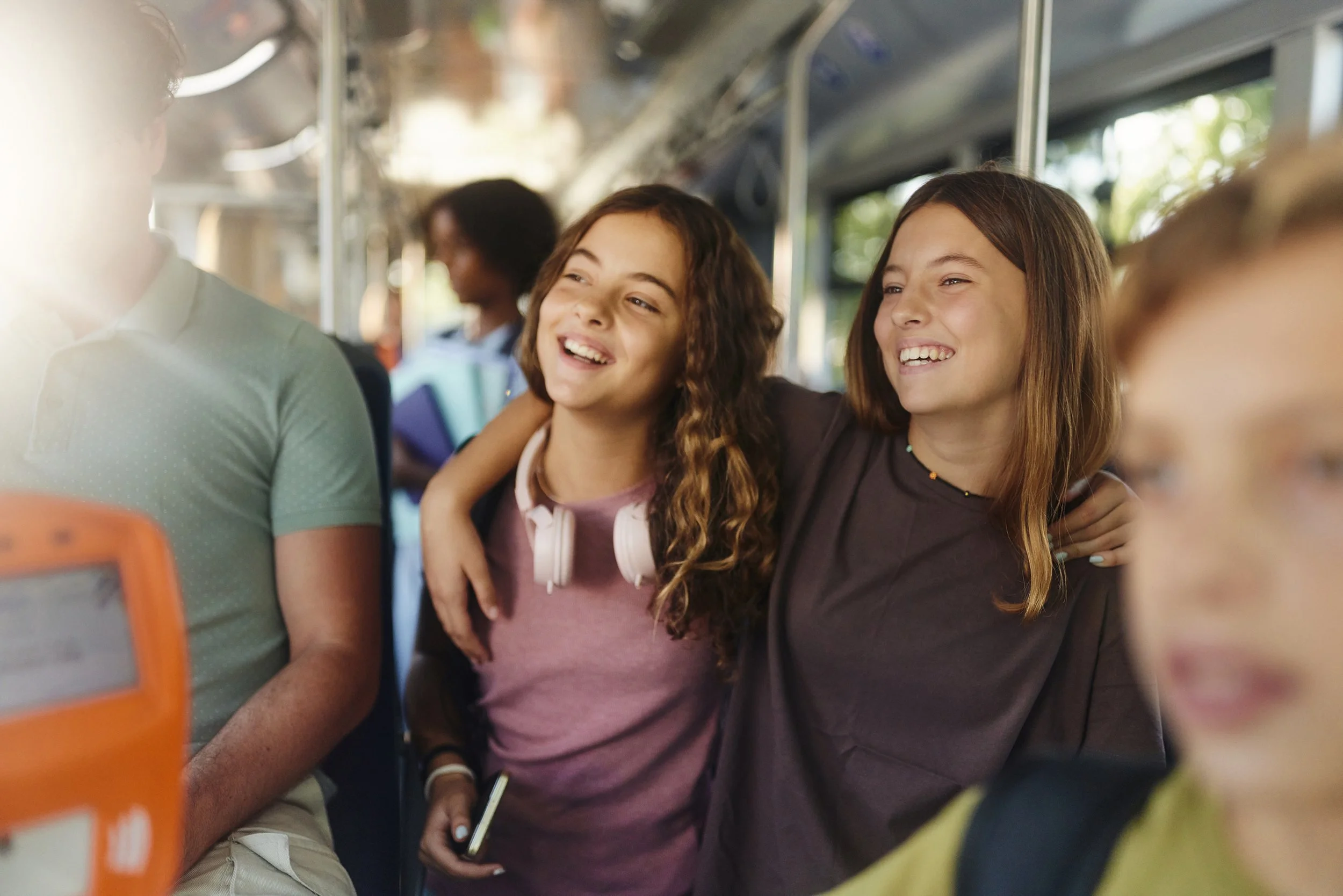
Moving toward a future where transit works for everyone
While measures in Hawaiʻi may not have advanced this session, the conversation around transit equity is far from over.
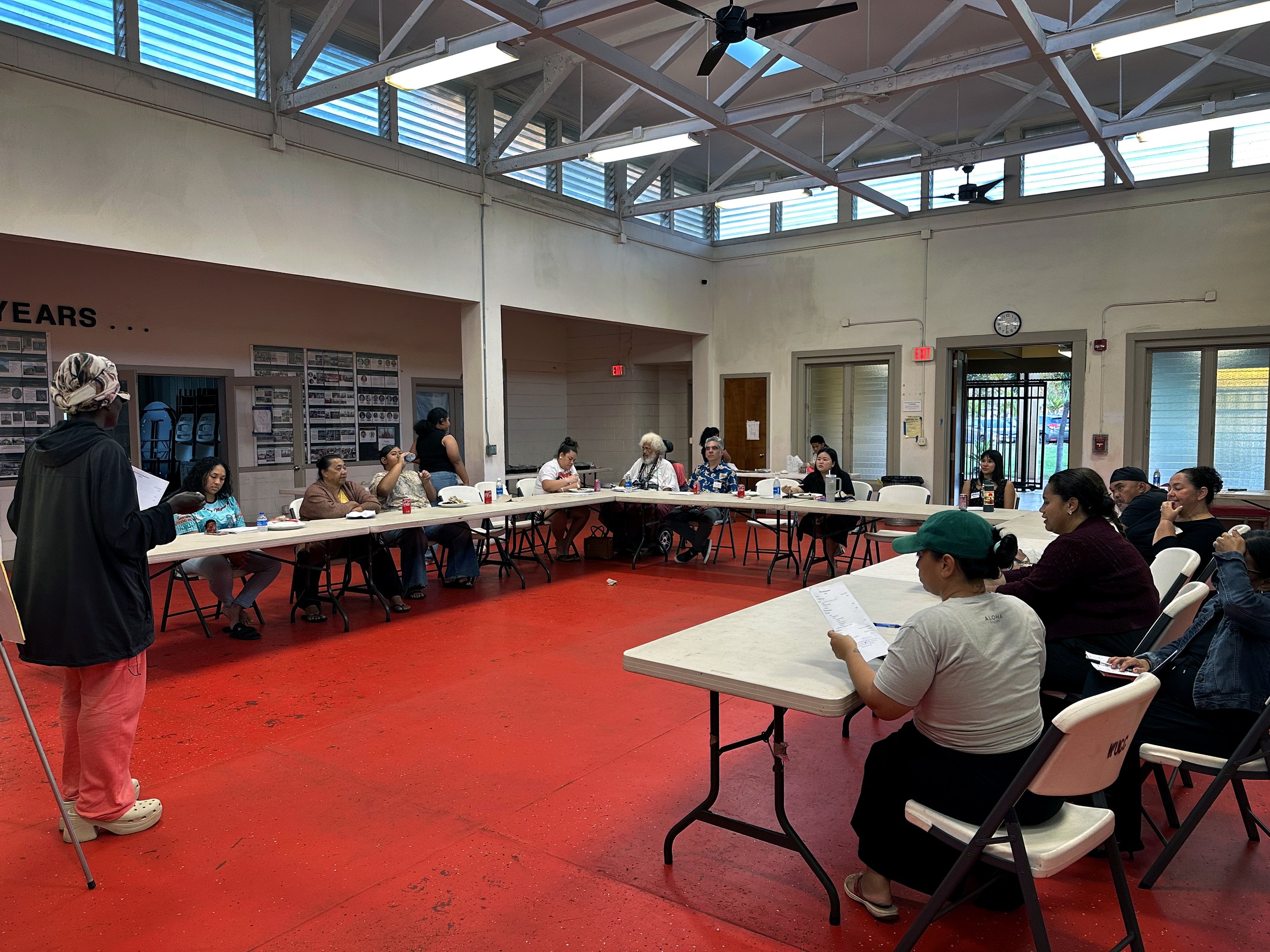
Pilina builders are ready to lead their community
Guided by the ʻōlelo noʻeau, Ma ka hana ka ʻike (in working one learns), the Pilina Builders are a diverse, bright, and community-grounded group of women from ʻEwa and Waipahu.
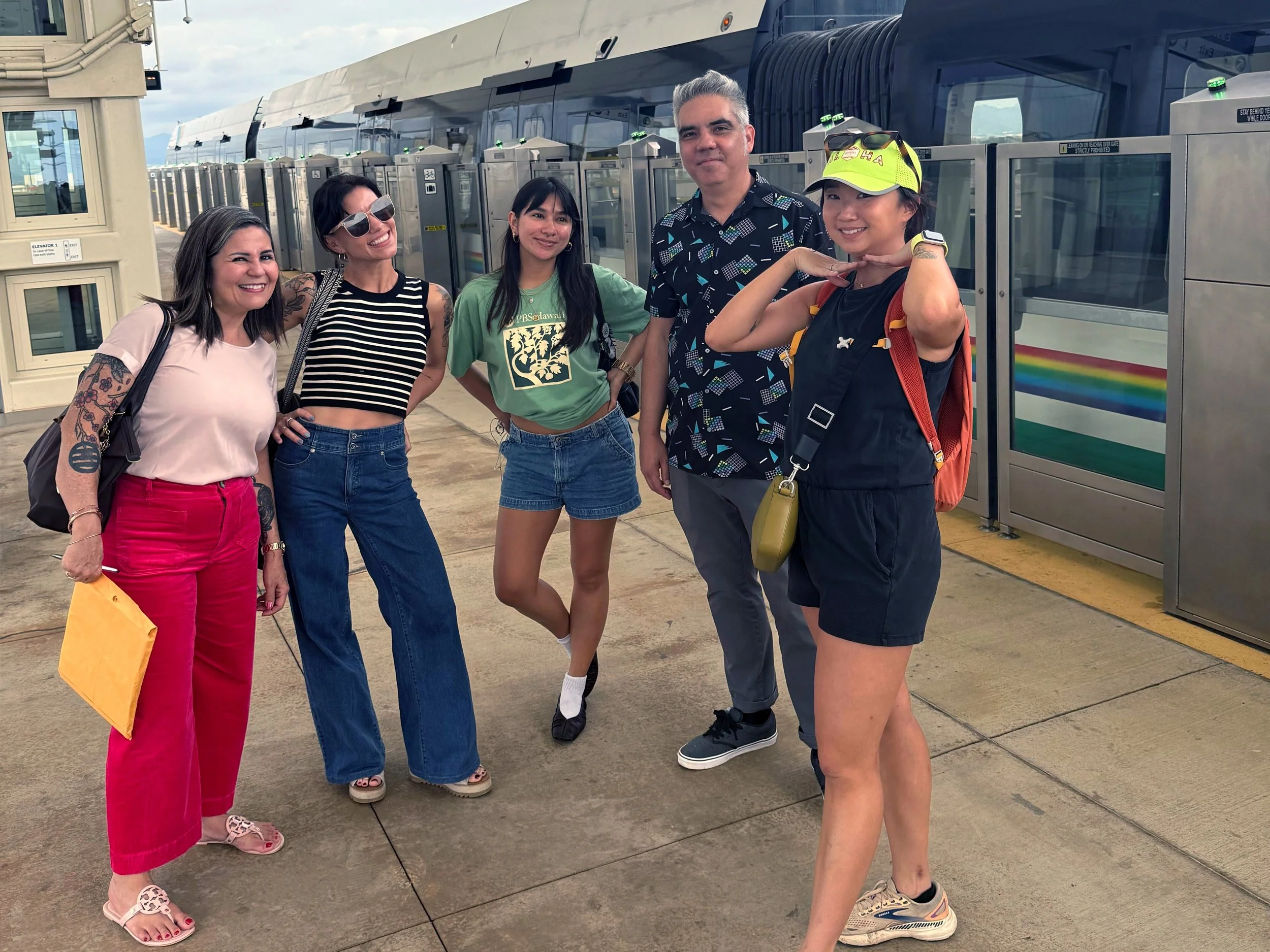
The great Skyline adventure: Hawaiʻi Appleseed tests the walkability of areas around rail stops
Success will require partnership across state and county lines, but the goal is shared: turning the areas around rail lines and high capacity bus routes into places where people can live, work and meet daily needs without the necessity of getting back into a car.
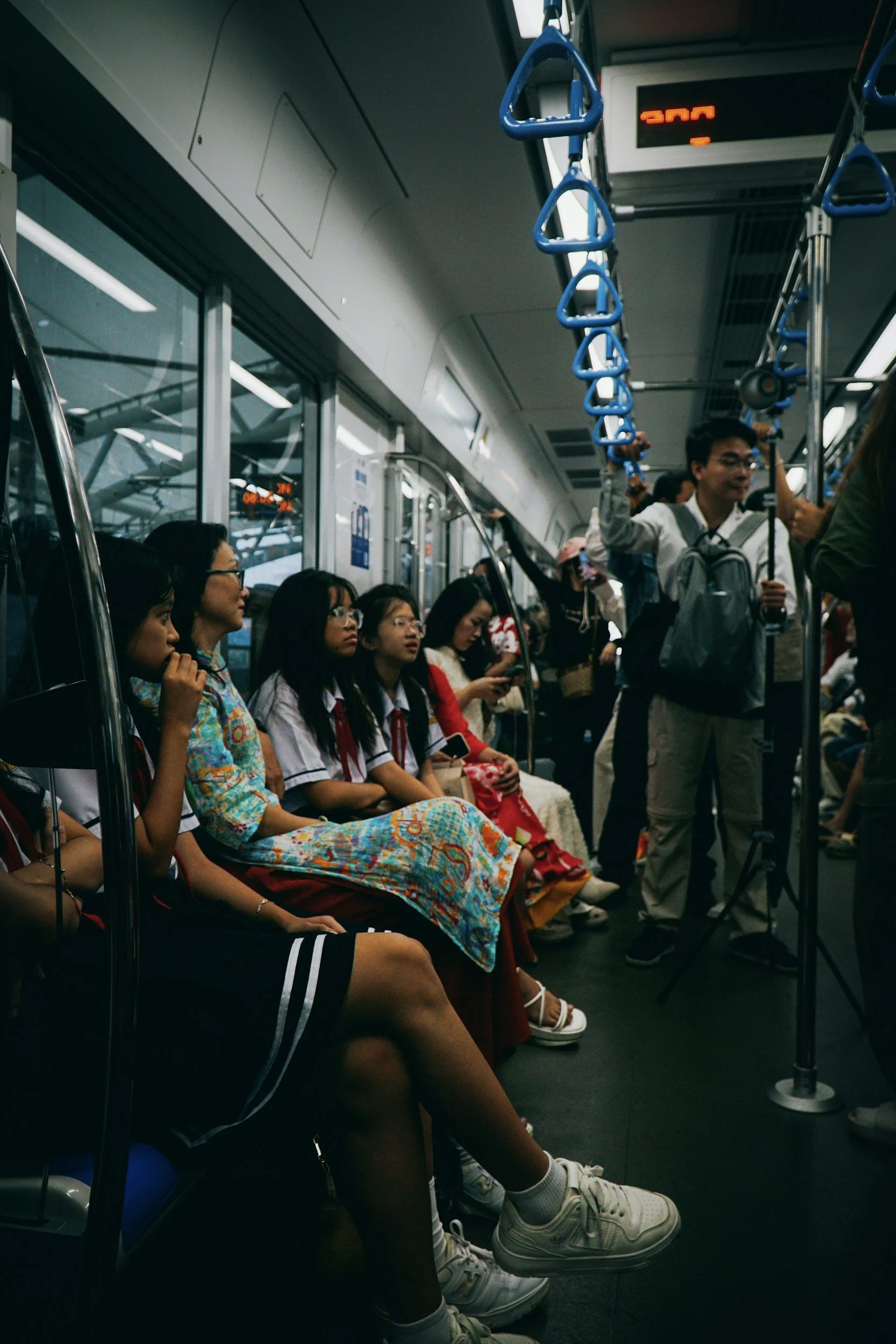
Keiki Ride Free: Building a more connected Hawaiʻi
By removing financial barriers to public transit, Hawaiʻi can empower young people to participate fully in their communities, while easing family costs and supporting climate goals.
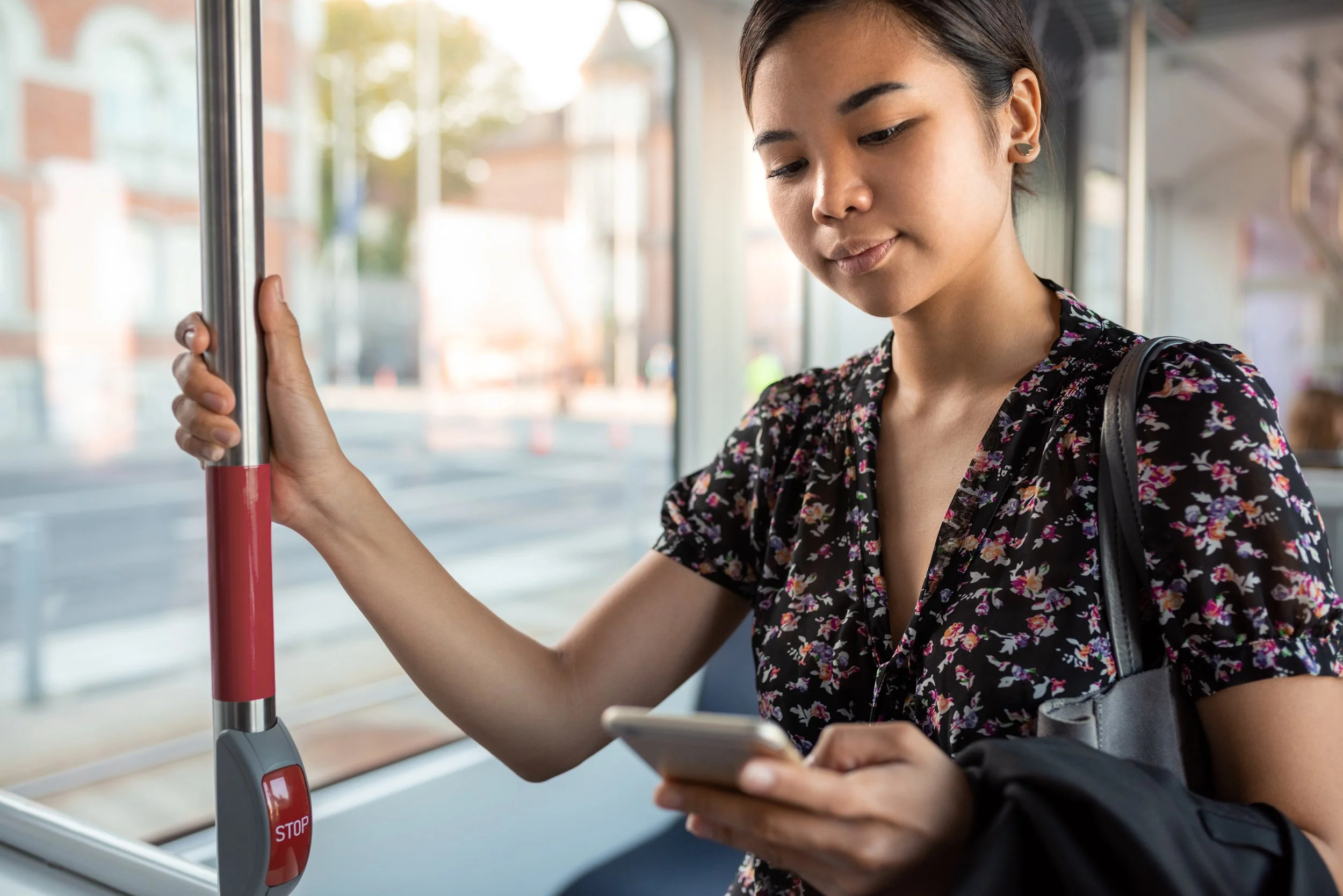
Proposal to raise transit fares will hurt Oʻahu riders
Increasing transit fares while household budgets are already stretched thin risks pushing out the very riders who rely on TheBus the most while decreasing ridership and revenue.

Powered by the people: How Hawaiʻi Appleseed’s community-first focus can create change—with your help
When we put people first, it means our policy proposals come from the community—which is essential to turning those proposals into law.
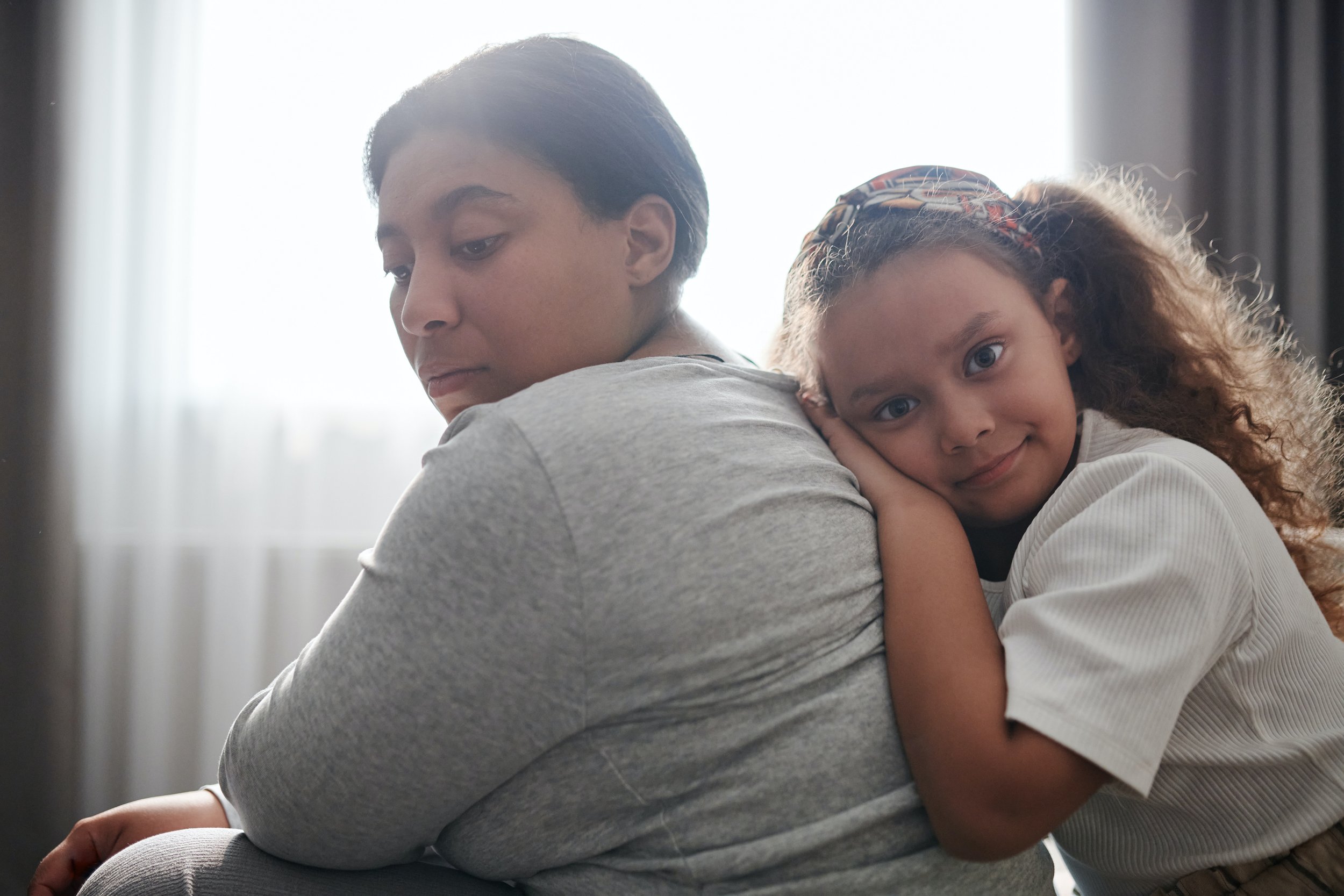
Incoming federal tax cuts will heavily favor Hawaiʻi’s wealthiest residents
The State of Hawaiʻi has an obligation to shore up its revenue through tax policies that make the wealthiest among us pay their fair share.

Federal transportation cuts threaten Hawaiʻi’s health and climate goals
With $131 million in transportation funds at risk, Hawaiʻi faces the possibility of lasting harm to our island infrastructure, and inhibited mobility for residents who rely on walking, biking and public transit.
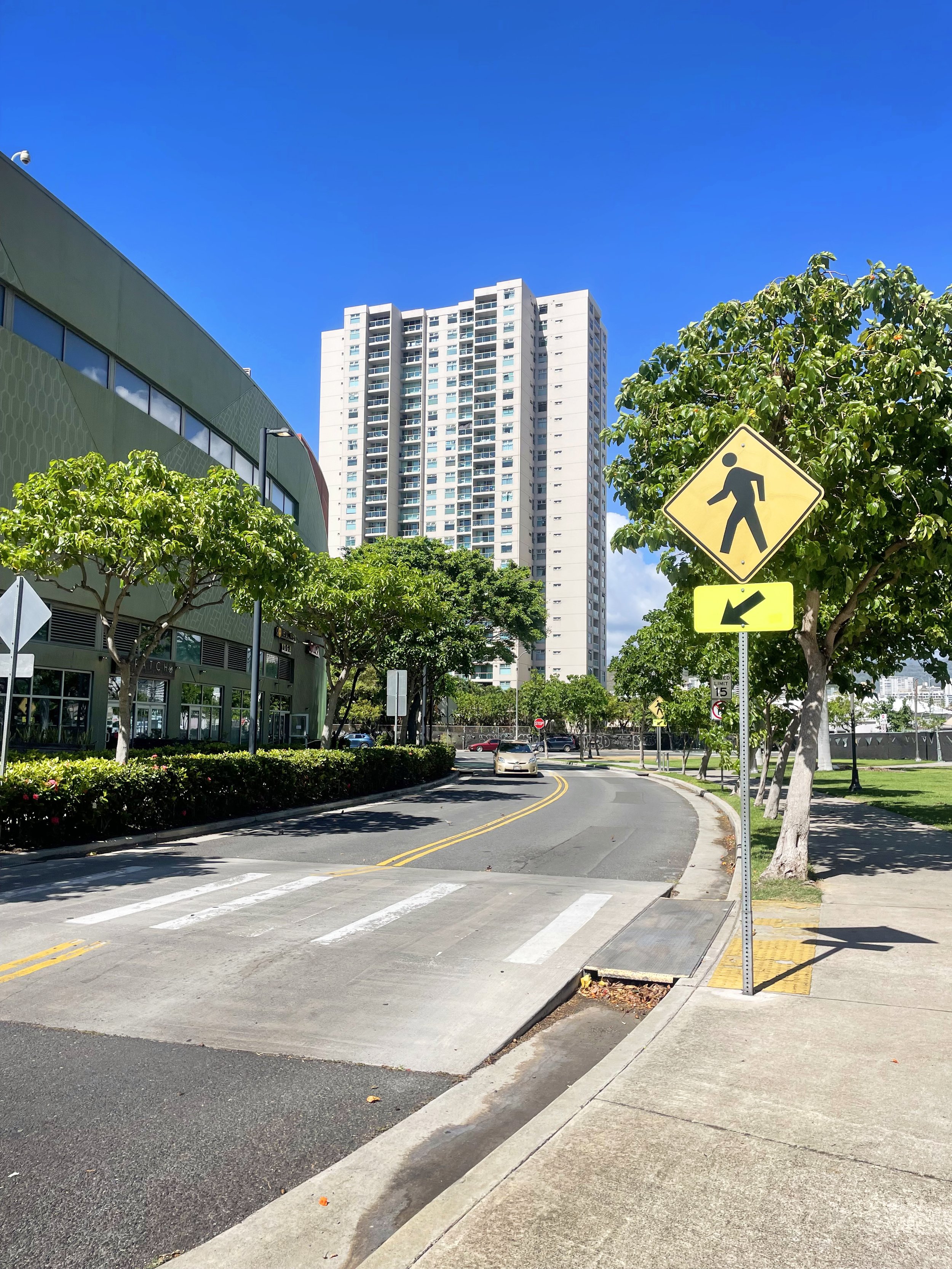
For a healthier, happier Hawaiʻi, transportation spending must prioritize bicycle and pedestrian infrastructure
Investing in the Safe Routes to School fund is a critical step in transforming our transportation system to meet the needs of all residents—pedestrians, cyclists and drivers alike.
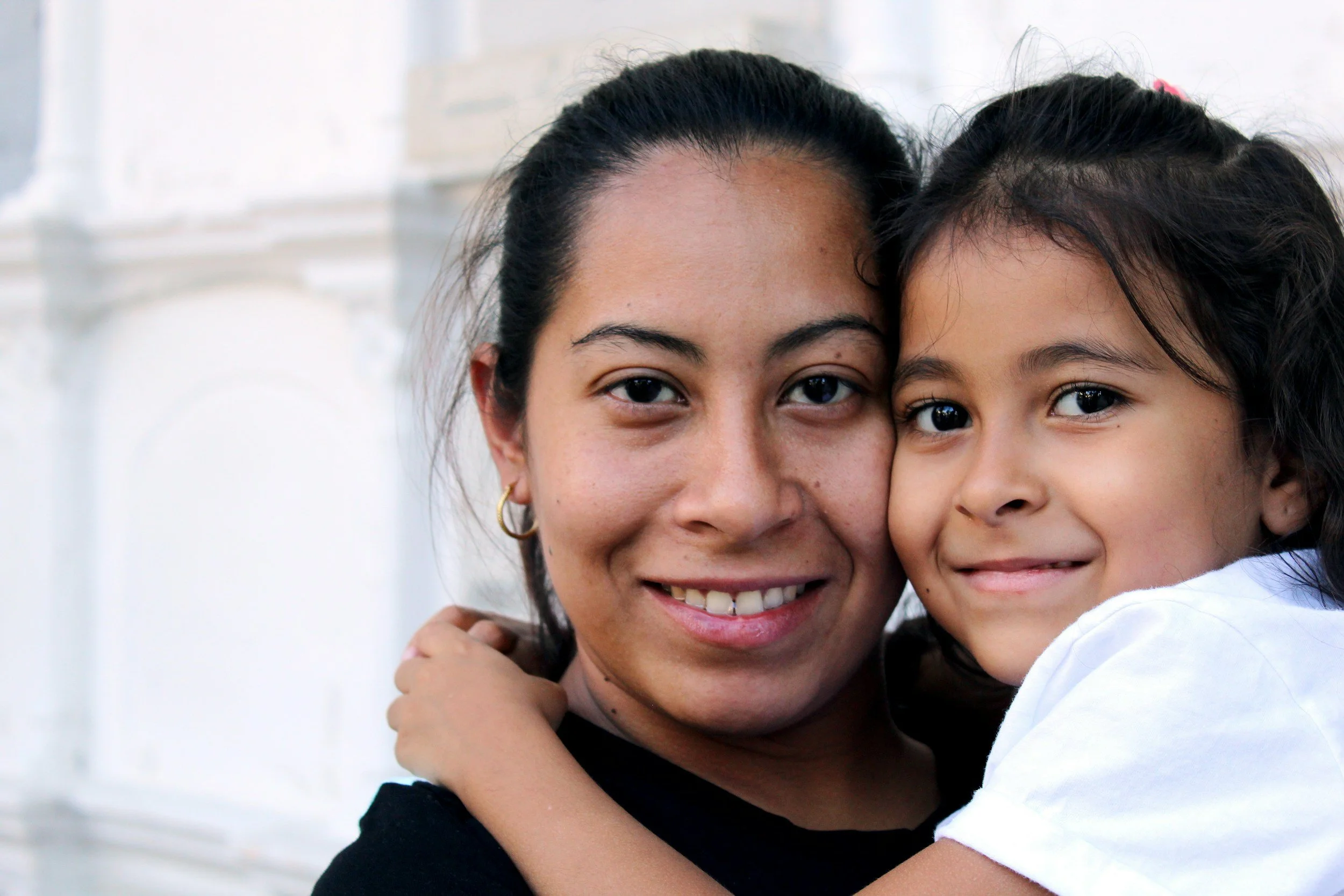
Hawaiʻi’s 2025 legislature focused on raising tax revenue to prepare for federal cuts
Assessing a proper tax rate on corporations and the wealthy will be necessary to produce a budget that can fund critical safety net programs and investments in our future.
Building a better path to success for Hawaiʻiʻs Keiki
Hawaiʻi’s 2025 legislature boosts safe routes to school and student transportation.

Reducing the burden of pedestrian fines and fees with Freedom to Walk legislation
At a societal level, we seek to shift public resources away from penalizing pedestrians and toward addressing the root causes of traffic violence.
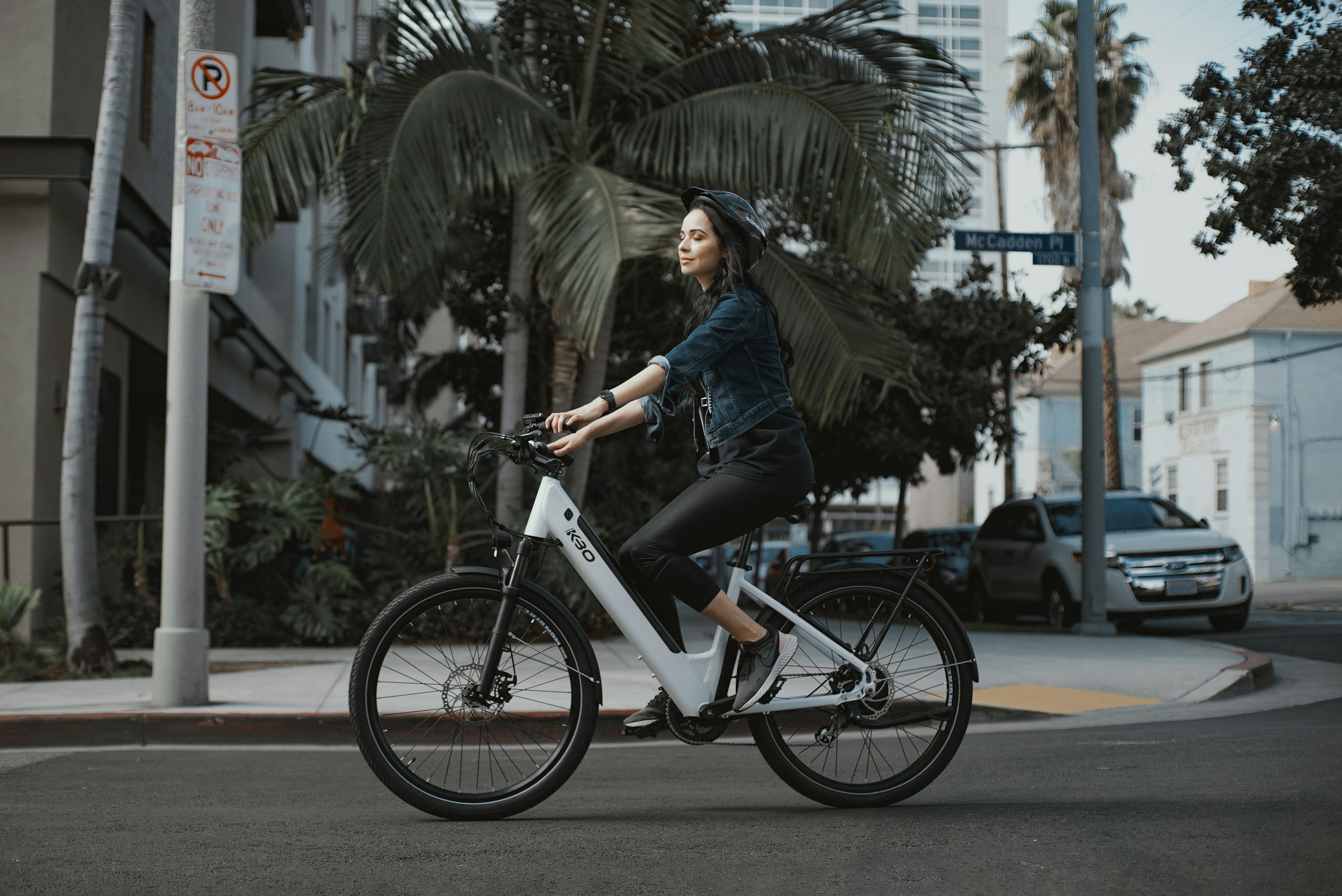
Expand the state’s e-bike rebate program to improve mobility options
Now is the time for the state to expand the electric bike and moped rebate program to lower household transportation costs, reduce vehicle costs, and increase resident’s physical activity.

Keiki poverty more than doubled last year without the expanded Child Tax Credit
Hawaiʻi lawmakers have an obvious solution at their disposal, if they are willing to act on it.