
Recent shifts in federal spending could put more than $131 million in transportation funds for Hawaiʻi at risk. These budget cuts, alongside President Trump’s administrative directives, are poised to leave lasting negative impacts on our island infrastructure, and to make mobility even more challenging for residents who rely on walking, biking and taking transit.
Paused Federal Programs
There are two types of federal funding: discretionary funding and formula-based funding. Discretionary funding is typically awarded through competitive grant applications, while formula-based funding is awarded based on population. While formula-based funding for highway construction will likely to go unscathed, the administration’s new transportation guidelines could eliminate funding for programs related to diversity, equity and inclusion, environmental justice, climate change, and the Justice40 Initiative.
In January 2025, key programs funded through the Infrastructure Investment and Jobs Act and the Inflation Reduction Act were suddenly frozen. This action stems from Executive Order 14154, “Unleashing American Energy.” Although this Executive Order claims to target electric vehicle infrastructure grants, its sweeping language has effectively paused a range of programs that fund multimodal infrastructure, such as the Thriving Communities program and the Reconnecting Communities pilot grant program.
These programs were slated to fund multimodal infrastructure, such as pedestrian walkways, bike infrastructure, and transit projects. These types of projects have been shown to reduce vehicle travel, improve roadway safety, and provide essential access to schools, jobs, and healthcare.
Perhaps most troubling is the lack of clarity. Federal reviewers have begun re-evaluating grant applications for the use of certain keywords—such as “equity,” “climate,” or “community engagement”—which could flag projects for rejection. Meanwhile, the administration also promises to prioritize federal funding for transportation projects with user-pay models and high economic returns.
New Trump Administration Initiatives
The Trump Administration has also put forward new transportation policies, such as prioritizing funding in communities with high birth and marriage rates. While these guidelines are vague, and sometimes conflicting, initial analysis by the Urban Institute shows that census tracts with low marriage and birth rates tend to have a higher number of households without a car, and more individuals who walk, bike, or take transit to work. This suggests the administration is shifting funding away from communities that rely on multi-modal transportation, and toward communities that rely on cars.
The “Big Beautiful Bill,” signed by the Trump Administration, suspends the bicycle commuter benefit, provides new subsidies for large vehicles, rescinds billions of climate- and equity-related transportation projects, and ends the EV tax credit, threatening efforts to improve access to active transportation, and to reduce transportation greenhouse gas emissions.
Figure 1. Transportation Habits of U.S. Households
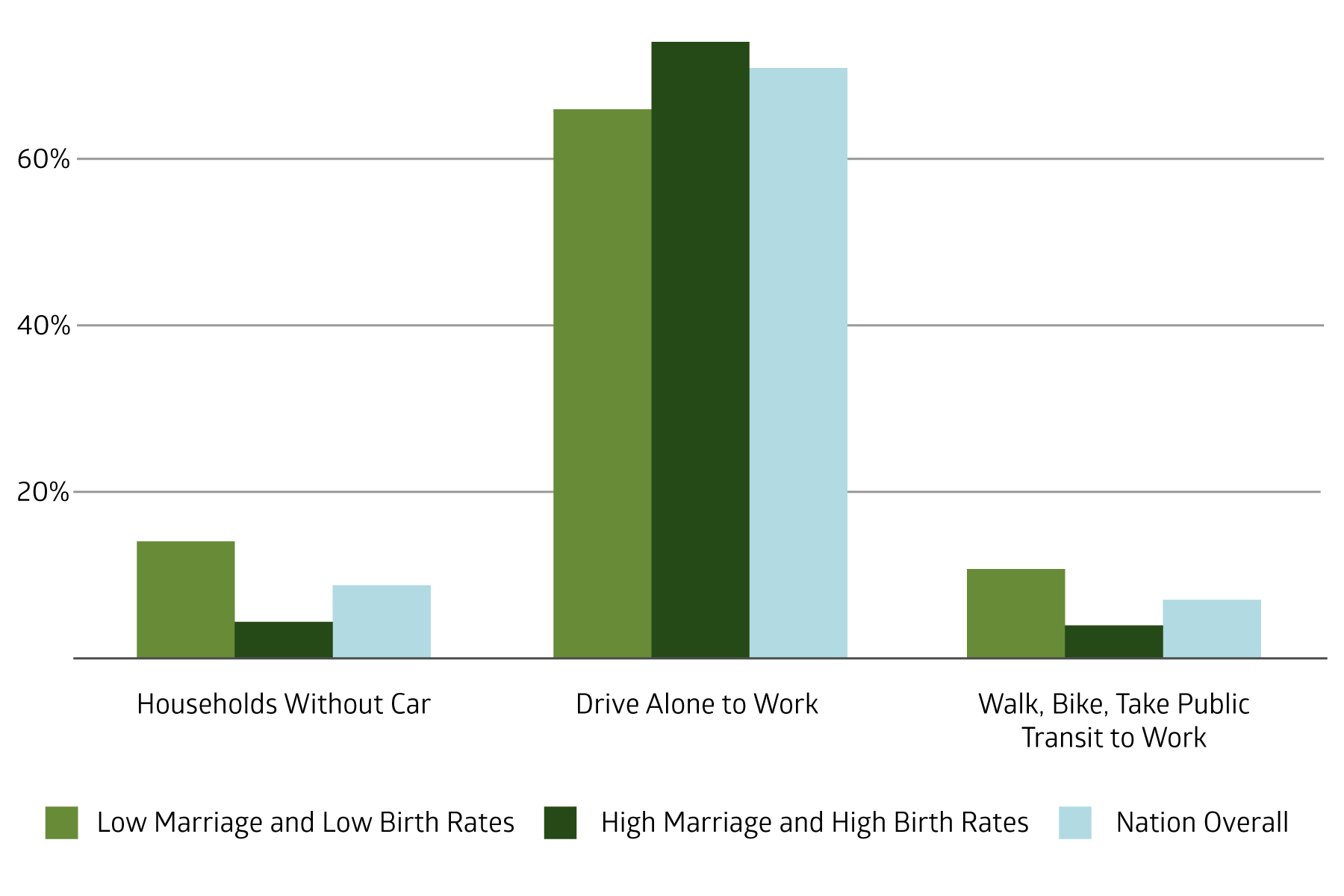
Figure 1. An Urban Institute analysis of U.S. Census Bureau American Community Survey 2019–2023 five-year data, census tract level.
What’s at Stake for Hawaiʻi
Federal funding is the state’s largest revenue source for transportation projects, making up nearly half of the Hawaiʻi Department of Transportation’s Capital Improvement Program (CIP) budget. Under Trump’s federal spending freeze, Transportation for America estimates that Hawaiʻi could potentially lose more than $131 million in transportation funds—amounting to a staggering $91.25 per Hawaiʻi resident. This is substantial, considering the state’s transportation CIP budget has averaged about $700 million over the last 10 years.
This comes at a time when traffic congestion, air pollution, household transportation costs, and traffic fatalities are all rising in Hawaiʻi, due in part to the state’s increasing rates of vehicle travel. Loss of federal funding for multimodal infrastructure will make efforts to reduce vehicle travel even harder.
Figure 2. Federal Transportation Funding at Risk, Per Capita
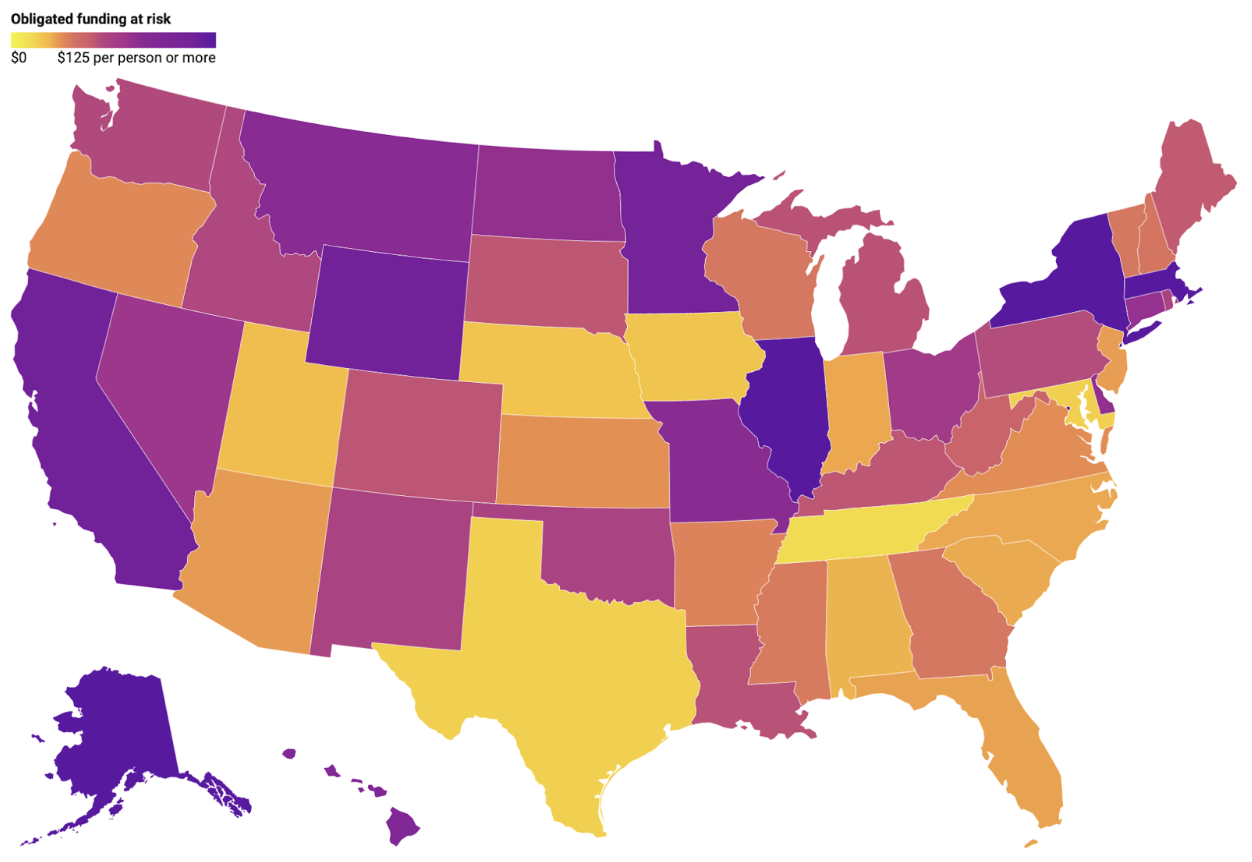
Figure 2. A Transportation for America analysis of federal disbursements at risk from the U.S. Department of Transportation’s “Woke Rescission” memo. The data is broken down by per capita spending and displayed as a heat map.
The stakes for reducing vehicle travel in Hawaiʻi are high. According to a RMI analysis, if Hawaiʻi were to reduce its per capita vehicle travel by 20 percent, it would result in:
8 million metric tons of green house gas emissions savings.
$1,701 average household savings (from fuel, maintenance, and vehicle depreciation).
127 fewer deaths each year, due to reduced traffic fatalities, and improved air quality and physical activity.
Given the importance of reducing vehicle travel, it’s critical that the state step in and fund multimodal infrastructure to ensure all residents, regardless of age, income, or physical ability, can travel to where they need to go.