
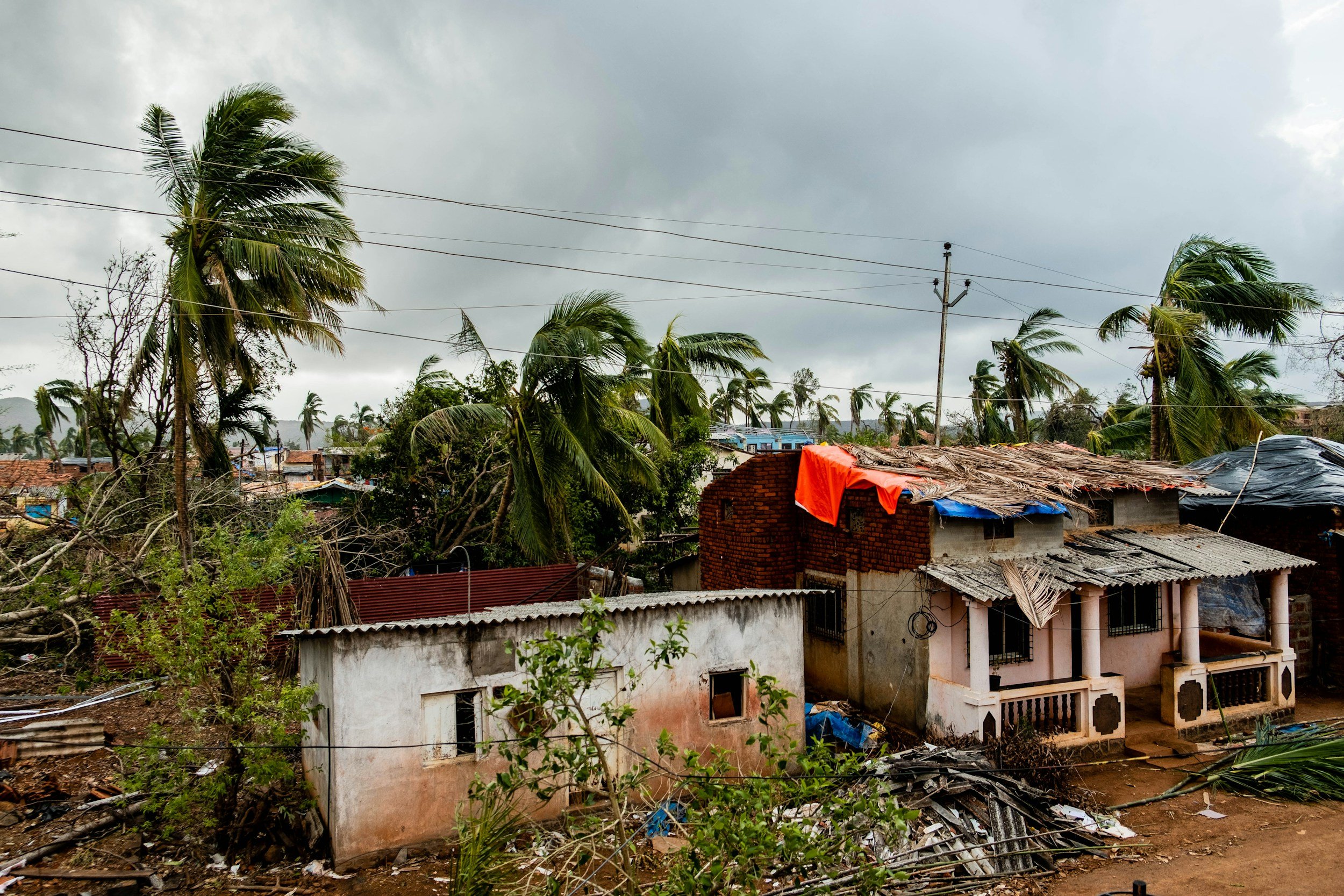
Struggling on the frontline of collapse: Why a living wage is climate justice
A minimum wage increase is not just an economic policy. It is also a climate justice imperative.

Moving toward a future where transit works for everyone
While measures in Hawaiʻi may not have advanced this session, the conversation around transit equity is far from over.
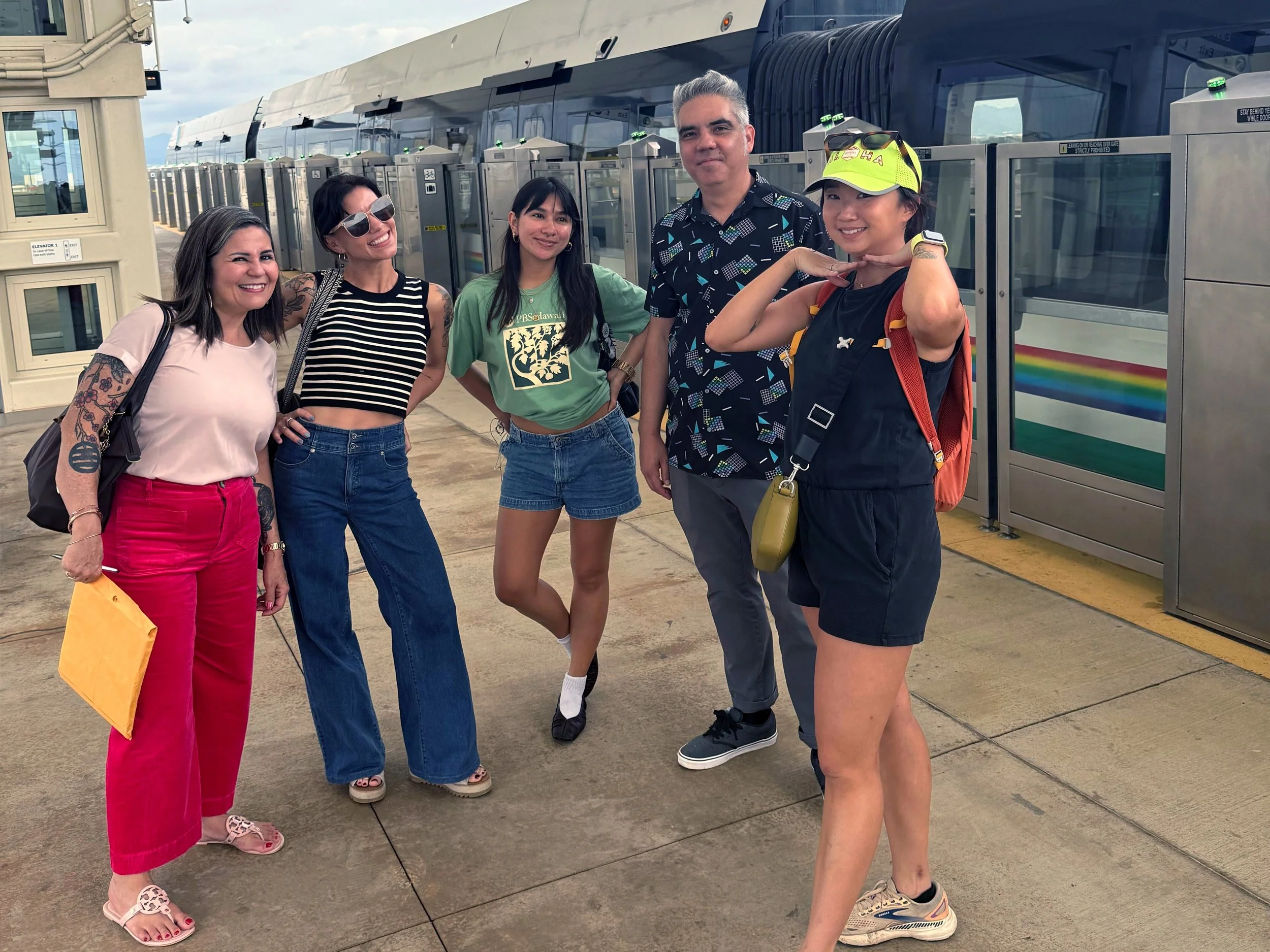
The great Skyline adventure: Hawaiʻi Appleseed tests the walkability of areas around rail stops
Success will require partnership across state and county lines, but the goal is shared: turning the areas around rail lines and high capacity bus routes into places where people can live, work and meet daily needs without the necessity of getting back into a car.
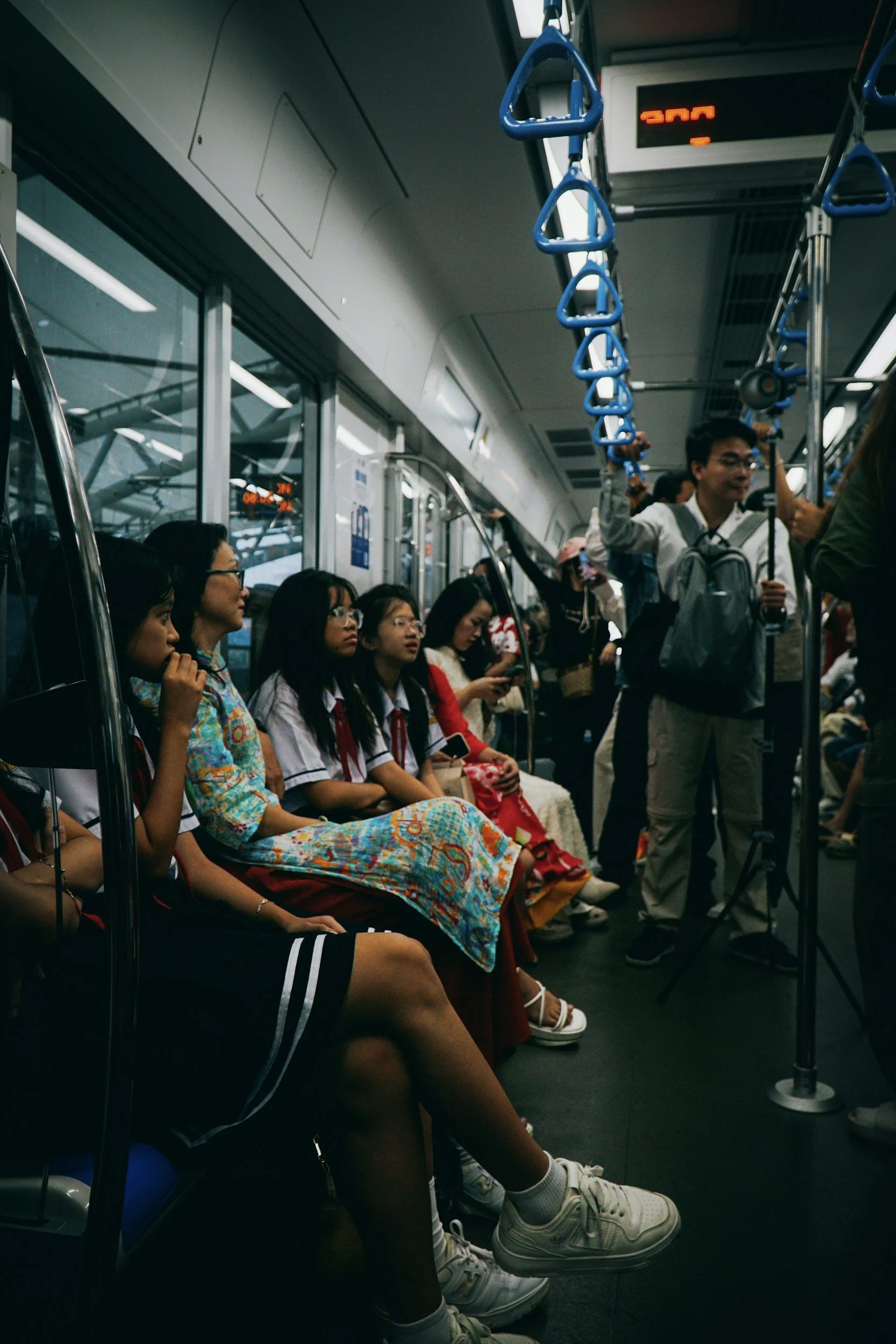
Keiki Ride Free: Building a more connected Hawaiʻi
By removing financial barriers to public transit, Hawaiʻi can empower young people to participate fully in their communities, while easing family costs and supporting climate goals.

Federal transportation cuts threaten Hawaiʻi’s health and climate goals
With $131 million in transportation funds at risk, Hawaiʻi faces the possibility of lasting harm to our island infrastructure, and inhibited mobility for residents who rely on walking, biking and public transit.
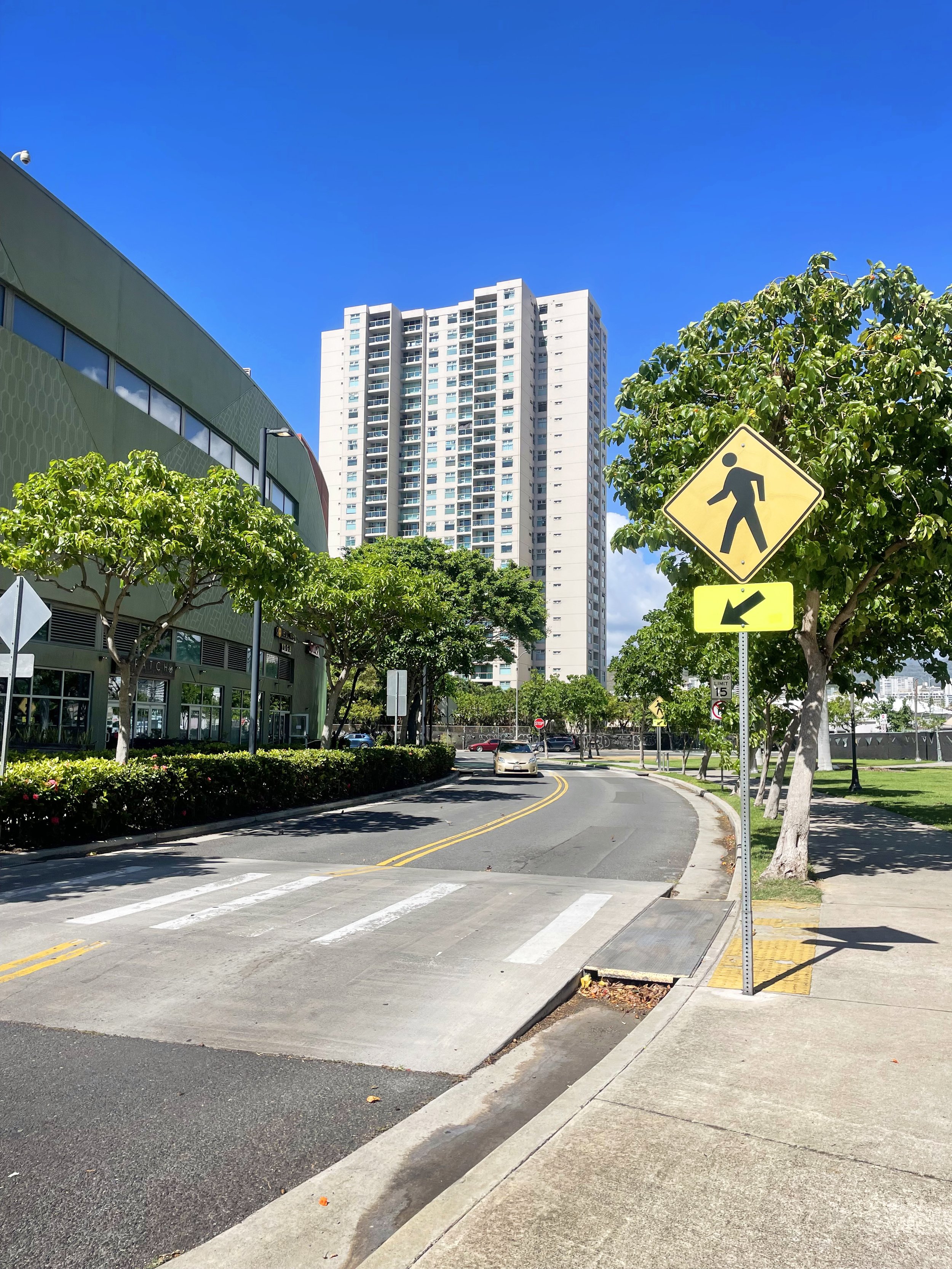
For a healthier, happier Hawaiʻi, transportation spending must prioritize bicycle and pedestrian infrastructure
Investing in the Safe Routes to School fund is a critical step in transforming our transportation system to meet the needs of all residents—pedestrians, cyclists and drivers alike.

Invest in Safe Routes to School to improve pedestrian safety in Hawaiʻi
Federal funding freezes, requirements from the Navahine lawsuit settlement, and worsening traffic and its associated negative impacts—why state lawmakers shouldn't wait to invest in Safe Routes to School.
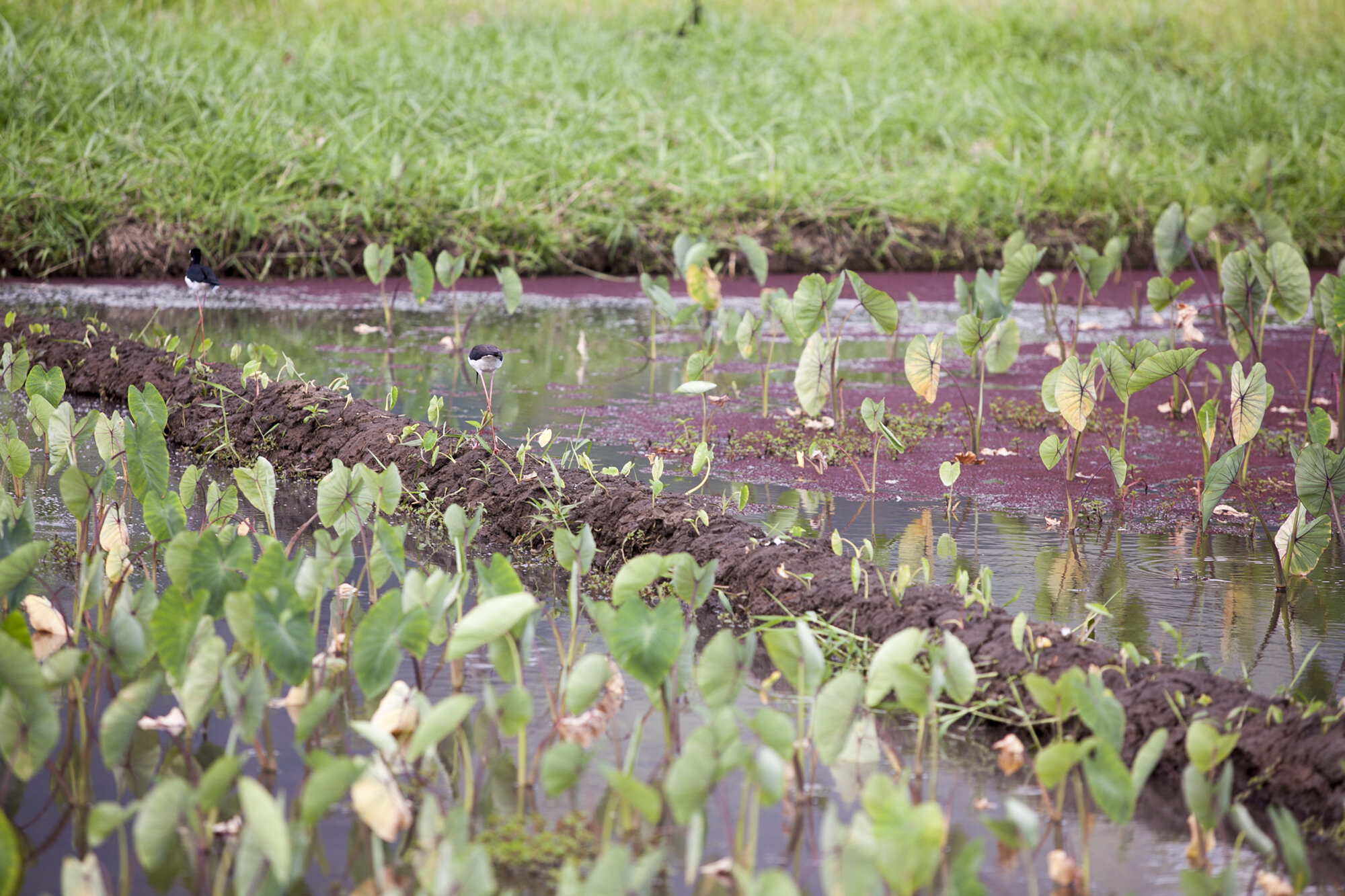
Lawmakers must do more to invest in Hawaiʻi regenerative agriculture
The success of sustainable agriculture in Hawaiʻi will be contingent on sizable government investments in both small-scale farmers and the agencies that serve them.
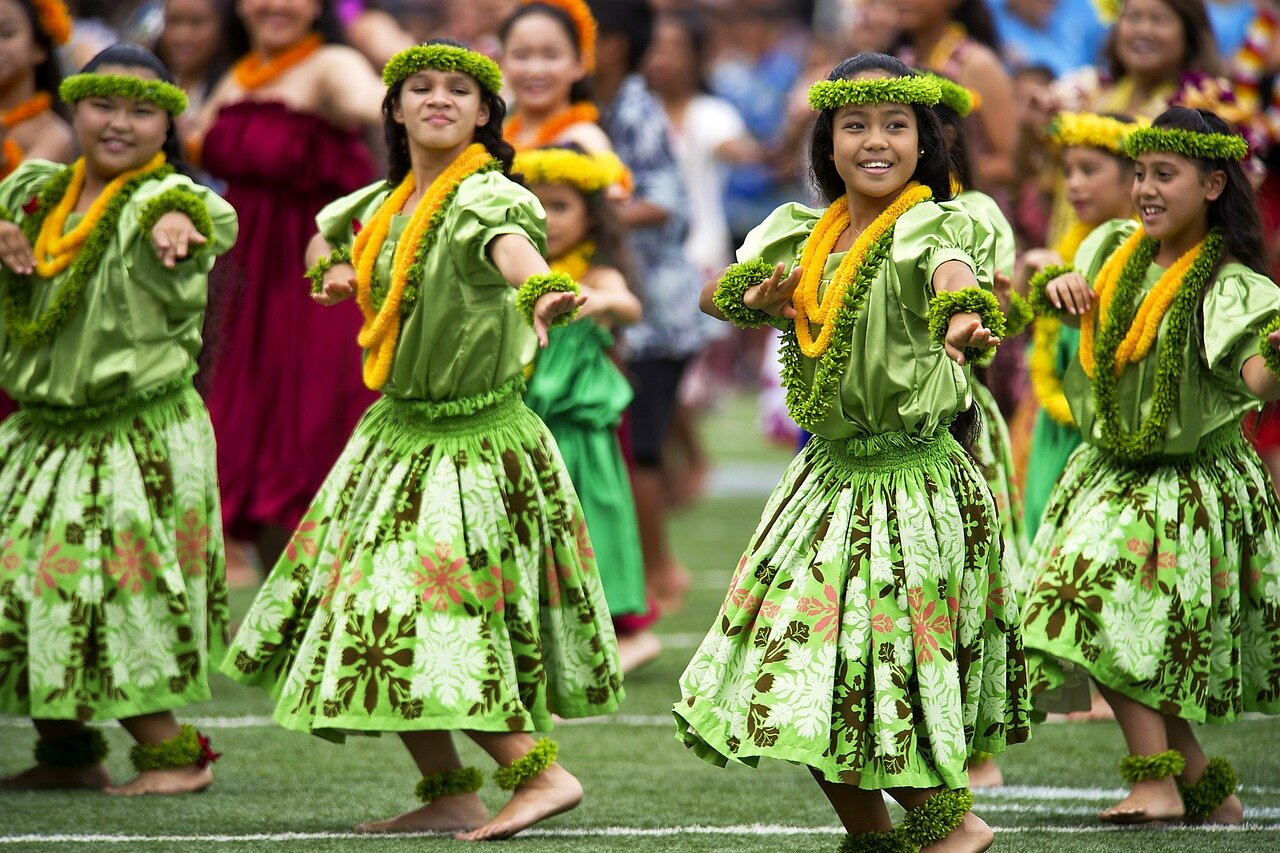
Native Hawaiian healing from white settler injustices and continued discrimination
Racial healing is no less urgent in Hawaiʻi than it is across the nation. We must advance solutions that support and restore Native Hawaiian self-determination.

Cutting state contracts would hurt the private sector economy
Cutting contracts with nonprofit organizations that provide essential services would be as devastating to the economy as cutting state worker hours.

Now is the time to talk about Pōhakuloa Training Area
The Mauna Kea protests show the growing desire to conserve and protect Hawaiʻi’s natural environment and culture from exploitation and abuse.

We need a visitor recreation fee to benefit Hawaiʻi
The COVID-19 pandemic has highlighted our dependency on tourism, and the need to create a more sustainable and less exploitative version of the industry.