
Powered by the people: How Hawaiʻi Appleseed’s community-first focus can create change—with your help
Hawaiʻi Appleseed works to create economic security for Hawaiʻi residents through improved public policy. In the more than 20 years since its creation, the work of Hawaiʻi Appleseed has evolved from a focus on impact litigation to one on policy advocacy. During that time, we’ve come to recognize how critical it is that the roots of our efforts to create change originate from within the communities we hope to serve.
Putting “people first” is more than a mantra for Hawaiʻi Appleseed—it is one of the core values written into our mission, and it manifests throughout our strategic plan as a commitment to listen to the voices of the community first, before asking them to engage in the advocacy process at the legislature or city councils with us.
Transportation equity—Hawaiʻi Appleseed’s most recent addition to its portfolio of issue areas—is a prime example of this philosophy at work. Transportation barriers impact almost everyone in highly tangible ways, sometimes on a daily basis. Residents need to have the transportation means to safely and affordably access food, housing, schools, jobs and services. This is absolutely essential.
Very often the solutions to addressing these barriers are localized—even down to the neighborhood level—and no one will have better insights than the community members themselves. Yet, the building of transportation infrastructure is often a top-down process with little attention paid to the needs of underserved groups.
In an effort to model a different approach, in early 2025 Hawaiʻi Appleseed conducted a community transportation needs assessment that focused on understanding the mobility needs of low-income women and caregivers in Waipahu and ʻEwa. In collaboration with community health workers, Hawaiʻi Appleseed distributed a travel survey to residents of these Oʻahu communities. This was followed up with two listening sessions and two design charrettes, in which community participants prioritized which transportation improvements they would like to see in their communities.


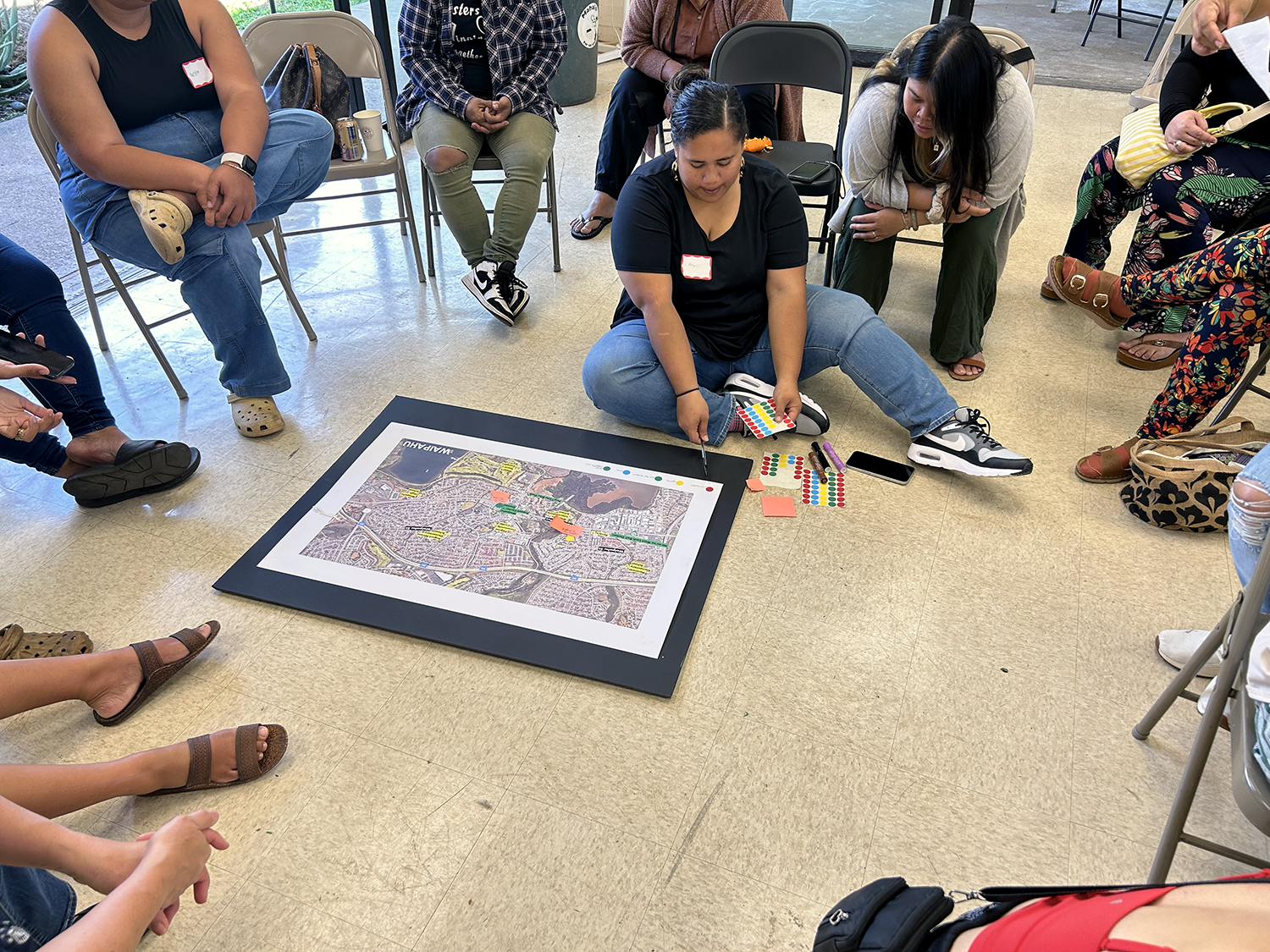

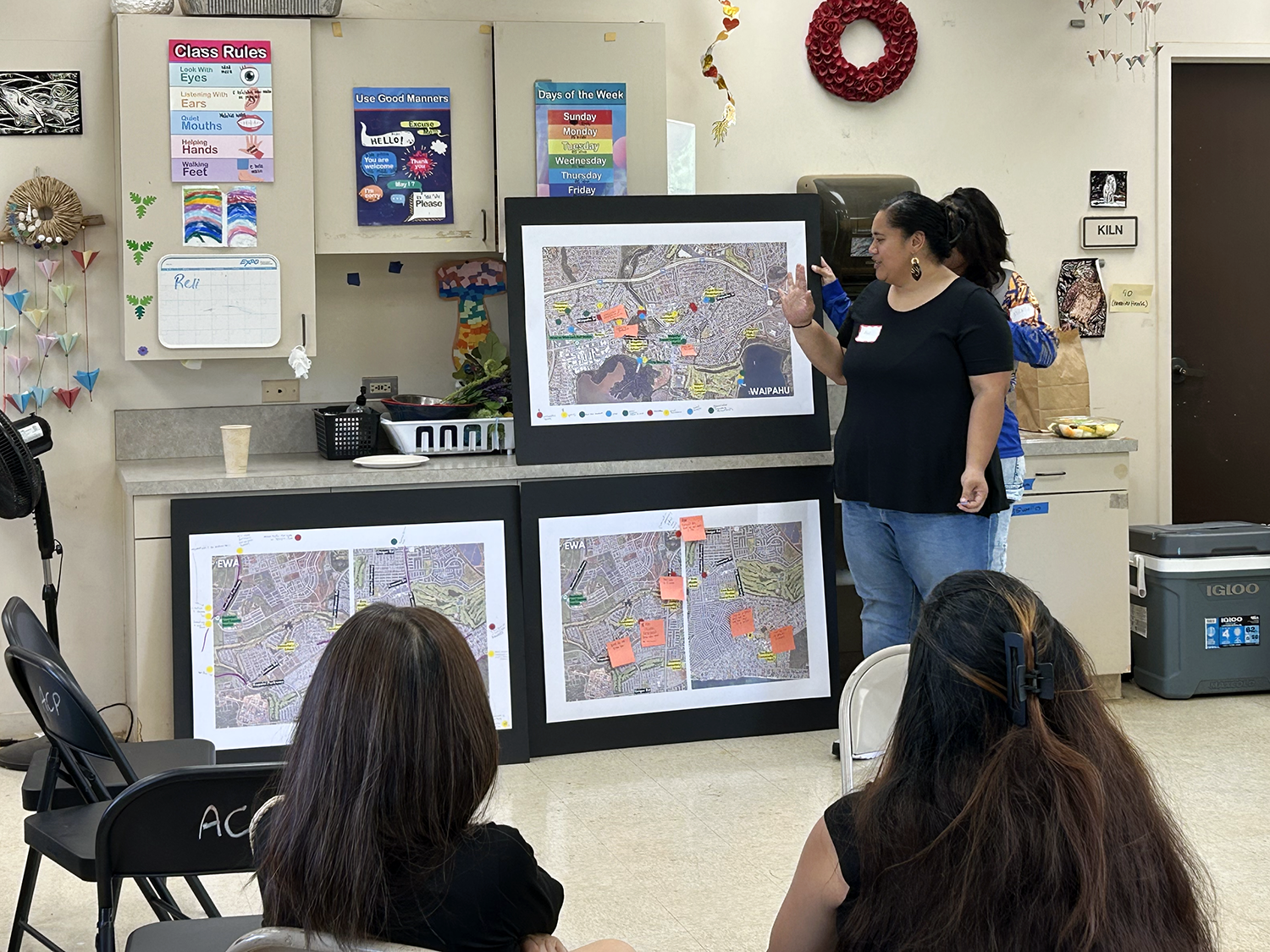
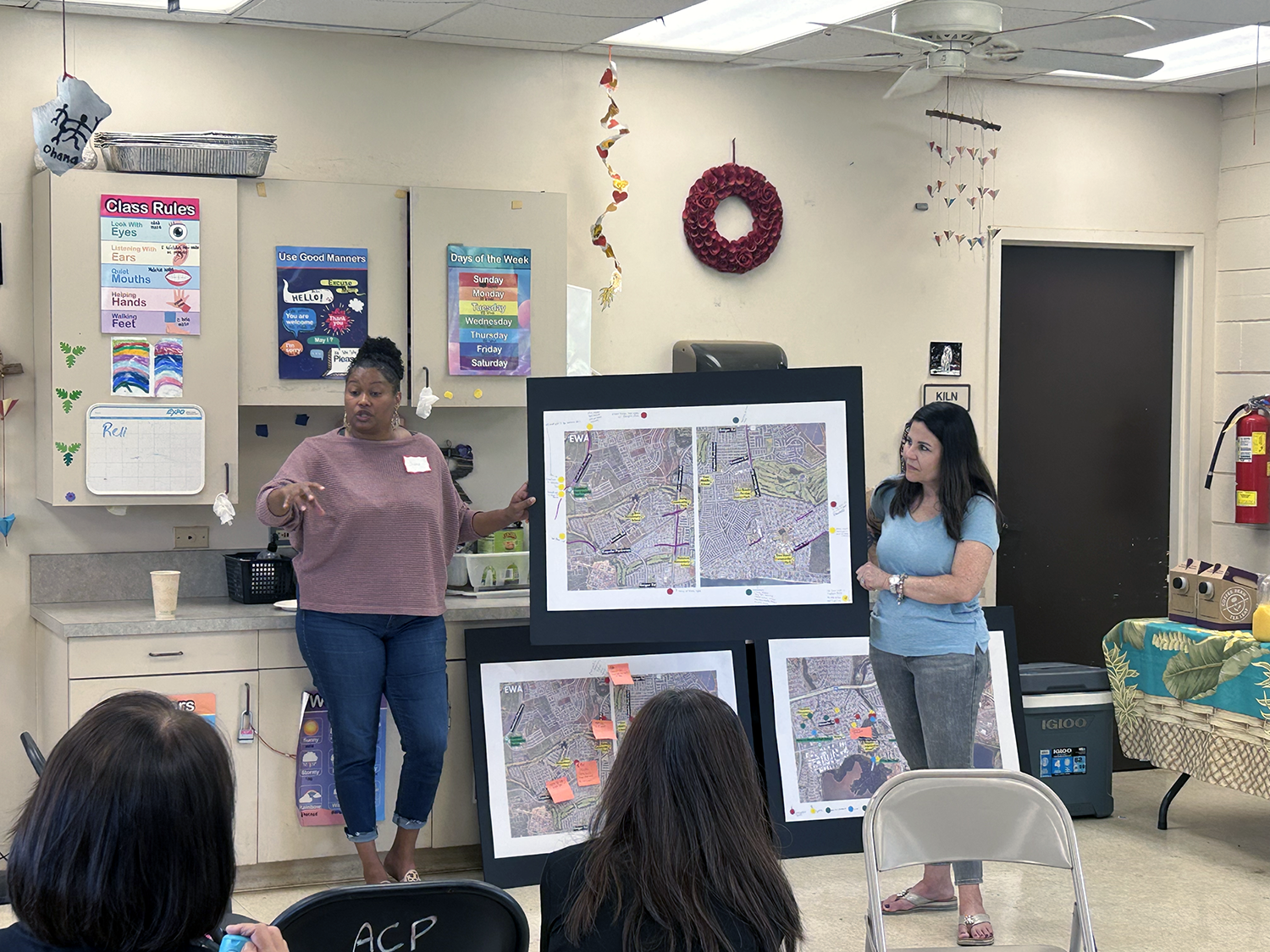


Through this outreach and engagement effort, Hawaiʻi Appleseed developed a plan for pedestrian safety and transit lighting improvements in the area with a focus on intersections and bus stops near public schools and high-ridership transit corridors. These projects were selected because they are the needs identified by the community members themselves. We are now working with funders and government partners to make this plan come to life.
This is just one example of our people-first approach in practice. The process is far from complete and there will always be more work we can do to live that value. When we put people first, it means our policy proposals come from the community—which is essential to turning those proposals into law.
Our work at Hawaiʻi Appleseed is powered by everyday people who believe in the power of public policy to transform government into a force that protects and uplifts those in need. Our work to address the economic challenges facing our communities could not succeed without local people. Thanks to that grassroots support, Hawaiʻi has achieved real progress in just the last few years alone:
Expanding access to meals: Keiki in households earning up to 300 percent of the federal poverty level will receive free school meals beginning in the 2026–27 school year. Reduced price lunches become free this (2025–2026) school year.
Improving transportation access: Secured permanent funding for Hawaiʻi’s Safe Routes to School program, which builds safer, multi-modal options for students within a one-mile radius of schools.
Providing tax relief: Expanded and made permanent Hawaiʻi’s Earned Income Tax Credit, delivering $40 million in tax relief annually to 127,000 children and their families.
Alleviating the housing shortage: Set standards for mixed-income, transit-oriented development along the urban core of the rail line to ensure the creation of a variety of housing that serves local residents.
Hawaiʻi Appleseed is not a direct service organization and, to preserve the independence of our work, we generally do not pursue government funding. This means that the rigorous research, targeted advocacy, and intentional community engagement our staff carries out each day is made possible entirely by private individuals and organizations whose generous support ensures our work is impactful.
This year, your support helped us deepen our connections with the community in ways that directly influenced the policy issues we advanced. For example, the free school meals expansion community forum at McKinley High School we hosted in March was essential to successfully turning legislation into law.
We hope to continue deepening relationships with the people in our community in a way that is fresh, fun and less formal. That’s why, instead of a sit-down dinner, our fundraiser this year will be a Halloween costume party at one of our favorite establishments in the heart of Chinatown—The TchinTchin Bar. This choice also lets us dedicate more of what we raise to the important work of changing systems that perpetuate inequality in Hawaiʻi.
When you buy a ticket to “Fright for Justice,” you’re not just buying a ticket to the hottest Halloween party this year—you’re also standing with us to ensure every Hawaiʻi resident has a fair shot at economic security. We hope you will join us on October 30, or support our event by sharing it with your friends or making a donation.
