Access to reliable, safe, and affordable transportation is the thread that connects us to everything that matters: our jobs, our schools, our doctors, and our loved ones. When that thread frays—when bus stops are unsafe, when sidewalks disappear, when rail stations sit isolated from the neighborhoods they were meant to serve—our health suffers, our opportunities shrink, and our communities fragment.
Transportation equity is not just about moving people from point A to point B. It is about ensuring that every resident, regardless of income or zip code, can fully participate in the life of our islands. That belief sits at the very heart of our work at Hawaiʻi Appleseed. And it’s why we are so excited to share the story of the Pilina Builders.
Hawaiʻi Appleseed is honored to have received an 18-month grant from the Robert Wood Johnson Foundation to support “Creating Healthier Communities: Advancing Livable Neighborhoods & Last-Mile Connectivity in Hawaiʻi’s Transit-Oriented Development.” A core piece of this project is developing the leadership skills of a self-selected cohort of women from Waipahu and ʻEwa. They have fittingly named themselves the Pilina Builders.
The name could not be more perfect for these 10 wāhine. Guided by the ʻōlelo noʻeau, Ma ka hana ka ʻike (in working one learns), they are a diverse, bright, and community-grounded group. Most are mothers, some are public transit users, and several already have leadership experience but are hungry to learn more. All of them are funny, wise, and motivated to grow the untapped power of their communities.
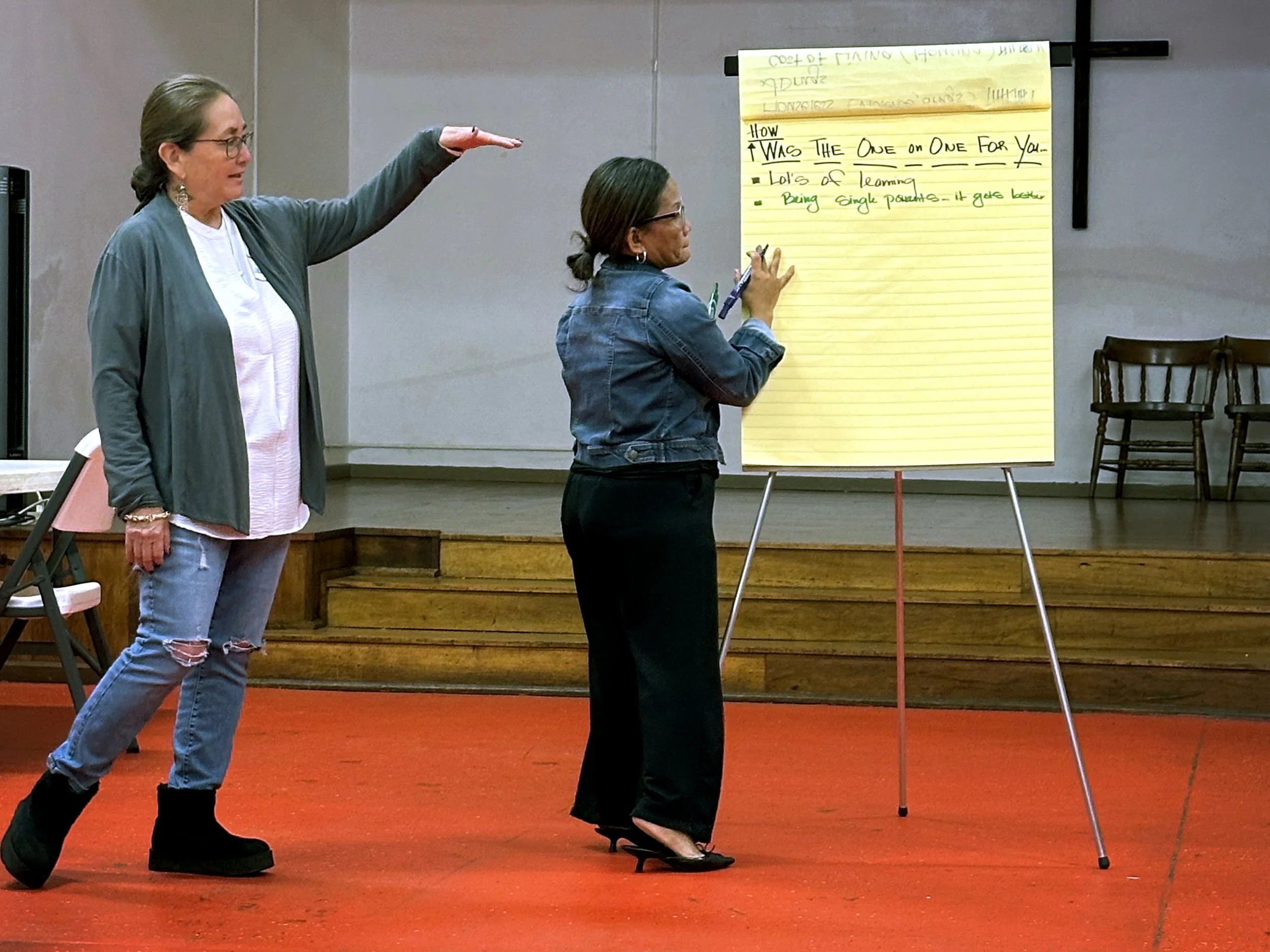
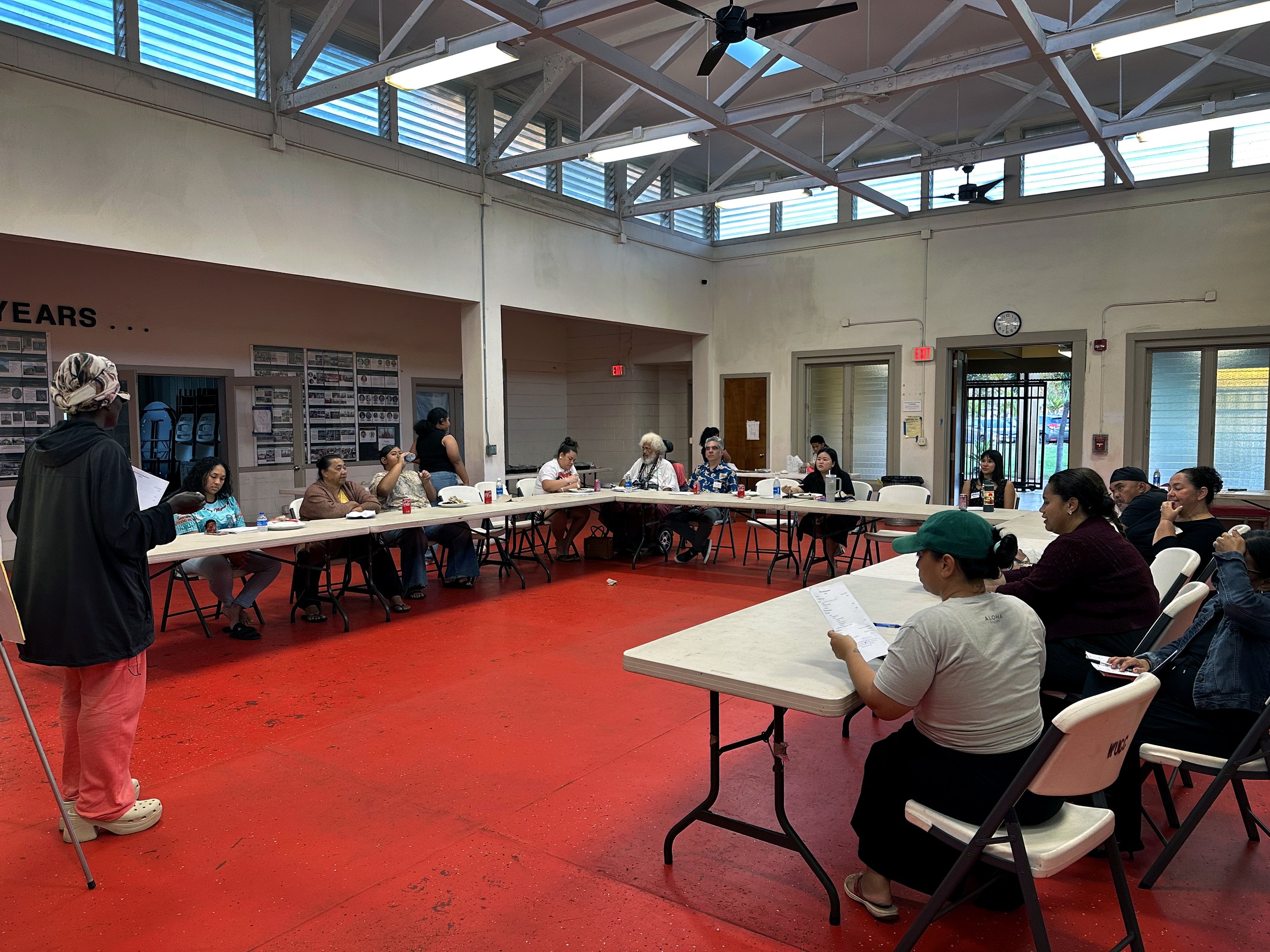
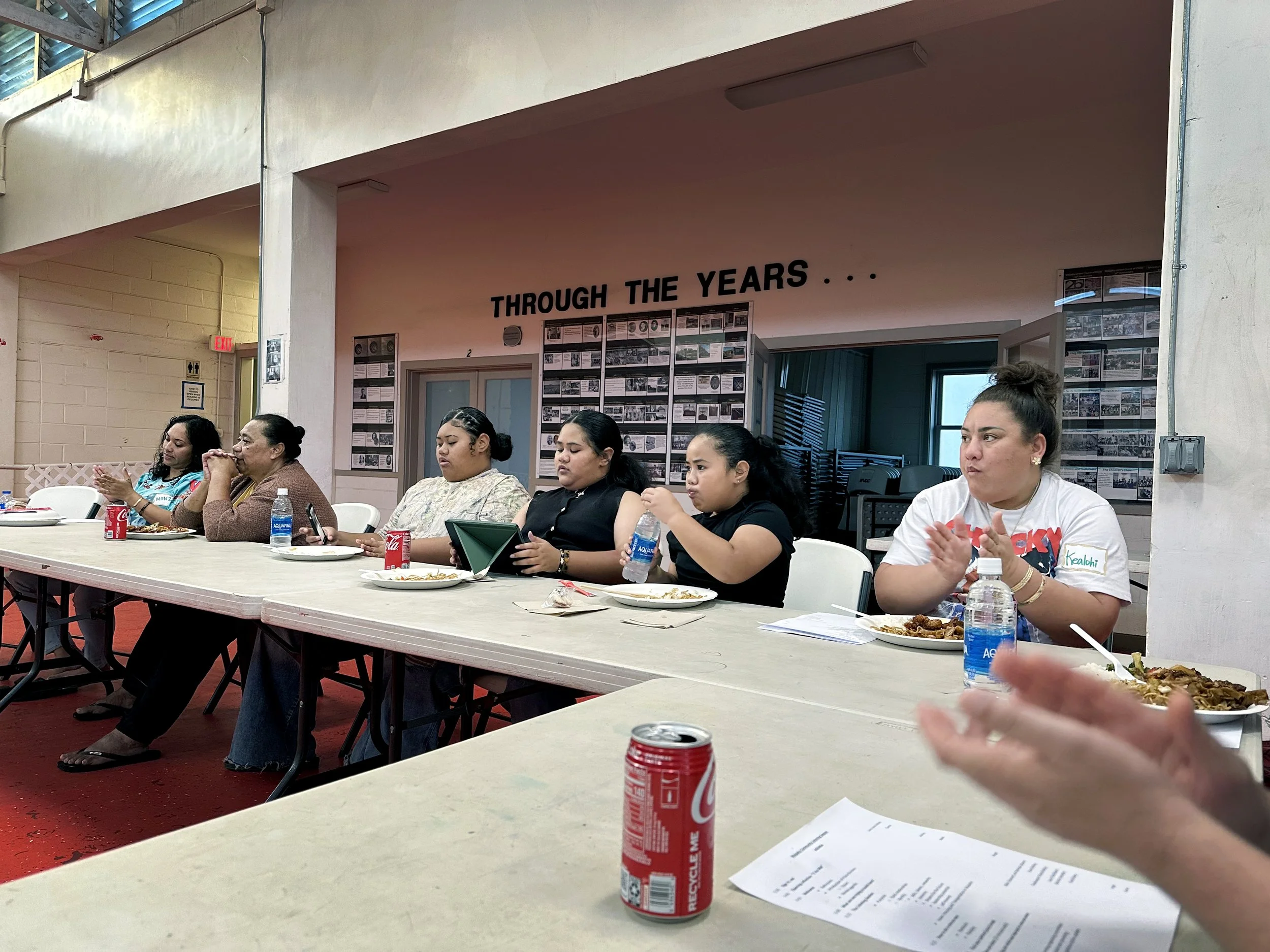
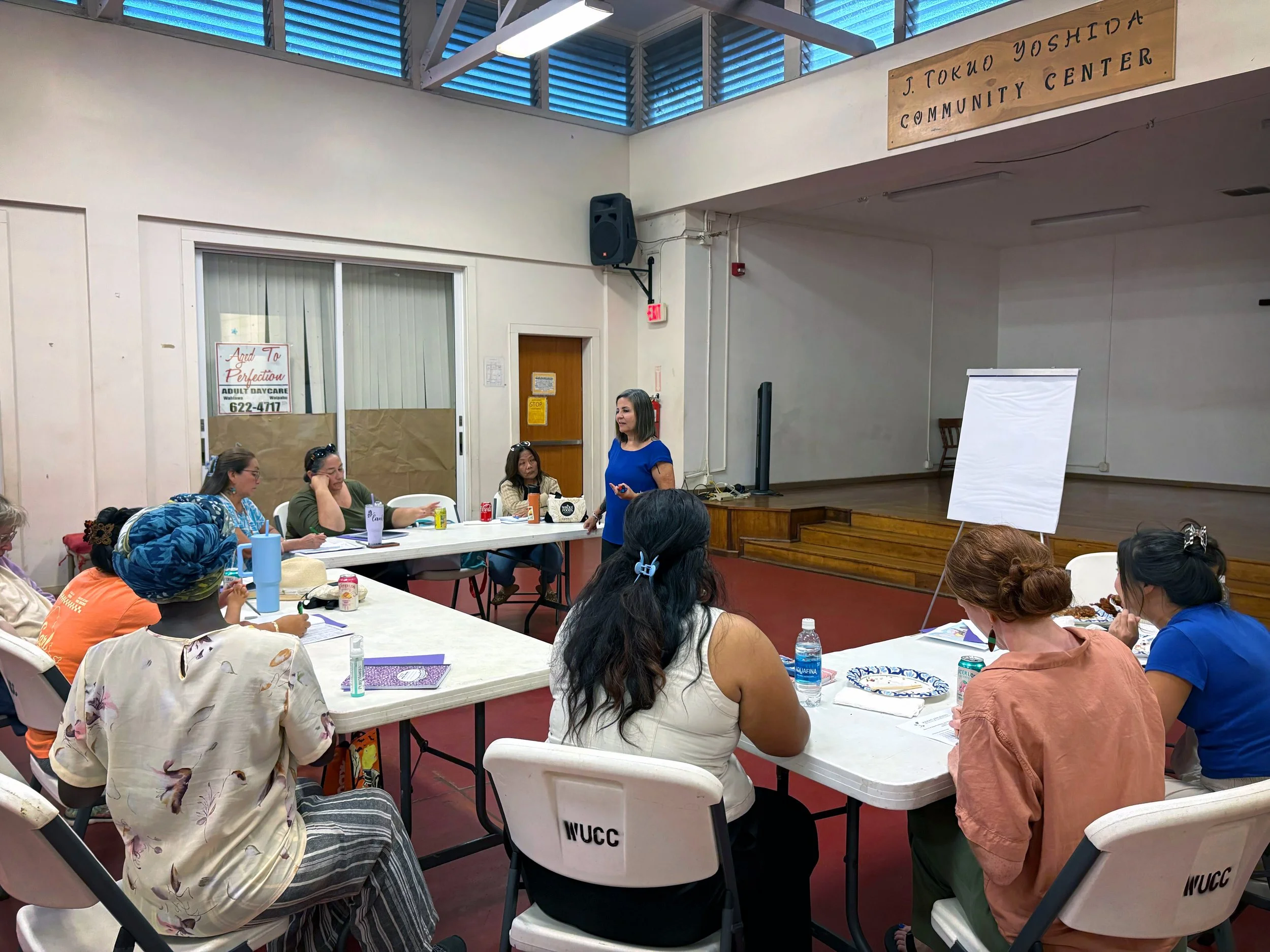
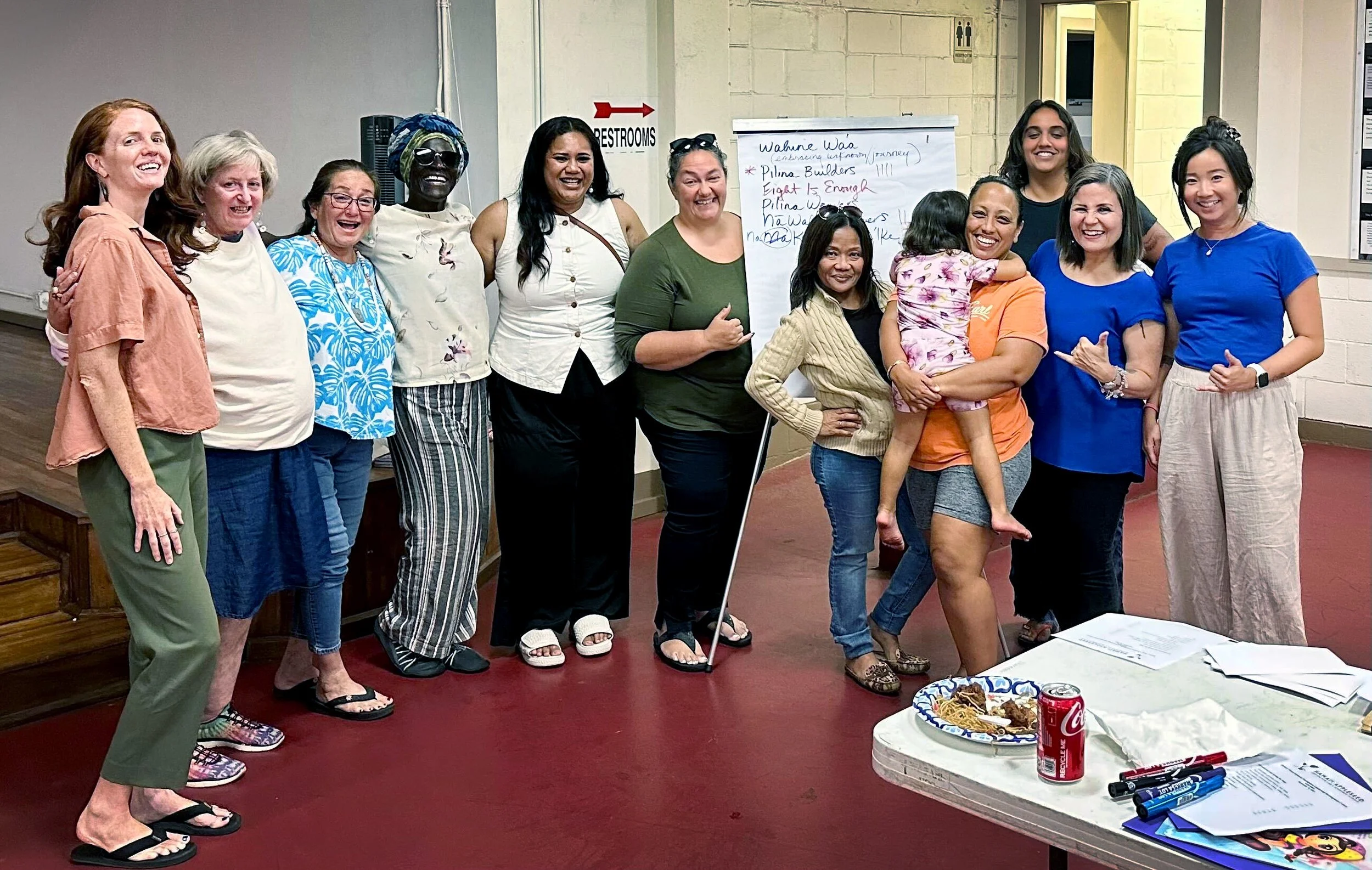
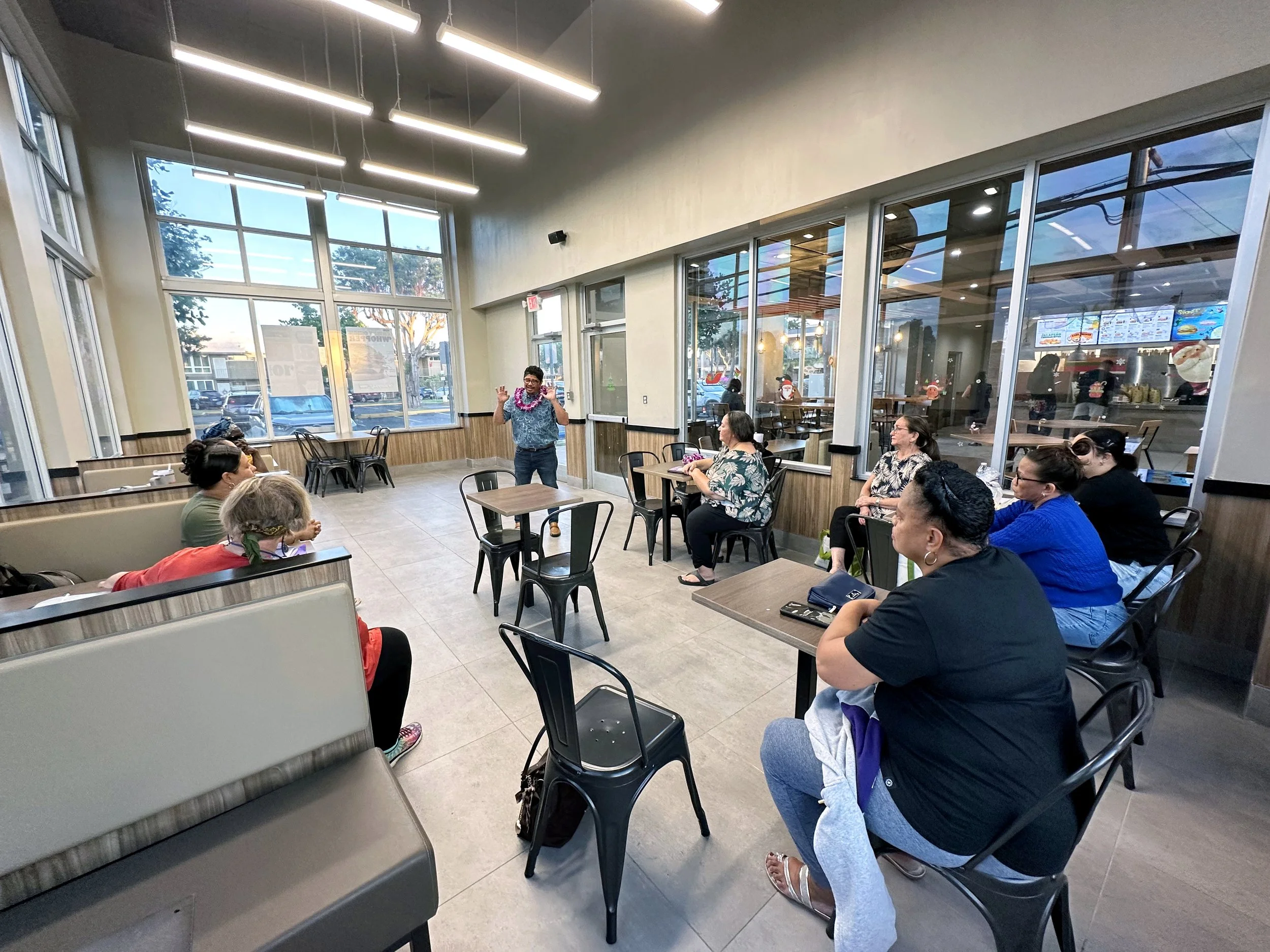
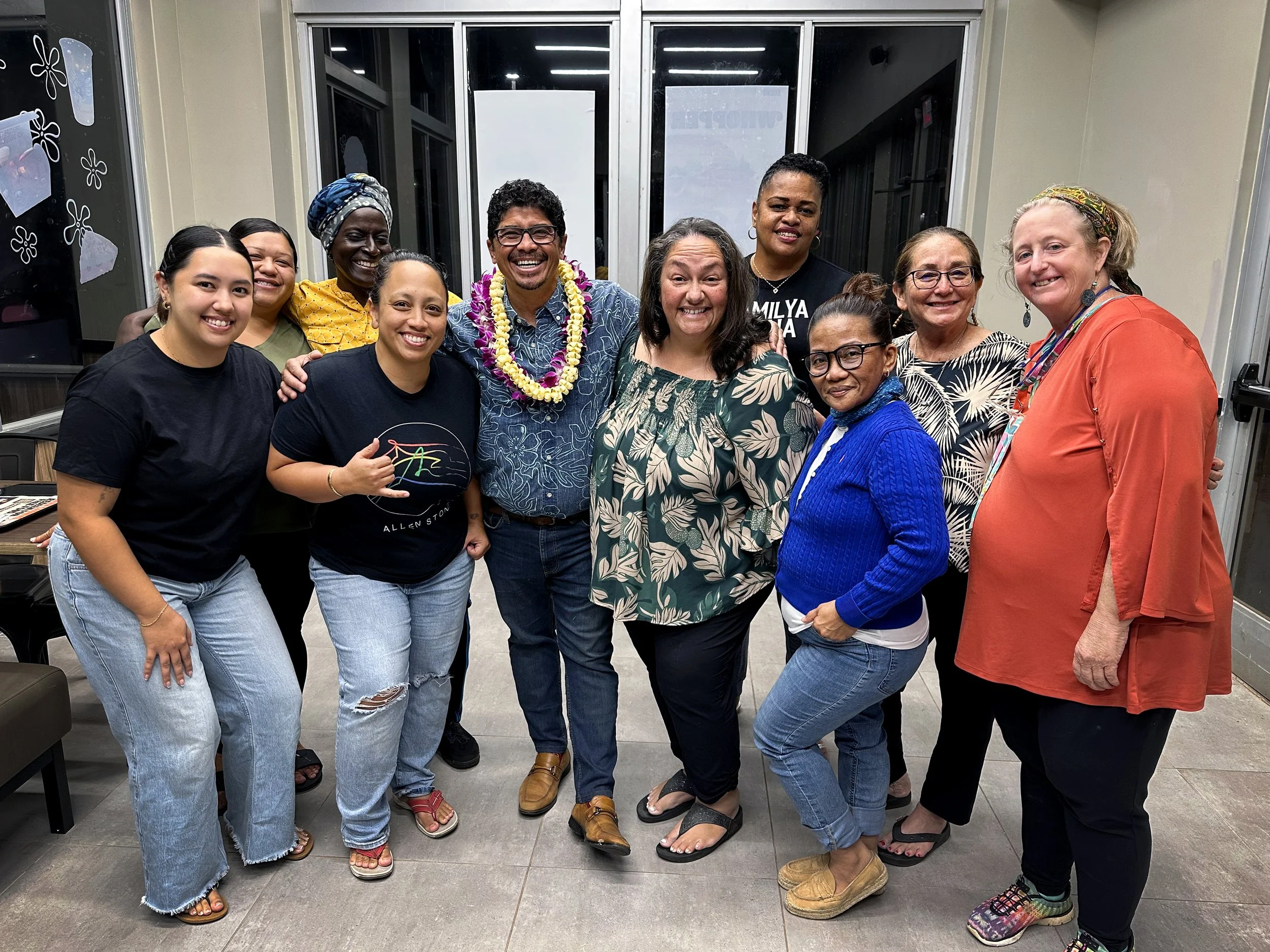
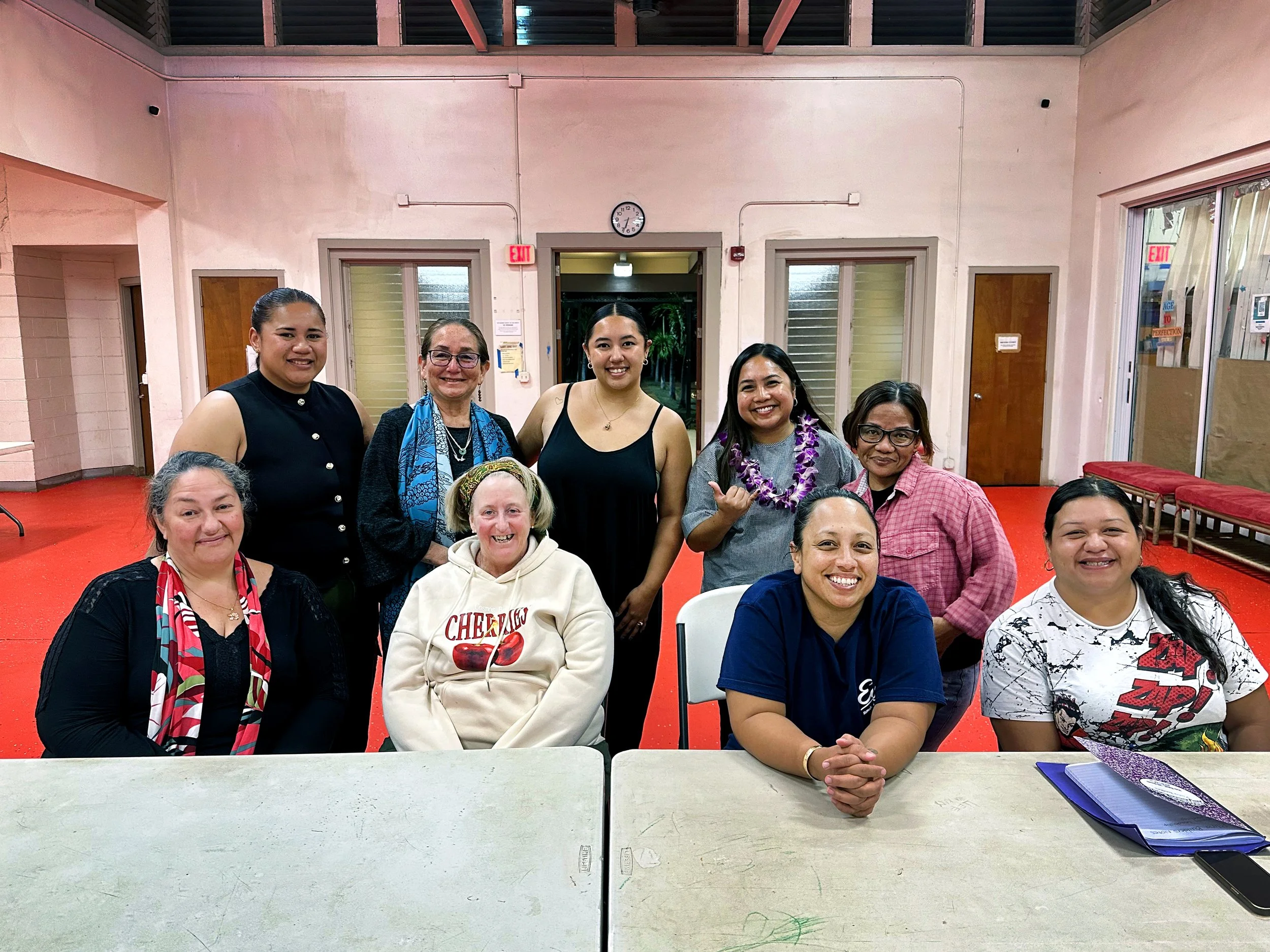
The program launched in September 2025 with eight training sessions. The cohort learned the skillful art of the “one-on-one” (which is really just a purposeful version of our local “talk story” way of communicating), and how it’s used to identify self-interest and potential leaders. They reviewed the tenets of community organizing and dove into lively discussions on land use, zoning, and transportation policy around Transit-Oriented Development (TOD). They even invited State Senator Rachele Lamosao and Honolulu City Councilmember Augie Tulba to talk story about making their communities better.
The workshops culminated in a celebration and graduation last December, complete with ono Hawaiian food. After a well-deserved break, the Pilina Builders were back in action at the start of the year.
Their next challenge: hosting and facilitating two community listening sessions in Waipahu and ʻEwa. Their goal was to gather insights on local transportation, housing, economic, health, and safety challenges. Over 20 new residents attended each session—many for the first time. They built relationships and filled the rooms with warmth, good energy, and laughter.
Because rail is coming through their communities, residents in these areas are keenly aware of the needs of everyday people who rely on transit. They spoke to issues of connectivity, safety, and accessibility. Their insights were sharp, their ideas fresh, and their energy contagious.
There is no time to waste. Next month, the Pilina Builders will invite listening session participants to follow-up meetings in both communities. Attendees will form working groups, meeting monthly or more as needed. They will prioritize the issues identified, assign tasks, and each bring one or two more people to the next meeting. The cohort is not just developing their own leadership skills—they are building them in others. This is how people power grows.
This summer, after concerns are prioritized and developed into actionable issues, the cohort will lead working group members in putting organizing strategies into practice. Together, they will engage public officials and decision-makers to introduce or change policies that address their needs, with a clear timeline for achieving their goals.
It is inspiring to watch the Pilina Builders’ eyes light up during their “aha” moments. They want Waipahu and ʻEwa to thrive. They want change. And they want decision-makers to work with them on solutions that improve their quality of life.
What these women are doing is innovative and necessary. Not since the 1990s, when I organized in communities like Waipahu and ʻEwa, have I seen a program quite like this. We are bringing it back, ʻol school. I am so excited for what’s to come from the Pilina Builders. Watching them challenge themselves, struggle, grow, and gain confidence with each experience is pure gold. This is leadership development, happening before my very eyes.