
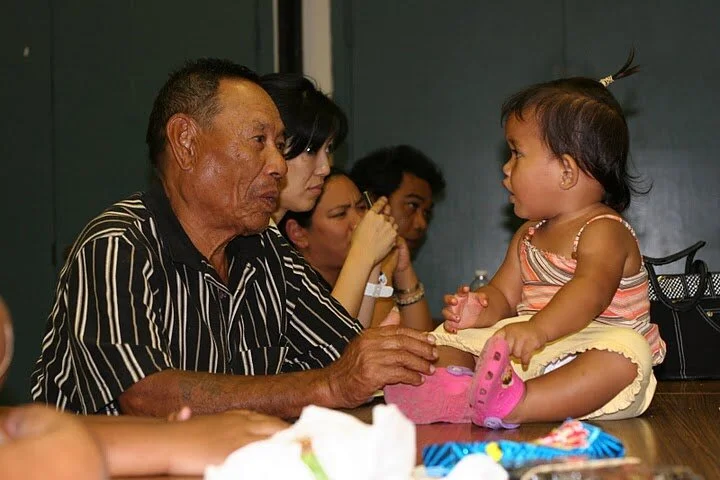
Appleseed provides language access to second round of P-EBT benefits
Hawaiʻi Appleseed has created and published a series of multi-lingual infographics to assist families in need, many of whom speak a primary language other than English.

What the Kawainui project tells us about Hawaiʻi’s affordable housing problems
Affordable housing needs to be integrated with market-priced housing, and we must maintain the supply of affordable housing even in owner-occupied units.

A better kind of unemployment insurance
Short-Time Compensation allows employees to stay in their jobs at reduced hours, pays more than the state’s current UI does, and ensures that they keep their benefits.

This Labor Day, Hawaiʻi’s workers need more help than ever
Hawaiʻi’s workers keep our state and economy going through good times and bad. This upcoming Labor Day, they desperately need support to weather what’s become a storm of record unemployment.

Feed our keiki, fuel our future: help fight hunger in Hawaiʻi
Making a donation at the register when you check out of any Safeway store on Kauaʻi, Oʻahu or Hawaiʻi Island will support our work to help students continue to receive free, healthy meals at a time when many families are struggling more than ever before.

The Micronesian community is being disproportionately harmed by COVID-19
Given the precarious situation in which COVID-19 places the Micronesian community, the State of Hawaiʻi must take steps to help in both the short and long term.

Honolulu minimum wage is lowest among 15 most expensive U.S. cities
While residents of metropolitan areas with high prices also tend to have higher incomes, that’s not the case in Honolulu—and especially not true for minimum wage workers.

Unemployed workers in Hawaiʻi can’t wait for Congress
Hawaiʻi has more than 200,000 unemployed workers and contractors. The state must move now to offer immediate support for these workers and their families.
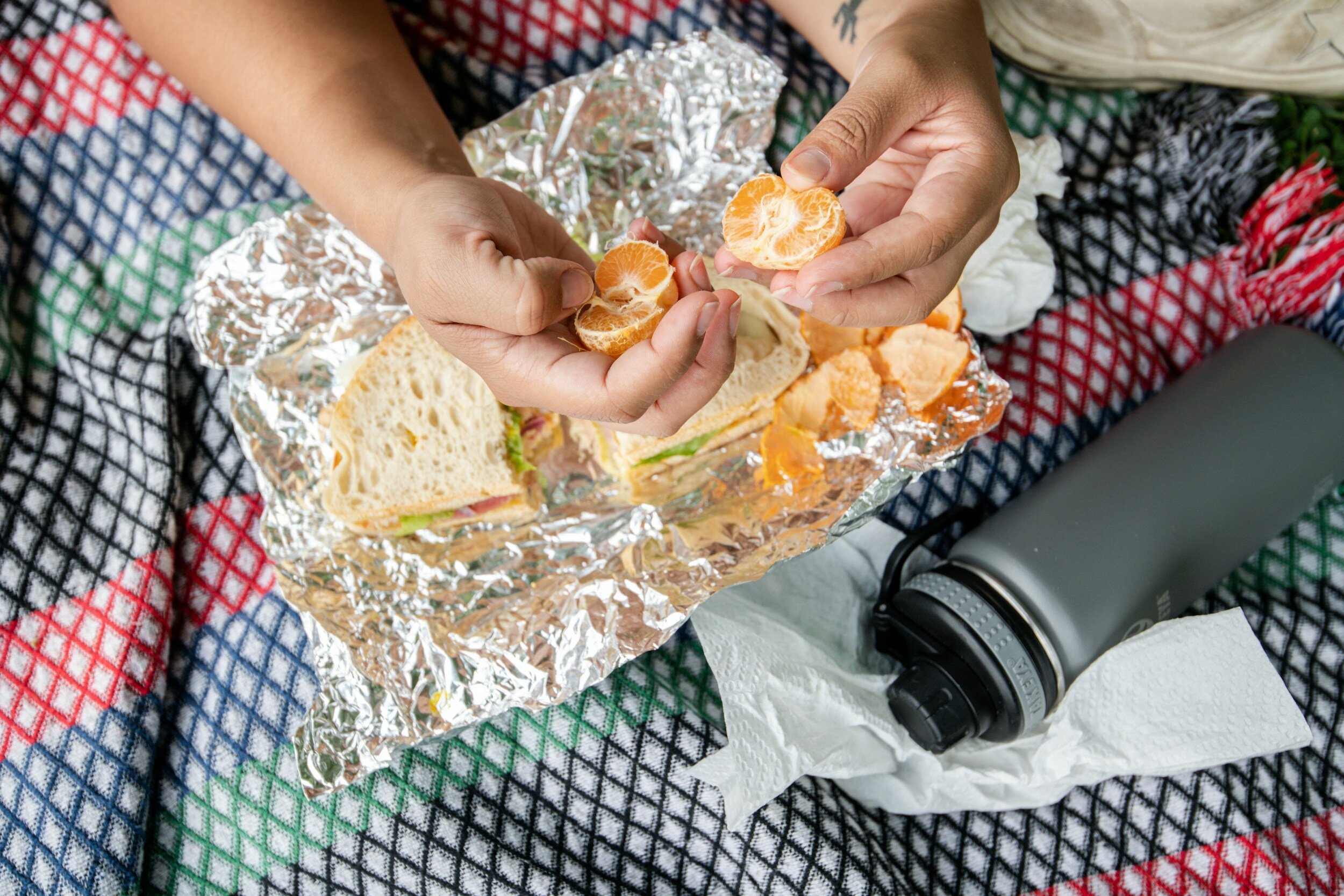
Hawaiʻi drops to 44th in the nation in children’s summer meal participation
The drop means that 123 fewer children in Hawaiʻi received meals through summer lunch programs in July 2019 compared to July 2018.
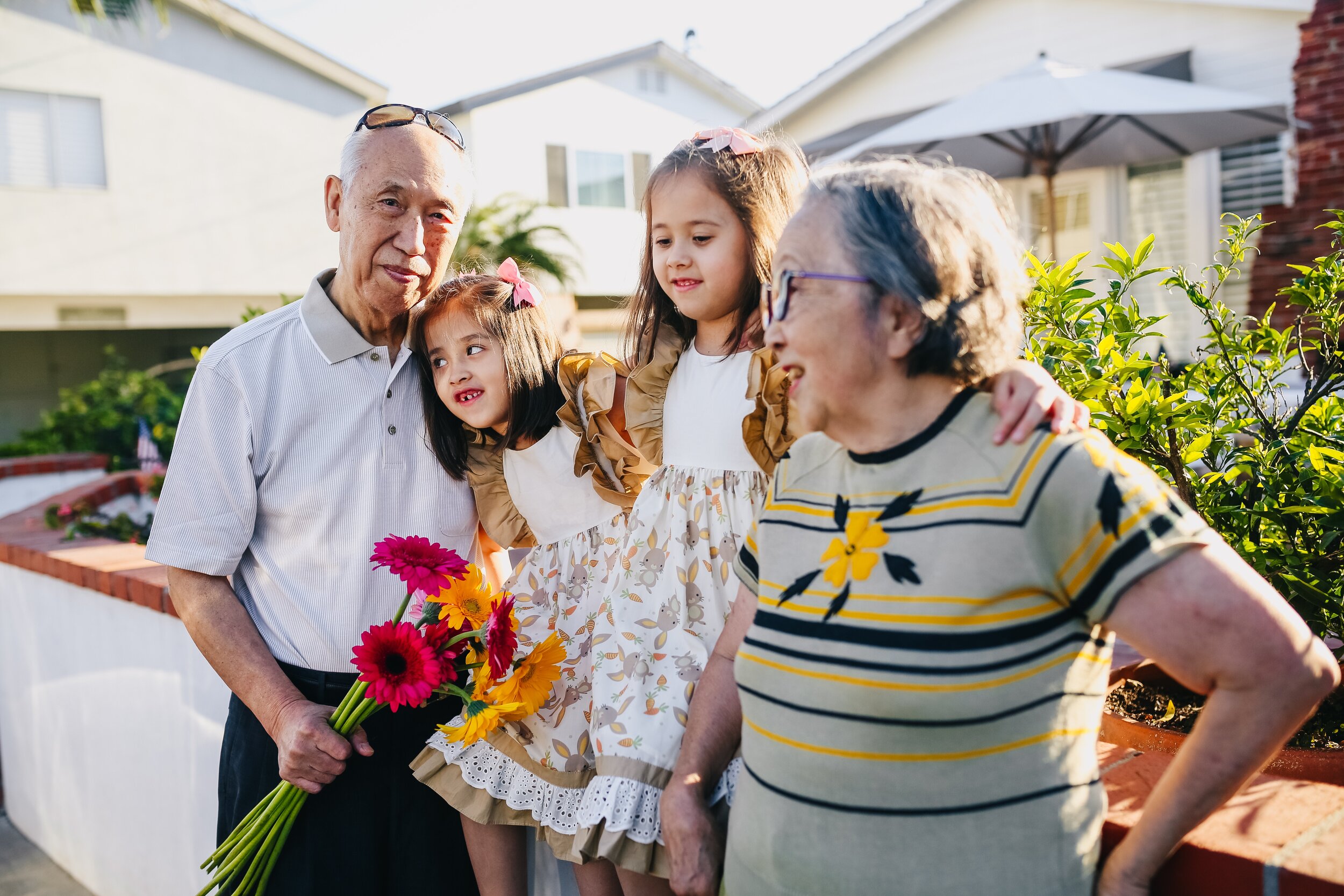
Hawaiʻi’s crowded households could make safely reopening schools harder
The decision to reopen public schools must take into consideration that Hawaiʻi students go home to households that are more than twice as likely to be multigenerational and crowded than the national average.

Hawaiʻi still needs federal relief funds
Without further federal aid to state and local governments, Hawai'i is projected to lose 23,700 private and public jobs by the end of 2021.

We need a visitor recreation fee to benefit Hawaiʻi
The COVID-19 pandemic has highlighted our dependency on tourism, and the need to create a more sustainable and less exploitative version of the industry.

Counties may need to fill gaps left in state coronavirus response
Some 35,000 additional households could fall into poverty or financial insecurity by the end of the year unless these gaps in state funding are addressed.

Free grab-and-go meals for keiki expands to Molokai
A partnership of nonprofit and government organizations that provides free healthy grab-and-go meals to keiki has expanded to Molokai.

Hawaiʻi’s job losses are increasing economic inequity
Because of the way Hawaiʻi’s economy is structured, those who were already struggling to earn enough before COVID-19 are also the most likely to lose a job.

P-EBT: Pandemic benefits for Hawaiʻi families to buy food
There’s a valuable new benefit available for Hawaiʻi families with children who are struggling to buy food. It’s called Pandemic-EBT, or P-EBT.
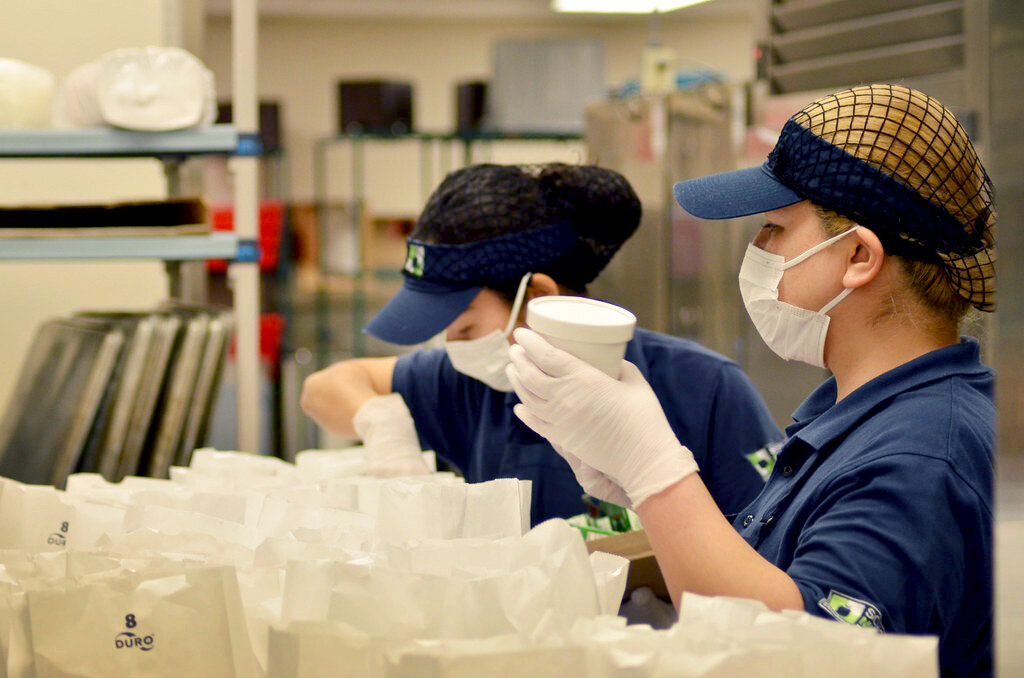
Community sites expand free meals for keiki through the summer
With several new sponsors and sites now on board, the community sites are now serving well over 5,500 children and youth per day.

Allocating $100 million in CARES Act relief to housing support is good state policy
To help more than 100,000 Hawaiʻi residents stay in their homes, $100 million in CARES Act housing support is money well spent.
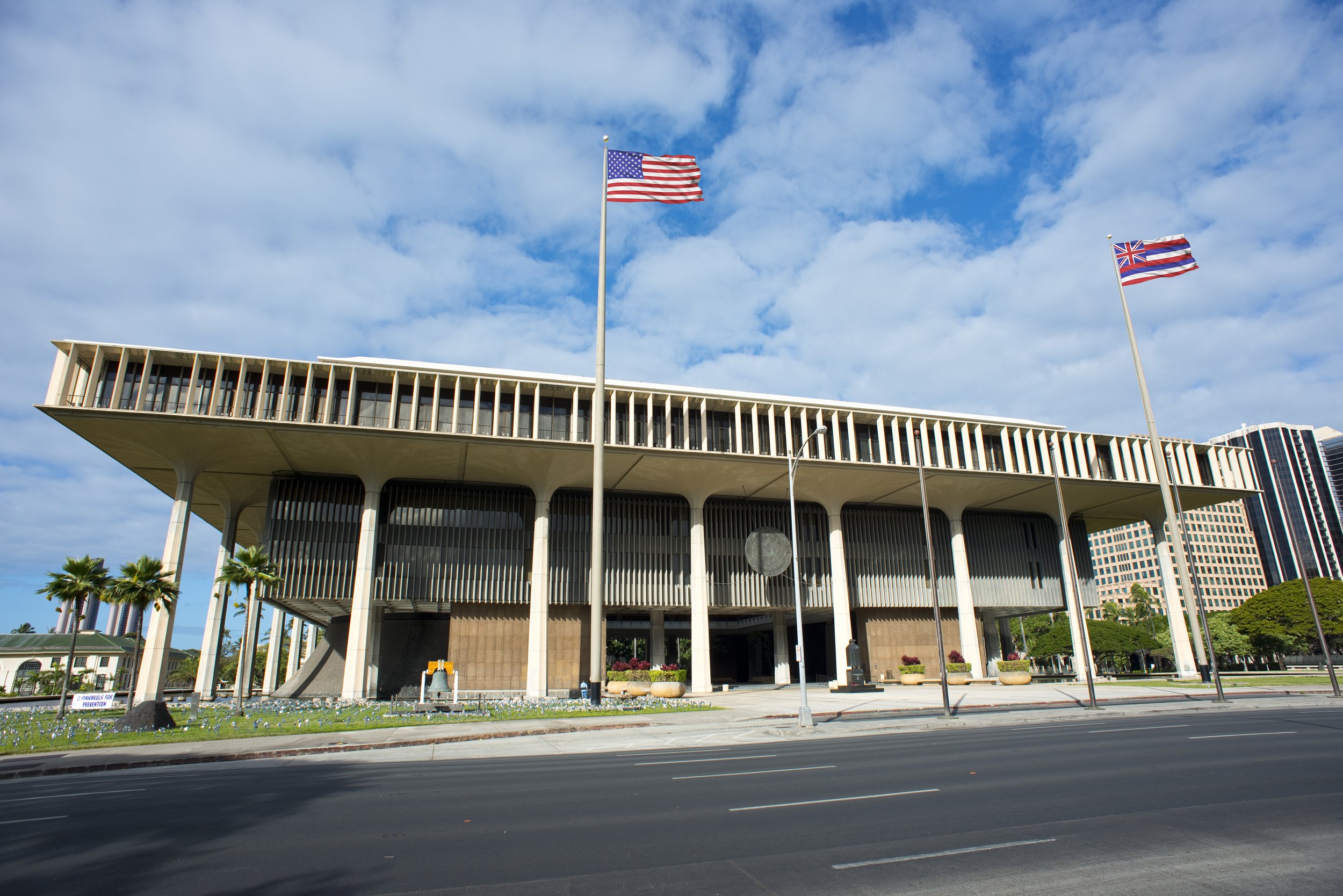
Setting the stage for a crucial June special session
CARES Act funds must be spent by the end of December, and careful decisions need to be made to address critical needs in our community.

High levels of consumer debt add to Hawaiʻi household financial struggles
Hawaiʻi’s high debt load is usually invisible, but that may change soon as households become unable to carry this burden in the COVID-19 economy.