
Lessons from the Great Recession: How Hawaiʻi can better protect its communities during economic crises
Managing state spending during economic downturns is hard, but the Great Recession has clear lessons about what services are just too critical to cut.

A tax on vacant units could provide housing crisis relief, if done right
Besides funding sources, taxes can be an excellent way of shifting behaviors; but getting rates and exemptions right is key to success.

Hawaiʻi’s economy is still highly vulnerable to global shocks and recession
The lessons of the last recession are clear; whether we heed them will determine Hawaiʻi’s economic future for decades to come.
Honolulu just moved to the forefront of vacation rental regulation
After 30 years, the county finally has the tools it needs to stop the proliferation of illegal short-term rentals.

Make Hawaiʻi’s Earned Income Tax Credit refundable
Making the EITC refundable would make Hawaiʻi a more progressive tax state, and help working families make ends meet.
Redefining poverty would throw millions off critical social support programs
A Trump Administration rule change would force millions of Americans off critical programs that help women, children and families meet their basic needs.
Enforcement of vacation rental regulations would restore balance
More than one out of every 20 housing units statewide is now offered as a vacation rental; in some communities, as many as four out of every 10 housing units have been converted into STRs.
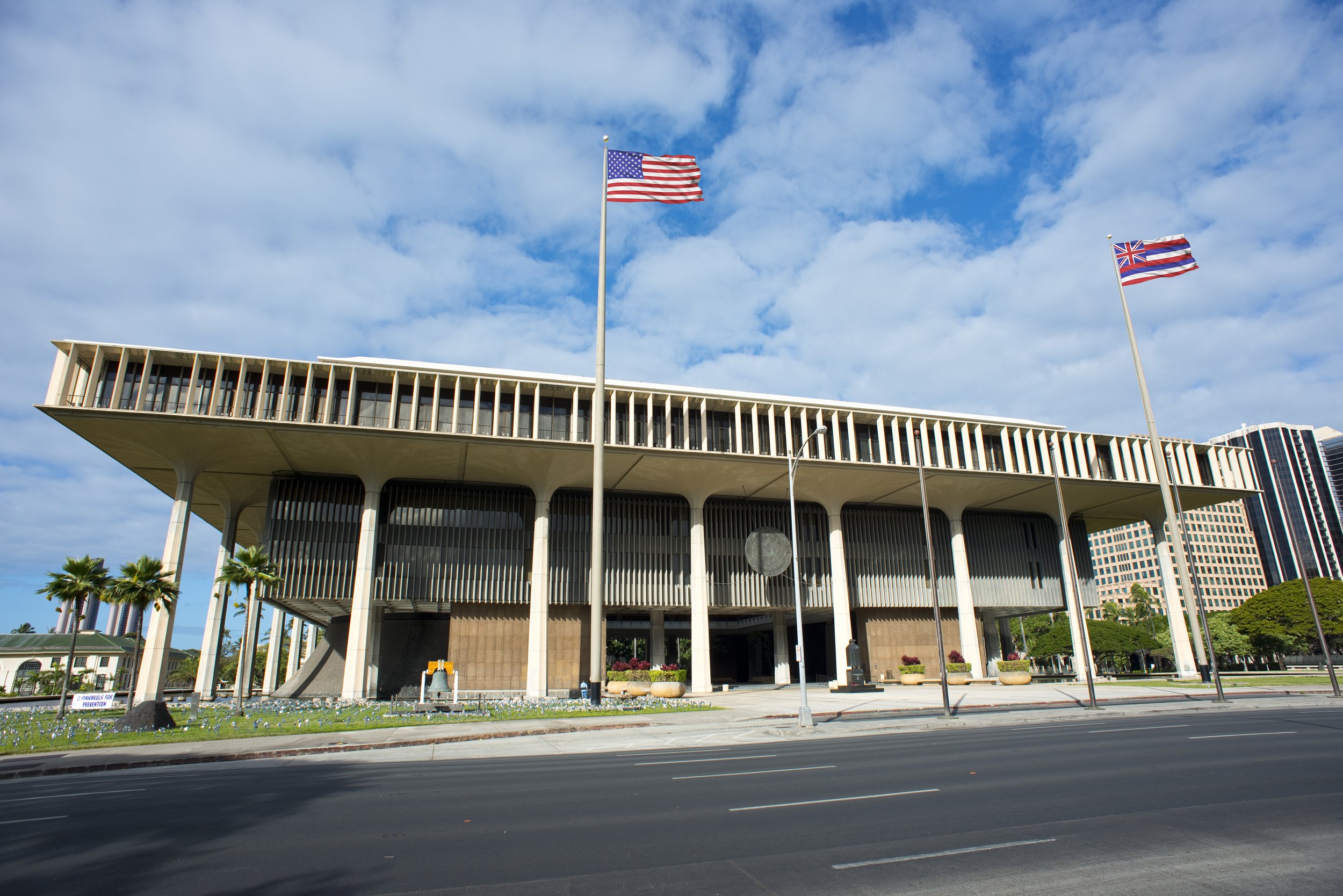
Hawaiʻi plans to spend big on capital improvement projects and covering fixed costs
A brief analysis of the recently-adopted state spending plan for the next two fiscal years, starting July 1, 2019.
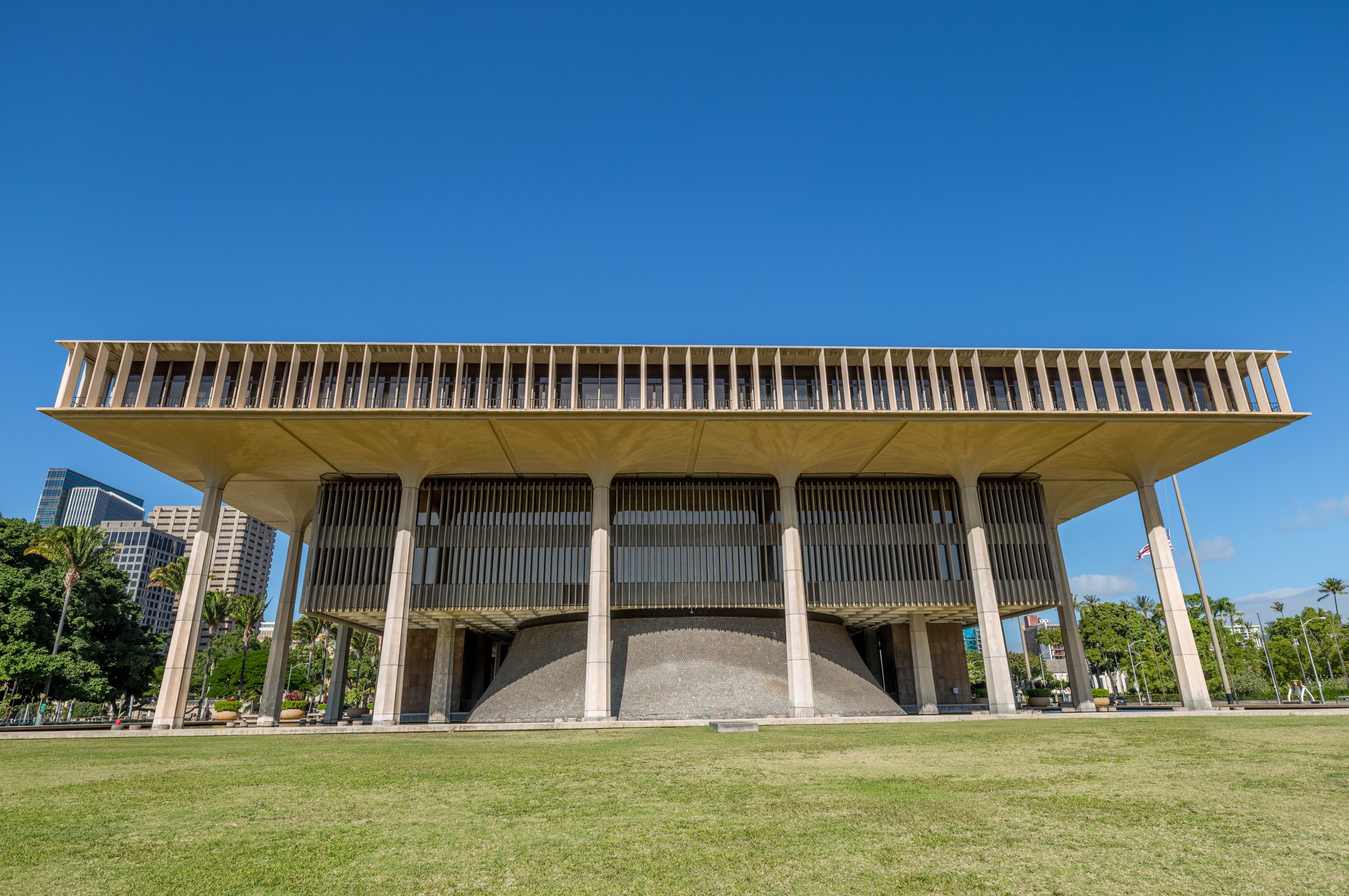
Hawaiʻi’s budget process became less transparent this year
Understanding the budget isn’t always easy. The legislature made this year’s budget process even murkier.

How high is too high? We actually know a lot about minimum wage increases
Raising the minimum wage would boost not just the pay of many struggling Hawaiʻi workers and their families; it would also boost the local economy.

Our taxes at work, and who pays them
Tax season is a good opportunity to reflect on our shared commitment to support the quality of life in our country and state.

Hawaiʻi’s Tax Commission recommends changes in tax code
The commission recommends revenue and tax policy changes needed to address the state’s budget needs, as well as create greater economic opportunity and social equity.

Hawaiʻi’s county budgets at a glance
During FY2018, the City and County of Honolulu, Kauaʻi County, Maui County, and Hawaiʻi County are expected to raise and spend more than $6 billion, the bulk of which is going to operations and the balance to capital improvements.

Hawaiʻi isn’t as good for women as it seems
Disaggregated data and a more accurate poverty measure reveal a different story for women in Hawaiʻi than some headlines suggest.

Hawaiʻi’s executive budget in action
The executive branch budget supports an array of essential health and social services, business development, environmental protection and education from kindergarten to university.

Will Hawaiʻi always be the “Health State?”
Research has shown that “health” is correlated with income and wealth equity, decent housing, and education, from preschool through college.
February SNAP benefits will be distributed early due to government shutdown
The early distribution could result in major disruptions to household food budgets should benefits run out before the next scheduled distribution in March.
Appleseed announces 2019 policy agenda
After months of research spent examining these critical issues, this agenda prioritizes efforts for maximum benefit to the community at-large.
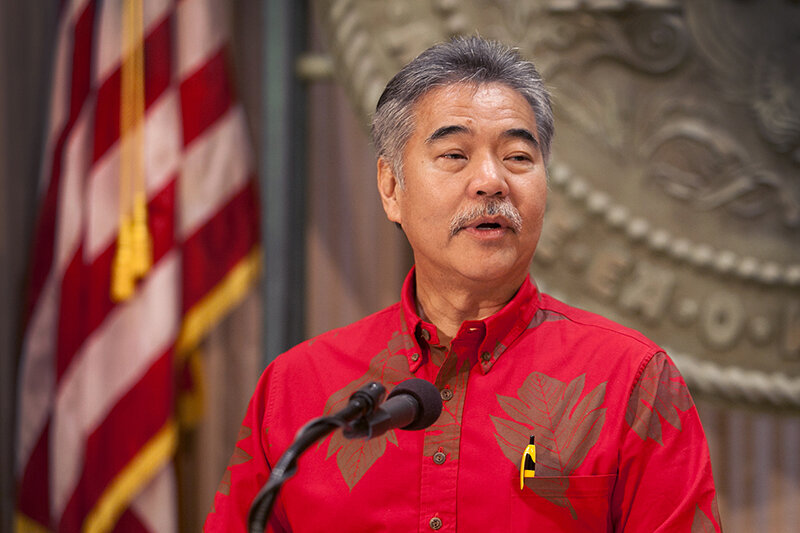
Highlights from Governor Ige’s proposed state budget, 2019-21
More than half of the proposed executive budget will need to go to covering fixed costs like Medicaid funding and public pension and other post-employment benefits—so called “unfunded liabilities.”
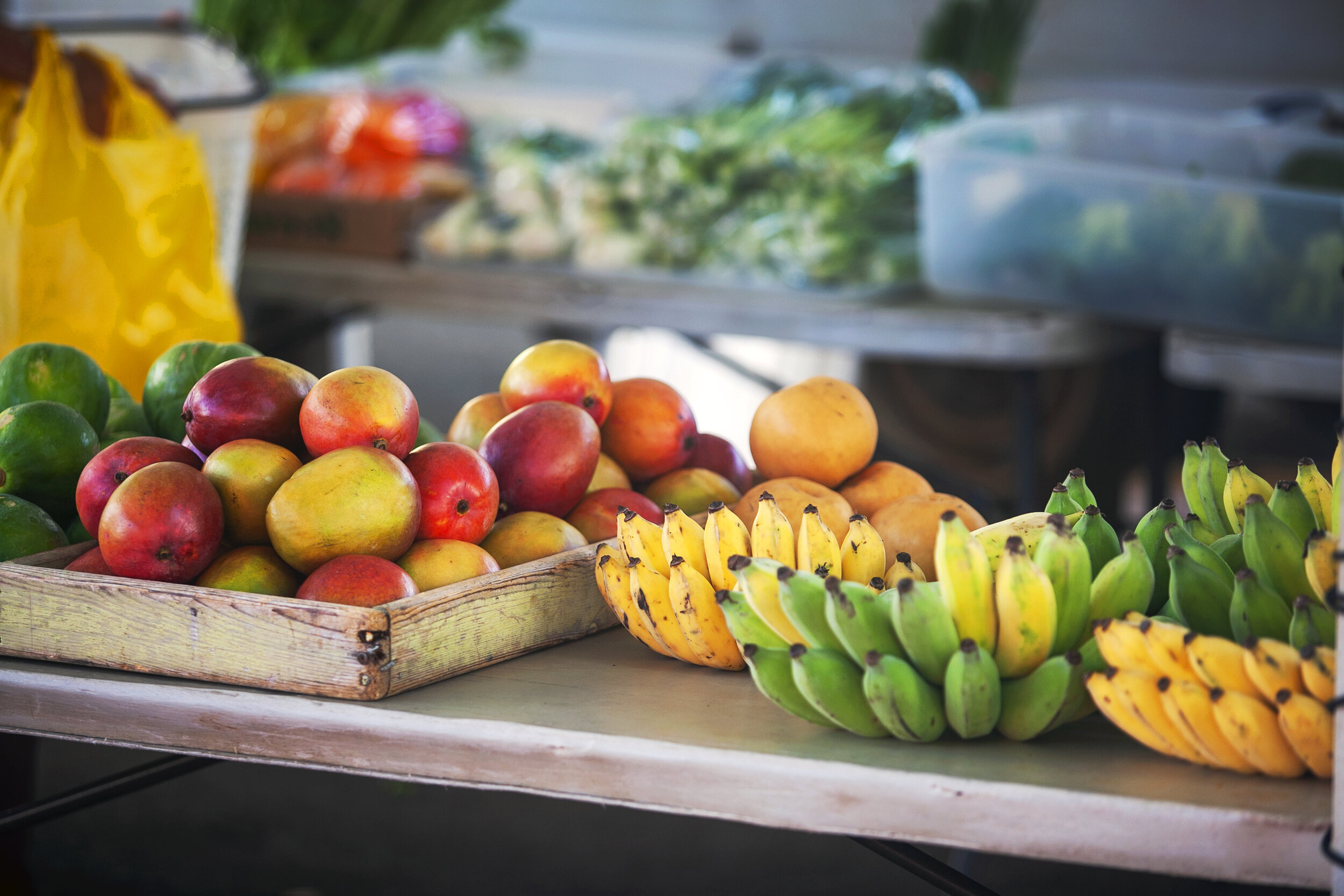
Farm bill protects SNAP, other critical nutrition programs
The bill includes provisions that invest in our island’s rural communities, provide funding for farmers and advance sustainable community food systems.