Our taxes at work, and who pays them
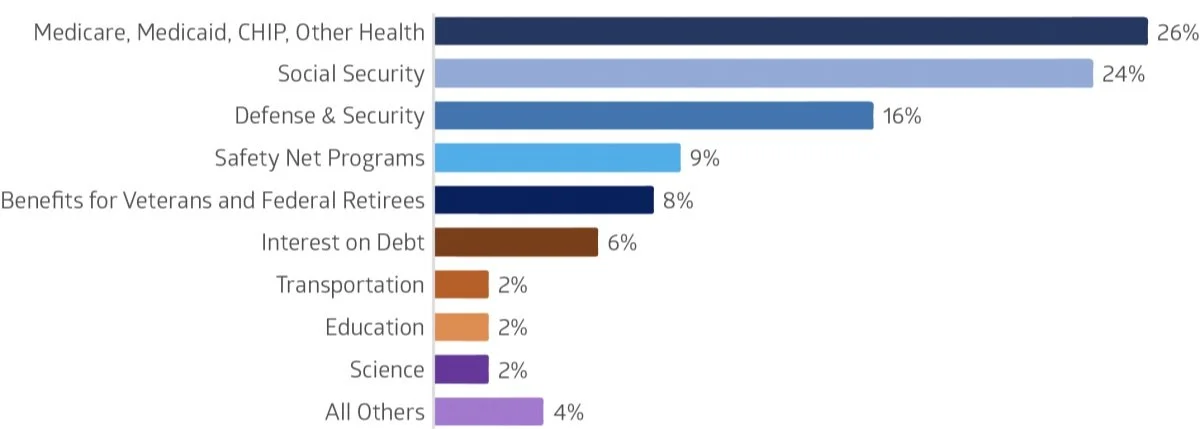
Tax season is a good opportunity to reflect on our shared commitment to support the quality of life in our country and state. Our federal taxes support our collective social contract, paying for national defense and investing in our communities and their children, the elderly and the poor. Figure 1 shows what our federal taxes pay for.
Figure 1. Our Federal Tax Investment
On the state level, our taxes support education for our children and our workforce. Taxes fund the infrastructure for our homes, communities and businesses. They support the health and lives of Hawaiʻi families, providing health care coverage, healthy food, and assistance to both veterans and youth. Figure 2 how our state taxes are distributed among essential services in Hawaiʻi.
Figure 2. Our Tax Investment in Hawaiʻi
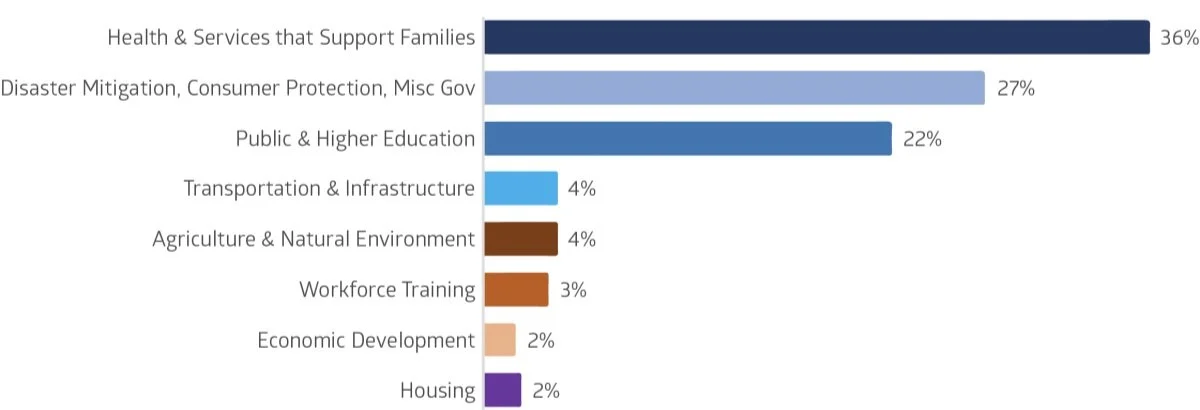
Source: Hawaiʻi Budget & Policy Center analysis of the state executive budget for 2019.
To cover the costs of our shared investments on the state level, Hawaiʻi residents pay income, general excise taxes (GET) and property taxes. Figure 3 shows the percentage of taxpayer income paid for each type of tax.
Figure 3. State and Local Tax Distribution in Hawaiʻi
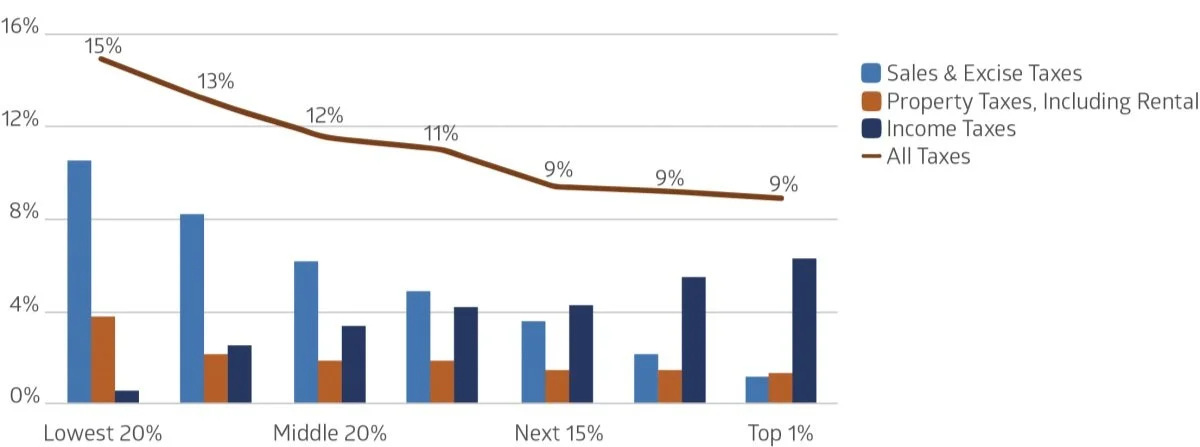
Our various state taxes have the effect of taking a larger percentage of the earnings of people earning less and a smaller percentage from people earning more. Individuals in the lowest income groups pay much higher portions of their income—up to 10.5 percent—in GET than those in the top 1 percent, who pay only 1.2 percent of their income to general excise tax.
Lower income people pay disproportionate GET taxes because they are living paycheck-to-paycheck, spending everything they earn on essentials, which are typically subject to the GET. Property taxes, too, take a greater portion of the earnings of lower income households. Income taxes work in the opposite direction, with higher percentages assessed to those earning more and smaller amounts to people with modest incomes.
Tax credits are a feature of our federal and state tax systems designed to help people out of poverty. The federal Earned Income Tax Credit (EITC), for example, brings more children out of poverty than any other program in the nation, and is associated with improved outcomes in education, health and financial security. Hawaiʻi’s state EITC magnifies these benefits. Hawaiʻi also provides relief to lower-income households with tax credits that reduce the GET burden on food and cost of rent and dependent care.
This year the legislature has passed, or is contemplating passage of, several measures that protect adequate tax revenues and give relief to lower income households. Legislation already passed by the legislature includes:
SB396, signed into law as Act 2: imposes excise tax on additional online sellers. Estimated results are an additional $10 million in revenues by 2022.
SB1361, signed into law as Act 3: increases the tax on net estates worth more than $10 million from 15.7 percent to 20 percent. With our $5.5 million exemption, the new rate applies to estate valued at more than $15.5 million. Estimated increased state revenue for this measure is $5 million by 2022.
SB380, passed by the legislature and under consideration by the governor, adds a mandatory resort fee for hotel guests. Revenues are estimated to be $12 million by 2022.
Other bills still being considered as the legislature winds down, include:
HB1190: eliminates or reduces state income tax on workers in poverty.
HB1193: increases Hawaiʻi’s child and dependent care tax credit. (More information is available here.)
SB301: requires investors in real estate investment trusts (REITs) to pay taxes to Hawaiʻi on the income they earn in Hawaiʻi, just as all other individuals or corporations do. Ten percent of funds generated would be used for economic development in the state. Revenue is estimated to be $10 million by 2022. (More information is available here.)
SB1292: would establish a process to collect taxes on non-hotel vacation rentals facilitated by sites like Airbnb. The estimated tax revenue is a sizeable $54 million by 2022.