

Legislature shows support for local agriculture, food security
Food security advocates are also celebrating policies that will make it easier for kūpuna and inmates nearing the end of their sentences to participate in SNAP, or the Supplemental Nutrition Assistance Program.

Why housing affordability progress stalls out in Hawaiʻi
What is missing is not knowledge, evidence, or available policy options. What is missing is honesty about whom these reforms actually threaten and why bills with broad public support keep dying for reasons that rarely get named.

Creating a Hawaiʻi we can afford
For decades, we’ve lived with the highest cost of living in the country, in a service oriented economy where wage growth lags far behind rising prices. What can we do about it? We come together and find solutions.

Push to feed Hawaiʻi kids more local food is ‘structural disaster’
The DOE has not taken the effort seriously and has no real plan for how to meet a legislative mandate to spend 30 percent of its food budget locally by 2030, according to a state audit.
Hawaiʻi lawmakers debate scaling back promised tax cuts
In 2024, lawmakers passed sweeping tax relief under Act 46, promising phased income tax reductions for Hawaiʻi residents over several years. But the state’s financial outlook has changed.

Transportation: a cost-of-living burden but also an opportunity
Reframe the conversation by investing in multimodal services and infrastructure.

Hawaiʻi’s hunger crisis is here, and urgent
We find ourselves in the midst of a hunger crisis driven by sky-high living costs, cuts to essential nutrition supports, and food systems that don’t work for all of us.

Bill to reduce taxes on groceries, nonprescription drugs in Hawaiʻi dies in committee
Hawaiʻi Appleseed Center for Law and Economic Justice provided written testimony stating Hawaiʻi is one of only seven states that taxes groceries.

Protecting Hawaiʻi’s future demands pause on tax cuts
In the face of severe and unpredictable federal cuts, the plan to pause future state income tax cuts is a responsible safeguard for the very foundations of our community.

Hawaiʻi coalition calls for tax fairness for local needs
As Hawaiʻi struggles to meet growing needs in housing, education, health care and climate resilience, a broad coalition of community groups, labor unions and nonprofit advocates is pushing lawmakers to confront a long-standing question: how to pay for it.

New online tool shows disparities between communities on basic needs
Annalisa Burgos asks Hawaiʻi Appleseed how its Economic Justice Data Dashboard can help focus government spending.
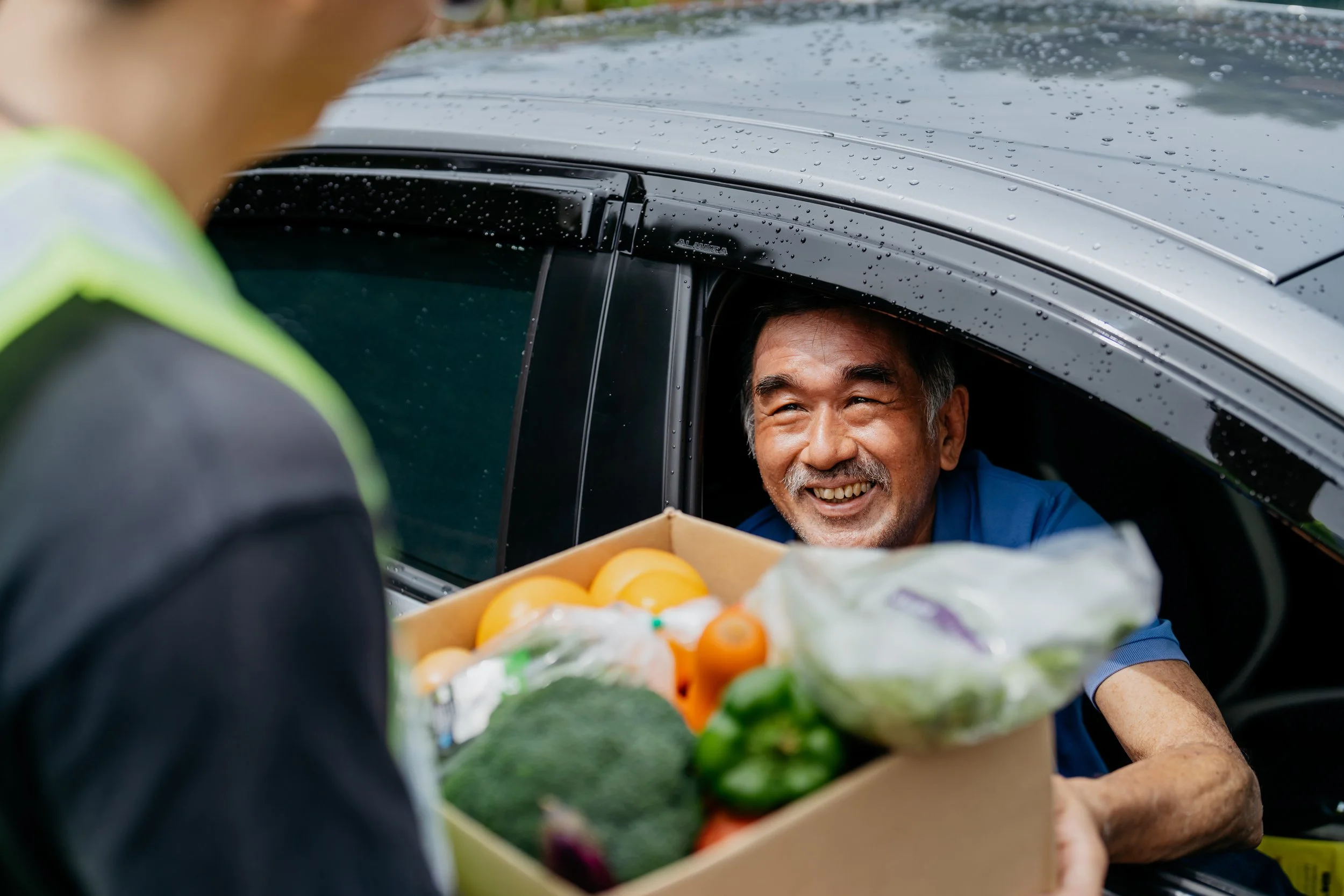
Counties urged to boost role protecting residents from hunger
A new policy brief from Hawaiʻi Appleseed argues that counties are increasingly positioned to act as front-line responders as federal resources recede and local needs grow.
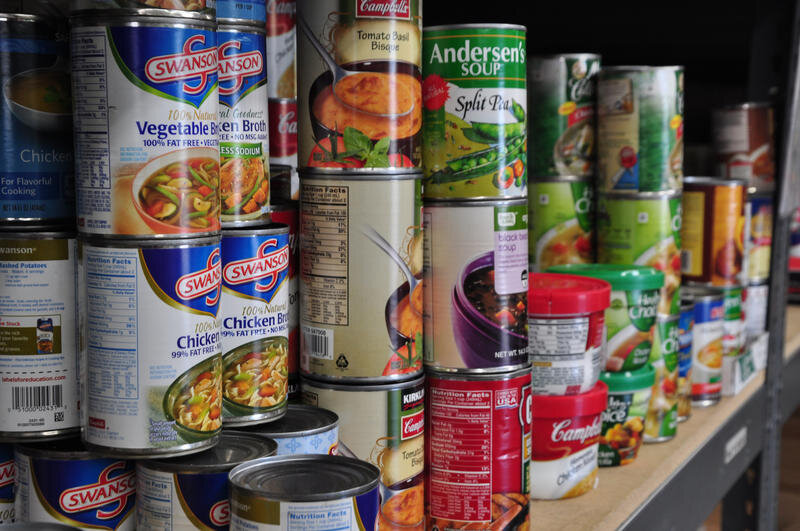
Policy brief calls for expanded county role in addressing food security in Hawaiʻi
A new policy brief from the Hawaiʻi Appleseed Center for Law & Economic Justice urges leaders on the county level to address food insecurity as federal nutrition programs face significant funding cuts.

New federal rules ramp up the pressure on people who count on food stamps
Thousands of people in Hawaiʻi will be cut from the program entirely or face additional hurdles, including added work requirements.

How federal tax cuts will impact Hawaiʻi residents
While everyone will see some reduction in taxes, for lower- and middle-class households, that will likely be outweighed by rising costs.

Food insecurity forum focuses on current and future needs in Hawaiʻi
Keeping struggling individuals properly fed is already considered a growing challenge, locally, even as the threat of federal funding cuts leave an uncertain future for SNAP and, consequently, food banks as well.
Economic prosperity rises from the bottom up
The Hawaiʻi Appleseed Center for Law & Economic Justice looks at the recent legislative session's hits and misses in this Community Voice column for Aloha State Daily.

Proposed cuts to food stamps program could be ‘horrific’ in Hawaiʻi
Under current proposals, Hawaiʻi could face more than $100 million in new costs to maintain the food stamp program.

Raise sales tax on costly homes, build more rentals
When hard-working locals—from teachers and nurses to waitresses—are struggling to stay housed, it means we have a serious problem.

How Hawaiʻi could prepare for financial impacts of second Trump term
Working families in Hawaiʻi could end up paying more in taxes if President-elect Donald Trump implements some of his proposed policies, but analysts say there’s a way the state can help.