

Hawaiʻi’s executive budget in action
The executive branch budget supports an array of essential health and social services, business development, environmental protection and education from kindergarten to university.

Will Hawaiʻi always be the “Health State?”
Research has shown that “health” is correlated with income and wealth equity, decent housing, and education, from preschool through college.

February SNAP benefits will be distributed early due to government shutdown
The early distribution could result in major disruptions to household food budgets should benefits run out before the next scheduled distribution in March.

Appleseed announces 2019 policy agenda
After months of research spent examining these critical issues, this agenda prioritizes efforts for maximum benefit to the community at-large.
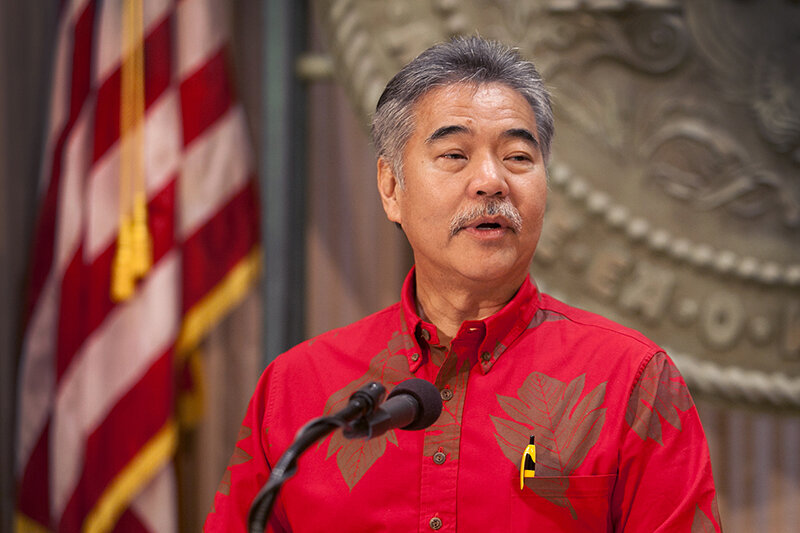
Highlights from Governor Ige’s proposed state budget, 2019-21
More than half of the proposed executive budget will need to go to covering fixed costs like Medicaid funding and public pension and other post-employment benefits—so called “unfunded liabilities.”
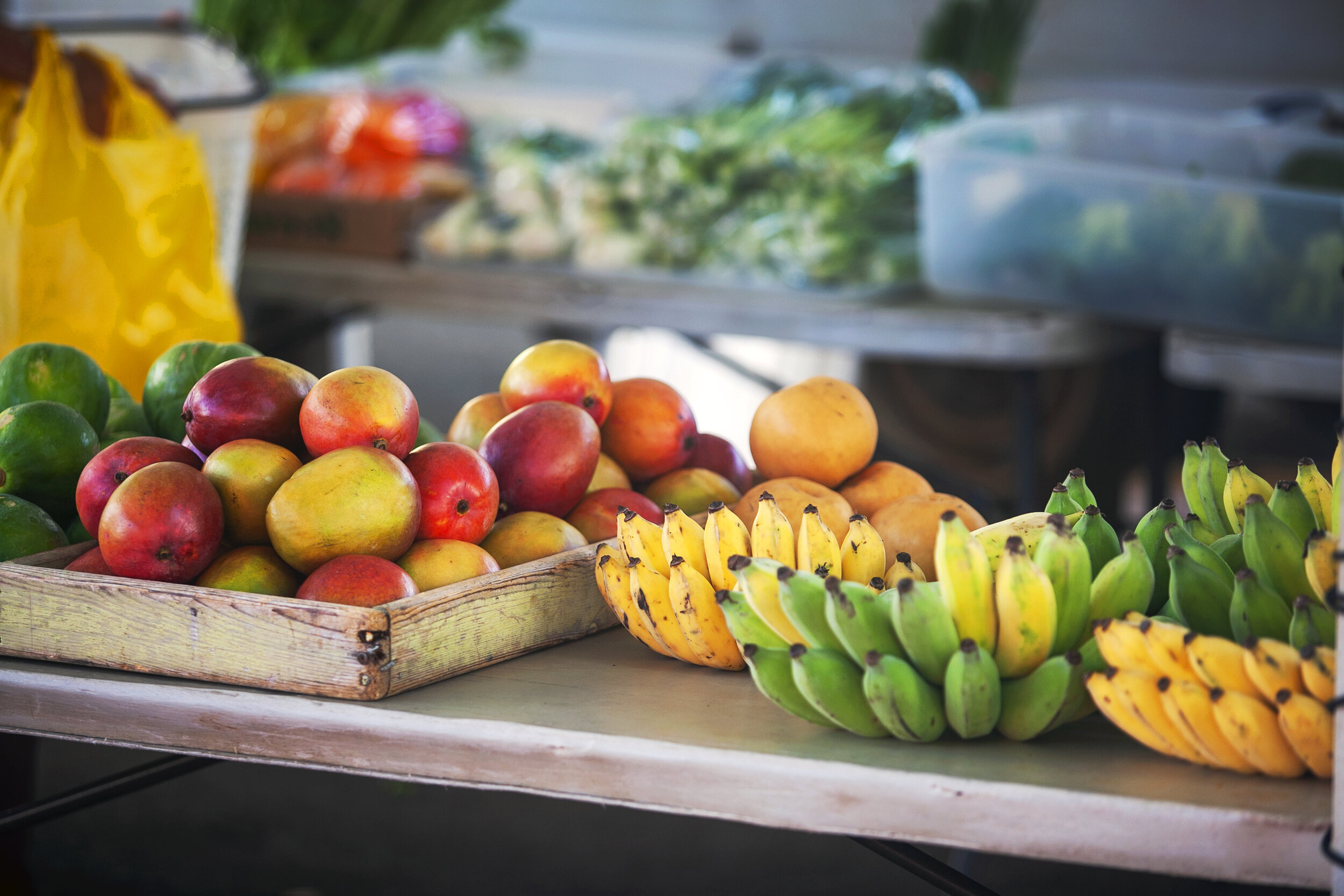
Farm bill protects SNAP, other critical nutrition programs
The bill includes provisions that invest in our island’s rural communities, provide funding for farmers and advance sustainable community food systems.

Identifying opportunity within Hawaiʻi’s tax system
There exists an opportunity to use taxes to encourage positive trends, while making adjustments to where the burden of these taxes fall to create new opportunity for Hawaiʻi residents to thrive.

Hawaiʻi’s largest revenue source also hits low-income households hardest
A good tax system is not just about revenue. It should also be simple to comply with, collect fees from non-residents who benefit from public services, and should be equitable in how it treats taxpayers at different income levels.

Where your taxes go: a breakdown of Hawaiʻi’s fund categories, part 2
Part 2 of our look at Hawaiʻi’s fund categories will cover special funds, reserve funds, bond funds and state debt, and other funding sources.

Where your taxes go: a breakdown of Hawaiʻi’s fund categories, part 1
This post will cover the general fund and federal funds.
What makes a good tax system?
The best tax systems give appropriate breaks to low-income households to generate economic activity and collect more from those who have the most to spare.

Hawaiʻi’s tax system exacerbates inequality
Hawaiʻi taxes—and those in the United States on average—increase inequality between rich and poor.
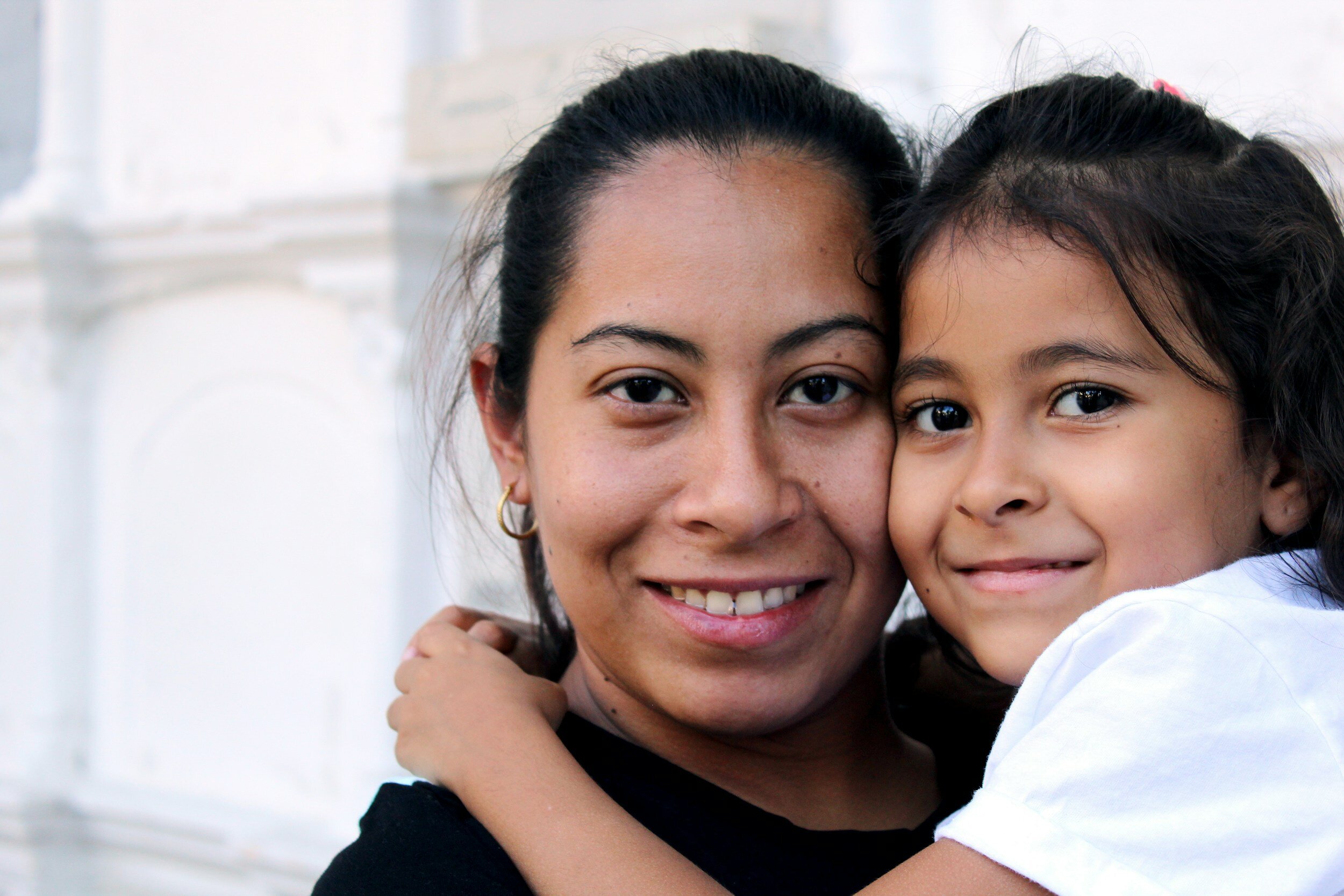
Public charge rule change would hurt Hawaiʻi’s economy
Not only would the proposed rule change adversely impact the standard of living of Hawaiʻi’s immigrant families, it would also harm Hawaiʻi’s overall economy.

After school supper is a big missed opportunity in Hawaiʻi
Only 182 Hawaiʻi children benefited from after school suppers on an average weekday in 2017, according to a new report from the Food Research and Action Center.

Incomes in Hawaiʻi are not as high as you’ve heard: Here’s why
Over the years, the media has often reported that Hawaiʻi incomes are among the highest in the nation. If that doesn’t sound quite right to you, trust your gut.
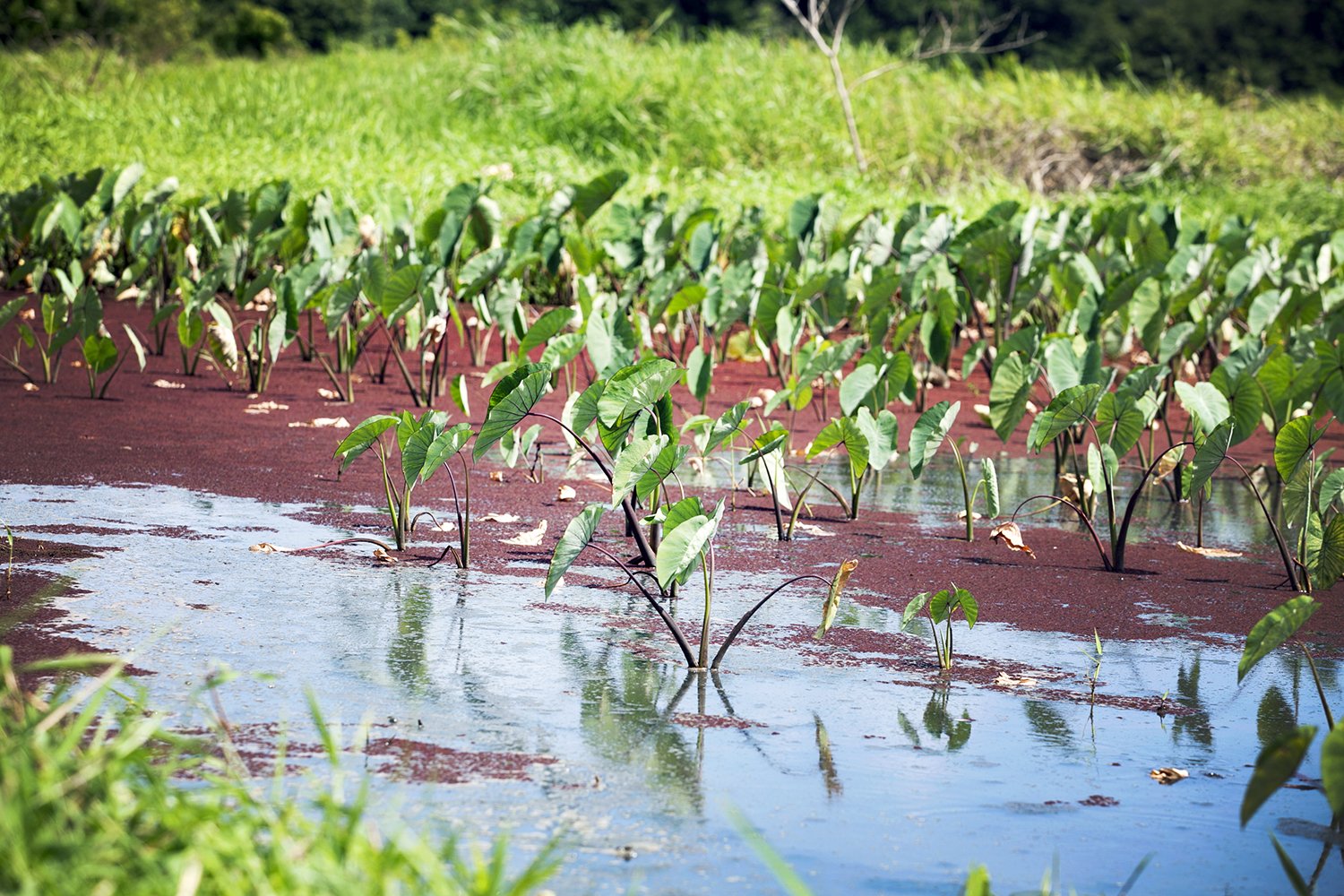
The life cycle of the Hawaiʻi state budget
The governor, the state Legislature, the Council on Revenues, the Department of Budget and Finance, and all the executive departments and agencies contribute to the process.

How Hawaiʻi’s constitution impacts its spending plan
In order for the executive branch to spend any money on programs or projects, the legislative branch has to write and pass a bill authorizing that specific expense.

Official poverty data obscures the reality faced by many Hawaiʻi residents
If you hear Hawaiʻi has one of the lowest official poverty rates in the nation, remember that doesn’t take into account our highest-in-the-nation cost of living.

Honolulu’s proposal to regulate short-term rentals needs serious help
Addressing the rampant proliferation of short-term vacation rentals in Hawaiʻi is critical to solving our housing crisis, but it’s imperative that we do it the right way: here’s how.

Budget basics: three common questions and their answers
The state budget is a spending plan for the state based on the amount of available money it has collected through taxes and other means.