

A turning point for SNAP: Strengthening local supports for Hawaiʻi households
Hawaiʻi has an opportunity to build a more resilient, community-driven food system—one that protects families regardless of federal uncertainty.
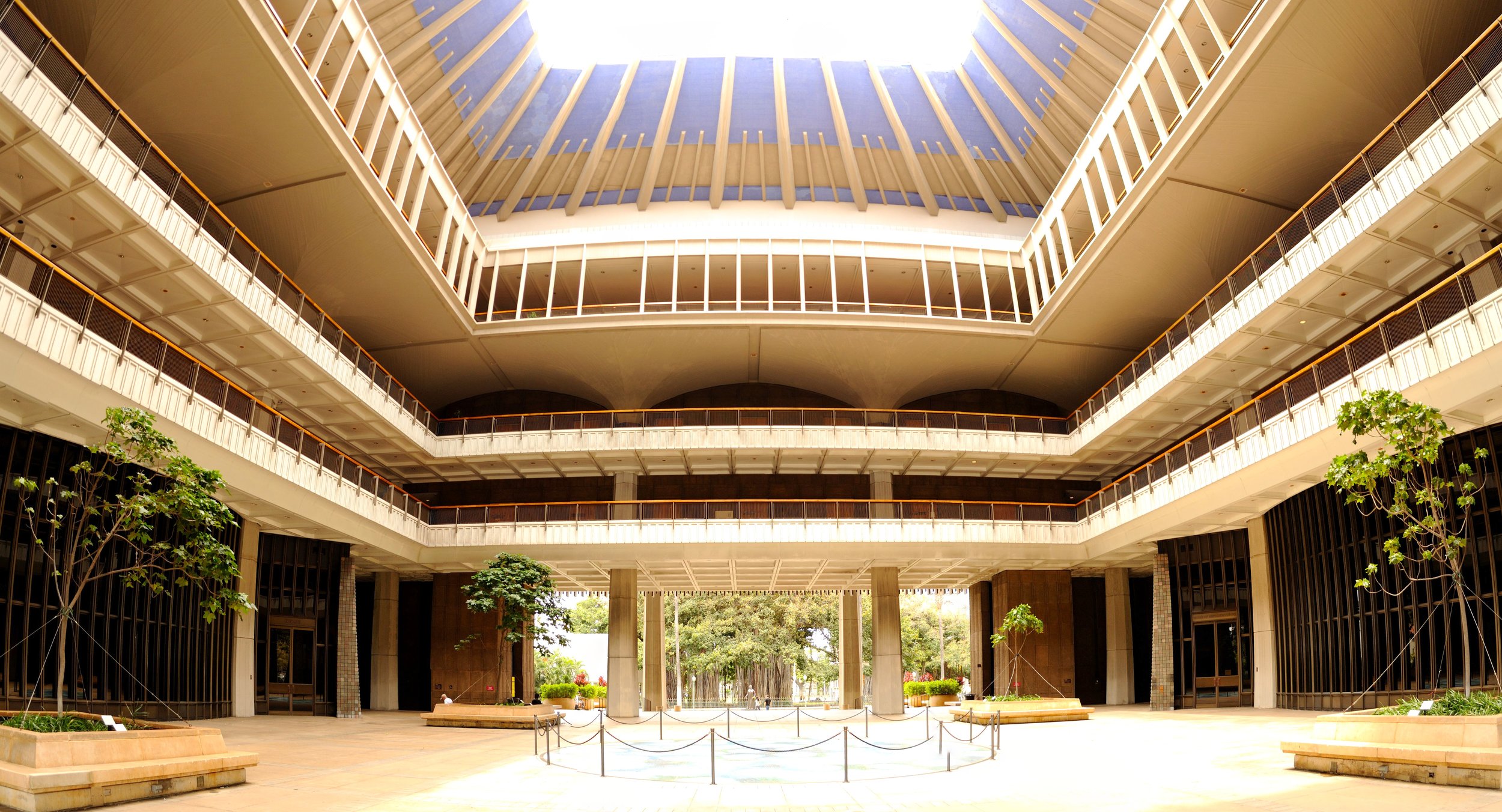
Transformative change meets budget realities—a central lawmaking tension plays out in two new reports
Policy in Perspective 2025 and the Hawaiʻi Budget Primer FY2025–26 provide a compelling—and sometimes sobering—look at how Hawaiʻi invests, and often under-invests, in its communities.
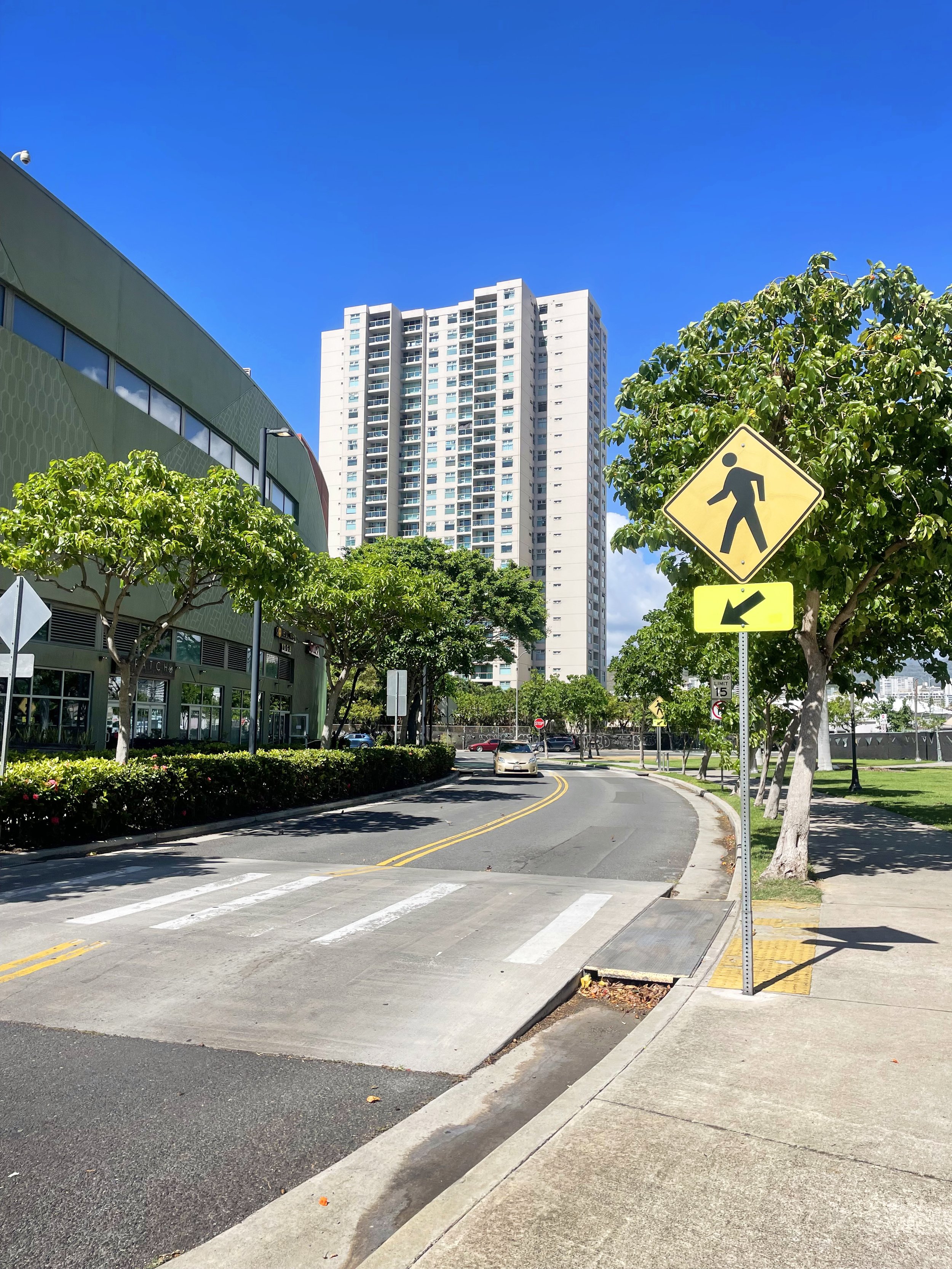
For a healthier, happier Hawaiʻi, transportation spending must prioritize bicycle and pedestrian infrastructure
Investing in the Safe Routes to School fund is a critical step in transforming our transportation system to meet the needs of all residents—pedestrians, cyclists and drivers alike.

Transformative housing bills went nowhere this legislative session, but small wins keep hope alive
With federal cuts looming and home prices still climbing, the stakes have never been higher. One thing is clear: Hawaiʻi’s families can’t afford another session of half-measures.

Building a better path to success for Hawaiʻiʻs Keiki
Hawaiʻi’s 2025 legislature boosts safe routes to school and student transportation.

Wins for food access and low-income families at the 2025 legislative session
While there’s still more work to be done, this year’s wins have laid the groundwork for a future in which food access is treated as a right, not a privilege.

Two truths in tension: Hawaiʻi’s housing crisis and the urgent need for anti-displacement measures
We should reject the false choice between growth and protection, we can do both. Anti-displacement policies like HB1325 ensure that, as we build for the future, we don’t abandon our present.

Hawaiʻi should close tax loopholes for multinational corporations
Multinational corporations make huge profits from the business activity they conduct in Hawaiʻi, while dodging the taxes they should be paying to support our state.

Invest in Safe Routes to School to improve pedestrian safety in Hawaiʻi
Federal funding freezes, requirements from the Navahine lawsuit settlement, and worsening traffic and its associated negative impacts—why state lawmakers shouldn't wait to invest in Safe Routes to School.

Marginal conveyance tax rates would advantage the majority of Hawaiʻi’s local homeowners
Hawaiʻi has some of the highest home prices in the nation, yet our current, flat conveyance tax structure fails to ensure that real estate market activity meaningfully contributes to affordable housing, infrastructure, and community investment.
How a second Trump presidency could impact the pocket books of Hawaiʻi’s working families
Outside of the top 5 percent richest households, families will likely see significant tax increases, while the cost of consumer items would spike under proposed tariffs.

A mix of progress and missed opportunities: affordable housing efforts at the 2024 legislature
As Hawaiʻi continues to grapple with the complex dynamics of housing affordability and availability, it is clear that a more balanced approach that incorporates both supply- and demand-side measures, is essential.

Keiki poverty more than doubled last year without the expanded Child Tax Credit
Hawaiʻi lawmakers have an obvious solution at their disposal, if they are willing to act on it.

Lawmakers still need to equitably raise revenue to meet Hawaiʻi’s needs
On tax policy, state legislators made progress in 2023 with tax relief, but left smart, revenue-raising policy initiatives on the table for next session.

Hawaiʻi got rid of harmful driver’s license stoppers—this bill would bring them back
A bill that would reinstate license suspension for unpaid fees related to abandoned vehicles by transferring authority to the counties is a serious policy backslide. The governor should veto it.

Highlights of the Hawaiʻi 2023 Supplemental Budget
After two pandemic-constrained years, surprisingly strong finances have enabled legislators to make unprecedented investments in long-underfunded areas.

Hawaiʻi should eliminate its tipped sub-minimum wage
Research shows that employers frequently exploit tip credit provisions to pay their employees beneath the legal minimum wage. As a result, tipped workers tend to earn lower, less consistent wages than non-tipped workers, and they are more likely to experience poverty.

Now is the right time to expand Hawaiʻi’s Earned Income Tax Credit
In 2021, 12 states and D.C. recognized the devastating effects of the pandemic recession and improved their EITCs to support their working families. Hawaiʻi should join them.

Hawaiʻi’s housing market is a nightmare for working families; it doesn’t have to be
For a majority of Hawaiʻi residents, the prospect of owning a home—or even finding an affordable place to rent—is increasingly out of reach.

Tax fairness is popular and needed for Hawaiʻi’s future
Most taxpayers agree that a fair and effective tax system is a critical part of building Hawaiʻi’s future.