
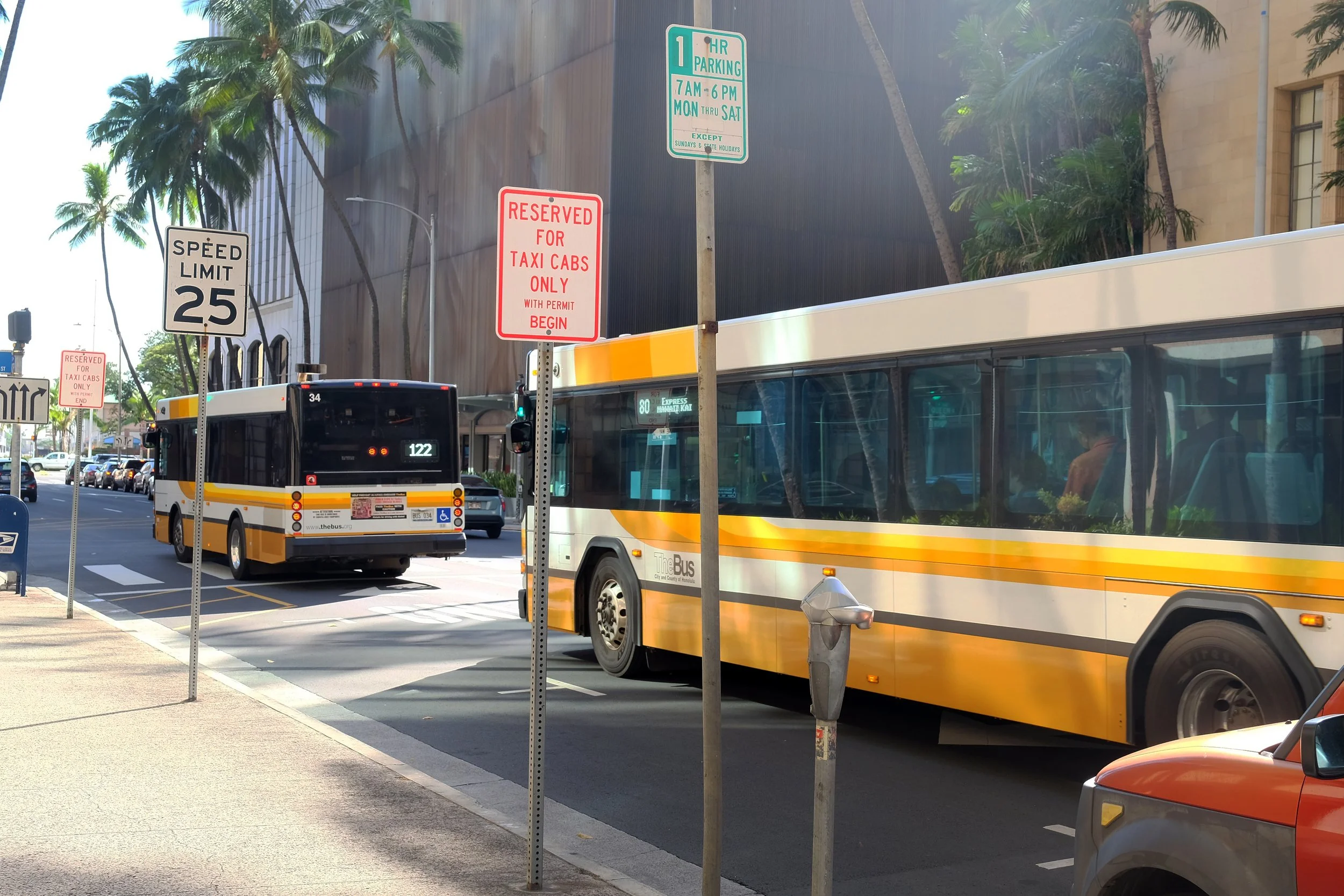
Transportation barriers block the route to opportunities for many on Oʻahu, study finds
On the same day a study was released calling for more accessible public transportation, fares for TheBus were hiked.
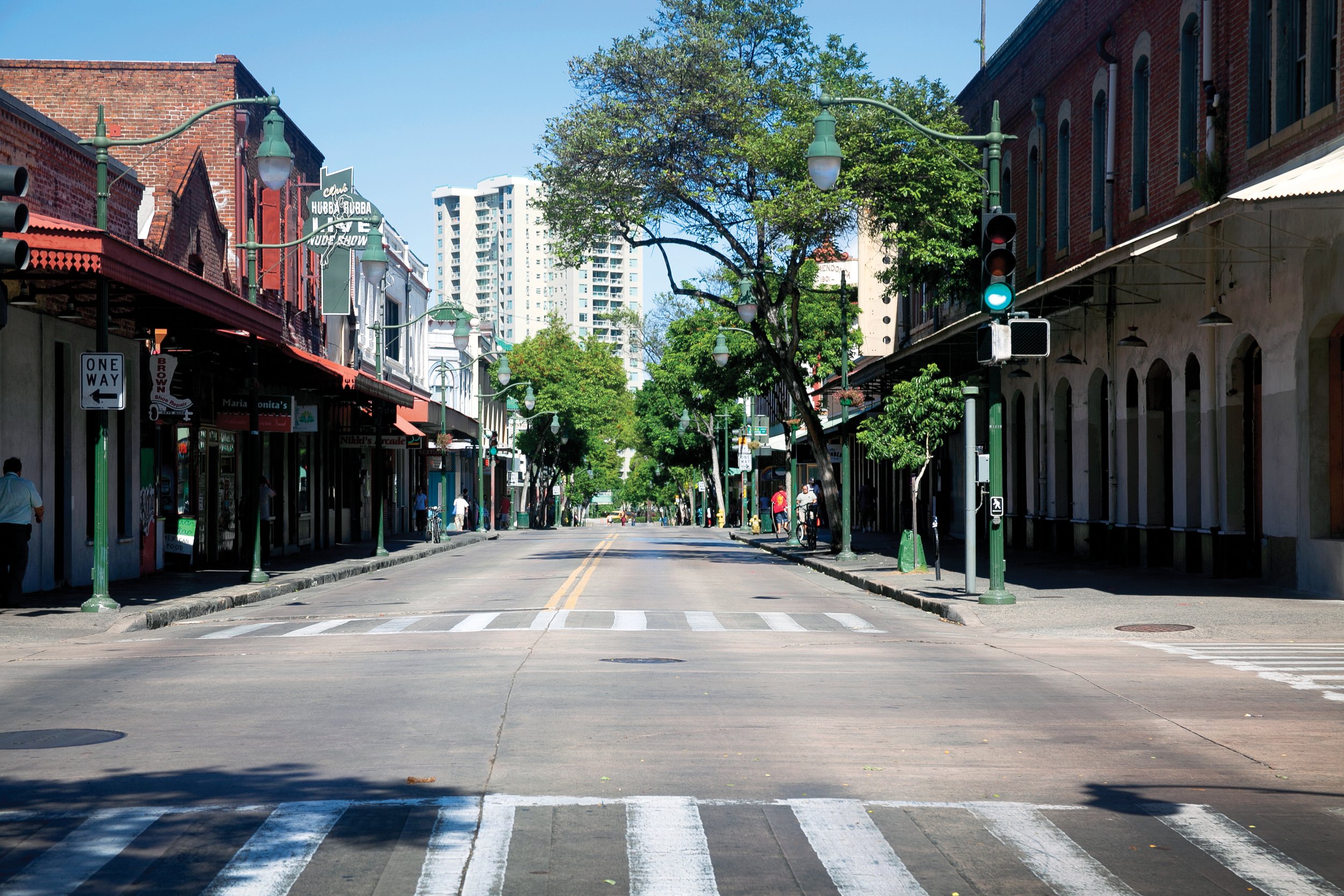
Crossing the road for pedestrians can be dangerous and, for some, costly
While people wait for policy change in Hawaiʻi, pedestrian accidents continue to add up every year.

Don’t undermine Hawaiʻi’s Safe Routes To School program
A bill under consideration would give the transportation department broad authority to direct program funds for its existing projects, without going through the legislatively mandated evaluation process of the other proposals.

Free bus rides for keiki? So much for that
One supporter said she hopes the effort will come up again in a future year.
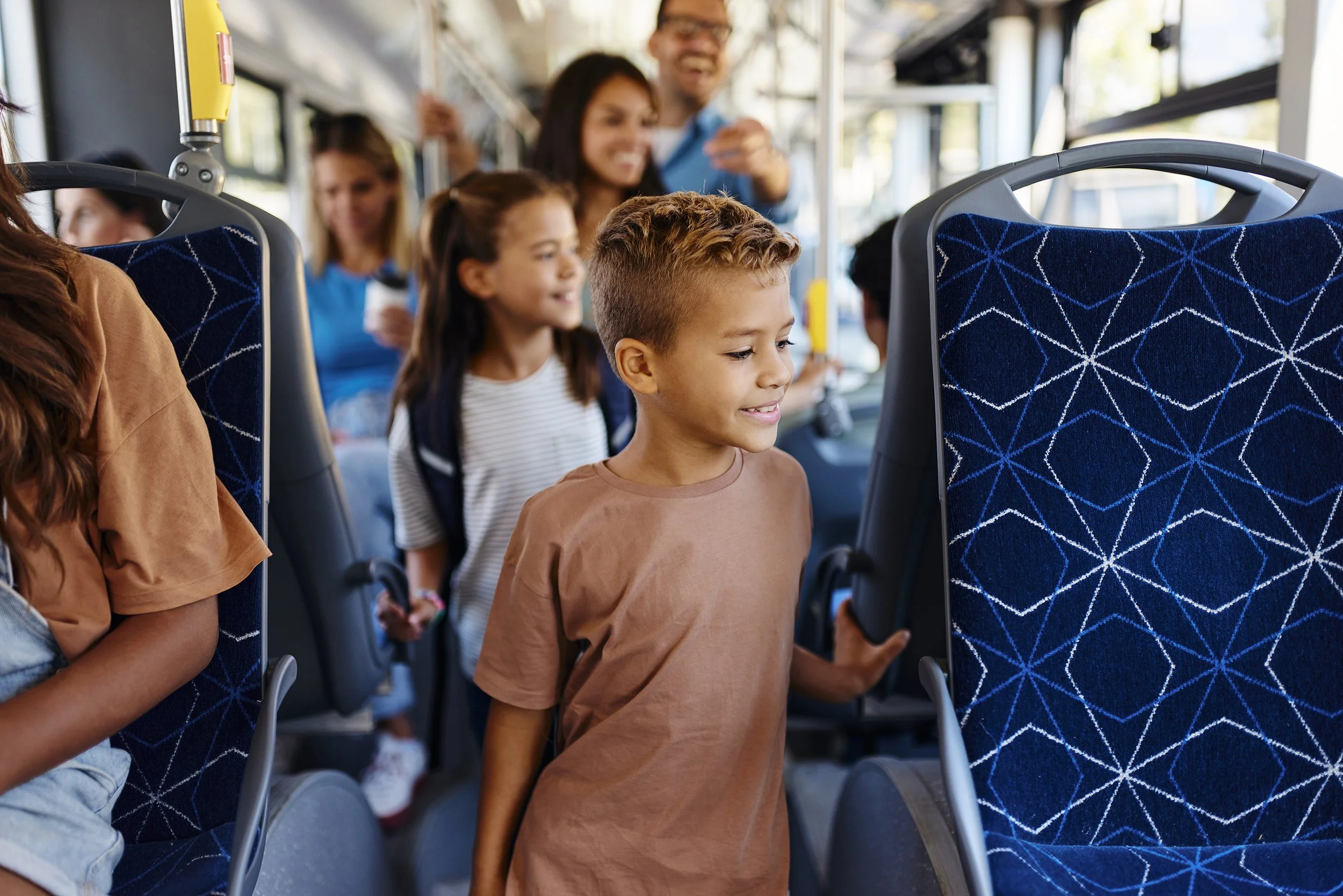
Transportation: a cost-of-living burden but also an opportunity
Reframe the conversation by investing in multimodal services and infrastructure.

Free buses for keiki? Supporters hopeful after statewide bill axed
A proposal for statewide free transit died last week at the Legislature, but supporters still have hope for a proposal to make transit free for youth.
Annual passes for TheBus are set to increase by $110
Those in opposition argued that public transit is generally used by those from lower-income households, and that increasing bus fares would add to the struggles of Hawaiʻi’s high cost of living.
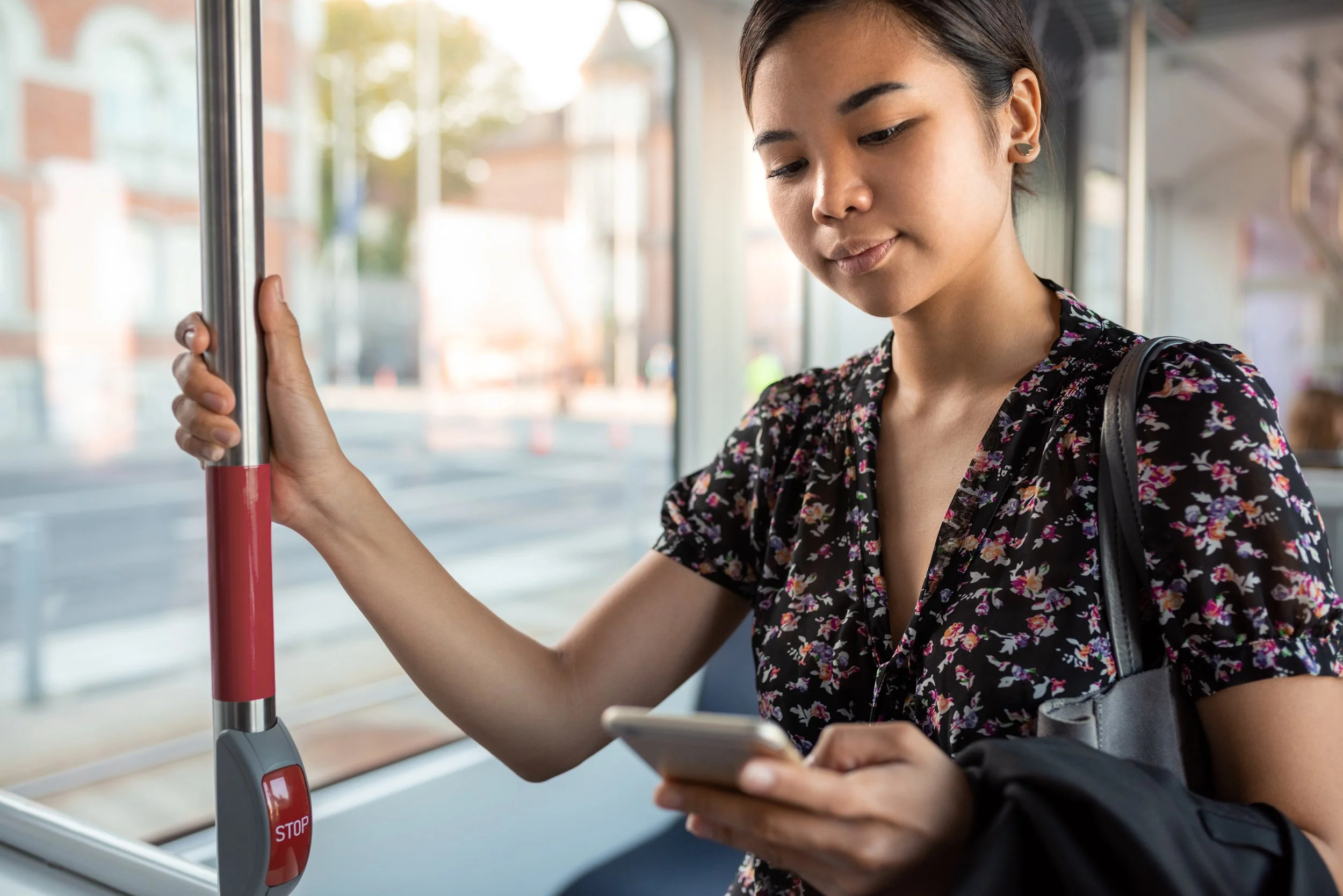
Honolulu City Council votes to raise public transit fares
The Council voted 6-3 — with Radiant Cordero, Matt Weyer, and Dos Santos-Tam dissenting — to adopt the new transit fares.
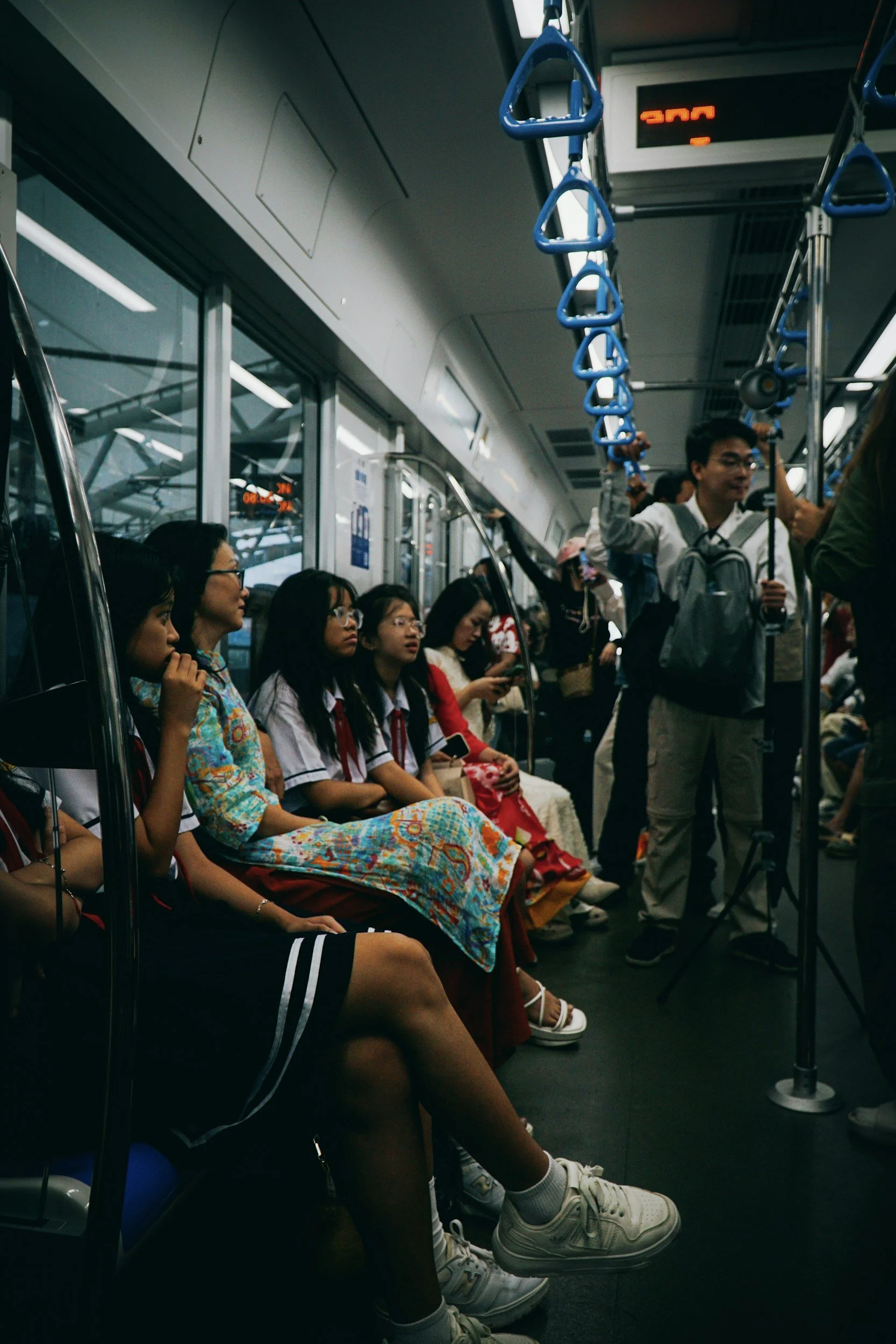
Honolulu bus, rail fares set to go up this summer
Council members voted Wednesday to boost the cost of an adult bus pass by $10 a month, along with other price hikes.
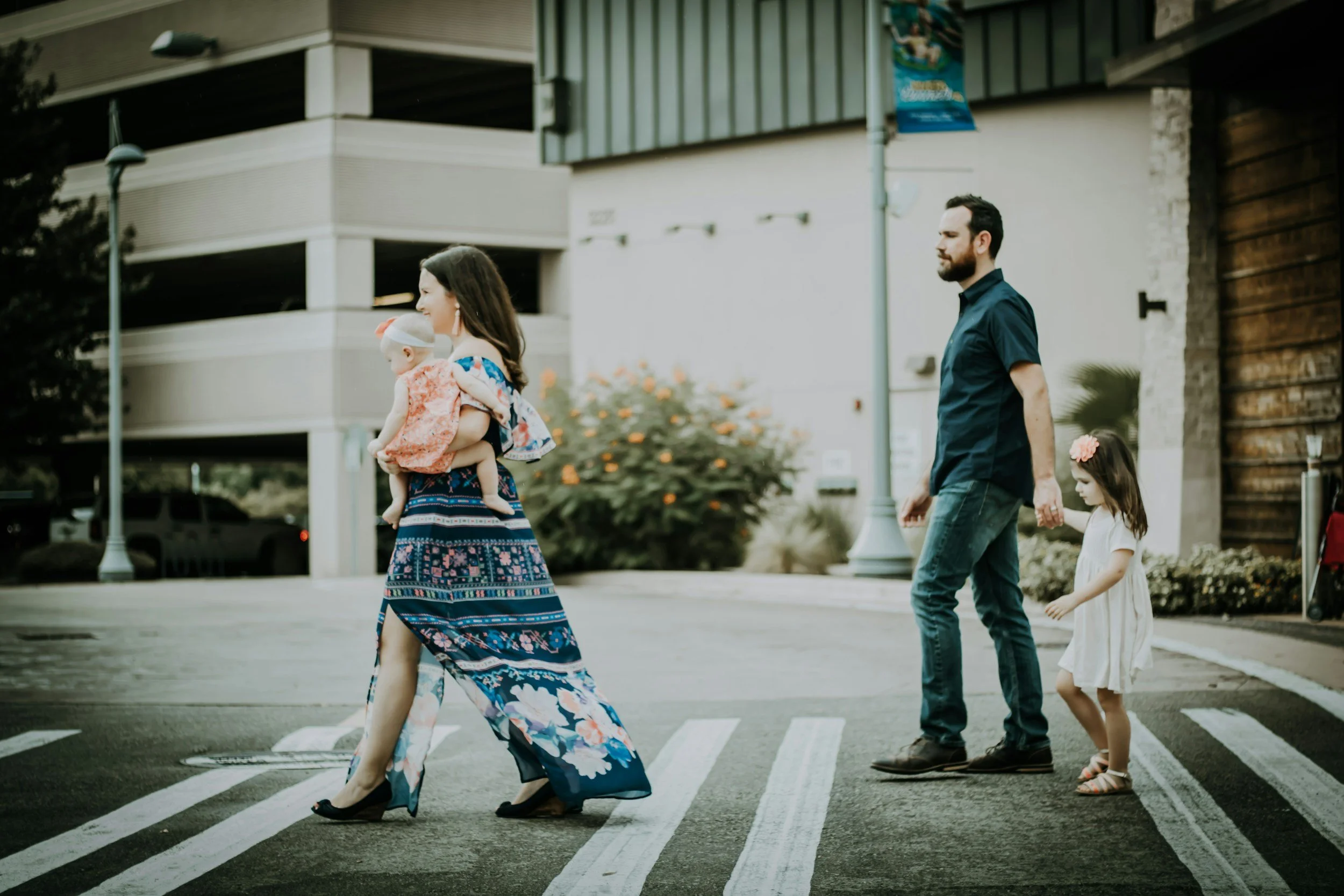
New year, new parking law
As of January 1, a new Hawaiʻi law now requires drivers to park at least 20 feet away from any crosswalk or intersection.
Lighting the way to safer streets in Waipahu and ʻEwa
Residents in these Leeward neighborhoods are about to make their bus stops and crosswalks safer in a project led by the Hawaiʻi Appleseed Center for Law & Economic Justice, aided with federal grant money.

Can Hawaiʻi turn around another deadly year on the roads?
An executive order emphasizes enforcement and safety education, but data shows infrastructure is also a major factor in many fatal accidents.
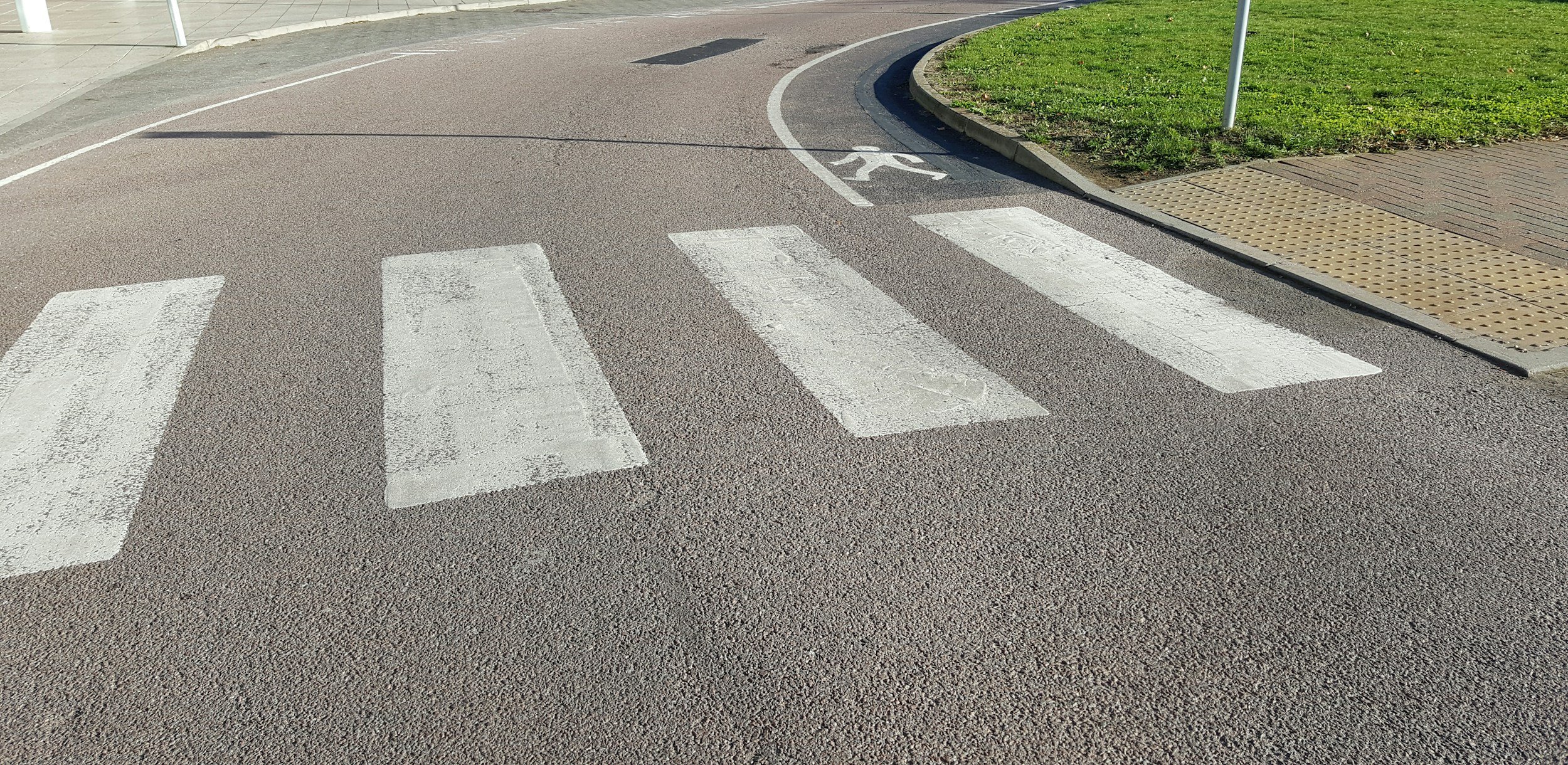
State fund aims to get more kids walking to school. Will they be safer?
The funds won’t be released until early next year, but the transportation department is looking at ways to expedite processes so work can begin within four months of receipt.

Economic prosperity rises from the bottom up
The Hawaiʻi Appleseed Center for Law & Economic Justice looks at the recent legislative session's hits and misses in this Community Voice column for Aloha State Daily.
Tax bills win preliminary approval from Hawaiʻi lawmakers
The House and Senate are also considering allowing legalized gambling for the first time in state history.

Should jaywalking be allowed? State lawmakers are considering a pilot program
Hawaiʻi issues thousands of jaywalking tickets per year, but pedestrian fatalities are still on the rise, highlighting the need for better safety measures.

Registration tax could increase for Hawaiʻi vehicles over 4,000 pounds
State lawmakers are considering increasing the tax on registering large vehicles to fund the Safe Routes to School Program.
Are jaywalking tickets in Hawaiʻi doing more harm than good? A new report breaks it down
The report claims ticketing for jaywalking and other minor infractions doesn’t actually make streets safer, but instead shifts focus and resources away from more effective solutions, like better street design.
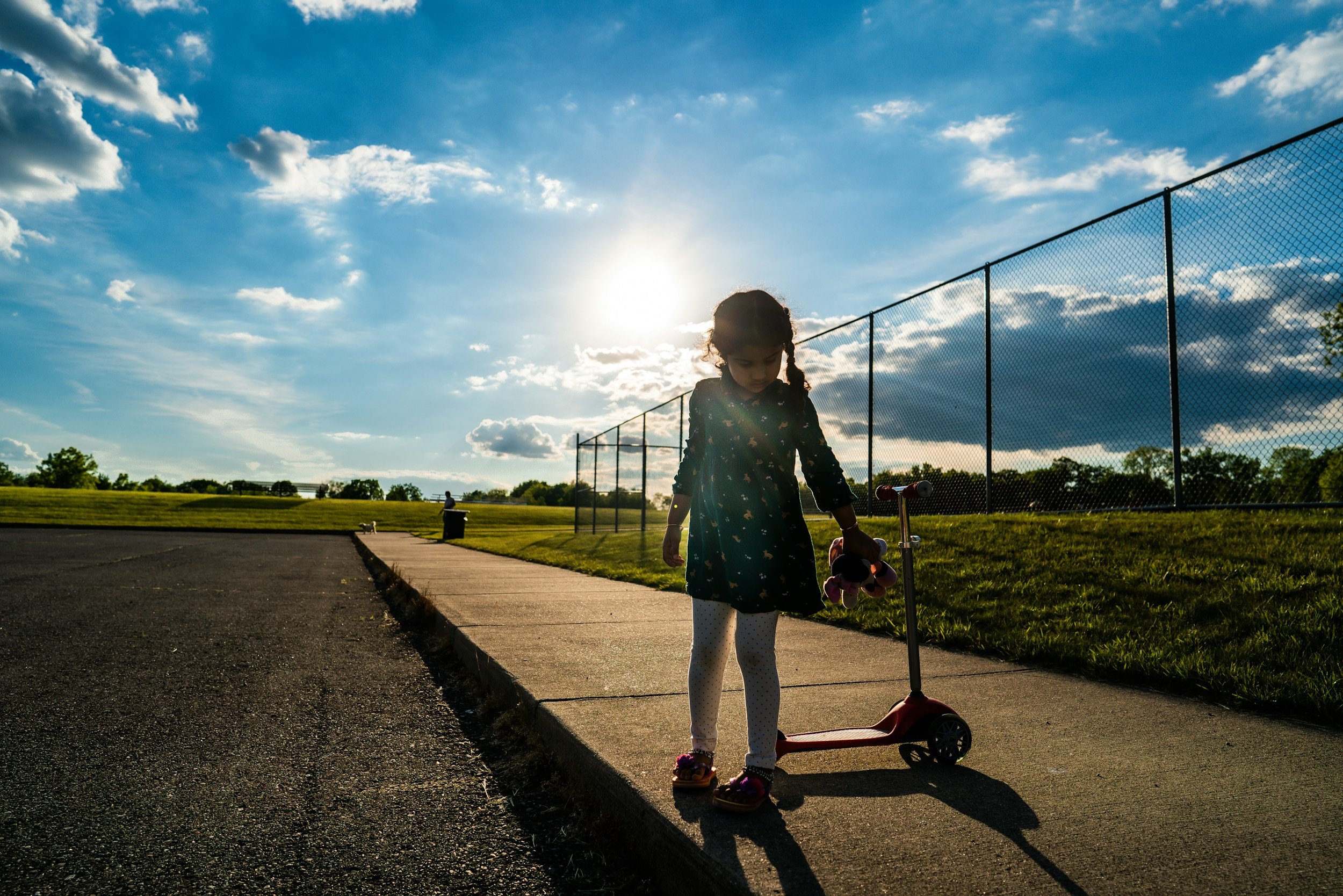
Lawmakers consider delivery fees to support pedestrian and biking infrastructure
The fee would tack on $0.50 to businesses for non-food deliveries, and the fees collected would go into the state's Safe Routes to School special fund to pay for safety projects.

Hawaiʻi is over-dependent on cars. Can the state spend more on alternative transportation?
Between 2019-2024, the Hawaiʻi DOT spent almost two-thirds of its capital improvement budget on projects that increase vehicle transportation, a pattern of spending that leads to more traffic, higher emissions, and fewer options for people who don’t drive.