

High levels of consumer debt add to Hawaiʻi household financial struggles
Hawaiʻi’s high debt load is usually invisible, but that may change soon as households become unable to carry this burden in the COVID-19 economy.

Disaggregating data helps replace racist policies with anti-racist ones
One often overlooked way in which racism manifests itself in our policies is through our use of data. Disaggregating data can help end racist policies.
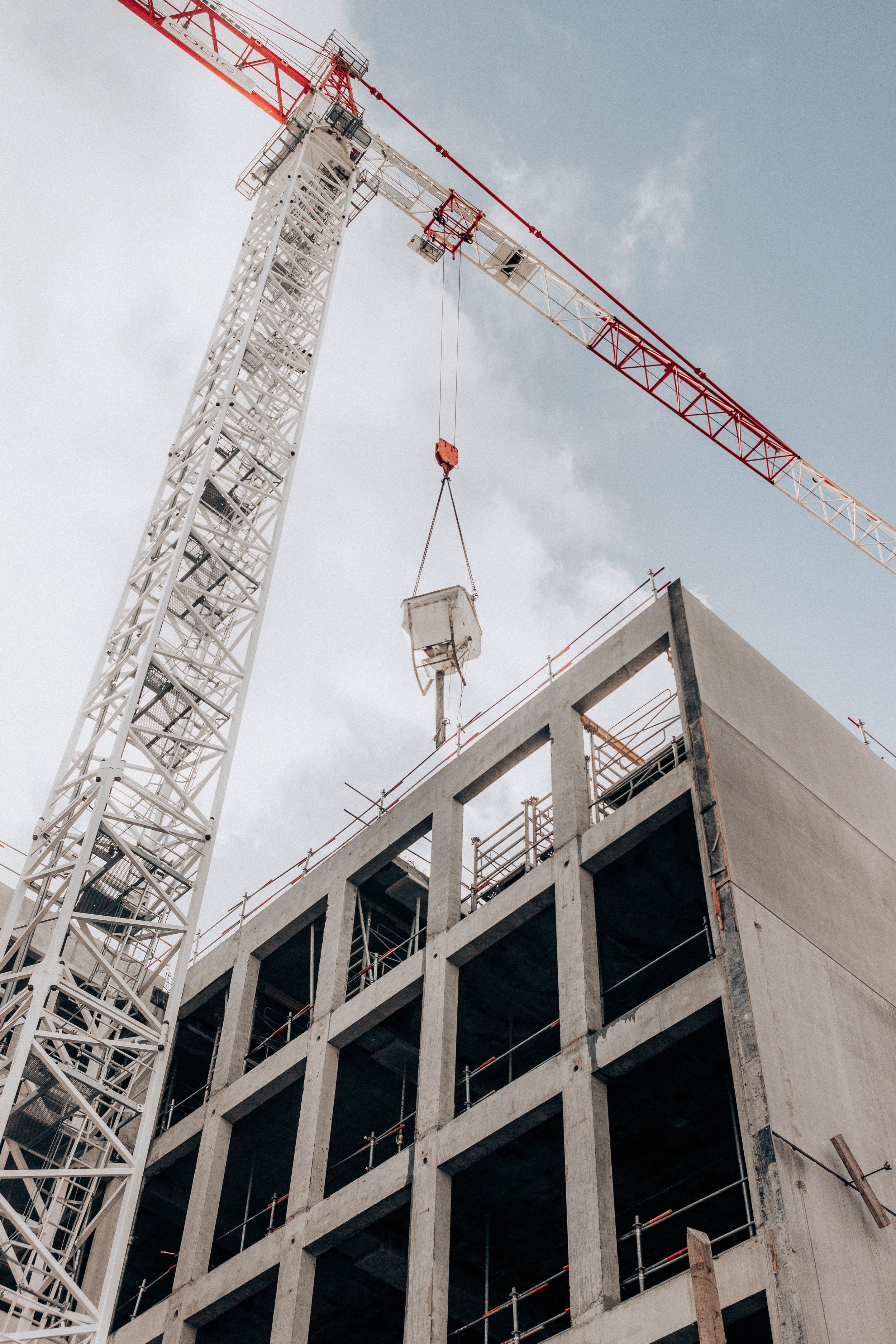
Housing, our best capital investment, is only 4 percent of state’s spending plan
Let’s invest wisely in Hawaiʻi’s capital needs. Housing is one of the best investments we can make, and every family deserves to have a home they can afford.

Hawaiʻi’s household income loss is the highest in the nation
6 in 10 Hawaiʻi adults now live in a household in which at least one person has lost income
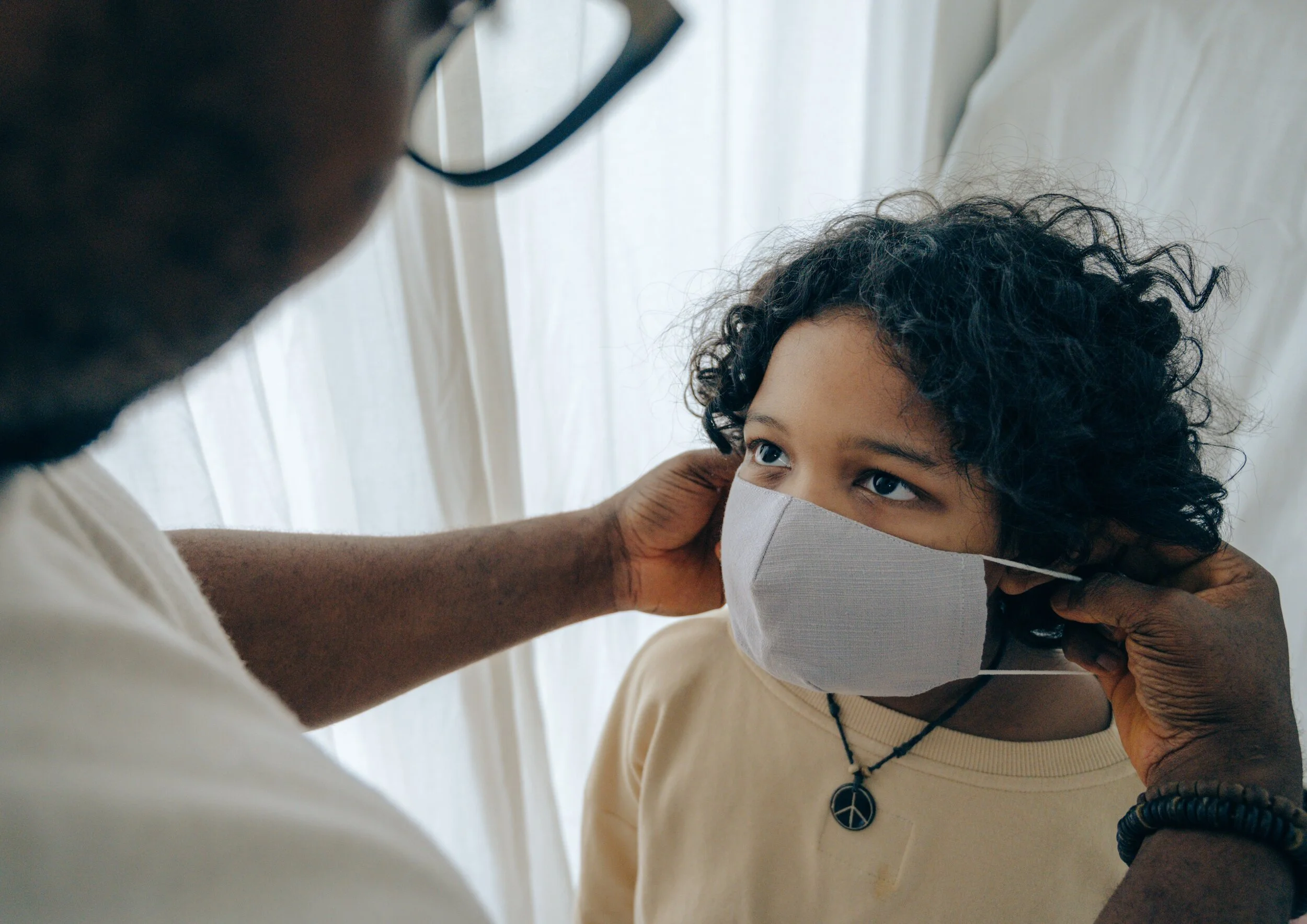
Here’s how the CARES Act funding will be spent in Hawaiʻi
Most of the $1.8 billion in grants are awarded to the state, but some goes to the counties, nonprofit organizations, and individual healthcare providers as well.
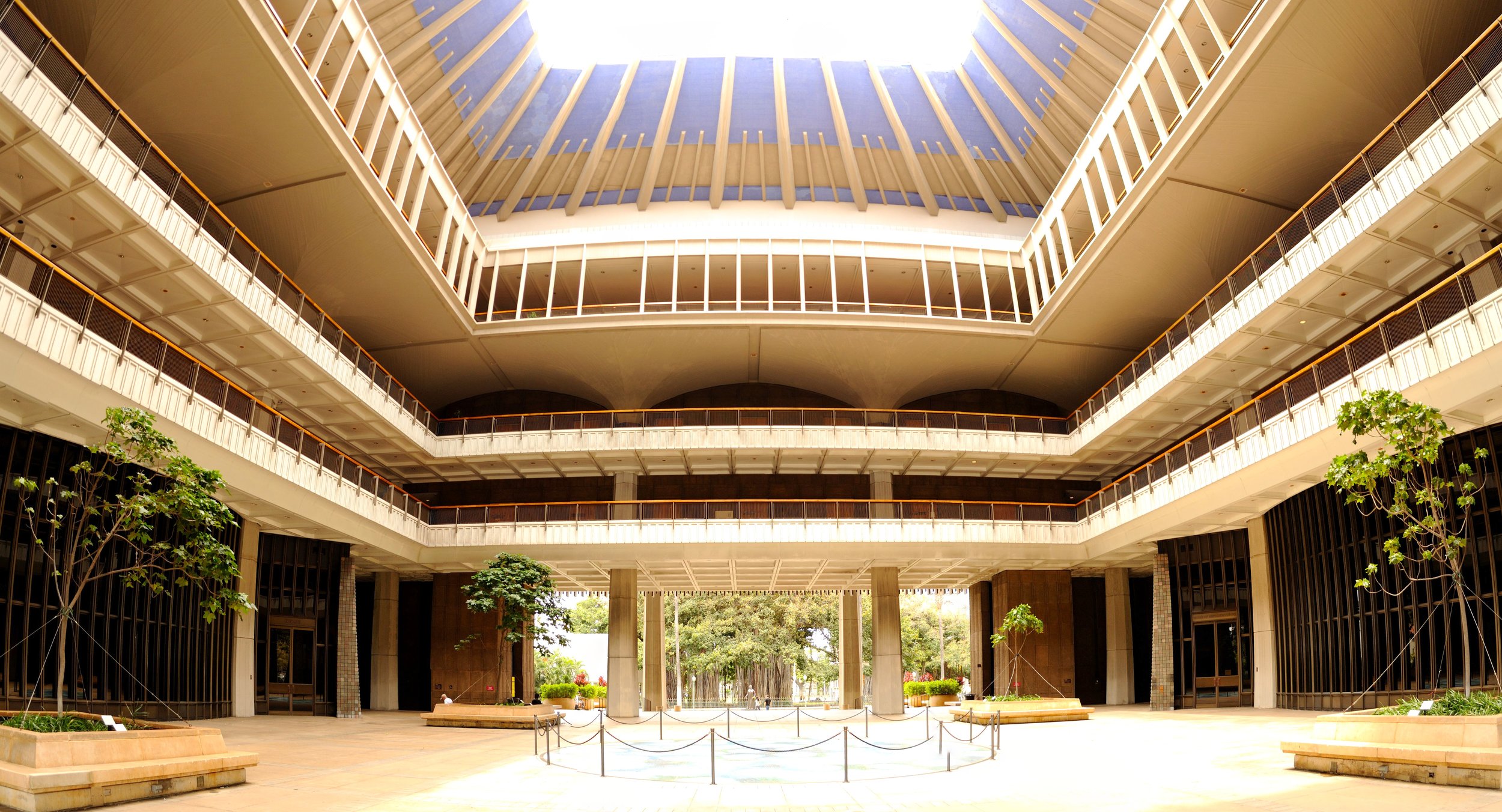
Eight progressive options to close Hawaiʻi’s billion dollar budget gap
Hawaiʻi lawmakers should use all available progressive options to close the state’s budget deficit without slashing critical government spending.

Hawaiʻi’s dependence on tourism explains our dramatic unemployment rate
The visitor industry, which accounts for a third of all jobs in Hawaiʻi, is heavily interconnected with global markets and susceptible to economic shock events like the outbreak of a global pandemic.

Community partnership doubles free keiki meal capacity
Nine new sites will open at Kamaʻāina Kids preschool locations in Honolulu, Kāneʻohe, Kailua, ʻEwa and Mililani on Oʻahu, as well as in Kahului on Maui.

Who are Hawaiʻi’s frontline workers?
The pandemic has shown us how crucial frontline industry workers are to Hawaiʻi’s economy. Sadly, many of these workers are underpaid and under-protected.
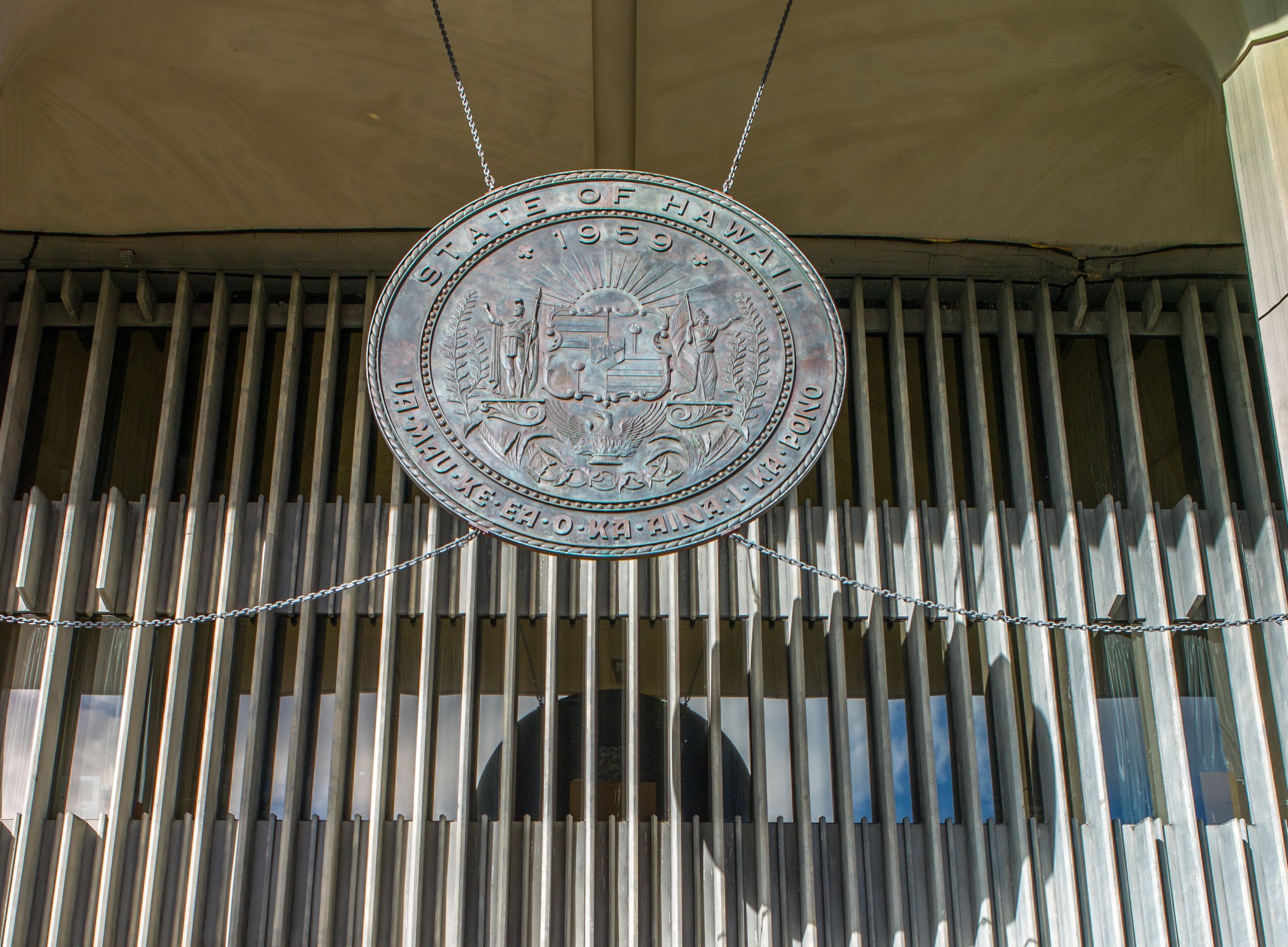
Avoid public sector cuts at all costs during a recession
as one engine of the economy—the private sector—slows down, it becomes necessary to increase government spending to power the second engine and keep the economy aloft.

Infrastructure projects put people to work today for a better tomorrow
The return on investment for infrastructure spending is always high. However, during economic downturns the economic benefits are magnified.

Stimulus strategies: which policies can best kickstart the economy
Amid the COVID-19 pandemic, Hawaiʻi can learn a lot from evaluating various initiatives the federal government used to pull the United States out of the Great Recession.

Keeping families afloat will keep our economy alive
Hawaiʻi is stronger when we invest in our people so they can better contribute to our economy and community.

Using Hawaiʻi emergency funds to weather COVID-19
Now is the time to use Hawaiʻi’s emergency funds to stabilize the economy and the working families that power it.

COVID-19: what policymakers can do now to buoy Hawaiʻi’s economy
By learning the lessons for the Great Recession, policymakers can save both lives and economies in communities across the state.

Community partnership will serve free meals to keiki during school closure
Five sites will be open on Prince Kūhiō Day when Department of Education sites will be closed.

Appleseed COVID-19 response will focus on assisting state in managing social safety net programs
During this crisis, Appleseed’s concern lies with the working families and children of Hawaiʻi.
State research confirms economic benefit of minimum wage hikes
The Department of Business, Economic Development and Tourism’s latest report demonstrates that a living wage is not only possible, it is economically desirable.

Making the Earned Income Tax Credit a cornerstone of Hawaiʻi antipoverty policy
Lawmakers should strengthen the signature working families tax credit to better help those who need it most.
Hawaiʻi’s racial pay gap has gotten worse since 2000
For decades, white Hawaiʻi residents have seen higher median wages than people of color. When racial and ethnic categories are broken down, the disparities are even more pronounced.