
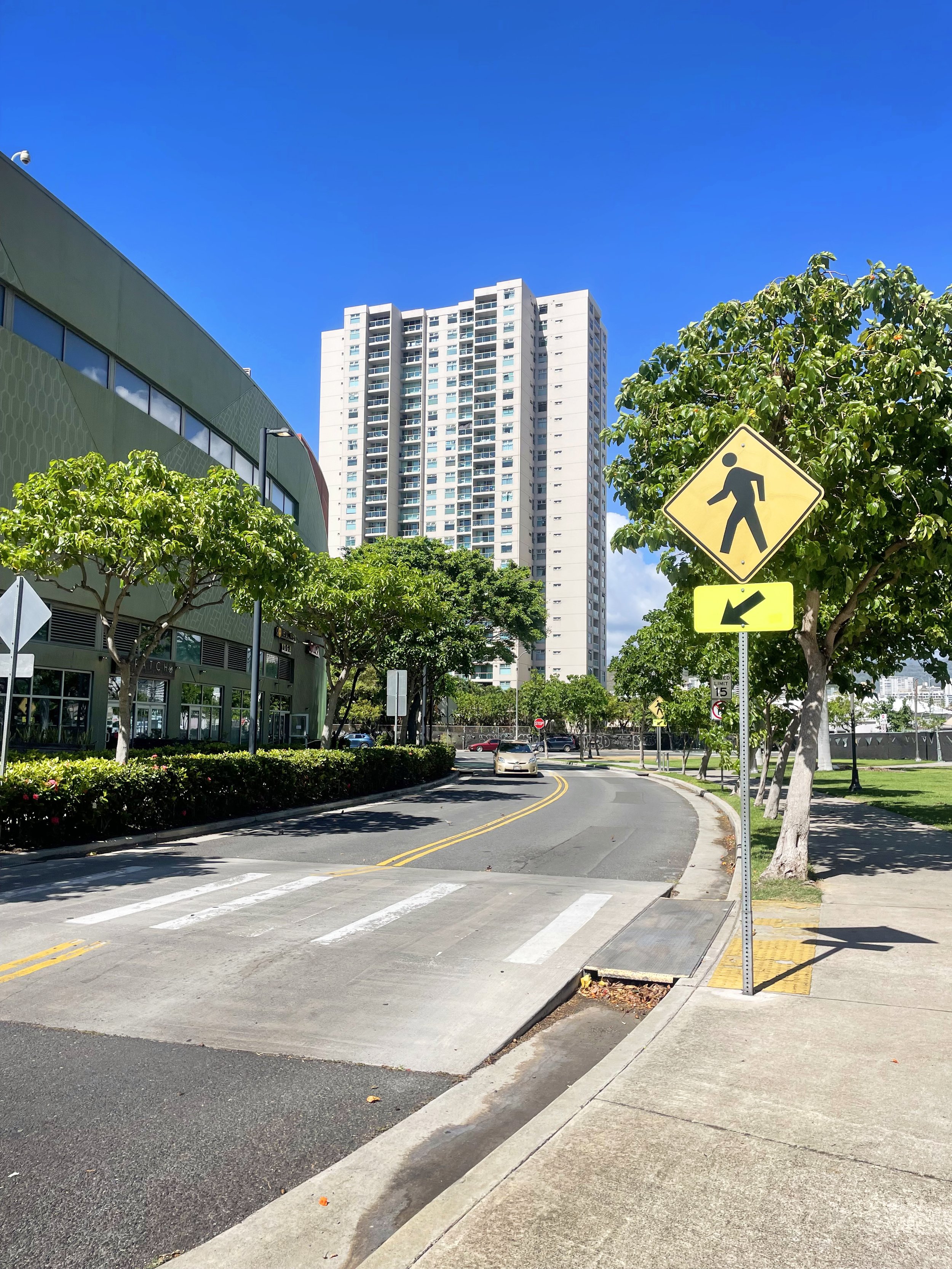
New policy report calls for major shift in Hawai‘i’s transportation spending to address unmet mobility needs, traffic congestion and emissions
Over the last 5 years, 66.3 percent of the state’s transportation budget has gone toward projects that increase vehicle capacity, while only 1.5 percent has gone to reducing vehicle travel.

Hawaiʻi Appleseed releases 2024 report exploring an Empty Homes Tax to address Honolulu’s housing crisis
Honolulu's severe housing crisis is being exacerbated by a growing trend of vacant homes purchased as investments by non-residents. To reverse this trend, Hawaiʻi Appleseed recommends a flat tax of 3–5 percent on empty homes.
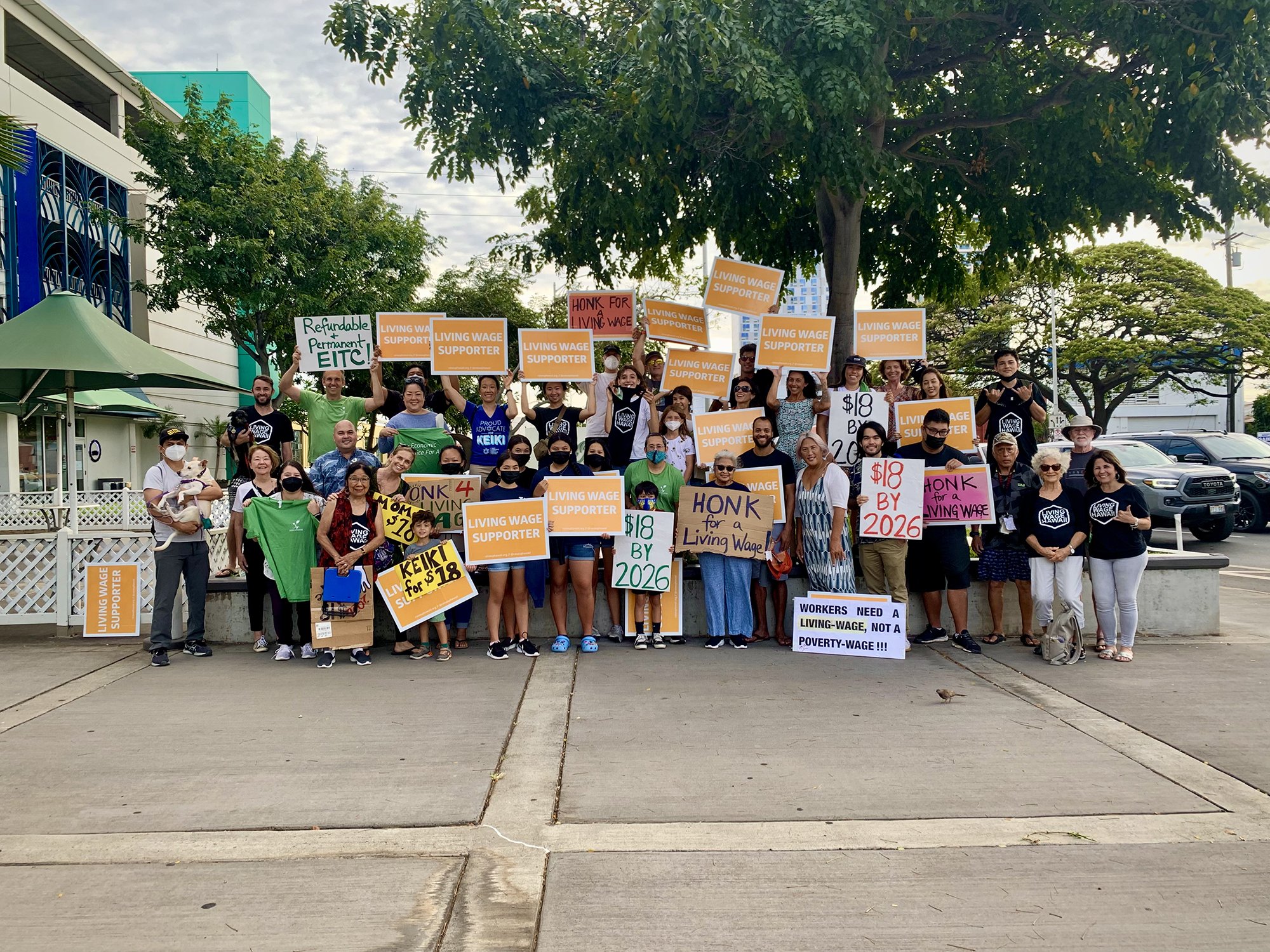
Hawaiʻi Appleseed launches 20 year anniversary giving campaign
The nonprofit hopes to raise $100,000 from individual and corporate donors by December 31.

Hawaiʻi Appleseed releases 2024 edition of its Budget Primer product
The biennial budget analysis product is a core service provided by Appleseed researchers.

Estate tax giveaway HB2653 would further concentrate wealth, drive inequality
New data-driven policy brief from Hawaiʻi Appleseed aims to educate lawmakers on the true nature of the policy proposal contained in this 2024 bill.

Freedom to Walk: the high cost of jaywalking enforcement in Hawaiʻi
Enforcement of jaywalking laws is costing taxpayers money while doing nothing to prevent pedestrian traffic deaths; we need a paradigm shift in our thinking about who streets are for.

Hawaiʻi’s conveyance tax can be an effective tool to address our housing crisis
Hawaiʻi lawmakers have an opportunity to tailor the sales tax on real property so that it reinvests nonresident wealth into our island communities through affordable housing development.
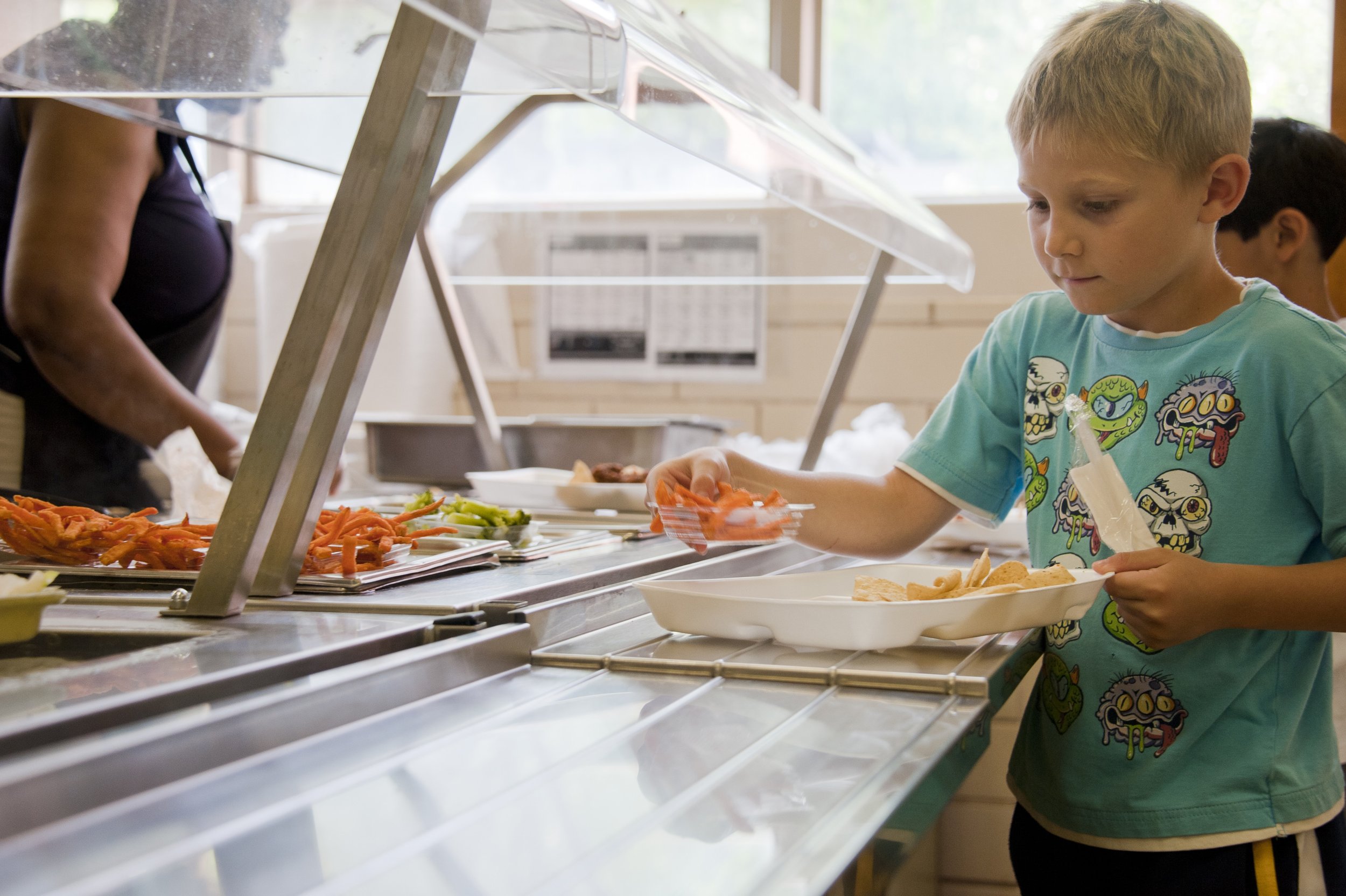
New report calls upon the state to join a growing national movement and provide free meals to all Hawaiʻi public school students
Extending free meals to all public school students would cost about $25 million per year—about 1 percent of the DOE’s operating budget.

Hawaiʻi’s tax system makes inequality worse, national study finds
Hawaiʻi lawmakers can improve the economic health of our communities by re-balancing the state’s upside-down tax code.

Hawaiʻi’s low wages relative to its cost of living put a serious strain on society, local economy
In a new report, Hawaiʻi Appleseed researchers demonstrate how chronically low wages have prevented Hawaiʻi’s working families from thriving, and outline the significant cost that poverty exacts from these families, from future generations, and from all of us.

$8 million in additional federal funds now flowing to Hawaiʻi to feed keiki
Hawaiʻi sees first school meal reimbursement rate increase in 40 years.

New report outlines eviction reduction strategies to keep Hawaiʻi housed
The high cost of evictions in Hawaiʻi warrants legislative action based on best practices outlined in new report.
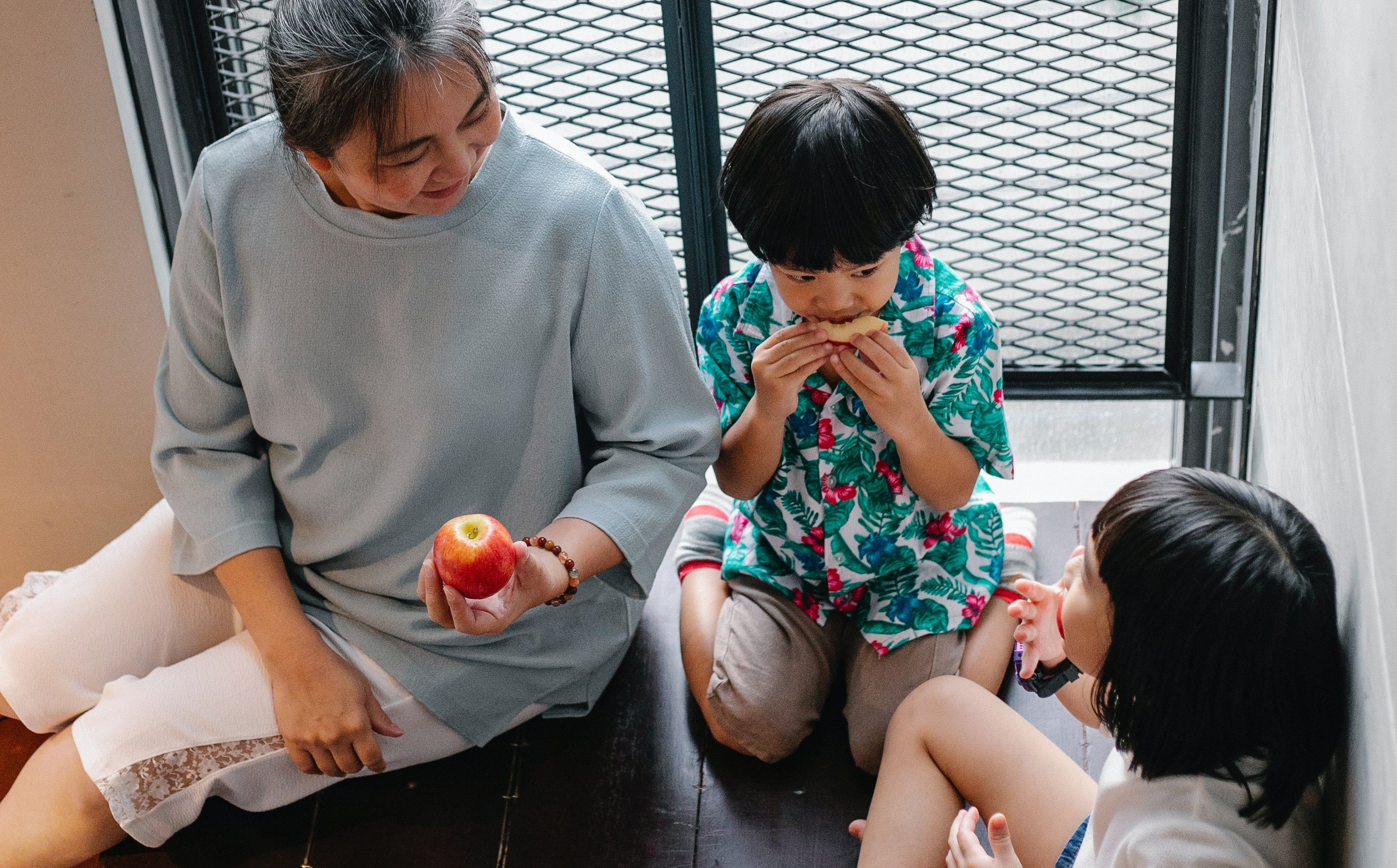
Hawaiʻi households to suffer deep cuts to SNAP benefits; anti-hunger advocates urge lawmakers to address hunger cliff
The cliff is a result of Congress’ decision to end the federal emergency allotments that were implemented to reduce food insecurity and stimulate the economy for the duration of the pandemic.
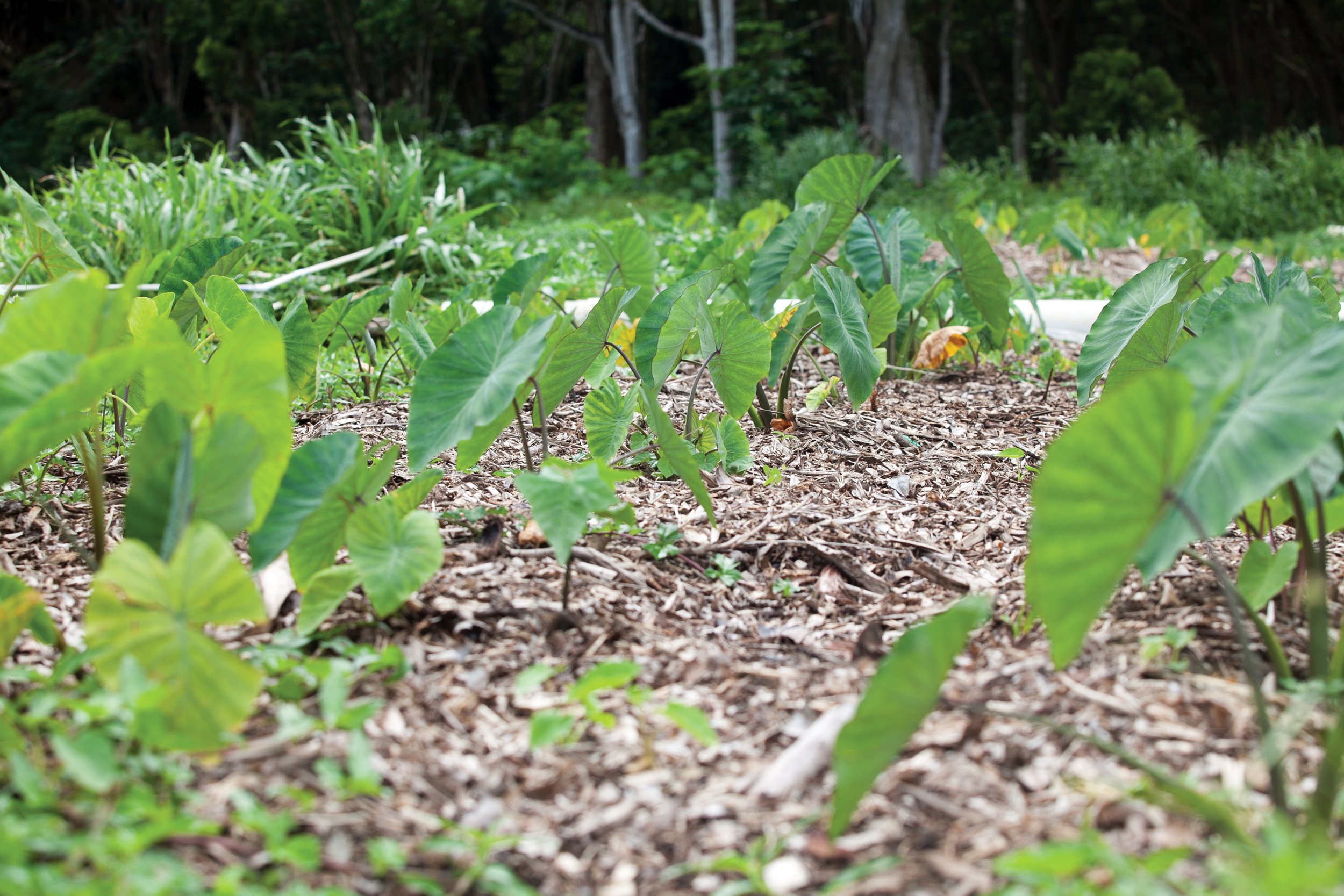
After more than 40 years, USDA increases Hawaiʻi’s school meal reimbursement rates
These increased rates are projected to bring an additional $8 million a year to Hawaiʻi to support healthy meals for children.

Hawaiʻi's tenant-landlord mediation program kept hundreds housed amid pandemic fallout
Study aims to ascertain whether or not there are ways to increase housing stability by examining the temporary measures Hawaiʻi put into place in response to the COVID-19 pandemic.

Census data show importance of government relief in mitigating pandemic-related increases in poverty
The pandemic caused worsening poverty rates across the nation between 2019 and 2021, but data points to the critical importance of federal and state investments in mitigating the severity of these impacts.

Four local nonprofits team up to curb hunger with new national funding
Four Hawaiʻi nonprofits are jointly launching a new effort to end hunger in the state, thanks to new funding from MAZON: A Jewish Response to Hunger, a leading national anti-hunger organization.

Report: Hawaiʻi is short tens of millions in annual federal funds to support feeding children
The “Feed our Keiki” report finds that the USDA is providing far less funding to Hawaiʻi than it should, resulting in a financial crisis for Hawaiʻi’s child nutrition programs.

Hawaiʻi spends less on children’s programs now than in 2005
A first-of-its-kind report analyzes how the state funds programs and services for keiki.

A bigger tax refund would help workers and their families thrive
Two new policy briefs focus on the social and economic benefits of a tax system that bolsters Hawaiʻi’s working families—especially those with children—through the smart use of tax credits.