
Preserving Immigrant Access to Medicaid (2010–2014)
For low-income families, access to medical care through the federal Medicaid program (Med-QUEST in Hawaiʻi) is critical to their health. For some, it is a matter of life and death.
In 2010, LEJ and pro bono partners Alston Hunt Floyd & Ing intervened to prevent the state of Hawaiʻi from cutting off Med-QUEST medical coverage to thousands of Hawaiʻi’s immigrant residents from who relied on the program for their healthcare needs, including life-sustaining treatments such as dialysis and chemotherapy.
LEJ was successful in fending off the cuts for five years as the the case was litigated successfully at the trial court level, overturned by the Ninth Circuit Court of Appeals, and then turned down for reconsideration by the U.S. Supreme Court. Fortunately, during the five years of litigation, the Affordable Care Act (“Obamacare”) was passed, providing an opportunity for nearly all of the residents affected by the cuts to secure health coverage without interruption.
Sound v. Koller
August 31, 2009: State Complaint filed
August 31, 2009: State Motion for Temporary Restraining Order and Preliminary Injunction
August 31, 2009: Federal Complaint filed
August 31, 2009: Federal Motion for Temporary Restraining Order and Preliminary Injunction
September 1, 2009: Federal Order Granting in Part and Denying in Part Plaintiff’s Motion for a TRO
Korab v. Fink (formerly Korab v. Koller)
August 23, 2010: Complaint filed
March 23, 2011: Amended Complaint filed
April 11, 2011: Answer filed
September 9, 2010: State’s Motion to Dismiss for Failure to State a Claim filed
October 5, 2010: LEJ’s Memo in Opposition filed
October 12, 2010: State’s Reply
November 10, 2010: Order Denying Motion to Dismiss
September 13, 2010: Motion for Preliminary Injunction
October 4, 2010: State’s Memo in Opposition
October 12, 2010: LEJ’s Reply
December 13, 2010: Order Granting Preliminary Injunction
January 10, 2011: State’s Notice of Appeal
November 24, 2010: Stipulation and Order granting class certification
April 28, 2011: State’s Motion for Partial Summary Judgment re: New Residents
May 9, 2011: LEJ’s Opposition
May 16, 2011: State’s Reply
July 28, 2011: Order Denying Motion
April 28, 2011: LEJ’s Motion for Preliminary Injunction re: New Residents
May 9, 2011: State’s Opposition
May 16, 2011: LEJ’s Reply
July 28, 2011: Order Denying Motion
-
In 2010, as a cost-saving measure, the state intended to cut Med-QUEST for Hawaiʻi residents living here under the Compacts of Free Association (COFA). These members of our community, who come from three different countries in Micronesia, face many challenges in the United States, including widespread discrimination.
The Republic of the Marshall Islands, the Republic of Palau, and the Federated States of Micronesia have special relationships with the United States, which are defined under the different COFA agreements between the U.S. and each of the three sovereign states.
The U.S. and COFA states have reciprocal economic and military agreements that allow citizens of COFA states to live and work in the United States. Hawai‘i is home to many individuals and families from these nations who work, attend school, and contribute to the strength and diversity of our island community.
Beginning in 1997, the state had covered eligible COFA residents through Med-QUEST programs. In response to reduced revenues after the Great Recession, the State of Hawaiʻi decided, in 2010, to save money by ending Med-QUEST coverage and creating a markedly inferior plan, Basic Health Hawaiʻi (BHH).
Under this newly proposed plan, annual coverage would have been limited to just 10 days of inpatient hospital care, 12 outpatient visits, and a maximum of four prescription medications per month. This level of coverage is inadequate for the typical Medicaid patient, let alone one with severe chronic illness.
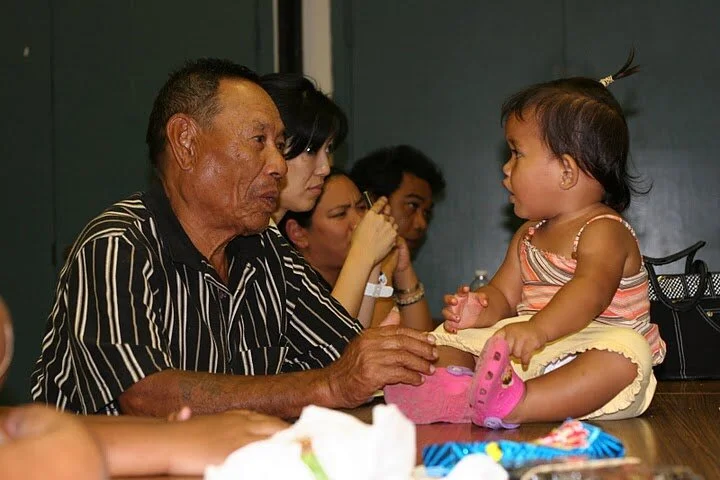
Even worse, BHH’s meager coverage would have cut off life-saving treatments such as chemotherapy and dialysis, making this cost-cutting measure a life-threatening one for Micronesian kūpuna and people with disabilities. These residents have no access to comparable healthcare in their countries of citizenship and no means to afford expensive medical treatment.
-
Item description
In The News

Press Releases

Basic Health Hawaii: Broken Spirits, Healing Souls
Documentary by Keola K. Diaz
The case for Micronesians civil rights within the health care space.
A group of 7,700 Pacific island migrants in Hawaiʻi who suffer from the long-term effects of U.S. nuclear testing await a federal judge’s ruling on a request to dismiss a class-action lawsuit that seeks to restore their medical benefits.