

Hawaiʻi wealth flight fears are overblown
The evidence points only one way: Top earners stay where their lives are rooted. And Hawaiʻi has plenty to keep them here.

State budget directs $200 million to Maui wildfire recovery
Hawaiʻi Appleseed reported the state maintains a regressive tax structure, where the poorest 20 percent of residents pay 14.1 percent in effective state and local taxes, and the wealthiest 1 percent pay 10.1 percent.

Thousands of keiki now eligible for free school meals
Act 139 expanded the threshold to those making up to 300% of the federal poverty level, meaning an average family of four making up to roughly $113,000 annually could now be eligible for free school meals.

Legislature shows support for local agriculture, food security
Food security advocates are also celebrating policies that will make it easier for kūpuna and inmates nearing the end of their sentences to participate in SNAP, or the Supplemental Nutrition Assistance Program.

Why housing affordability progress stalls out in Hawaiʻi
What is missing is not knowledge, evidence, or available policy options. What is missing is honesty about whom these reforms actually threaten and why bills with broad public support keep dying for reasons that rarely get named.

Luxury home tax pitch to fund Hawaiian Homes flopped. Now what?
The state Department of Hawaiian Home Lands came away with some funds but will need to look for other revenue sources.

Free school meals are popular. Hawaiʻi isn’t sold.
Three years after lawmakers first considered making school meals free for all kids, students and teachers are still pushing for change.

With new federal cuts looming, legislature must fulfill 100-year promise to Hawaiians
Senate Bill 3028 would give DHHL a permanent, dedicated revenue stream funded by restructuring the state’s conveyance tax.
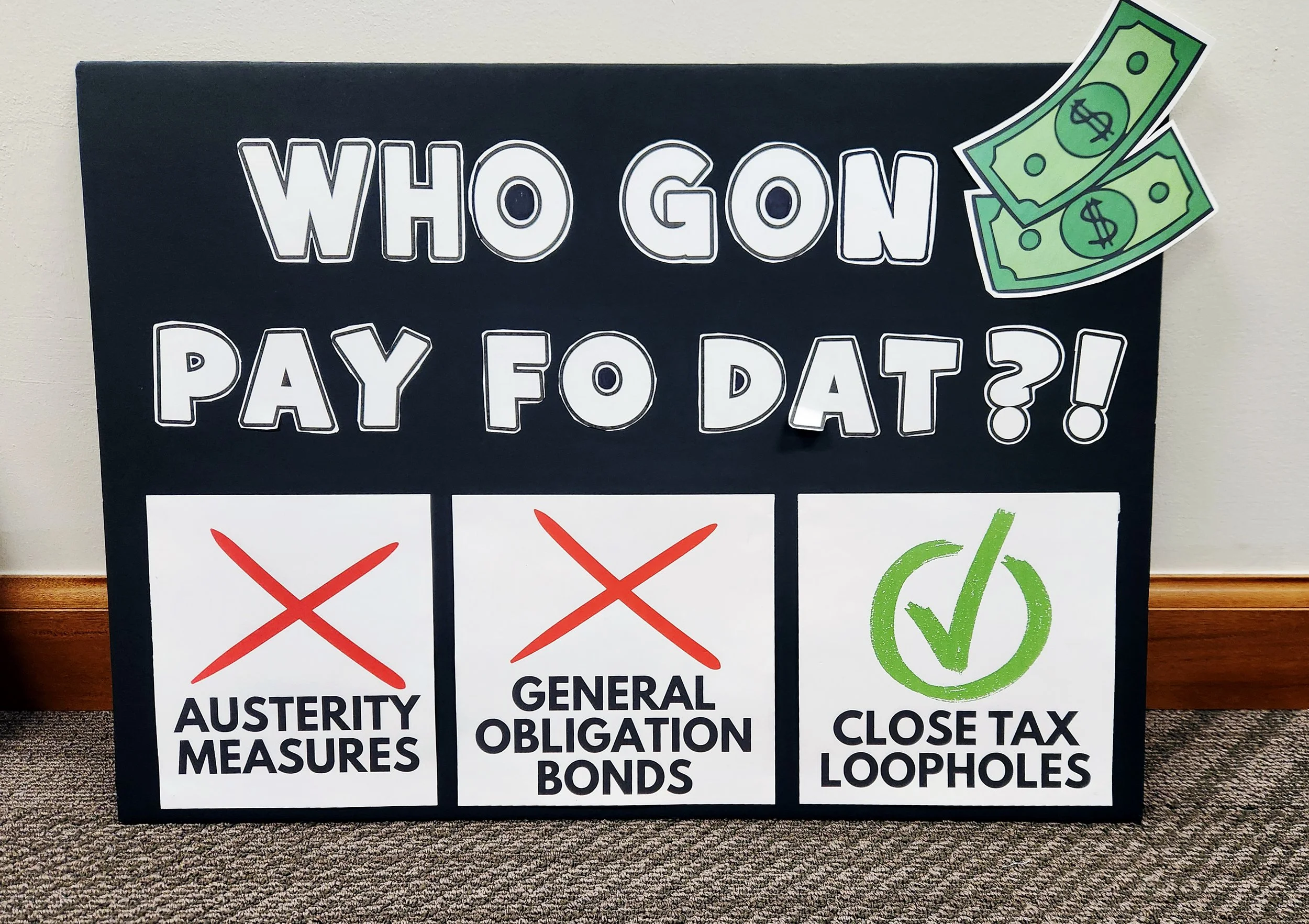
Tax fairness promoted in bills would implement major changes
The Hawaii Tax Fairness Coalition is advocating for bills that would make major changes to the state’s income tax, capital gains tax, real estate sales tax and a tax on income for real estate investment trusts.

From free meals to teacher safety, an array of bills for Hawaiʻi schools
Proposals have made it halfway through the legislative session, and some advocates are cautiously optimistic that legislation that failed in past years will make it this year.

Creating a Hawaiʻi we can afford
For decades, we’ve lived with the highest cost of living in the country, in a service oriented economy where wage growth lags far behind rising prices. What can we do about it? We come together and find solutions.
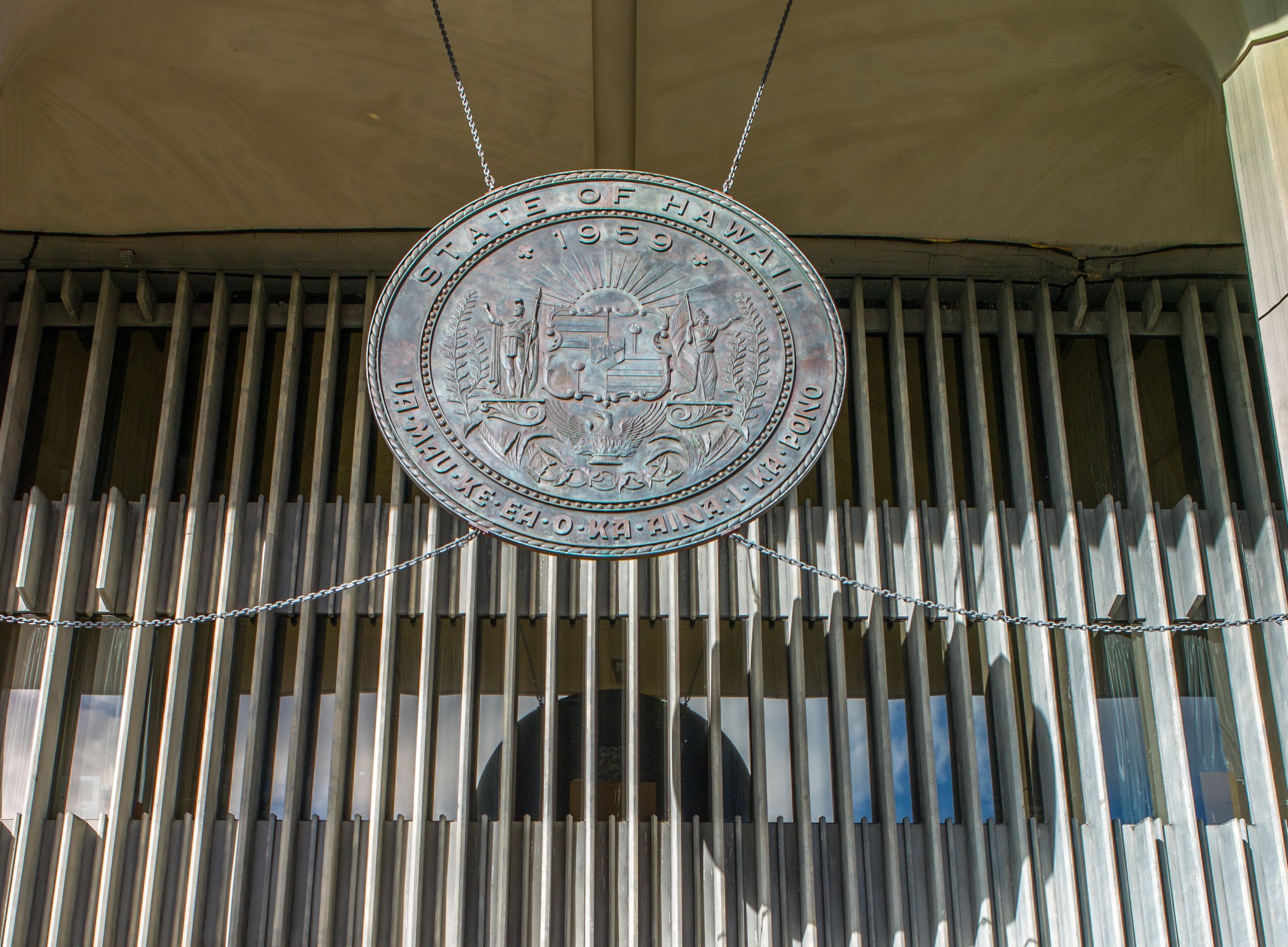
Hawaiʻi lawmakers debate scaling back promised tax cuts
In 2024, lawmakers passed sweeping tax relief under Act 46, promising phased income tax reductions for Hawaiʻi residents over several years. But the state’s financial outlook has changed.
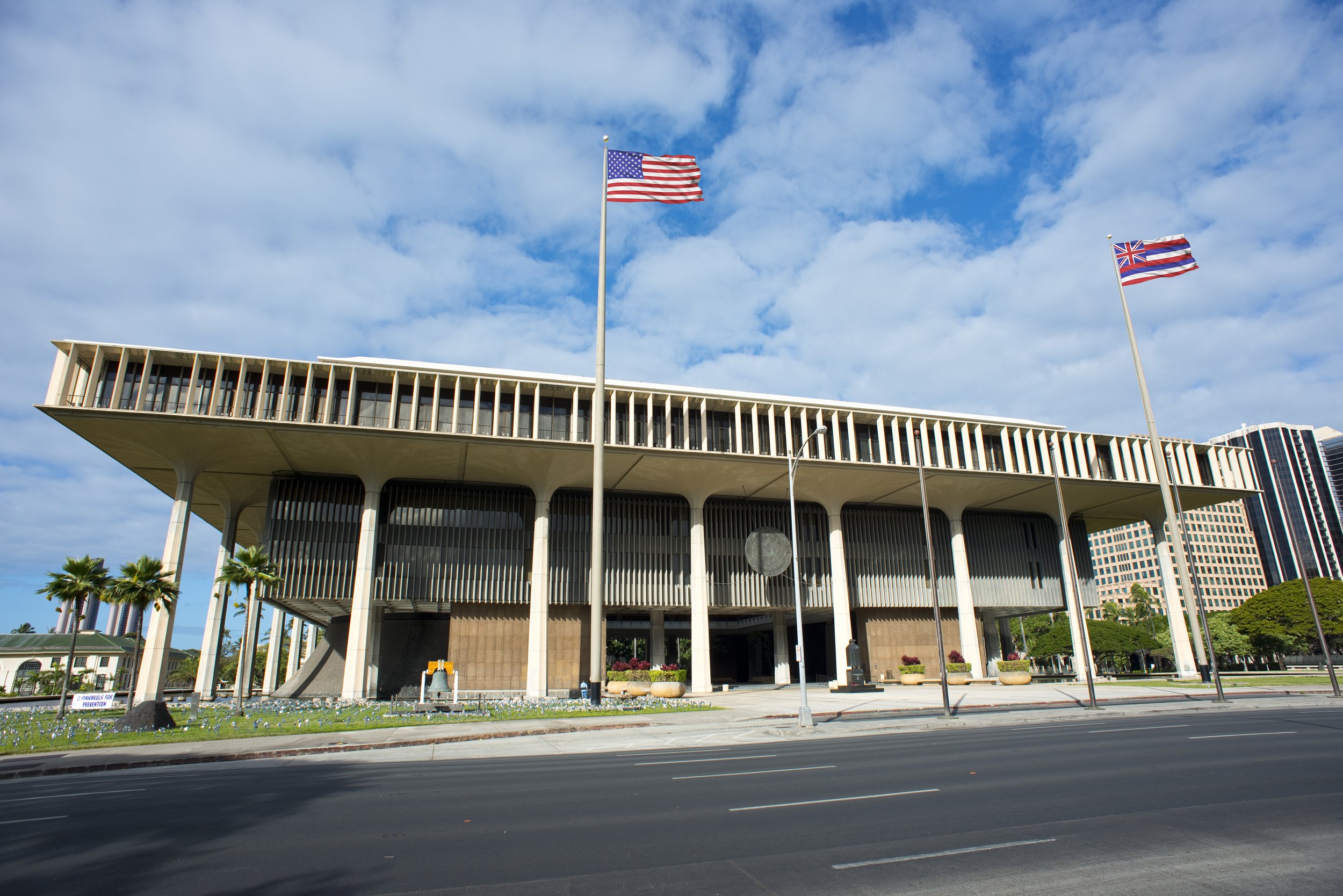
Balancing the state budget could require pauses to income tax cut plan
With federal funding cuts on the horizon, state lawmakers are advancing measures proposed by Gov. Josh Green that would pause some of the “historic” state tax cuts passed in 2024.

Transportation: a cost-of-living burden but also an opportunity
Reframe the conversation by investing in multimodal services and infrastructure.
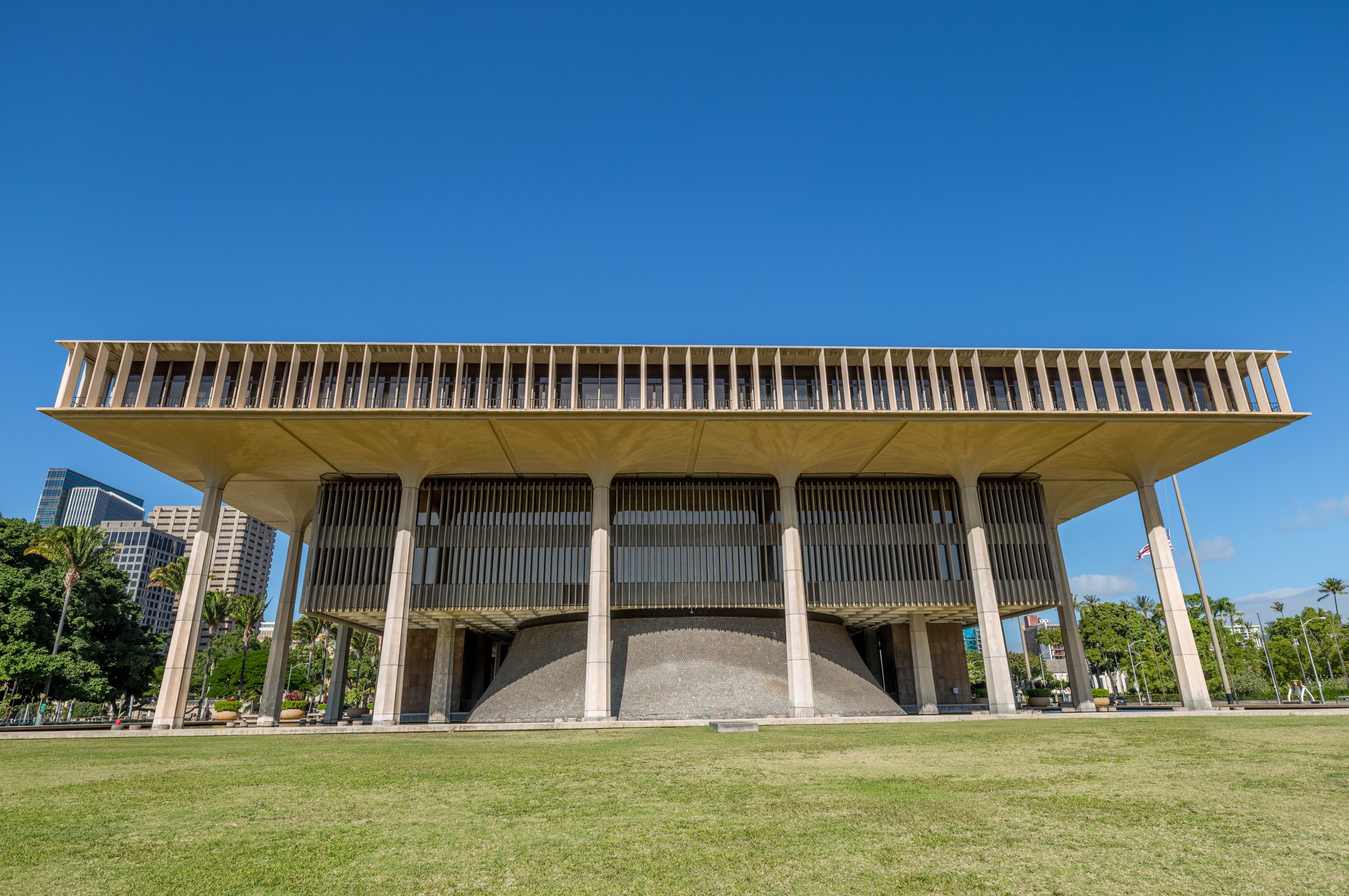
Hawaiʻi lawmakers debate Gov. Green’s freeze on income tax cut
Because lower tax rates through this year will continue at the 2026 level beyond this year, Green’s office said Hawaiʻi families will save $5.4 billion over the next five years after $1.5 billion this year under his proposal.

Hawaiʻi’s hunger crisis is here, and urgent
We find ourselves in the midst of a hunger crisis driven by sky-high living costs, cuts to essential nutrition supports, and food systems that don’t work for all of us.

What pushes locals out of Hawaiʻi? Low wages
The Honolulu Charter Commission has a once-in-a-decade opportunity to address the county’s crisis.

Hawaiʻi coalition calls for tax fairness for local needs
As Hawaiʻi struggles to meet growing needs in housing, education, health care and climate resilience, a broad coalition of community groups, labor unions and nonprofit advocates is pushing lawmakers to confront a long-standing question: how to pay for it.

Hawaiʻi Appleseed launches new interactive Economic Justice Data Dashboard
The Economic Justice Data Dashboard provides a clear, visual snapshot of how communities at the state, county and legislative district levels are performing across interconnected areas of economic security.
5 Questions: Will White, Appleseed Hawaiʻi executive director
This year marks an inflection point for Hawaiʻi. We can either accept the federal government’s retreat from our public benefits system, or reinvent and reinvest in new systems that work to support Hawaiʻi’s most vulnerable families.