

Thousands of keiki now eligible for free school meals
Act 139 expanded the threshold to those making up to 300% of the federal poverty level, meaning an average family of four making up to roughly $113,000 annually could now be eligible for free school meals.

New year, new parking law
As of January 1, a new Hawaiʻi law now requires drivers to park at least 20 feet away from any crosswalk or intersection.
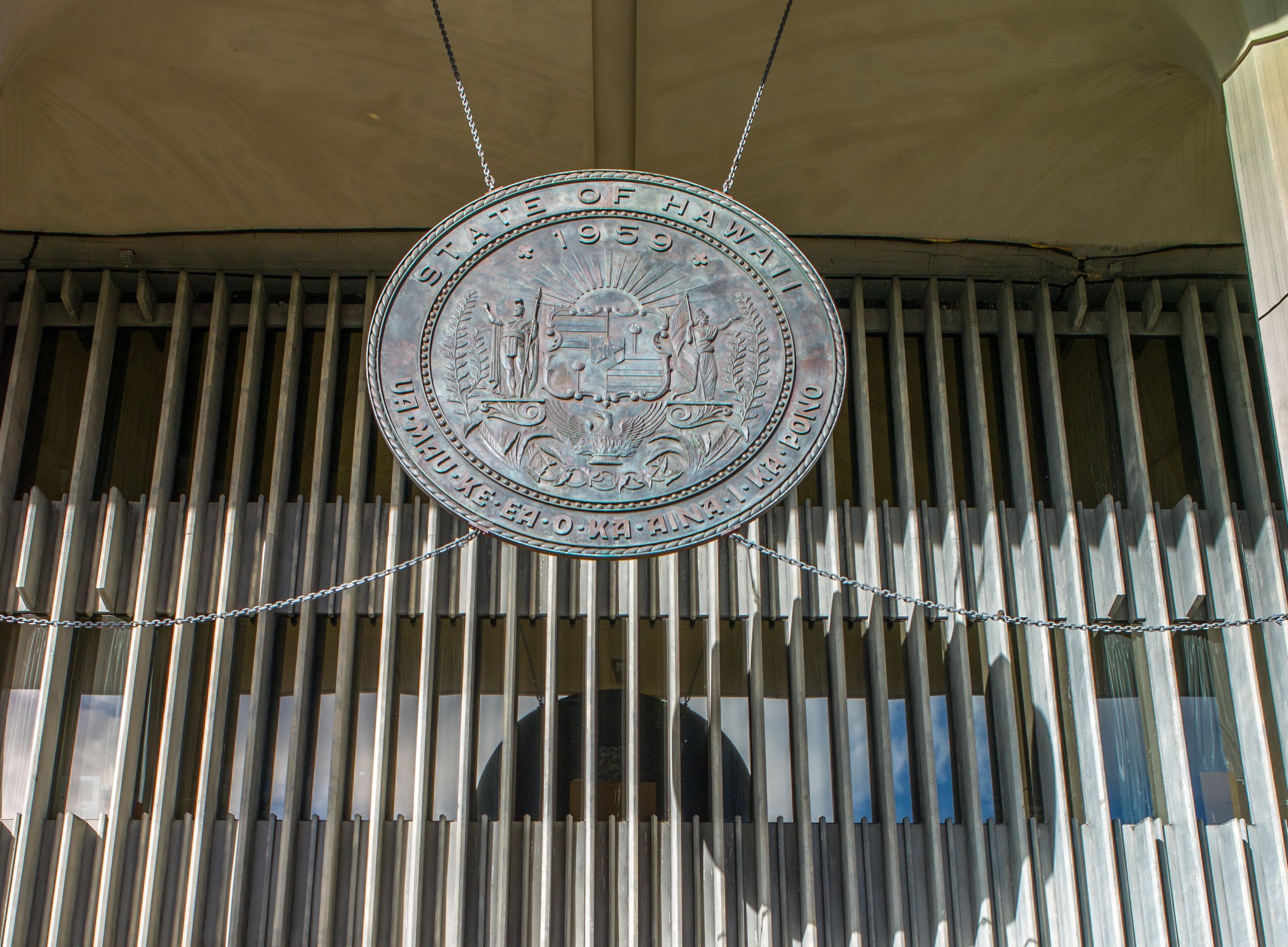
Why understanding Hawaiʻi’s budget is an important civic duty
An engaged and informed public is the most powerful tool for change we have.

Economic prosperity rises from the bottom up
The Hawaiʻi Appleseed Center for Law & Economic Justice looks at the recent legislative session's hits and misses in this Community Voice column for Aloha State Daily.

Housing: Lawmakers fund more housing, not special treatment for locals
Housing advocates unsuccessfully pushed for bills that would have given cash incentives for deed restrictions that require a property owner to be a resident working in the state.

Progress report: Hawaiʻi’s working families need more support
Advocates for working families are concerned that bad things are coming with federal cuts and hoped the legislature would do more to increase the state’s safety net.

State passes a bill to expand free school meal access
The bill, SB1300, will go into effect with the upcoming 2025-26 school year and will cover students whose family income is not more than 300 percent of the federal poverty level.

Bill offering displaced tenants protections dies at legislature
The bill’s supporters said one state Senator was responsible for the outcome

State fund eyed for workforce housing subsidies
House Bill 432 would allow part of the state’s rental housing revolving fund to go toward financing development of apartments for households earning between 60–140 percent of a county’s annual median income.
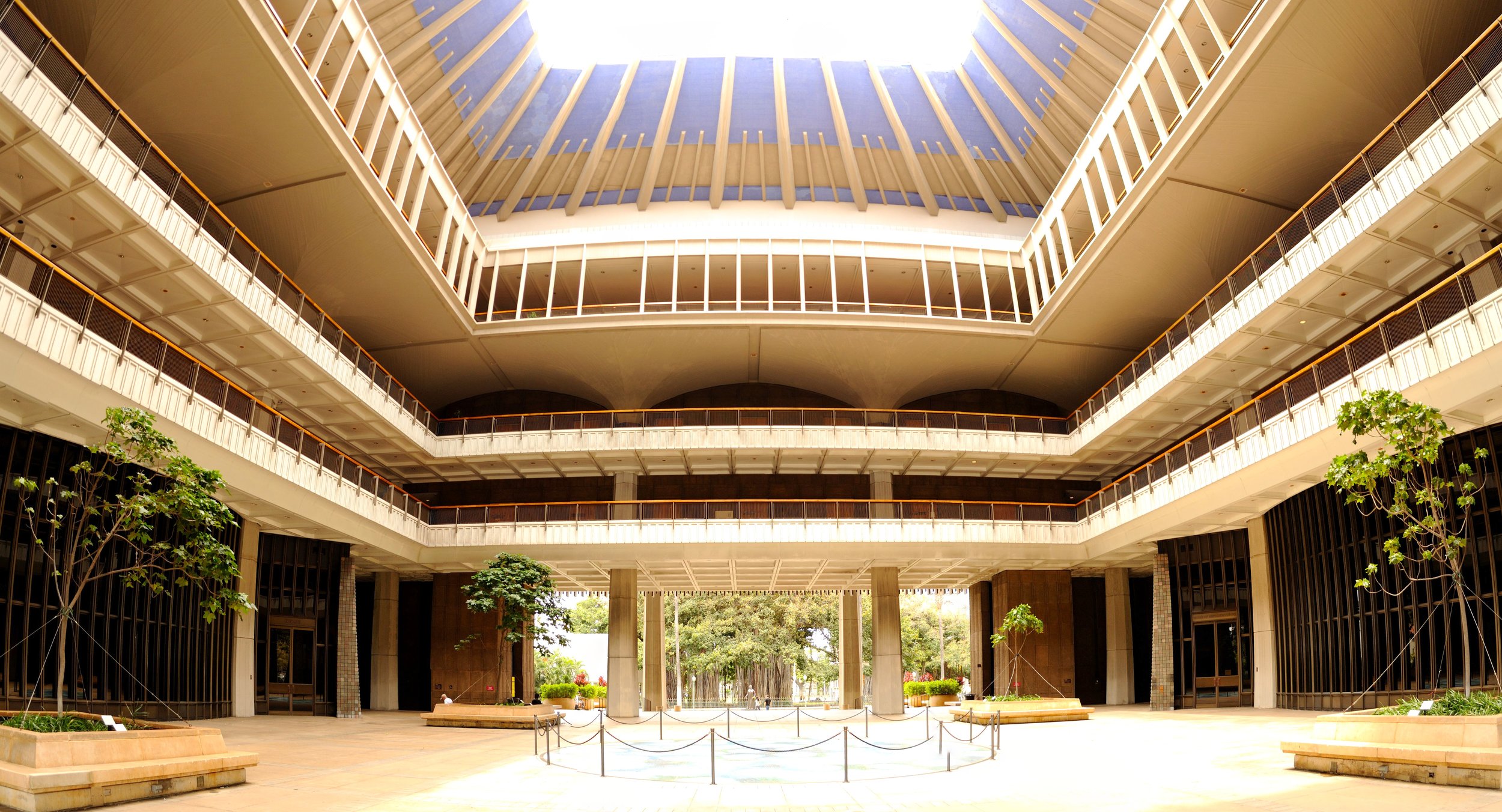
The Sunshine Blog: Look who’s taking big city council pay raises after all
The budget process during conference committee is confusing. These resources can help.
Hawaiʻi lawmakers plan special sessions to address federal funding cuts
State lawmakers are blocking off three dates in the coming months for a special legislative session to address federal funding cuts.

Expand free school meals, because all keiki deserve to eat
SB 1300 would be an enormous step in the right direction, putting Hawaiʻi on a secure pathway toward ensuring all our keiki can achieve and thrive during the school day and throughout their lifetimes.

Trump's actions prompt surge in public forums as worries about cutbacks climb
Hawaiʻi’s elected leaders are using town halls to help people understand what’s happening and what they are doing about it.

Registration tax could increase for Hawaiʻi vehicles over 4,000 pounds
State lawmakers are considering increasing the tax on registering large vehicles to fund the Safe Routes to School Program.
End burdensome school impact fees, put funds to good use
Bringing the overall cost of development down is critical to meet demand, and one way to help is by eliminating costly and ineffective school impact fees.
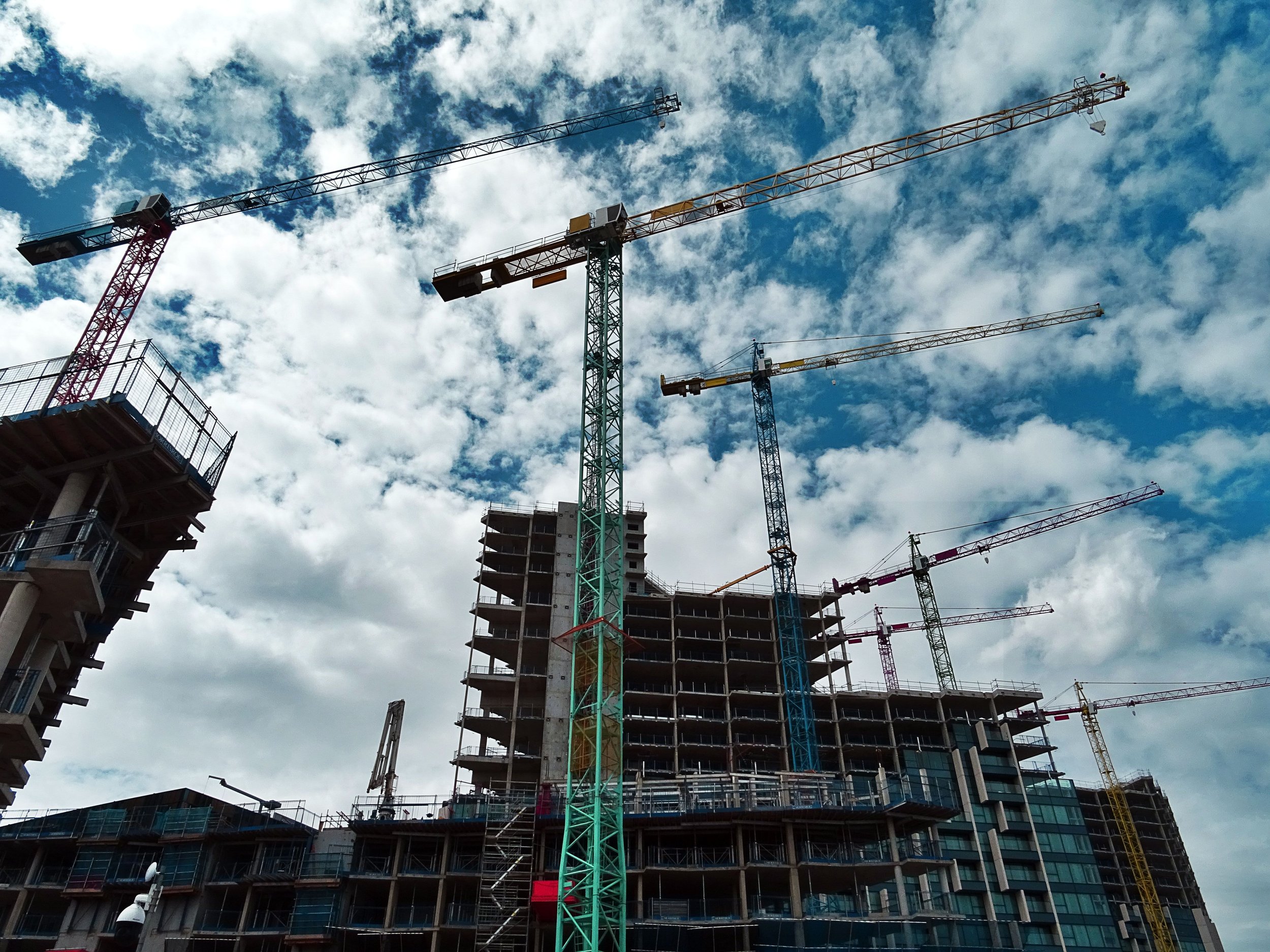
State collects money from home builders for new schools. It’s never spent a dime
Lawmakers and housing advocates say the fee should be eliminated because the state hasn’t used the money. DOE says the rules on spending it are too restrictive.
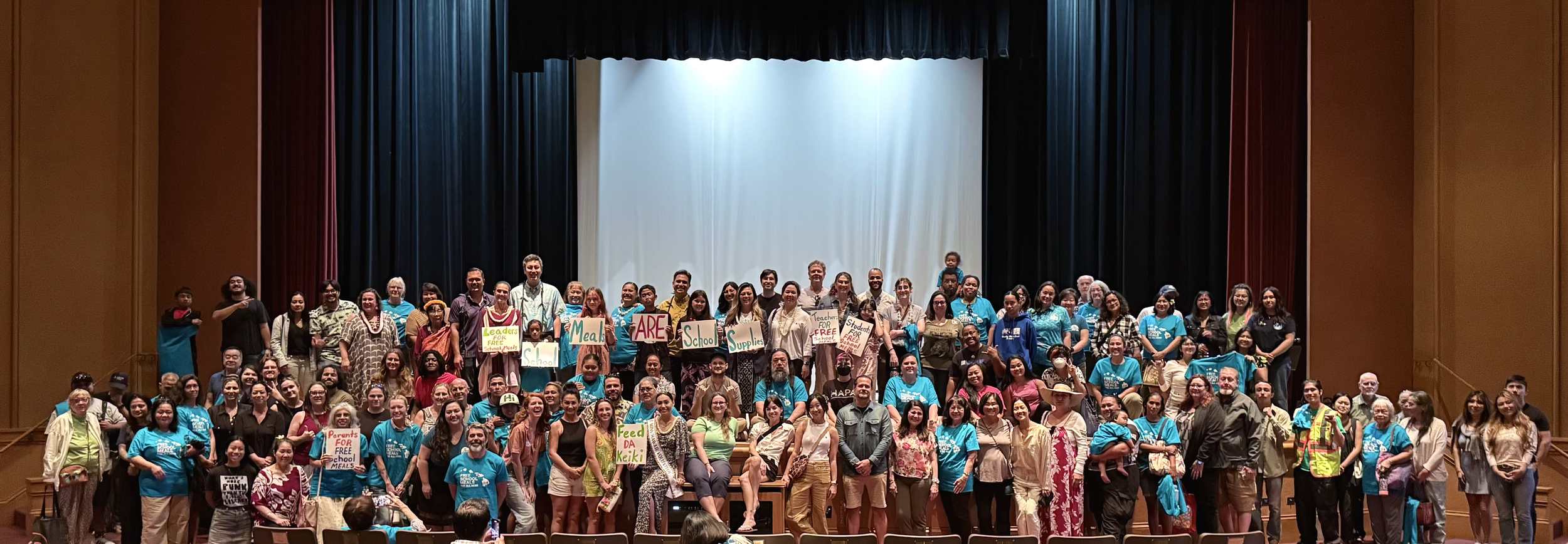
Child advocates, parents discuss bill to expand free and reduced meals for Hawaiʻi keiki
A community forum was held Saturday at McKinley High School to discuss a senate bill that would expand access to free and reduced-price meals for public school keiki.

Federal cuts put our communities at risk
With looming federal freezes on funding, services and jobs, community organizations are faced with the challenge of serving their communities under increasingly dire circumstances.

Hawaiʻi lawmakers are pushing for car-free fun zones—but not on Oʻahu
Some Oʻahu lawmakers worry the program could snarl traffic in their districts.
Hawaiʻi could raise its capital gains tax to 9%
Lawmakers are considering increasing the capital gains tax from about 7–9 percent.