

Three students show ‘Whatchu Eatin’ in art contest
Photo entries displayed a wide range of food experiences among Hawai‘i’s youth, including growing food in gardens, learning to cook for the first time, and exploring cultural heritage through food.
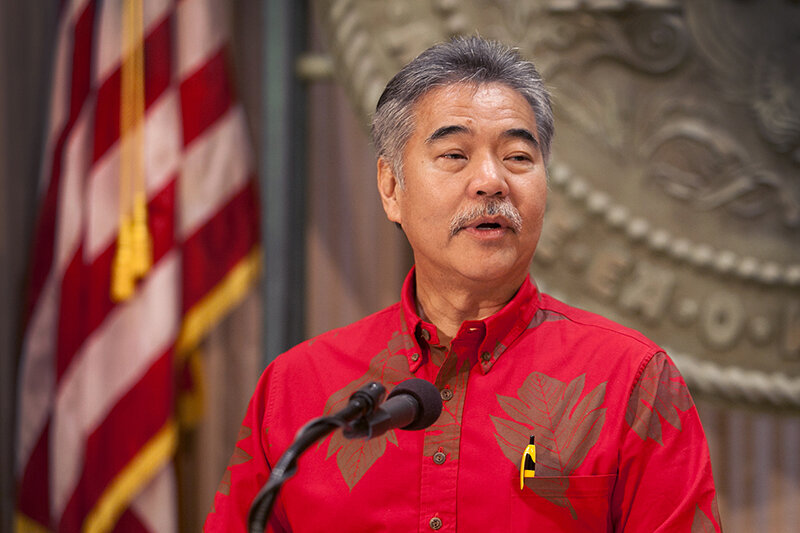
Gov. David Ige and Hawaiʻi Appleseed’s Gavin Thorton join the COVID-19 Care Conversation
Gov. David Ige and Hawaiʻi Appleseed Executive Director Gavin Thorton joined us today for a Q&A video on the COVID-19 Care Conversation.

We have a chance to build a more equitable, resilient Hawaiʻi
Together, we can bring about a more equitable and resilient future that honors the people, land, culture, and values of Hawaiʻi.

COVID-19 budget moves out for passage, but not without controversy
The allocations of the federal aid money drew criticism from social service agencies while the process of adopting the budget measure, using a method called gut-and-replace, riled others.

State must help provide food security
This may be a once-in-a-lifetime chance to pivot toward the kind of food system we want for Hawaiʻi’s future.

Social service workers rally at state Capitol
Lawmakers say they will use $635 million in CARES Act funds to assist the unemployed and local businesses, but advocates say it’s still not enough.

Extra help urged for Hawaiʻi renters who face eviction due to COVID-19 pandemic
The situation for renters is likely to get worse in the coming months, especially after the $600 boost to federal unemployment benefits expires July 31.

Nonprofits urge lawmakers to quickly commit federal funds to cope with social needs
The Working Families Coalition released a plan to distribute $362 million including CARES Act funds to help families with rent, food, healthcare and more.
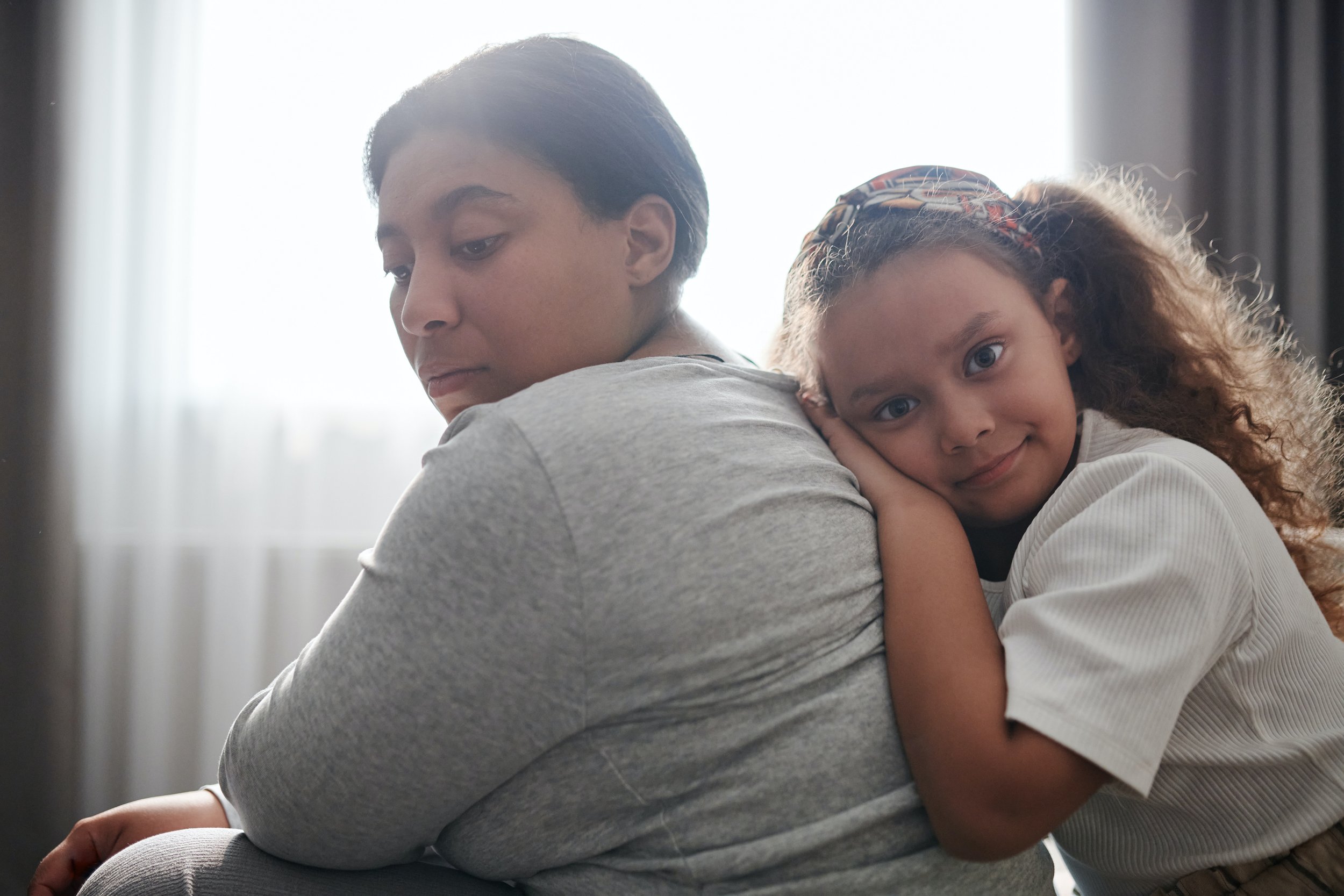
COVID-19’s created an economic burden for women
"It's constant disruption and multitasking, feeling like you're failing at all of them at the same time," says a mother of two who's also working full time.

New sponsors sought as free meals for Hawaiʻi kids drop for summer
Community programs are supplementing the Grab-and-Go program but they too are lagging behind last summer’s participation and may not be enough to meet demand.

DOE closing some food sites, advocates concerned that community help may not be enough
Nicole Woo, senior policy analyst with Hawaiʻi Appleseed, worries that other community groups may not be around this summer to pick up the slack.

Why the state doesn’t consistently track data on native Hawaiians
Lack of data about how many Native Hawaiians have coronavirus is indicative of a broader problem, advocates say.

Whatever politics are in play, politicians must get money to those hurting most in Hawaiʻi
Nearly one-third of adults in Hawaiʻi either missed last month’s rent or mortgage payment, or have “slight or no confidence that their household can pay next month’s rent or mortgage on time.”

Hawaiʻi’s food security shaky heading into hurricane season
Almost all food the state of Hawaiʻi consumes comes through the Port of Honolulu, and there is currently no redundancy in the event of an emergency like a hurricane.

Strengthening Hawaiʻi’s food systems: keeping kupuna fed
Disaster preparedness experts have worried for years about Hawaiʻi’s food security. The COVID-19 disruption has made kūpuna particularly at risk for hunger.

Hawaiʻi’s food insecurity an urgent problem
Lawmakers and others should be taking a hard look at short-term fixes as well as long-term solutions for food insecurity.

Hawaiʻi updates: senior hunger and isolation concerns emerging
Many seniors face food challenges from mobility issues to dietary restrictions. And there’s another factor that’s increased in recent months: social isolation.

Hawaiʻi medicaid applications soar amid widespread job losses
The coronavirus pandemic has highlighted the fragility of Hawaiʻi’s acclaimed health insurance system that relies on employer-sponsored plans.
This federal bailout is bringing a lot more money to Hawaiʻi than the last one in 2008
The Great Recession’s federal stimulus program focused on building projects while CARES is putting more money directly into the pockets of residents and business owners.

As lawmakers grapple with $1B shortfall, advocates urge them to preserve social safety net
Policy experts say the homeless crisis the state is dealing with today can be blamed—at least in part—on the decisions that were made a little more than a decade ago during the Great Recession.