

Sowing seeds of service
“Our work is to bring all these different sectors together and create lasting solutions and changes.”
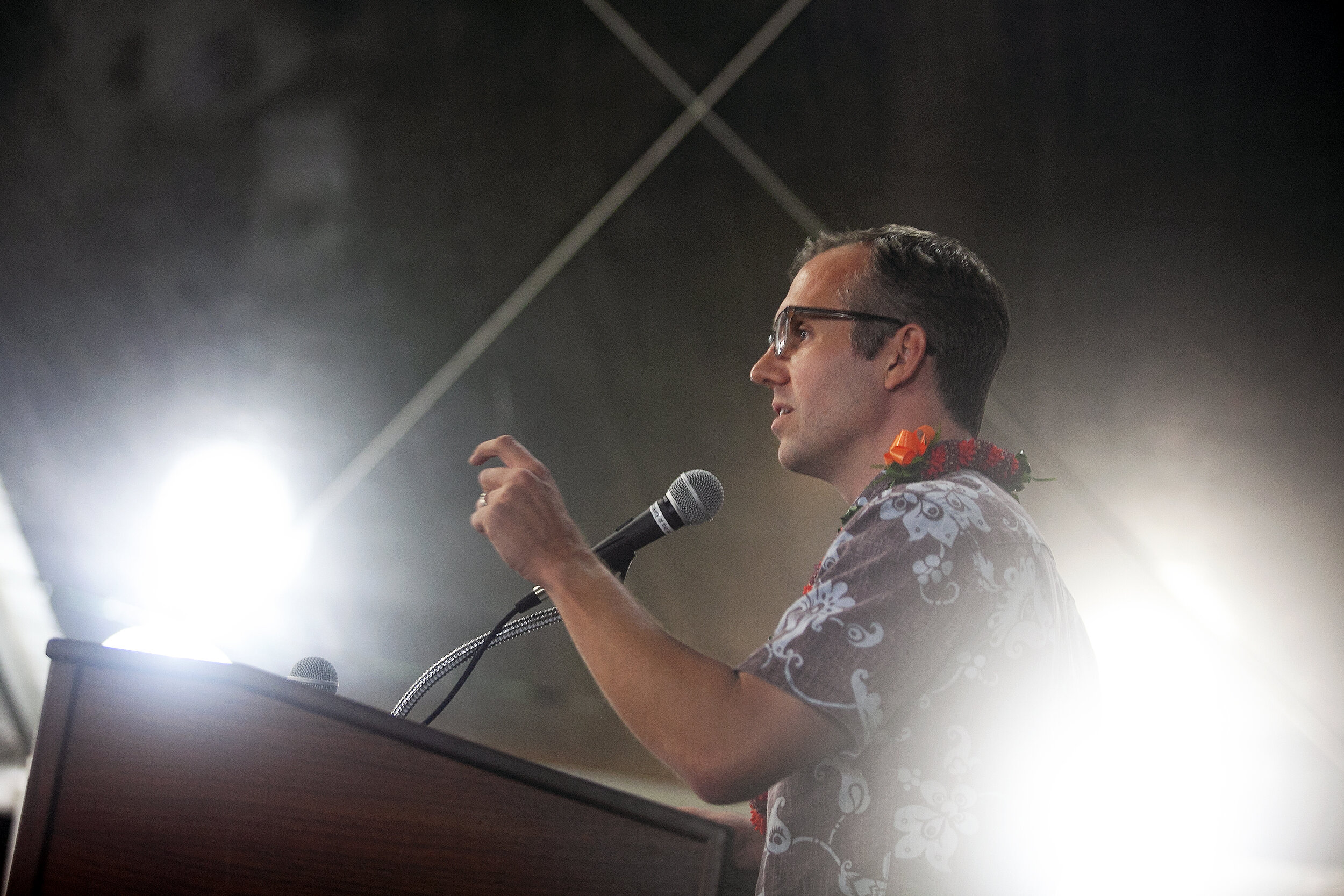
Not politics as usual
To address socioeconomic inequality, Hawaiʻi’s decision-makers need to come up with an effective problem-solving process so stakeholders can come together to achieve concrete solutions.

Hawaiʻi to lose more than $400M per month without extension of unemployment supplement
The federal government’s $600 per week supplement to unemployment benefits officially expired last week. The benefit injected more than $100 million per week into the local economy.

How new, agile networks of people are helping Hawaiʻi
Uplift Hawaiʻi describes itself as an economic recovery platform bringing together organizations, individuals, coalitions and other COVID-19 recovery initiatives.
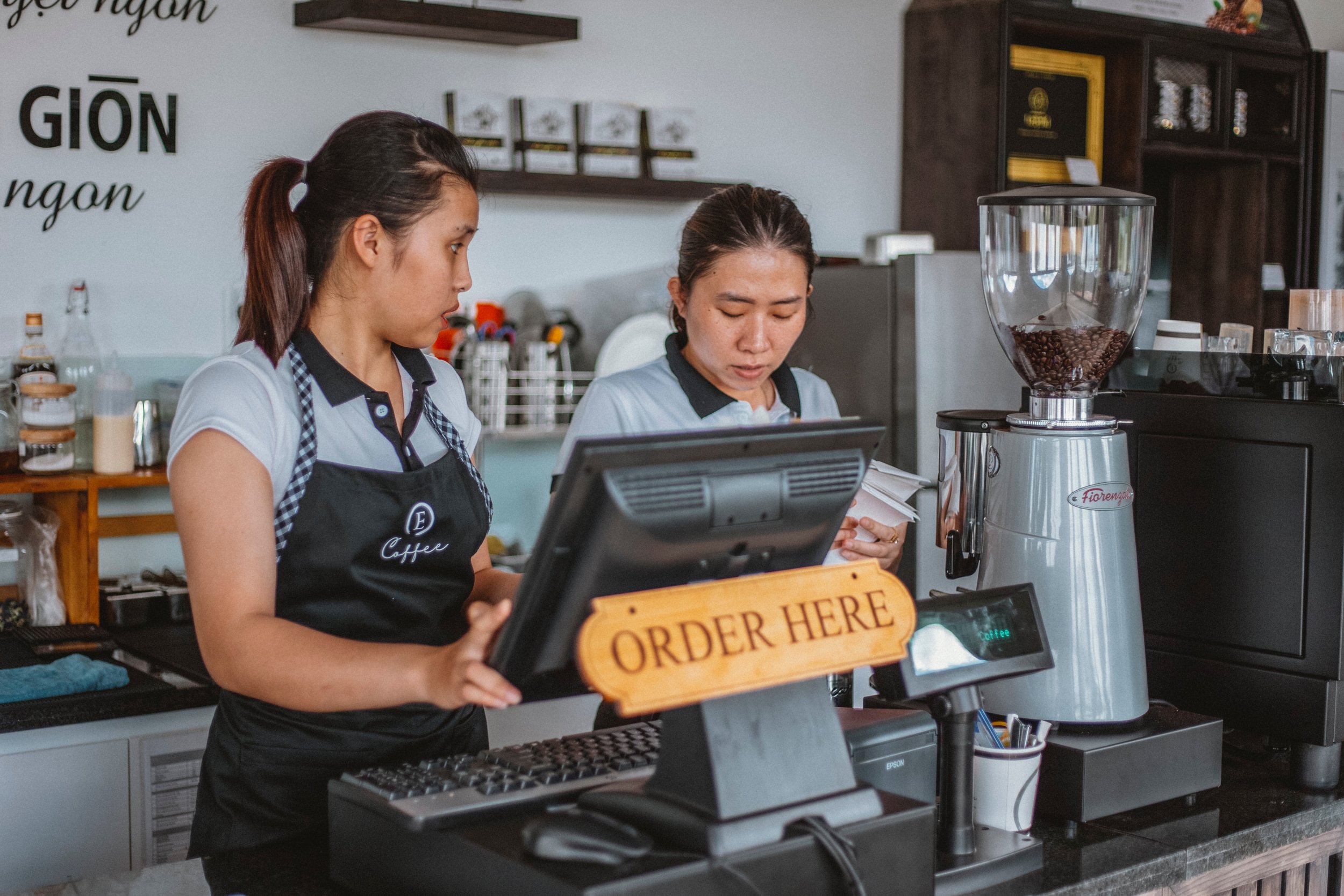
Hawaiʻi has the highest housing wage in the U.S.
Researchers analyzed rent prices in all 50 states to determine how much was needed to rent a two-bedroom apartment at fair market value without spending more than 30 percent of one’s income.
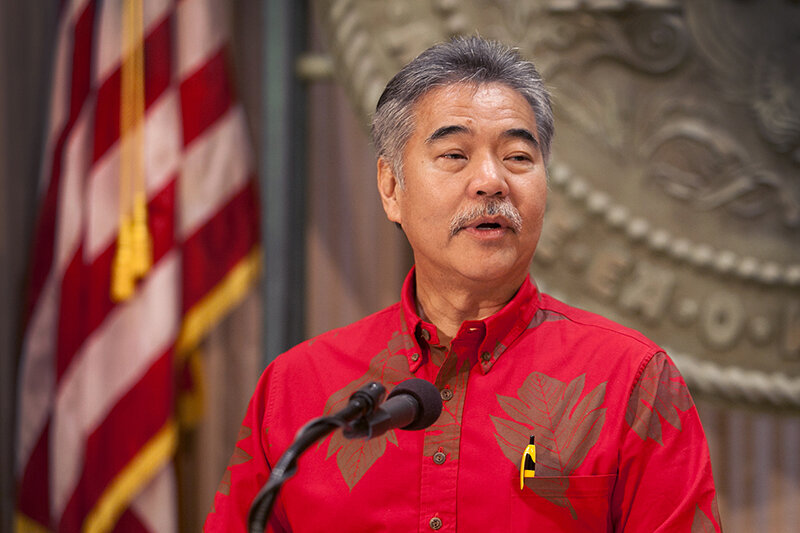
Gov. David Ige and Hawaiʻi Appleseed’s Gavin Thorton join the COVID-19 Care Conversation
Gov. David Ige and Hawaiʻi Appleseed Executive Director Gavin Thorton joined us today for a Q&A video on the COVID-19 Care Conversation.

We have a chance to build a more equitable, resilient Hawaiʻi
Together, we can bring about a more equitable and resilient future that honors the people, land, culture, and values of Hawaiʻi.

Social service workers rally at state Capitol
Lawmakers say they will use $635 million in CARES Act funds to assist the unemployed and local businesses, but advocates say it’s still not enough.

Nonprofits urge lawmakers to quickly commit federal funds to cope with social needs
The Working Families Coalition released a plan to distribute $362 million including CARES Act funds to help families with rent, food, healthcare and more.

COVID-19’s created an economic burden for women
"It's constant disruption and multitasking, feeling like you're failing at all of them at the same time," says a mother of two who's also working full time.

Whatever politics are in play, politicians must get money to those hurting most in Hawaiʻi
Nearly one-third of adults in Hawaiʻi either missed last month’s rent or mortgage payment, or have “slight or no confidence that their household can pay next month’s rent or mortgage on time.”

Hawaiʻi medicaid applications soar amid widespread job losses
The coronavirus pandemic has highlighted the fragility of Hawaiʻi’s acclaimed health insurance system that relies on employer-sponsored plans.

Want the economy to recover? Don’t cut the public sector
Doing so would prolong unemployment and lead to poorer health, lost productivity and a drop in economic security.
Q&A: Beth Giesting on Hawaiʻi’s economy and Gov. Ige’s proposed 20 percent cut to public employee salaries
Giesting describes the potential impacts of Gov. Ige’s proposal and the actions she recommends to better support the state economy.

Hawaiʻi should put unemployed to work
Tourism’s return may take years, not months, because we need to ensure that visitors aren’t bringing new waves of the virus.

Hawaiʻi nonprofits want more say in how state spends federal virus aid
More than 60 nonprofits want the state to expand its safety net to help immigrants and other marginalized groups.

5 questions with retired head of the Hawaiʻi Appleseed Center, Victor Geminiani
Our state and county leaders have critical work ahead to deliver on those values. Let’s hope we put ones in who are ready to chart the future we all want.

Stimulus checks won't cover even a month's expenses in Hawaiʻi
Eligible residents in Hawaiʻi are starting to receive cash stimulus payments from the federal government. But the one-time $1,200 checks won’t go far in Hawaiʻi.

200,000 jobs in Hawaiʻi vulnerable to pandemic recession
With economists predicting short-term unemployment rates as high as 25 percent, the economic impact of the coronavirus pandemic will dwarf the Great Recession.

Aim higher for Hawaiʻi’s minimum wage
Job losses have not been linked to past raises. The EITC has not sufficiently offset poverty levels. Nearly half the population barely gets by.