

Hawaiʻi wealth flight fears are overblown
The evidence points only one way: Top earners stay where their lives are rooted. And Hawaiʻi has plenty to keep them here.

Thousands of keiki now eligible for free school meals
Act 139 expanded the threshold to those making up to 300% of the federal poverty level, meaning an average family of four making up to roughly $113,000 annually could now be eligible for free school meals.
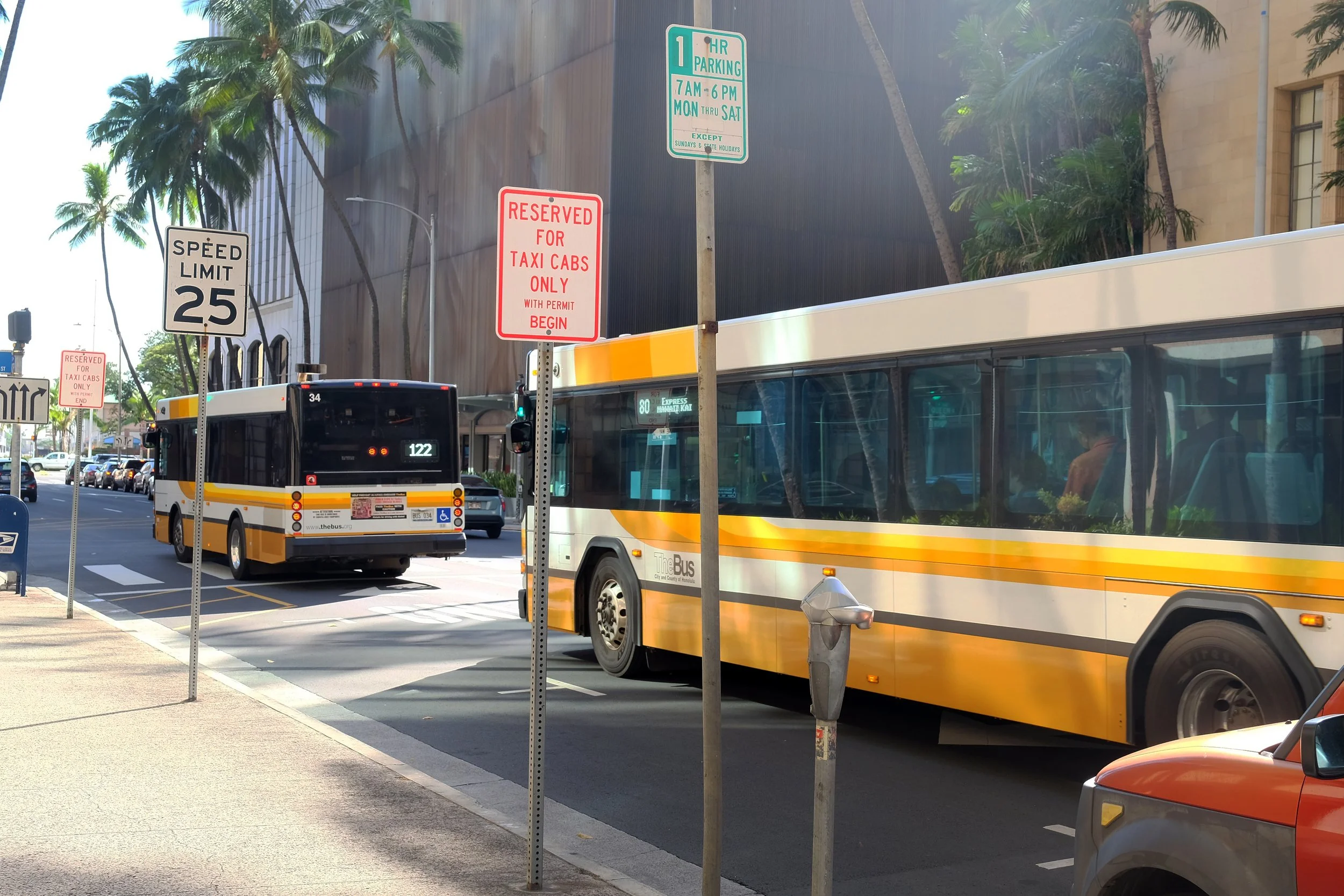
Transportation barriers block the route to opportunities for many on Oʻahu, study finds
On the same day a study was released calling for more accessible public transportation, fares for TheBus were hiked.

Legislature shows support for local agriculture, food security
Food security advocates are also celebrating policies that will make it easier for kūpuna and inmates nearing the end of their sentences to participate in SNAP, or the Supplemental Nutrition Assistance Program.

Why housing affordability progress stalls out in Hawaiʻi
What is missing is not knowledge, evidence, or available policy options. What is missing is honesty about whom these reforms actually threaten and why bills with broad public support keep dying for reasons that rarely get named.

Luxury home tax pitch to fund Hawaiian Homes flopped. Now what?
The state Department of Hawaiian Home Lands came away with some funds but will need to look for other revenue sources.
Hawaiʻi income tax cuts hang in balance as legislative session nears end
House and Senate committees focused on state finances pursued different paths in early March to preserve more or all of the scheduled tax breaks for all but the highest-income households.
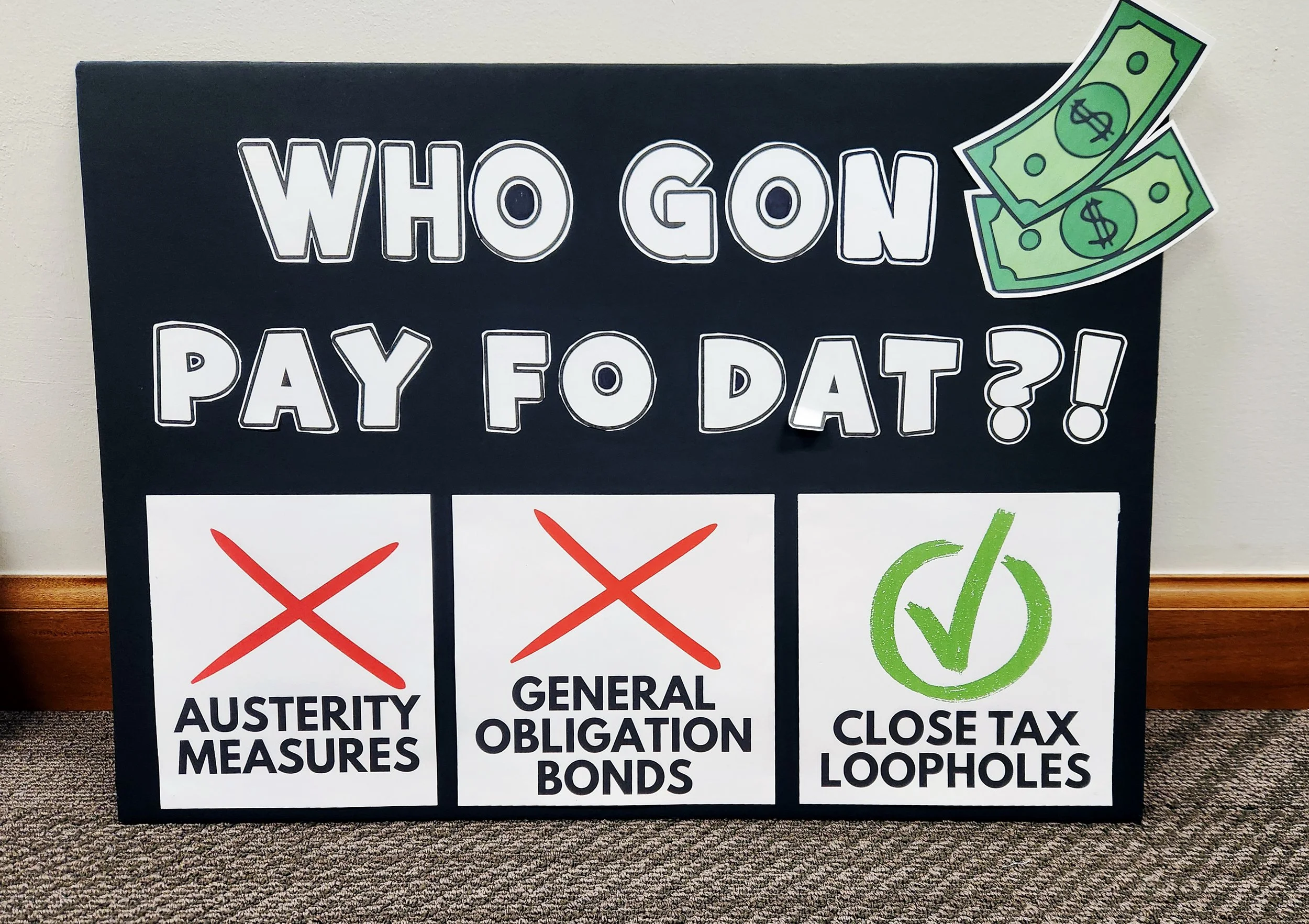
Tax fairness promoted in bills would implement major changes
The Hawaii Tax Fairness Coalition is advocating for bills that would make major changes to the state’s income tax, capital gains tax, real estate sales tax and a tax on income for real estate investment trusts.

Creating a Hawaiʻi we can afford
For decades, we’ve lived with the highest cost of living in the country, in a service oriented economy where wage growth lags far behind rising prices. What can we do about it? We come together and find solutions.
Hawaiʻi lawmakers debate scaling back promised tax cuts
In 2024, lawmakers passed sweeping tax relief under Act 46, promising phased income tax reductions for Hawaiʻi residents over several years. But the state’s financial outlook has changed.
Balancing the state budget could require pauses to income tax cut plan
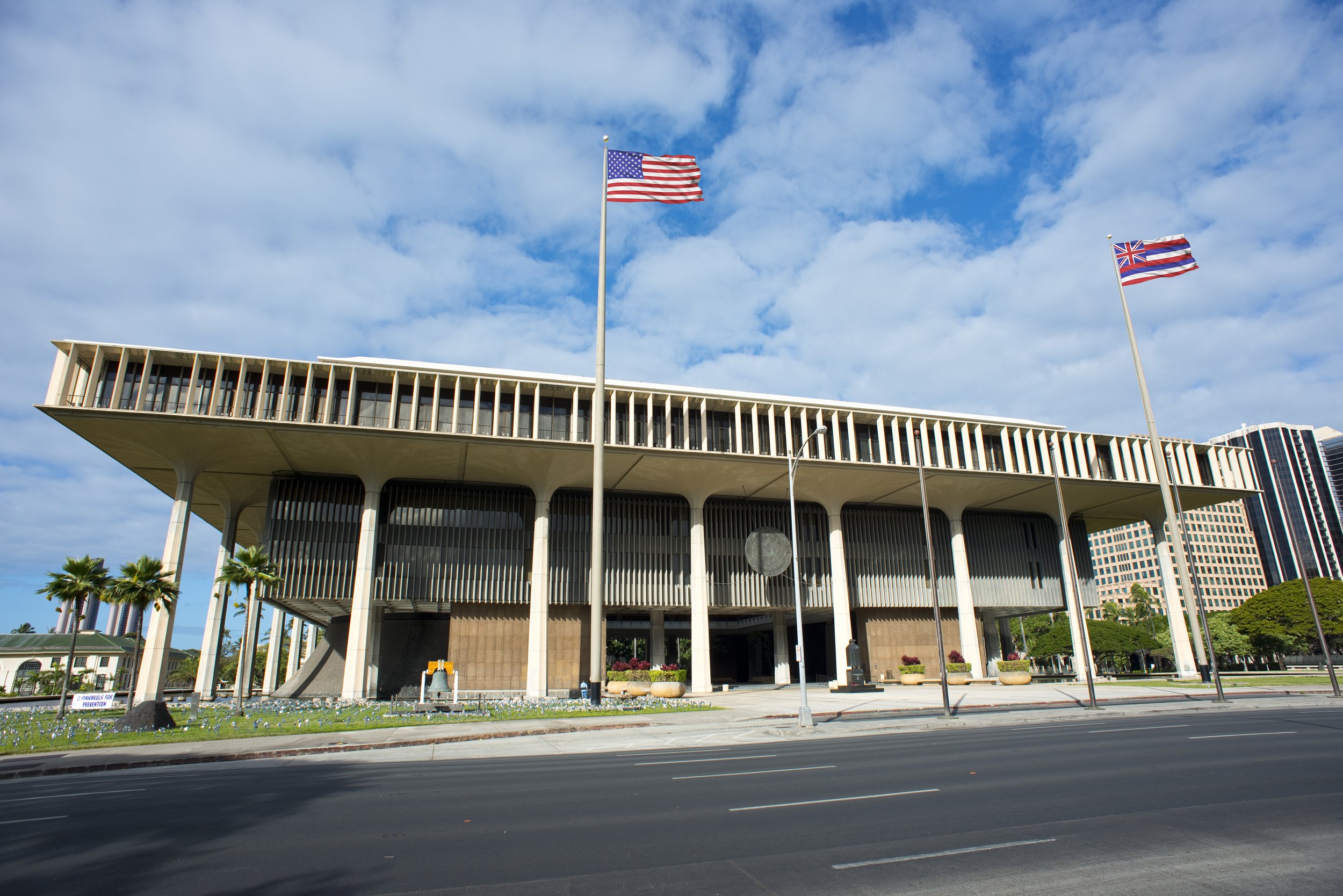
With federal funding cuts on the horizon, state lawmakers are advancing measures proposed by Gov. Josh Green that would pause some of the “historic” state tax cuts passed in 2024.

Hawaiʻi’s hunger crisis is here, and urgent
We find ourselves in the midst of a hunger crisis driven by sky-high living costs, cuts to essential nutrition supports, and food systems that don’t work for all of us.
What pushes locals out of Hawaiʻi? Low wages
The Honolulu Charter Commission has a once-in-a-decade opportunity to address the county’s crisis.

Protecting Hawaiʻi’s future demands pause on tax cuts
In the face of severe and unpredictable federal cuts, the plan to pause future state income tax cuts is a responsible safeguard for the very foundations of our community.
Scrutinize pause of tax cuts for all
Freezing progression of at least some of the state’s planned tax cuts is the clearest, cleanest path to preserving financial balance—at least until the effect of federal spending cuts is fully determined.

Annual passes for TheBus are set to increase by $110
Those in opposition argued that public transit is generally used by those from lower-income households, and that increasing bus fares would add to the struggles of Hawaiʻi’s high cost of living.

Honolulu City Council votes to raise public transit fares
The Council voted 6-3 — with Radiant Cordero, Matt Weyer, and Dos Santos-Tam dissenting — to adopt the new transit fares.

Honolulu bus, rail fares set to go up this summer
Council members voted Wednesday to boost the cost of an adult bus pass by $10 a month, along with other price hikes.

Hawaiʻi coalition calls for tax fairness for local needs
As Hawaiʻi struggles to meet growing needs in housing, education, health care and climate resilience, a broad coalition of community groups, labor unions and nonprofit advocates is pushing lawmakers to confront a long-standing question: how to pay for it.

New online tool shows disparities between communities on basic needs
Annalisa Burgos asks Hawaiʻi Appleseed how its Economic Justice Data Dashboard can help focus government spending.