

Why housing affordability progress stalls out in Hawaiʻi
What is missing is not knowledge, evidence, or available policy options. What is missing is honesty about whom these reforms actually threaten and why bills with broad public support keep dying for reasons that rarely get named.

Luxury home tax pitch to fund Hawaiian Homes flopped. Now what?
The state Department of Hawaiian Home Lands came away with some funds but will need to look for other revenue sources.

With new federal cuts looming, legislature must fulfill 100-year promise to Hawaiians
Senate Bill 3028 would give DHHL a permanent, dedicated revenue stream funded by restructuring the state’s conveyance tax.
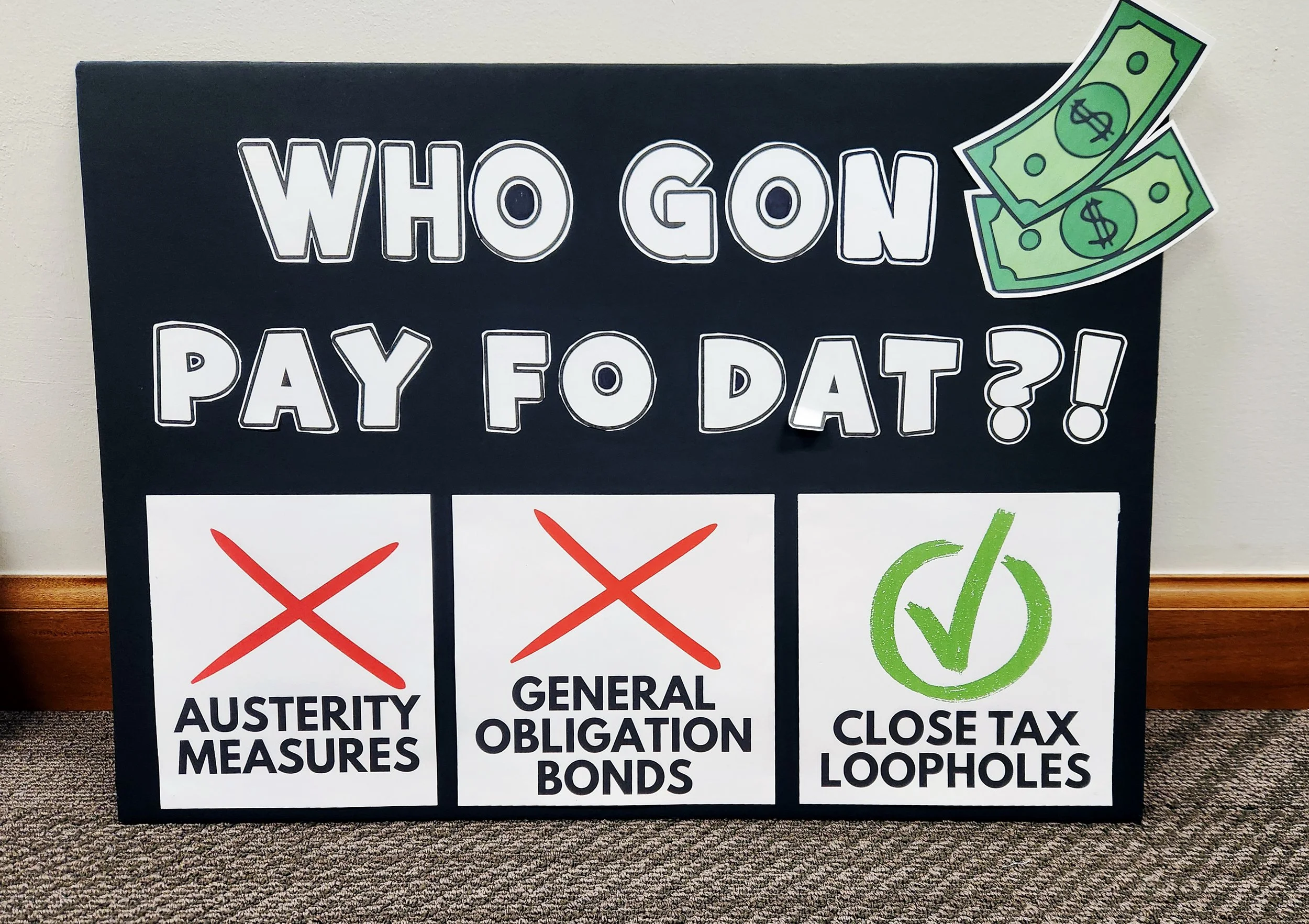
Tax fairness promoted in bills would implement major changes
The Hawaii Tax Fairness Coalition is advocating for bills that would make major changes to the state’s income tax, capital gains tax, real estate sales tax and a tax on income for real estate investment trusts.

Bills to increase tenant protections advance at Legislature
State lawmakers are considering two measures that aim to improve protections for tenants and provide resources to better understand their rights.
What pushes locals out of Hawaiʻi? Low wages
The Honolulu Charter Commission has a once-in-a-decade opportunity to address the county’s crisis.

Protecting Hawaiʻi’s future demands pause on tax cuts
In the face of severe and unpredictable federal cuts, the plan to pause future state income tax cuts is a responsible safeguard for the very foundations of our community.
Scrutinize pause of tax cuts for all
Freezing progression of at least some of the state’s planned tax cuts is the clearest, cleanest path to preserving financial balance—at least until the effect of federal spending cuts is fully determined.

Hawaiʻi coalition calls for tax fairness for local needs
As Hawaiʻi struggles to meet growing needs in housing, education, health care and climate resilience, a broad coalition of community groups, labor unions and nonprofit advocates is pushing lawmakers to confront a long-standing question: how to pay for it.

New online tool shows disparities between communities on basic needs
Annalisa Burgos asks Hawaiʻi Appleseed how its Economic Justice Data Dashboard can help focus government spending.

Hawaiʻi Appleseed launches new interactive Economic Justice Data Dashboard
The Economic Justice Data Dashboard provides a clear, visual snapshot of how communities at the state, county and legislative district levels are performing across interconnected areas of economic security.
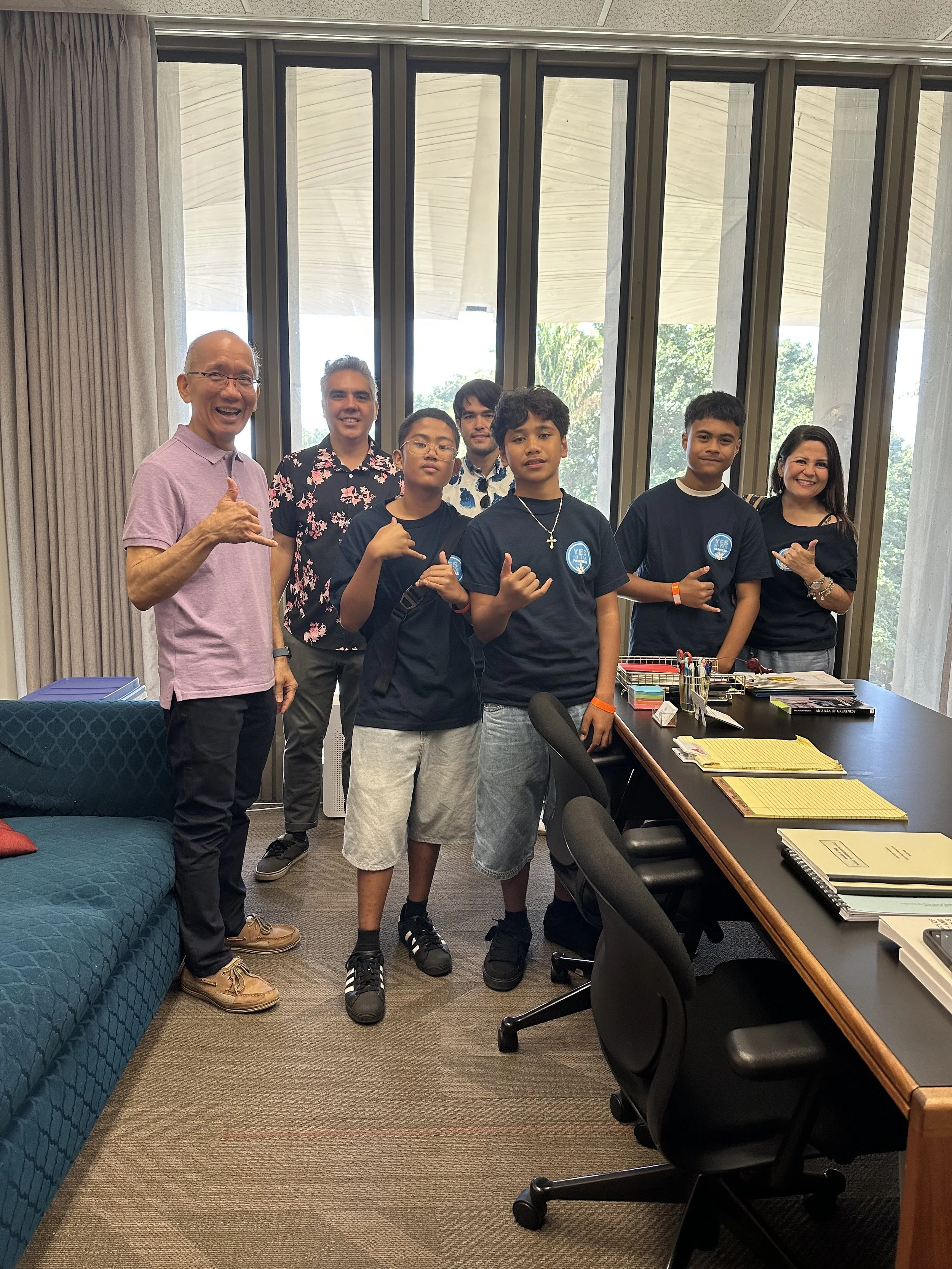
5 Questions: Will White, Appleseed Hawaiʻi executive director
This year marks an inflection point for Hawaiʻi. We can either accept the federal government’s retreat from our public benefits system, or reinvent and reinvest in new systems that work to support Hawaiʻi’s most vulnerable families.
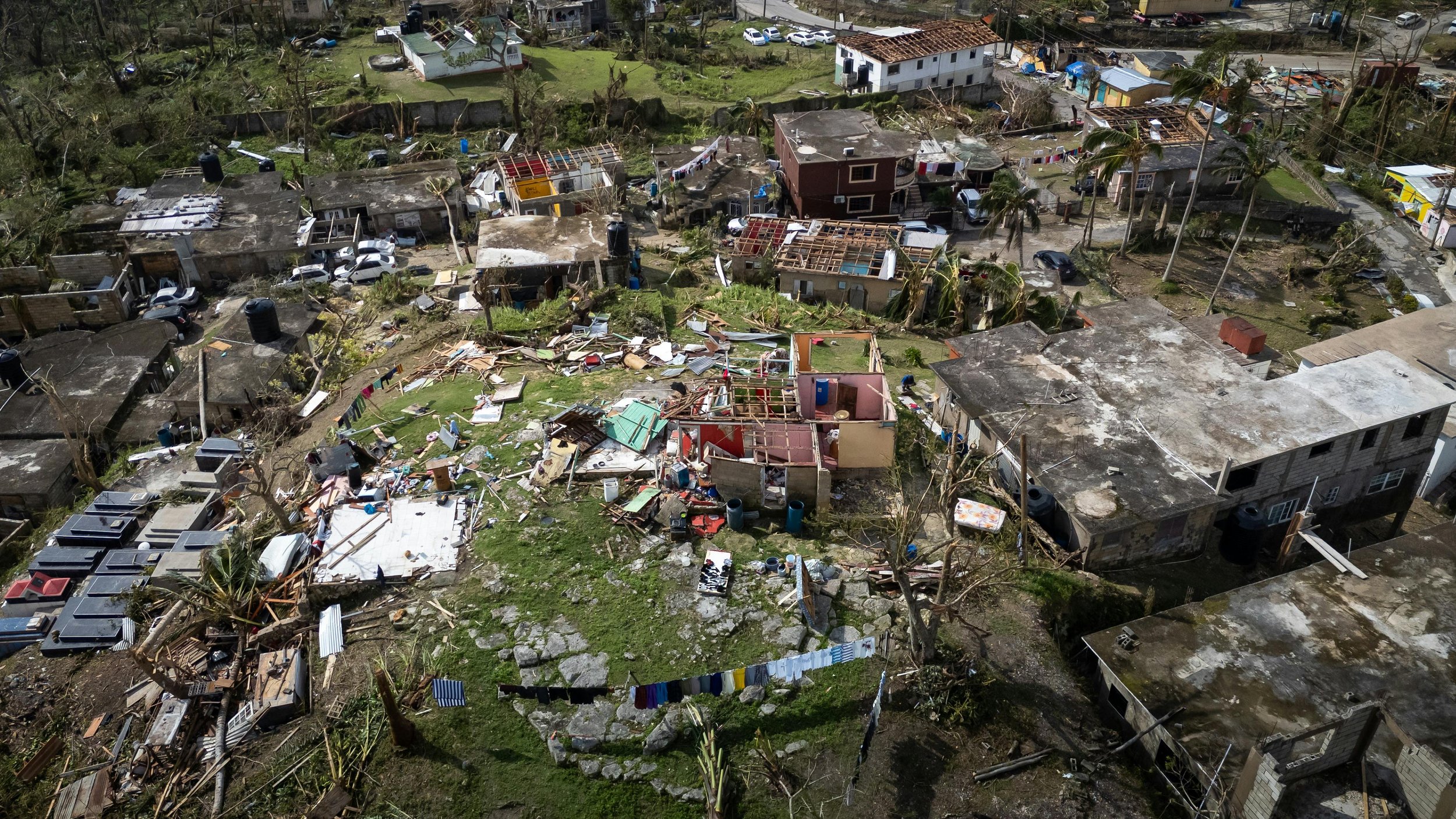
Escalating climate disasters could make homes uninsurable, new report warns
Hawaiʻi is facing a rapidly escalating insurance crisis driven by climate change, aging housing, and a sharp retreat by private insurers, according to a new report released by the Hawaiʻi Appleseed Center for Law & Economic Justice.
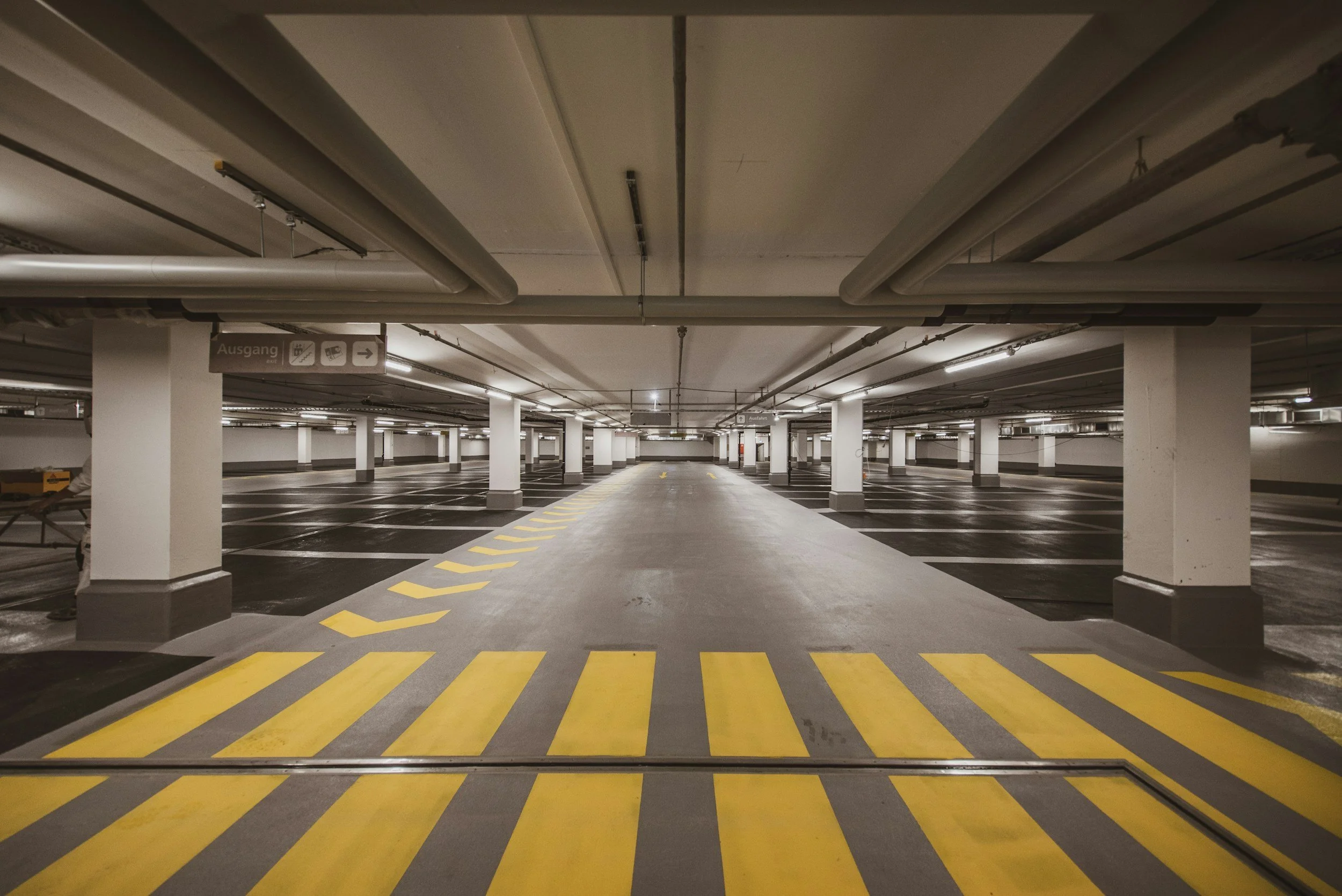
How parking spot mandates affect affordable housing in Honolulu
Parking mandates can have a large impact on affordable housing projects, according to a report by the Hawaiʻi Appleseed Center for Law & Economic Justice.
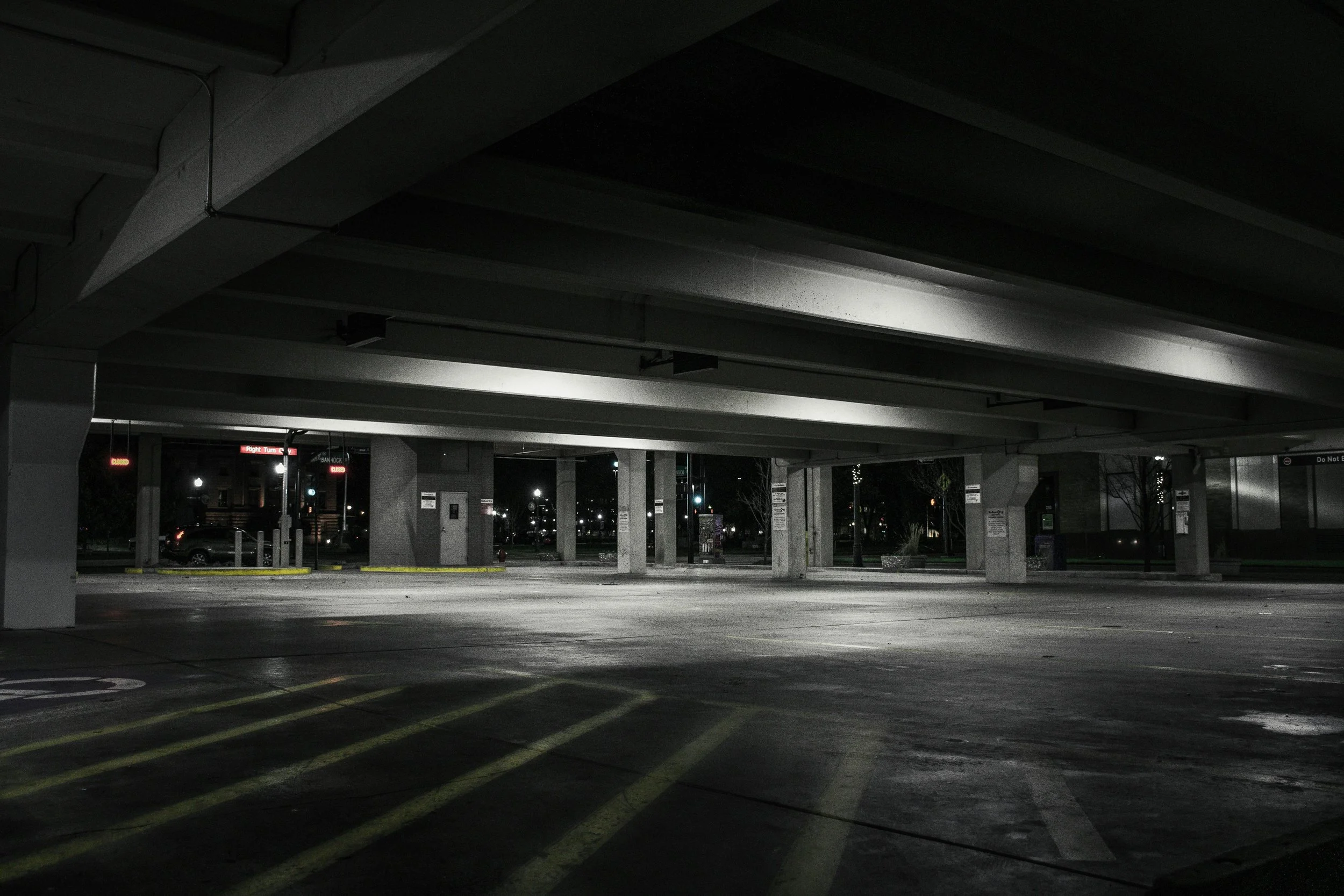
Parking mandates could raise Honolulu housing costs, new study finds
While the city of Honolulu has made changes to reduce parking requirements in Transit Oriented Development areas, Hawaiʻi Appleseed says that policy should be demand-based instead of a one-size-fits-all rule.

Honolulu’s early eviction mediation and rental assistance program’s success
The next step is for more opportunities to uplift the statewide efforts advancing housing stability through early intervention and cross-sector collaboration.

How federal tax cuts will impact Hawaiʻi residents
While everyone will see some reduction in taxes, for lower- and middle-class households, that will likely be outweighed by rising costs.

Bill 53 would increase Oʻahu housing costs
Reinstating parking mandates for developers in Honolulu means choosing cars over people and asphalt over affordability.

Why this Honolulu housing strategy is not a ‘super successful’ program
A new state law requires counties to let homeowners build two additional housing units on eligible properties. Honolulu is struggling to persuade people to build just one.

OHA seeks housing strategy consultant to advance Mana i Mauli Ola goals
These efforts come at a time when small policy wins at the state level are offering renewed hope but require coordinated implementation to benefit Native Hawaiian communities equitably.