

State budget directs $200 million to Maui wildfire recovery
Hawaiʻi Appleseed reported the state maintains a regressive tax structure, where the poorest 20 percent of residents pay 14.1 percent in effective state and local taxes, and the wealthiest 1 percent pay 10.1 percent.

Thousands of keiki now eligible for free school meals
Act 139 expanded the threshold to those making up to 300% of the federal poverty level, meaning an average family of four making up to roughly $113,000 annually could now be eligible for free school meals.

Legislature shows support for local agriculture, food security
Food security advocates are also celebrating policies that will make it easier for kūpuna and inmates nearing the end of their sentences to participate in SNAP, or the Supplemental Nutrition Assistance Program.

Luxury home tax pitch to fund Hawaiian Homes flopped. Now what?
The state Department of Hawaiian Home Lands came away with some funds but will need to look for other revenue sources.

New data tool gives side-by-side comparison of House and Senate budget drafts
This update is the third in a series of data-forward additions Hawaiʻi Appleseed has made to its website in recent months, reflecting the organization’s commitment to transparency, accessibility, and evidence-based advocacy.

Free school meals are popular. Hawaiʻi isn’t sold.
Three years after lawmakers first considered making school meals free for all kids, students and teachers are still pushing for change.

Don’t undermine Hawaiʻi’s Safe Routes To School program
A bill under consideration would give the transportation department broad authority to direct program funds for its existing projects, without going through the legislatively mandated evaluation process of the other proposals.
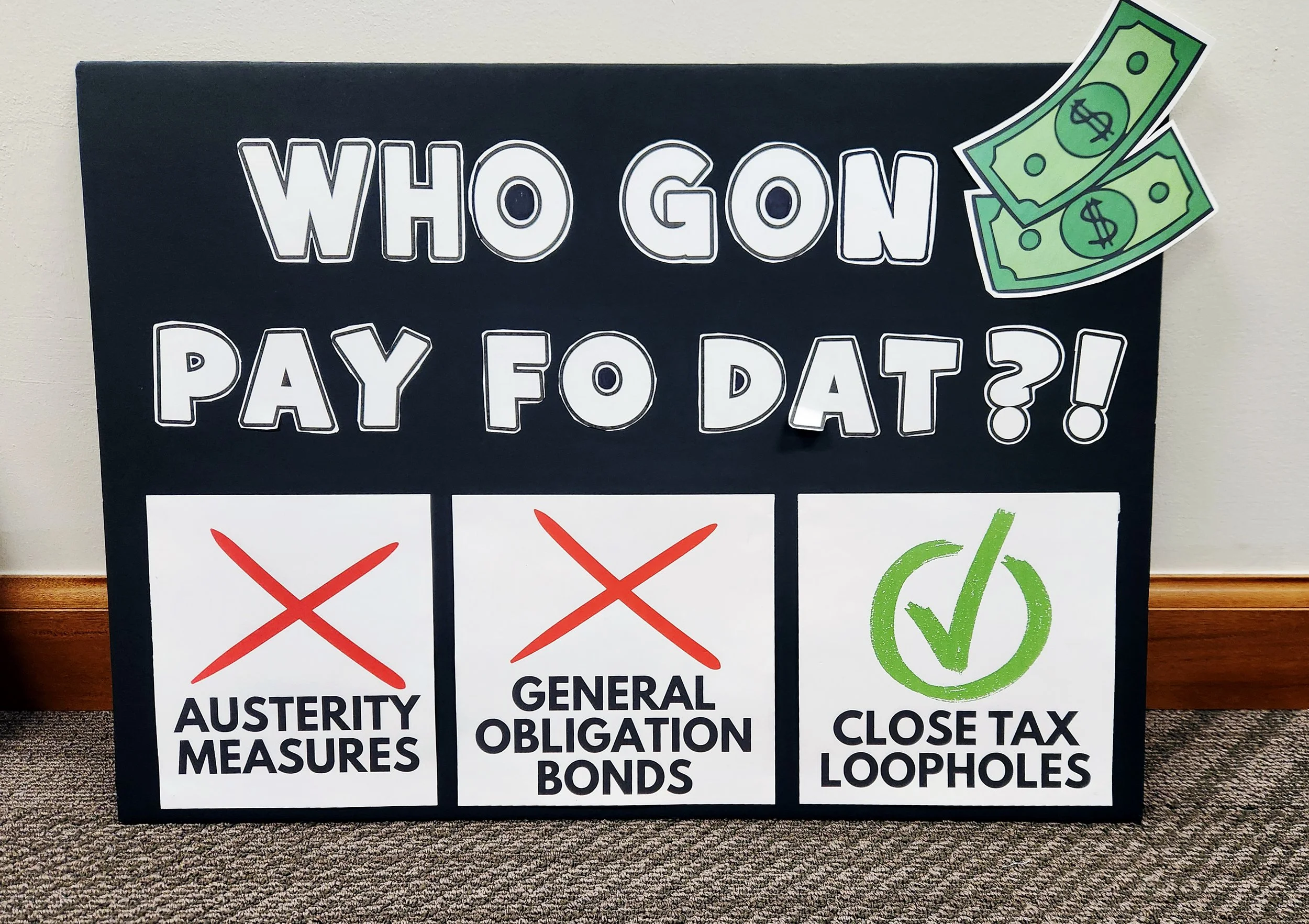
Tax fairness promoted in bills would implement major changes
The Hawaii Tax Fairness Coalition is advocating for bills that would make major changes to the state’s income tax, capital gains tax, real estate sales tax and a tax on income for real estate investment trusts.

Push to feed Hawaiʻi kids more local food is ‘structural disaster’
The DOE has not taken the effort seriously and has no real plan for how to meet a legislative mandate to spend 30 percent of its food budget locally by 2030, according to a state audit.
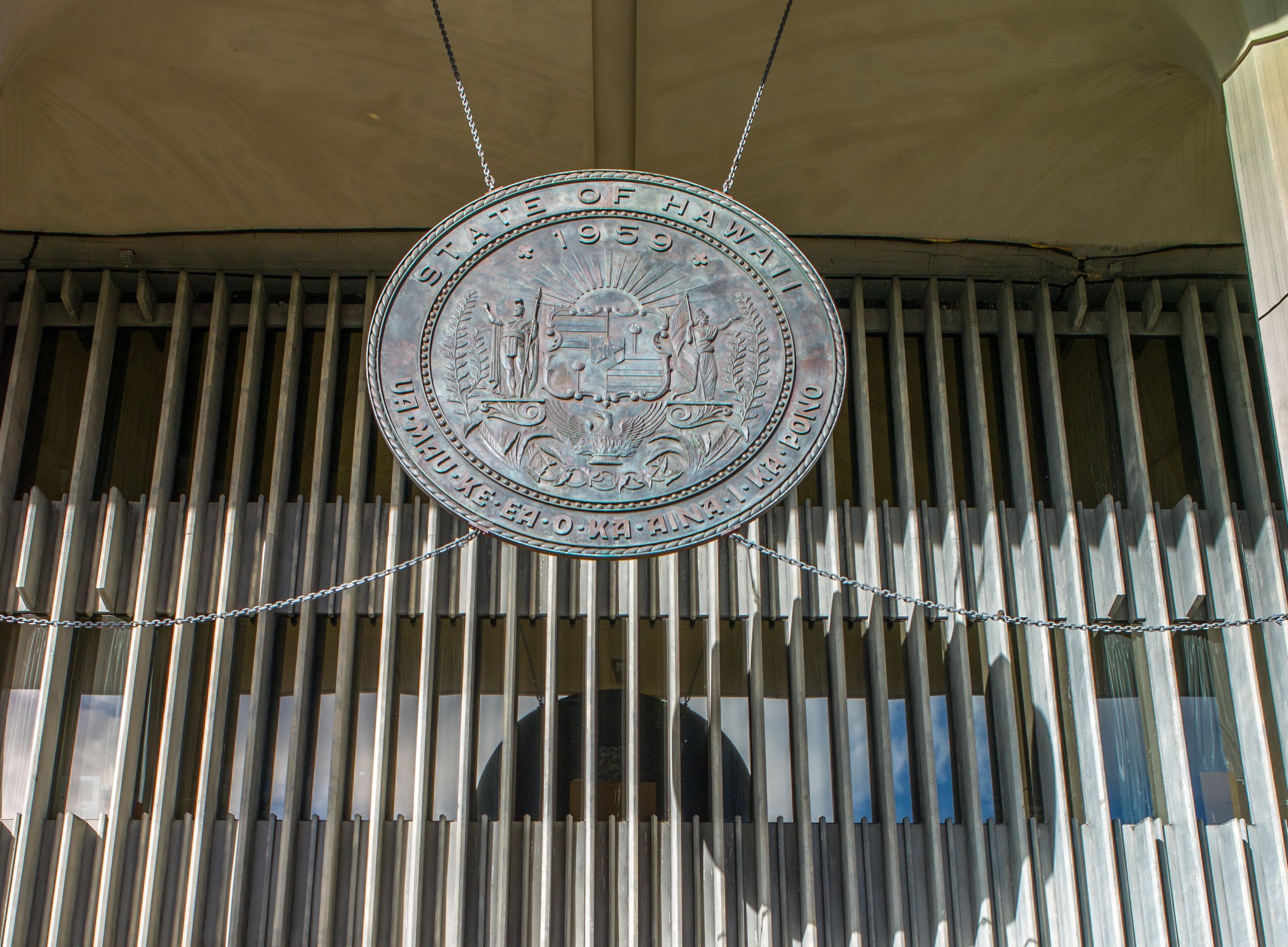
Hawaiʻi lawmakers debate scaling back promised tax cuts
In 2024, lawmakers passed sweeping tax relief under Act 46, promising phased income tax reductions for Hawaiʻi residents over several years. But the state’s financial outlook has changed.
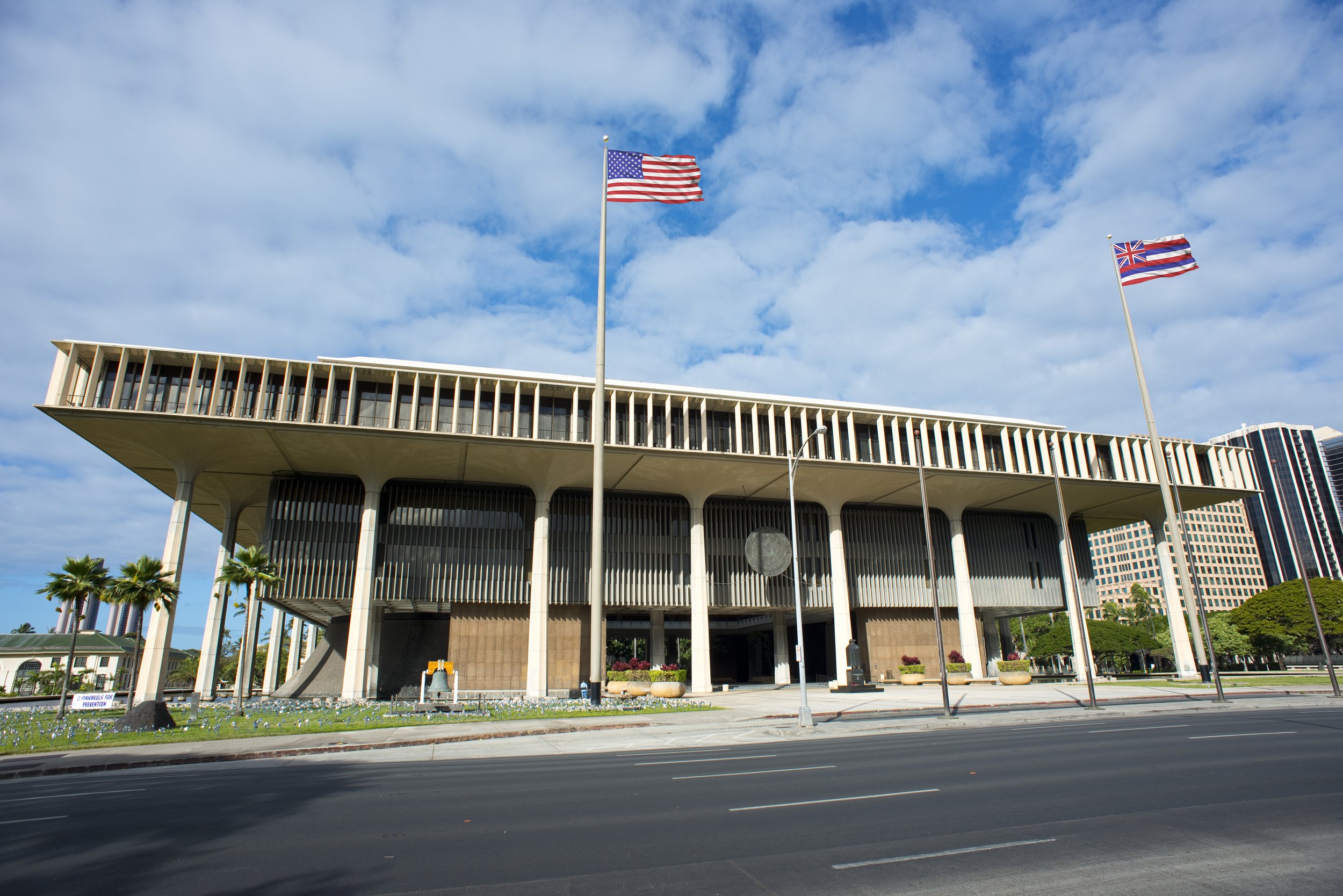
Balancing the state budget could require pauses to income tax cut plan
With federal funding cuts on the horizon, state lawmakers are advancing measures proposed by Gov. Josh Green that would pause some of the “historic” state tax cuts passed in 2024.
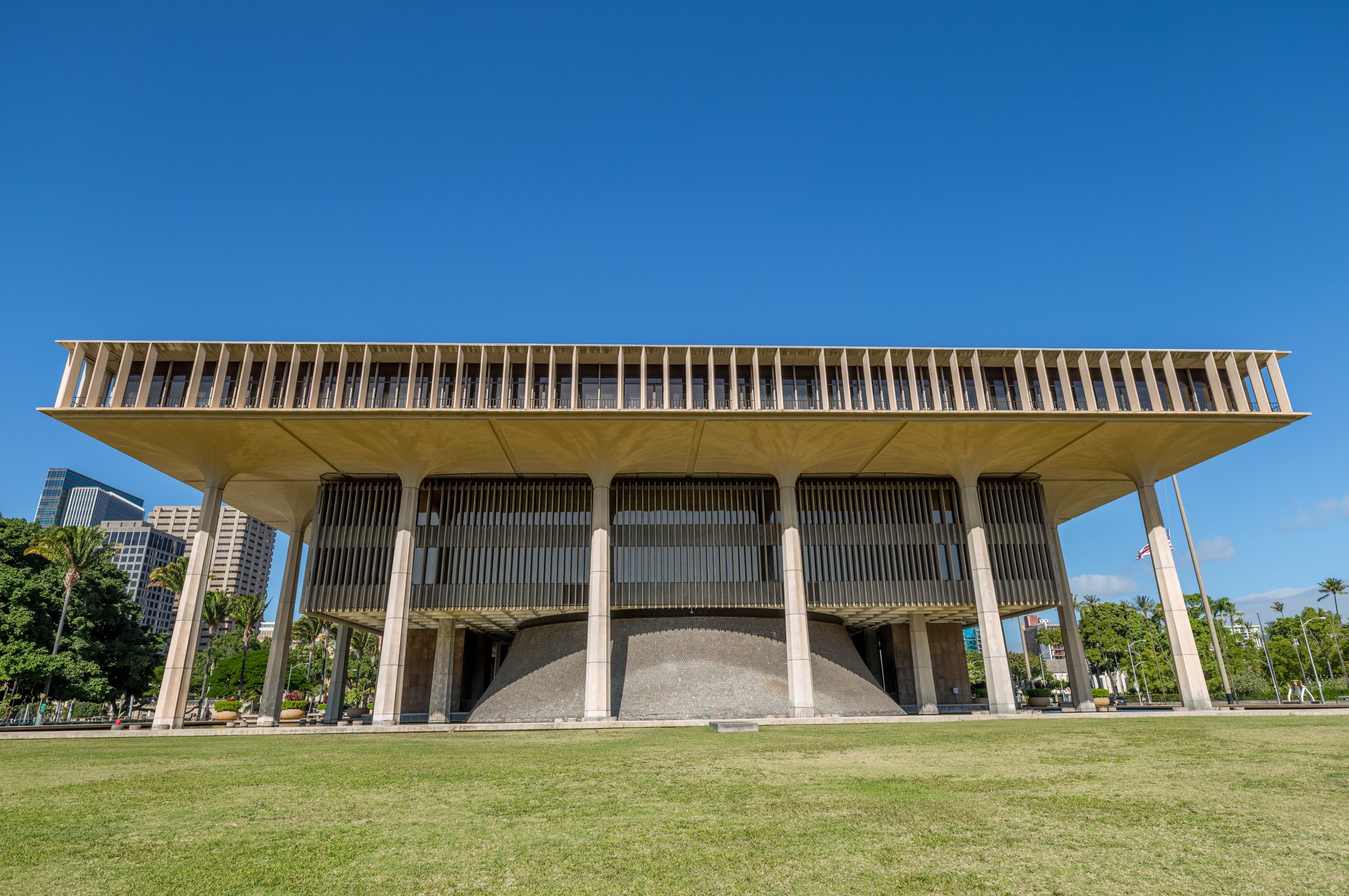
Hawaiʻi lawmakers debate Gov. Green’s freeze on income tax cut
Because lower tax rates through this year will continue at the 2026 level beyond this year, Green’s office said Hawaiʻi families will save $5.4 billion over the next five years after $1.5 billion this year under his proposal.

Protecting Hawaiʻi’s future demands pause on tax cuts
In the face of severe and unpredictable federal cuts, the plan to pause future state income tax cuts is a responsible safeguard for the very foundations of our community.
Scrutinize pause of tax cuts for all
Freezing progression of at least some of the state’s planned tax cuts is the clearest, cleanest path to preserving financial balance—at least until the effect of federal spending cuts is fully determined.

Hawaiʻi coalition calls for tax fairness for local needs
As Hawaiʻi struggles to meet growing needs in housing, education, health care and climate resilience, a broad coalition of community groups, labor unions and nonprofit advocates is pushing lawmakers to confront a long-standing question: how to pay for it.

5 Questions: Will White, Appleseed Hawaiʻi executive director
This year marks an inflection point for Hawaiʻi. We can either accept the federal government’s retreat from our public benefits system, or reinvent and reinvest in new systems that work to support Hawaiʻi’s most vulnerable families.
Escalating climate disasters could make homes uninsurable, new report warns
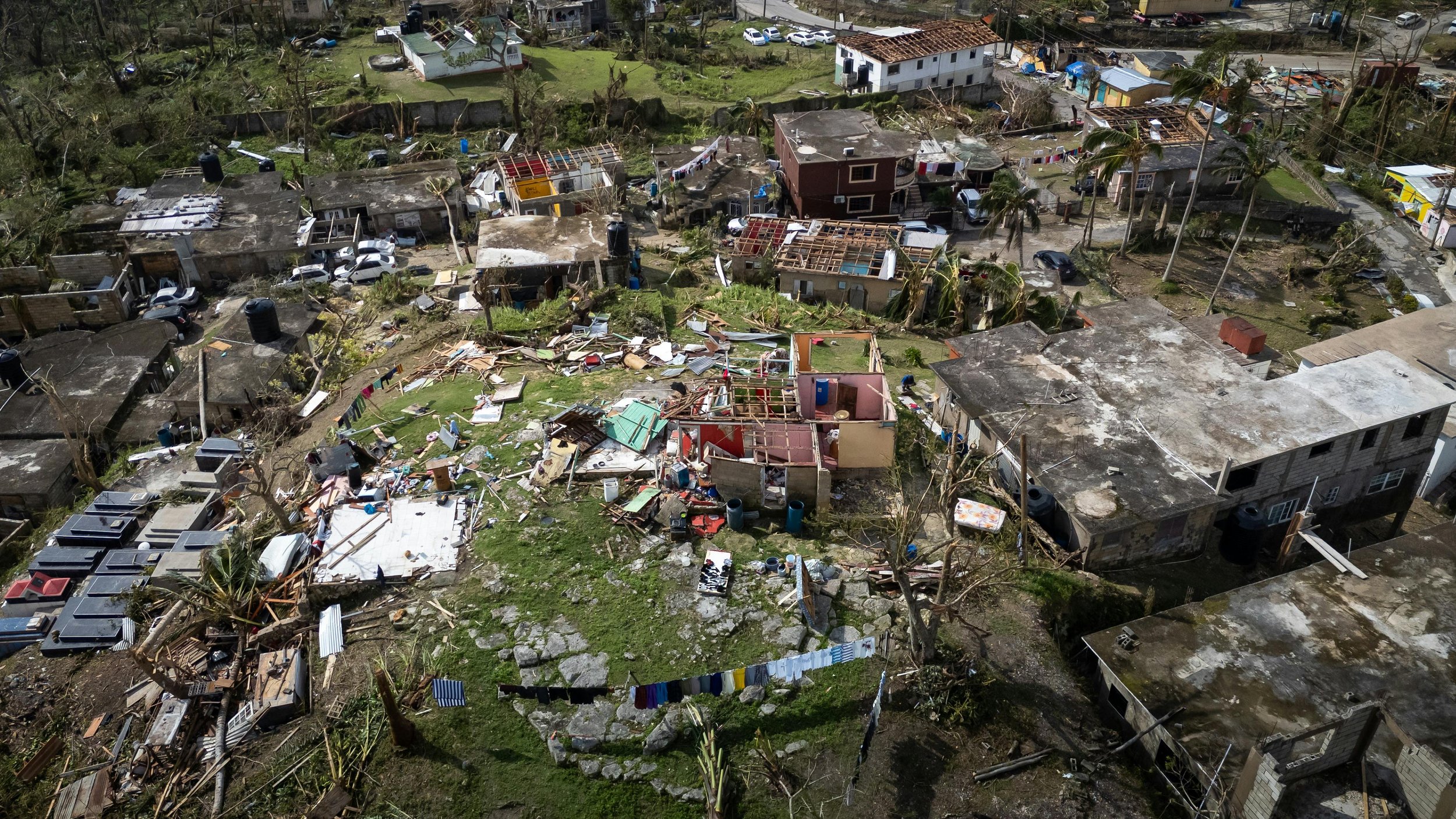
Hawaiʻi is facing a rapidly escalating insurance crisis driven by climate change, aging housing, and a sharp retreat by private insurers, according to a new report released by the Hawaiʻi Appleseed Center for Law & Economic Justice.

With hunger growing on Oʻahu, a push to put food security to a vote
The Charter Commission is holding a first hearing today of a proposal to create a food security fund using property tax revenue.
Green suggests Hawaiʻi might scale back on income tax cuts
The governor also says he will likely tap into the state’s “rainy day” reserve to draw down hundreds of millions of dollars to balance the state budget.

Why does Hawaiʻi have a GET?
The General Excise Tax. We all know it, we all complain about it, especially the way it stacks up in transaction after transaction, raising prices. But there was a time when it didn't exist at all. Here's a look at who created it, when, and, most importantly, why.