

New census data confirms the benefits of investing in safety net programs
The new data highlights the anti-poverty effects of programs like the Child Tax Credit, SNAP and Medicaid. At the same time, it’s a reminder of what working families stand to lose with H.R.1.

The billionaire tax California is debating—and why Hawaiʻi should pay attention
At a moment when Hawaiʻi desperately needs more revenue, California’s proposal to tax billionaire assets offers a model for making the ultra-wealthy pay their fair share.
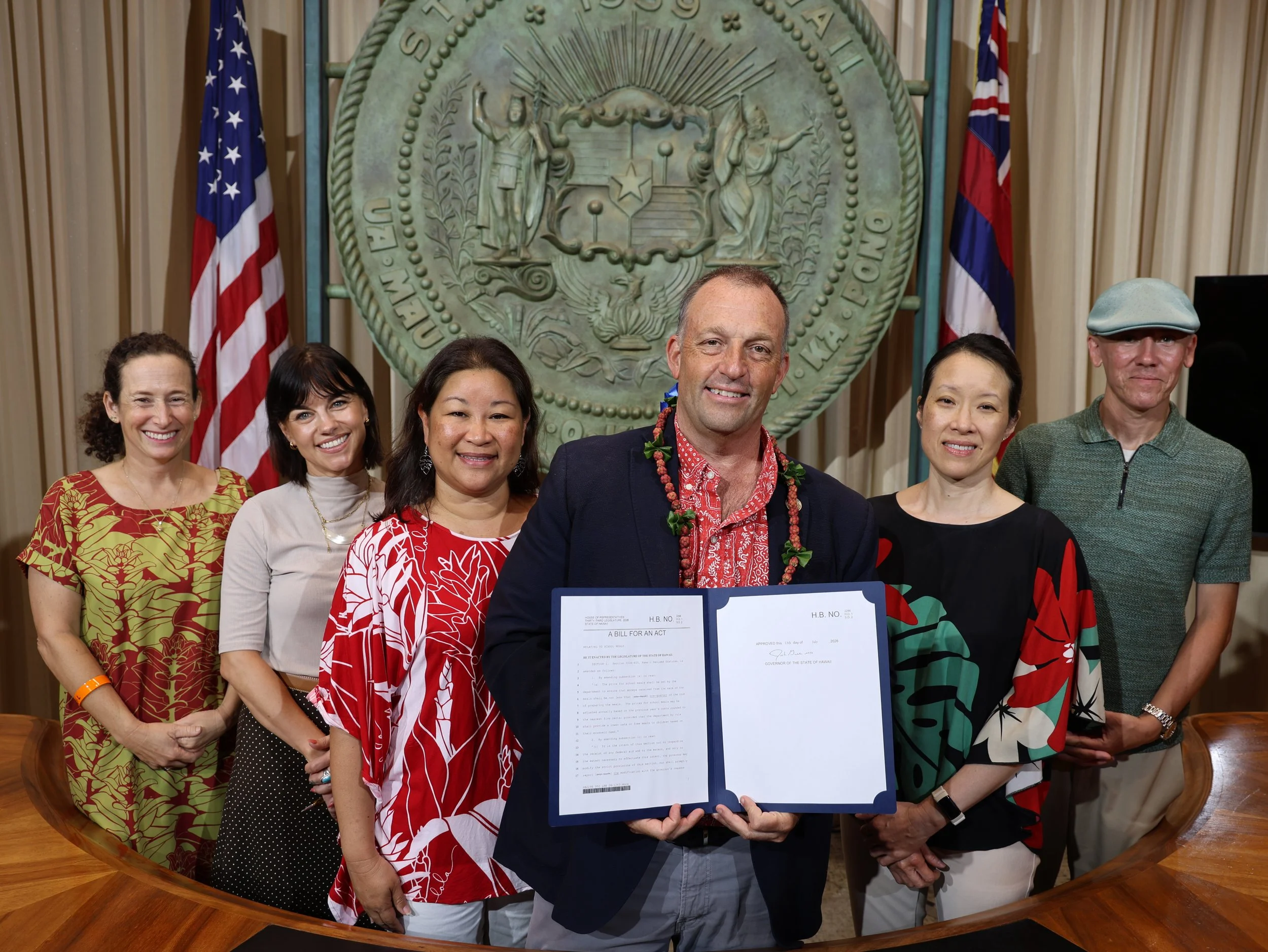
Behind the scenes: How Policy in Perspective tells the story of a legislative session
Built from a year’s worth of writing, analysis, and advocacy, Policy in Perspective creates the opportunity to take a step back and look at the legislative session from a bird’s eye view.
Under pressure: Hawaiʻi’s budget troubles demand action
The state is confronting a growing list of challenges that could throw our budget—and the programs and services within it—into disarray. Now more than ever, we need to preserve funding for Hawaiʻi’s working families.

Millionaire’s taxes are having a moment: Here’s why that’s good for all of us
A fairer tax code isn’t about punishing success. It’s about making sure all of us can thrive—not just a wealthy few.

A fair share for Hawaiʻi's future: Why we need to modernize the conveyance tax
As housing costs soar and the gap between the very wealthy and everyone else widens, we must ask ourselves: who benefits from Hawaiʻi's economy, and who is asked to contribute?

Hawaiʻi’s two-tier tax system: How the rich use a glaring loophole to pay less
While teachers, nurses and service workers pay income tax on every dollar they earn, the wealthy can shield a large portion of their profits thanks to a special tax break on capital gains.
Transformative change meets budget realities—a central lawmaking tension plays out in two new reports
Policy in Perspective 2025 and the Hawaiʻi Budget Primer FY2025–26 provide a compelling—and sometimes sobering—look at how Hawaiʻi invests, and often under-invests, in its communities.

Incoming federal tax cuts will heavily favor Hawaiʻi’s wealthiest residents
The State of Hawaiʻi has an obligation to shore up its revenue through tax policies that make the wealthiest among us pay their fair share.

Hawaiʻi families deserve better: How federal cuts to nutrition programs will impact our state
With grocery prices still soaring and food insecurity on the rise, this is the worst possible time to shrink our nation's most important anti-hunger program.
Proposed Trump tax cuts will overwhelmingly benefit the top 1 percent
As millions of Americans file their taxes this April, both the U.S. House and Senate have passed budget resolutions that open the pathway for a massive tax giveaway for the wealthiest people in the country.

Why is SNAP failing Hawaiʻi residents?
It’s time for the state to invest in a more resilient, independent social safety net system that can keep working families going regardless of chaos at the federal level.

Congress’ budget blueprint leaves Hawaiʻi’s working families behind
In effect, the budget blueprint aims to take food out of the mouths of hungry keiki, so that billionaires can pad their pockets even more on the way to the bank.

Hawaiʻi’s capital gains loophole floats the rich as working families struggle to stay above water
In the interest of tax fairness, the State of Hawaiʻi should tax capital gains—income from selling assets such as stocks, bonds, art and real estate—at the same rates as income made from wages, salaries and other compensation for work.

Leverage Hawaiʻi’s conveyance tax to equitably fund affordable housing, land conservation and infrastructure needs
The legislature has the opportunity this session to raise revenue to pay for much needed affordable housing—as well as land conservation and infrastructure—by increasing conveyance tax rates on investment properties.

Lawmakers still need to equitably raise revenue to meet Hawaiʻi’s needs
On tax policy, state legislators made progress in 2023 with tax relief, but left smart, revenue-raising policy initiatives on the table for next session.

Legislative agenda 2023: tax reforms to boost incomes and fund investments in our future
Top of the list of immediate challenges for Hawaiʻi is to find a way to prevent our people from being overwhelmed by the high and rising cost of living in the islands.

Hawaiʻi inequality is on the rise—wealth taxes can help fix the problem
Hawaiʻi is one of the most unequal states in the nation for wealth distribution, but tax policy changes can help capture more wealth at the top to invest back into communities.

Tax fairness is popular and needed for Hawaiʻi’s future
Most taxpayers agree that a fair and effective tax system is a critical part of building Hawaiʻi’s future.

Our tax system increases inequity
Our tax system plays a big role in the widening gap between those who are wealthy and those who are struggling to get by—a gap that is exponentially greater in Black, brown and indigenous communities.