

Appleseed COVID-19 response will focus on assisting state in managing social safety net programs
During this crisis, Appleseed’s concern lies with the working families and children of Hawaiʻi.

State research confirms economic benefit of minimum wage hikes
The Department of Business, Economic Development and Tourism’s latest report demonstrates that a living wage is not only possible, it is economically desirable.

Making the Earned Income Tax Credit a cornerstone of Hawaiʻi antipoverty policy
Lawmakers should strengthen the signature working families tax credit to better help those who need it most.
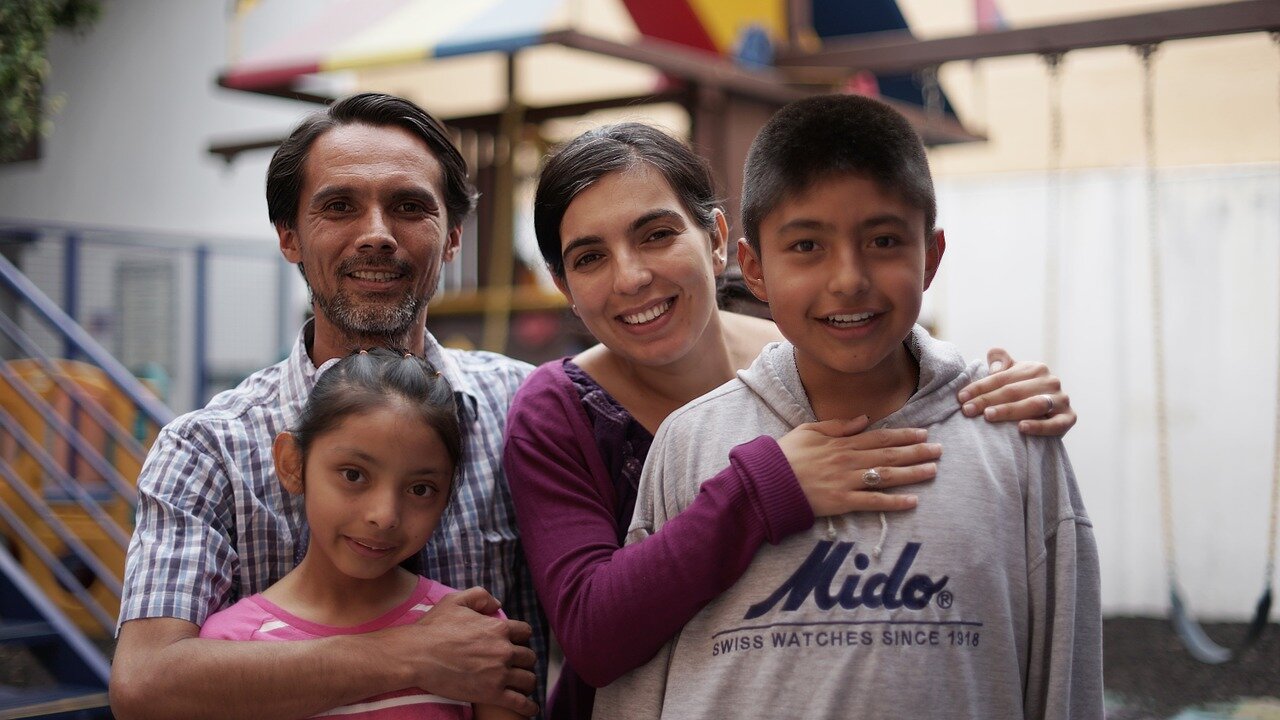
Trump’s Public Charge rule could cost Hawaiʻi tens of millions in revenue
The financial cost of the rule change is in addition to the harm done to the health and resilience of immigrant families through the “chilling” effect on benefits-use that has already been documented in Hawaiʻi.
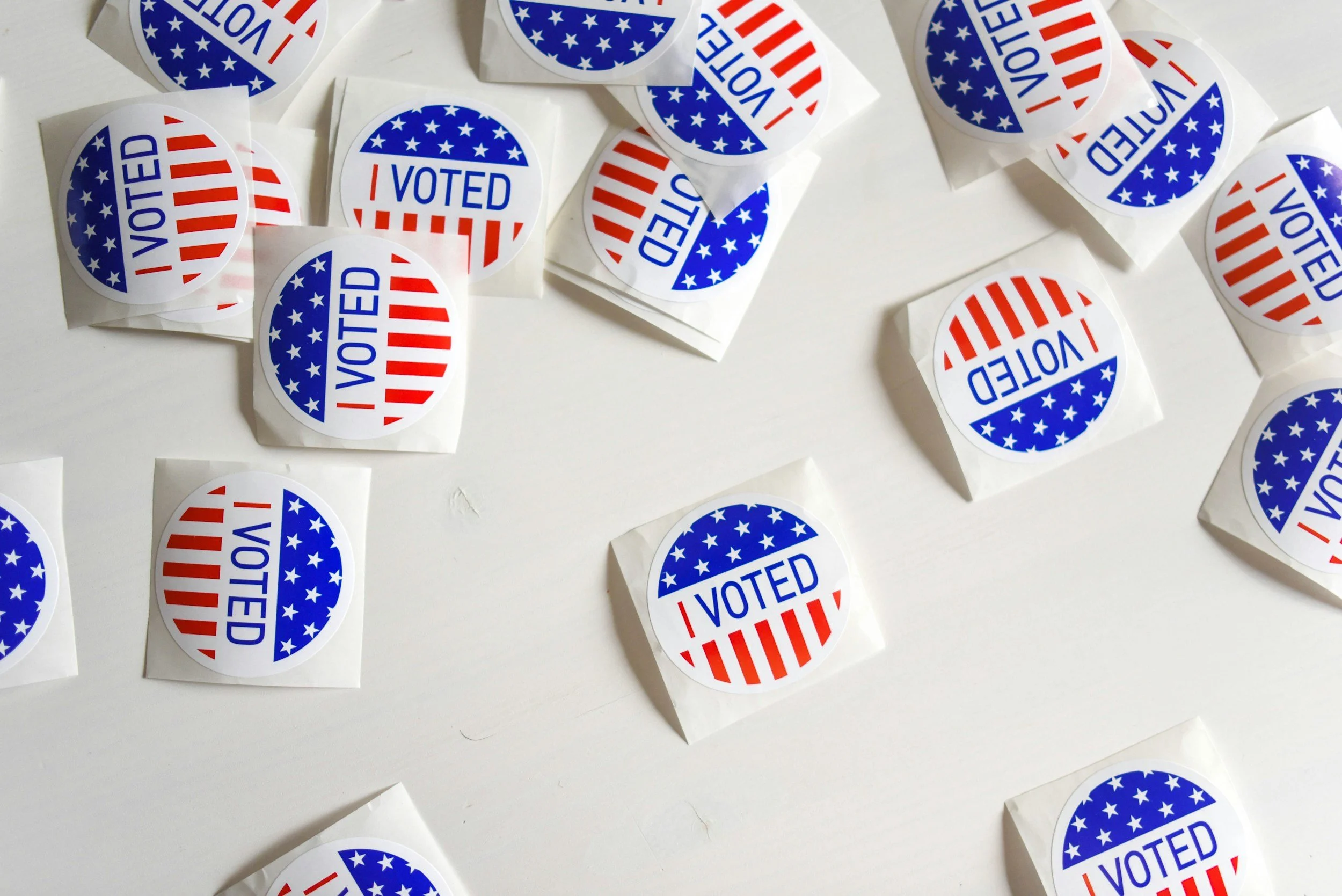
Automatic voter registration boosts participation, especially among minorities
States that have adopted automatic voter registration have seen their voter rolls increase dramatically, as well as become more diverse.

No cause for panic: Hawaiʻi’s economy is OK
A quarter of slow growth is no reason for lawmakers to forgo important economic justice measures like raising the minimum wage.

How well do our elected legislative bodies reflect the general public?
Diversity in legislative bodies helps promote ideas that, by their nature, are more representative of the common good.

To empower indigenous peoples, decolonize data
Too often, indigenous populations have no control over the data that describes them, creating a disconnect between on-the-ground needs and top-down policy proposals.

The true cost of Trump’s tax cuts
The TCJA will enrich top earners without providing significant benefits for anyone else, widening the income and wealth gaps while dramatically increasing the federal deficit and endangering programs for people living in poverty.

50 years in the fight for equal justice
Victor Geminiani, founding director of Hawaiʻi Appleseed and career advocate for low-income and underserved communities, will retire on August 31, 2019.
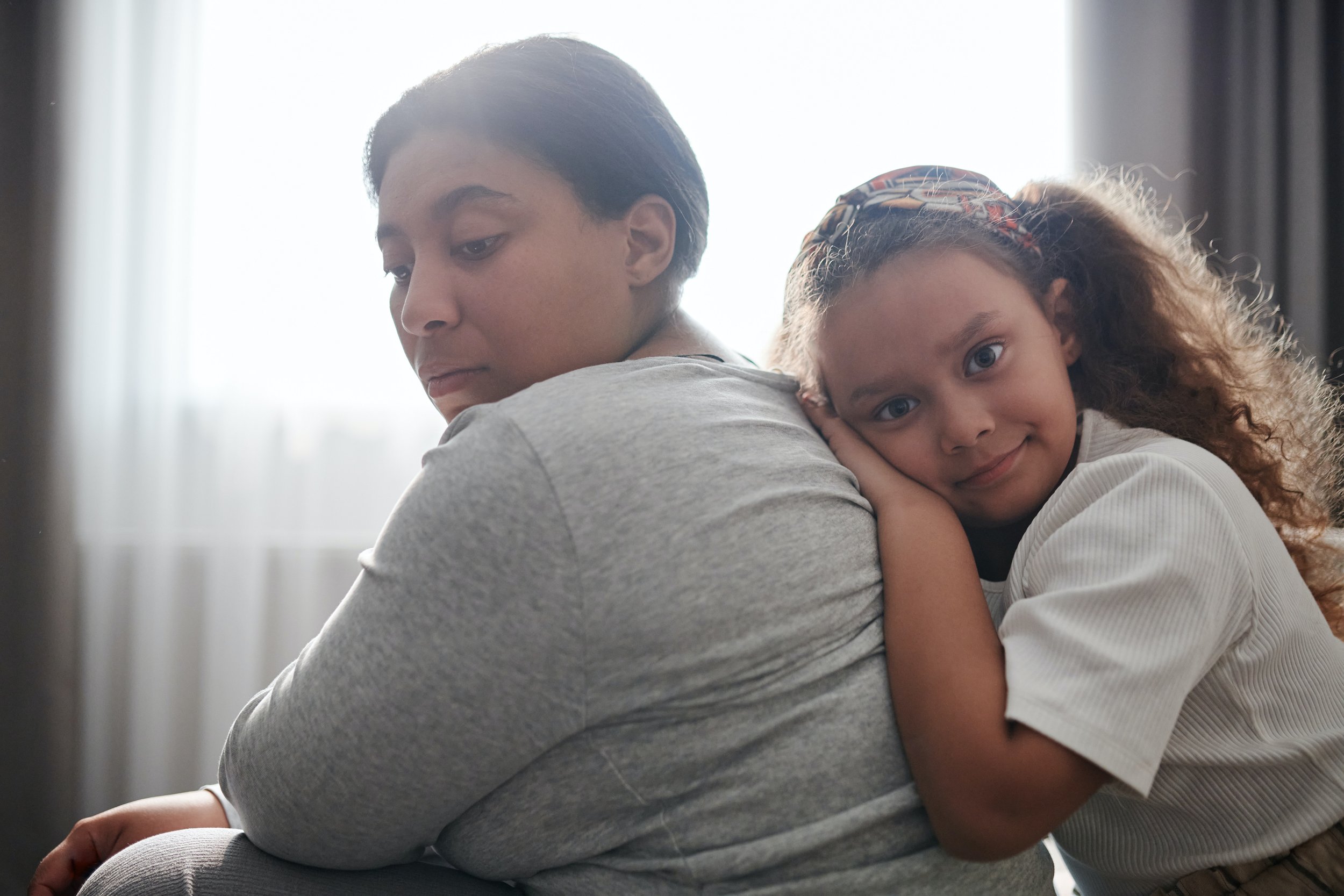
Lessons from the Great Recession: How Hawaiʻi can better protect its communities during economic crises
Managing state spending during economic downturns is hard, but the Great Recession has clear lessons about what services are just too critical to cut.

Make Hawaiʻi’s Earned Income Tax Credit refundable
Making the EITC refundable would make Hawaiʻi a more progressive tax state, and help working families make ends meet.

Redefining poverty would throw millions off critical social support programs
A Trump Administration rule change would force millions of Americans off critical programs that help women, children and families meet their basic needs.
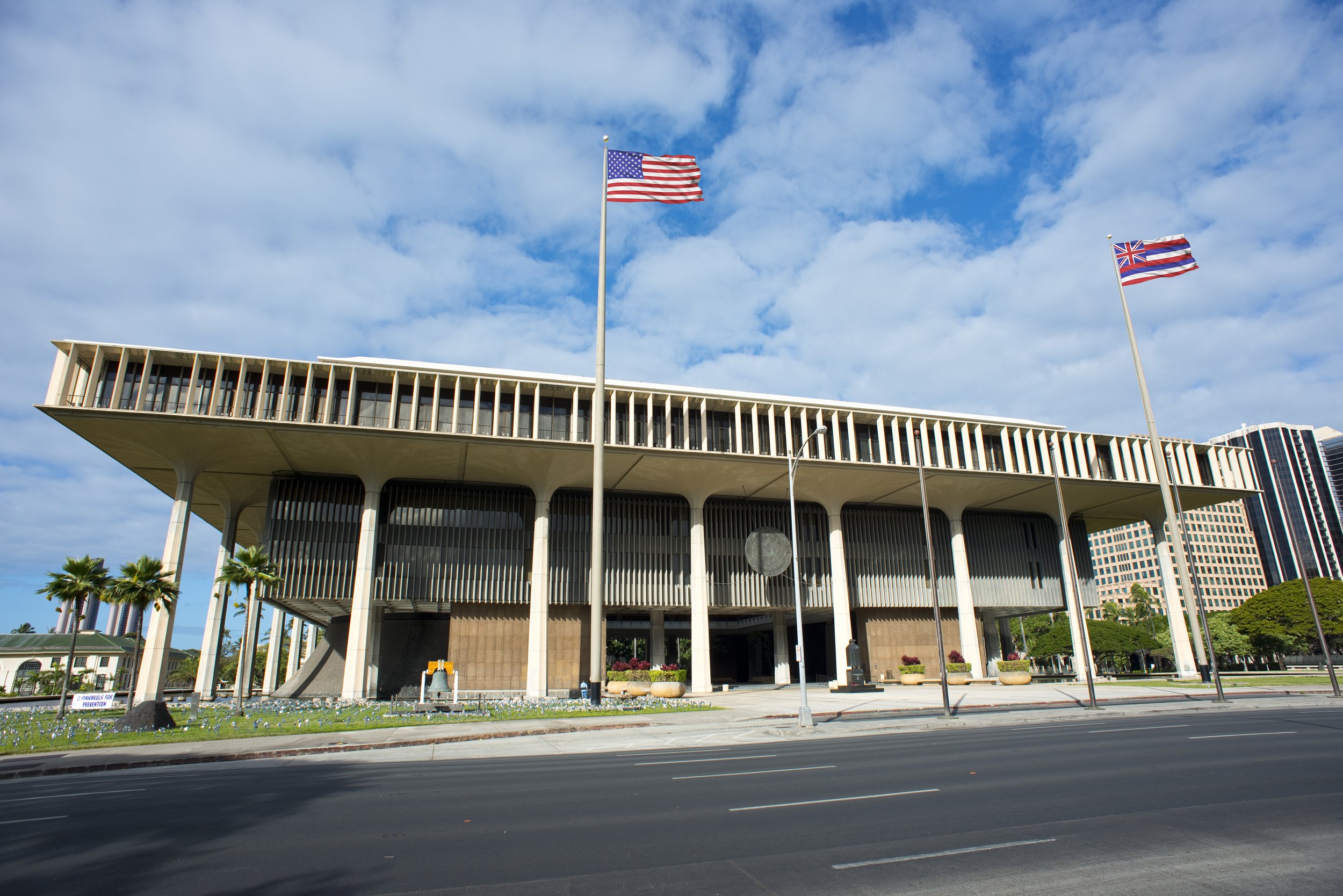
Hawaiʻi plans to spend big on capital improvement projects and covering fixed costs
A brief analysis of the recently-adopted state spending plan for the next two fiscal years, starting July 1, 2019.
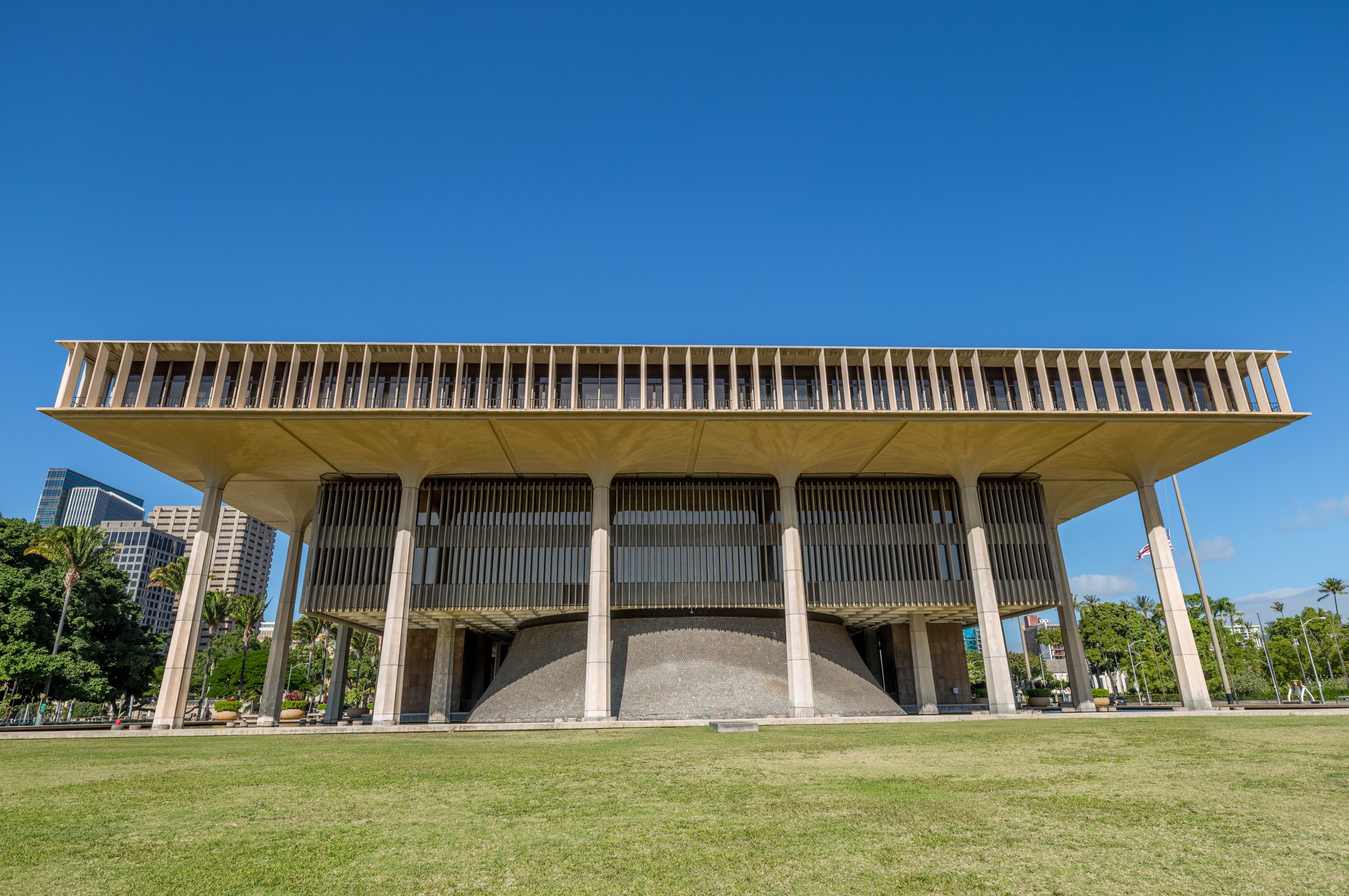
Hawaiʻi’s budget process became less transparent this year
Understanding the budget isn’t always easy. The legislature made this year’s budget process even murkier.

How high is too high? We actually know a lot about minimum wage increases
Raising the minimum wage would boost not just the pay of many struggling Hawaiʻi workers and their families; it would also boost the local economy.

Our taxes at work, and who pays them
Tax season is a good opportunity to reflect on our shared commitment to support the quality of life in our country and state.

Hawaiʻi’s Tax Commission recommends changes in tax code
The commission recommends revenue and tax policy changes needed to address the state’s budget needs, as well as create greater economic opportunity and social equity.

Hawaiʻi’s county budgets at a glance
During FY2018, the City and County of Honolulu, Kauaʻi County, Maui County, and Hawaiʻi County are expected to raise and spend more than $6 billion, the bulk of which is going to operations and the balance to capital improvements.

Hawaiʻi’s executive budget in action
The executive branch budget supports an array of essential health and social services, business development, environmental protection and education from kindergarten to university.