

Hawaiʻi wealth flight fears are overblown
The evidence points only one way: Top earners stay where their lives are rooted. And Hawaiʻi has plenty to keep them here.

State budget directs $200 million to Maui wildfire recovery
Hawaiʻi Appleseed reported the state maintains a regressive tax structure, where the poorest 20 percent of residents pay 14.1 percent in effective state and local taxes, and the wealthiest 1 percent pay 10.1 percent.

Thousands of keiki now eligible for free school meals
Act 139 expanded the threshold to those making up to 300% of the federal poverty level, meaning an average family of four making up to roughly $113,000 annually could now be eligible for free school meals.

Crossing the road for pedestrians can be dangerous and, for some, costly
While people wait for policy change in Hawaiʻi, pedestrian accidents continue to add up every year.

Legislature shows support for local agriculture, food security
Food security advocates are also celebrating policies that will make it easier for kūpuna and inmates nearing the end of their sentences to participate in SNAP, or the Supplemental Nutrition Assistance Program.

Why housing affordability progress stalls out in Hawaiʻi
What is missing is not knowledge, evidence, or available policy options. What is missing is honesty about whom these reforms actually threaten and why bills with broad public support keep dying for reasons that rarely get named.

Luxury home tax pitch to fund Hawaiian Homes flopped. Now what?
The state Department of Hawaiian Home Lands came away with some funds but will need to look for other revenue sources.

Follow along, folks. Money matters more than ever this year
Understanding the byzantine state budgeting process is already hard enough. During conference committee, it becomes nearly impossible for a lay person to grasp.

New data tool gives side-by-side comparison of House and Senate budget drafts
This update is the third in a series of data-forward additions Hawaiʻi Appleseed has made to its website in recent months, reflecting the organization’s commitment to transparency, accessibility, and evidence-based advocacy.
Hawaiʻi income tax cuts hang in balance as legislative session nears end
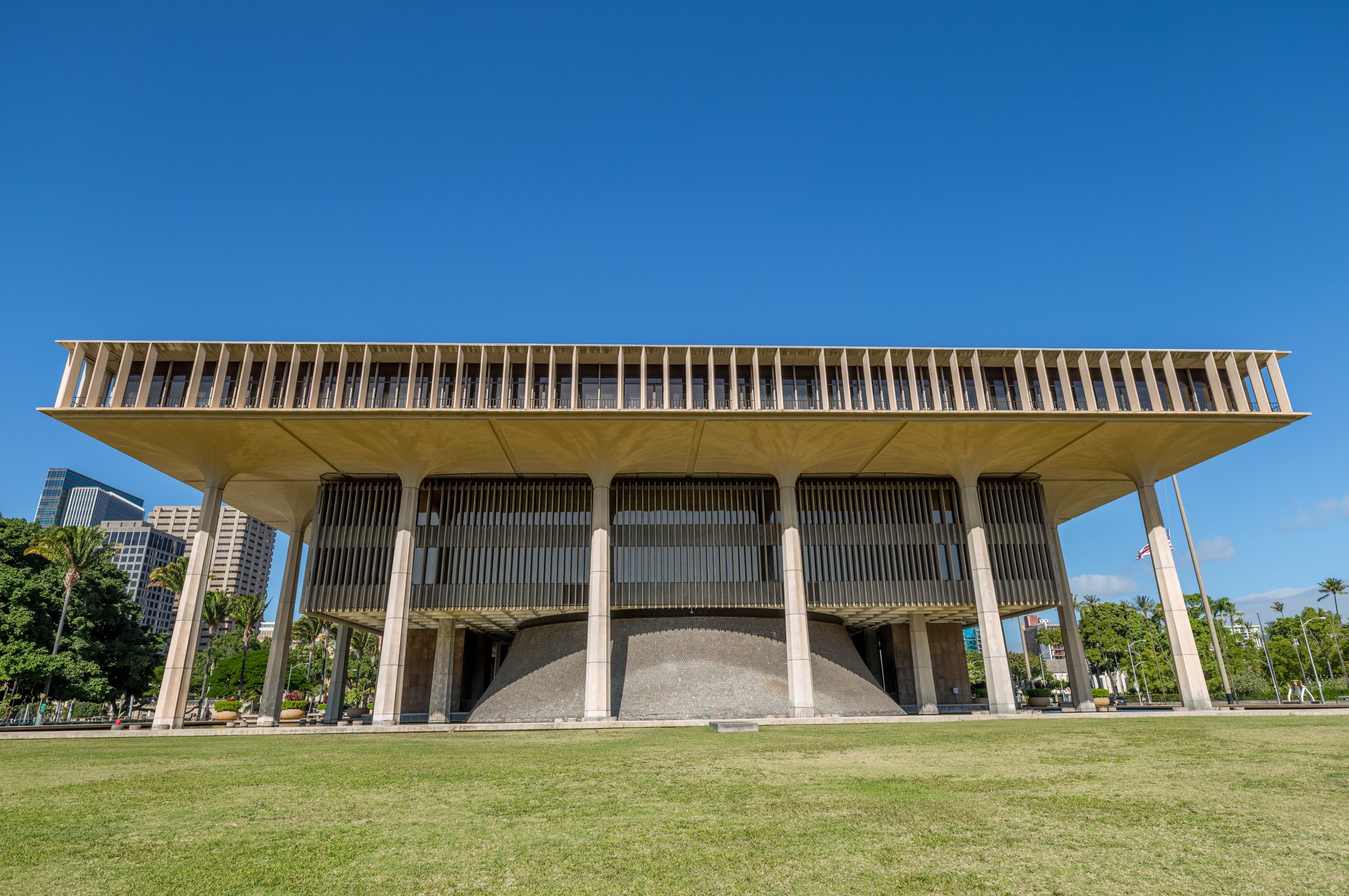
House and Senate committees focused on state finances pursued different paths in early March to preserve more or all of the scheduled tax breaks for all but the highest-income households.

Free school meals are popular. Hawaiʻi isn’t sold.
Three years after lawmakers first considered making school meals free for all kids, students and teachers are still pushing for change.

With new federal cuts looming, legislature must fulfill 100-year promise to Hawaiians
Senate Bill 3028 would give DHHL a permanent, dedicated revenue stream funded by restructuring the state’s conveyance tax.

Small SNAP expansion, big Hawaiʻi benefit
A national shift toward criminalizing need has taken root — standing in stark contrast to who we are as a community.

Don’t undermine Hawaiʻi’s Safe Routes To School program
A bill under consideration would give the transportation department broad authority to direct program funds for its existing projects, without going through the legislatively mandated evaluation process of the other proposals.
Tax fairness promoted in bills would implement major changes
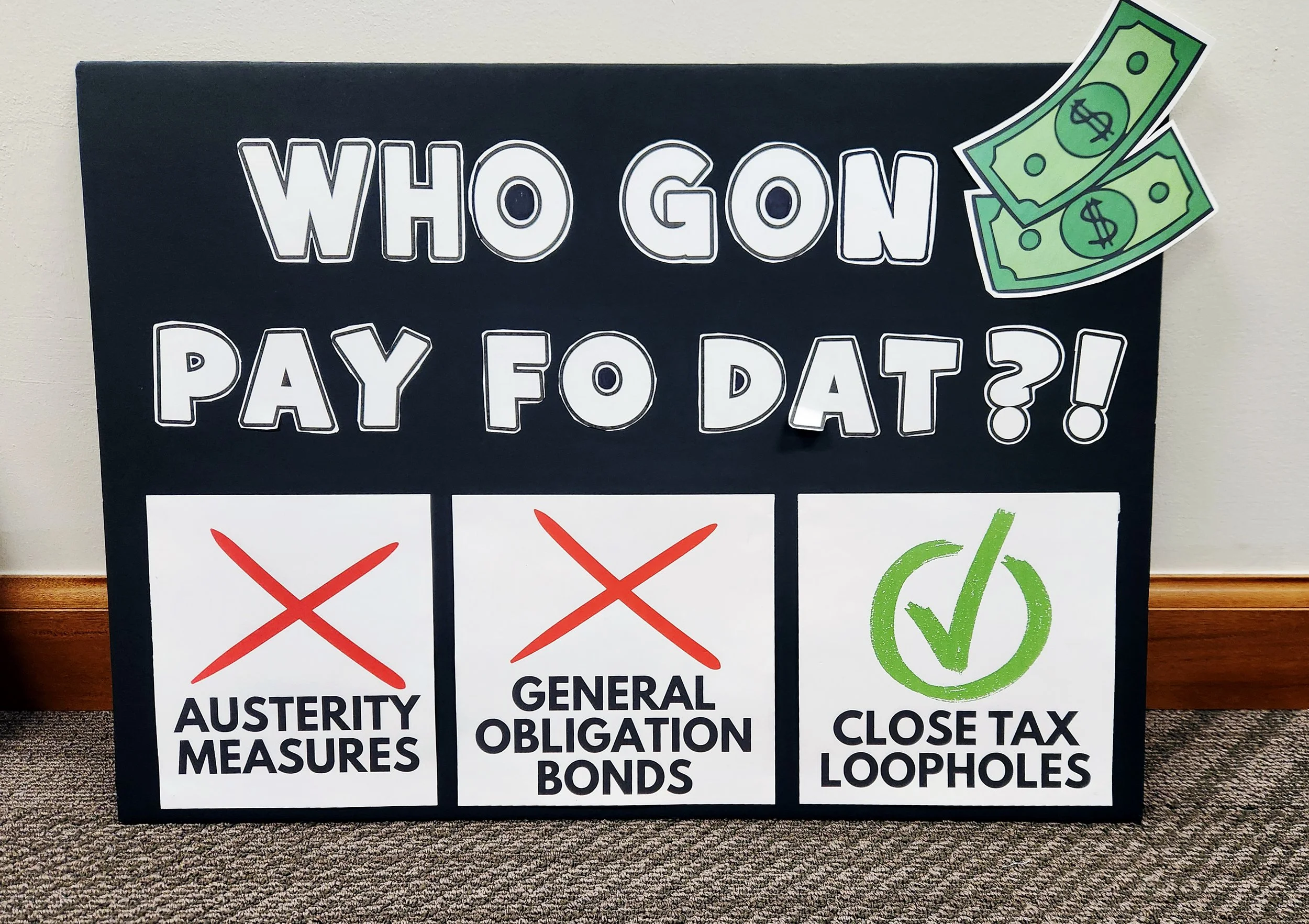
The Hawaii Tax Fairness Coalition is advocating for bills that would make major changes to the state’s income tax, capital gains tax, real estate sales tax and a tax on income for real estate investment trusts.

From free meals to teacher safety, an array of bills for Hawaiʻi schools
Proposals have made it halfway through the legislative session, and some advocates are cautiously optimistic that legislation that failed in past years will make it this year.

Free bus rides for keiki? So much for that
One supporter said she hopes the effort will come up again in a future year.

Bills to increase tenant protections advance at Legislature
State lawmakers are considering two measures that aim to improve protections for tenants and provide resources to better understand their rights.

Push to feed Hawaiʻi kids more local food is ‘structural disaster’
The DOE has not taken the effort seriously and has no real plan for how to meet a legislative mandate to spend 30 percent of its food budget locally by 2030, according to a state audit.
Hawaiʻi lawmakers debate scaling back promised tax cuts
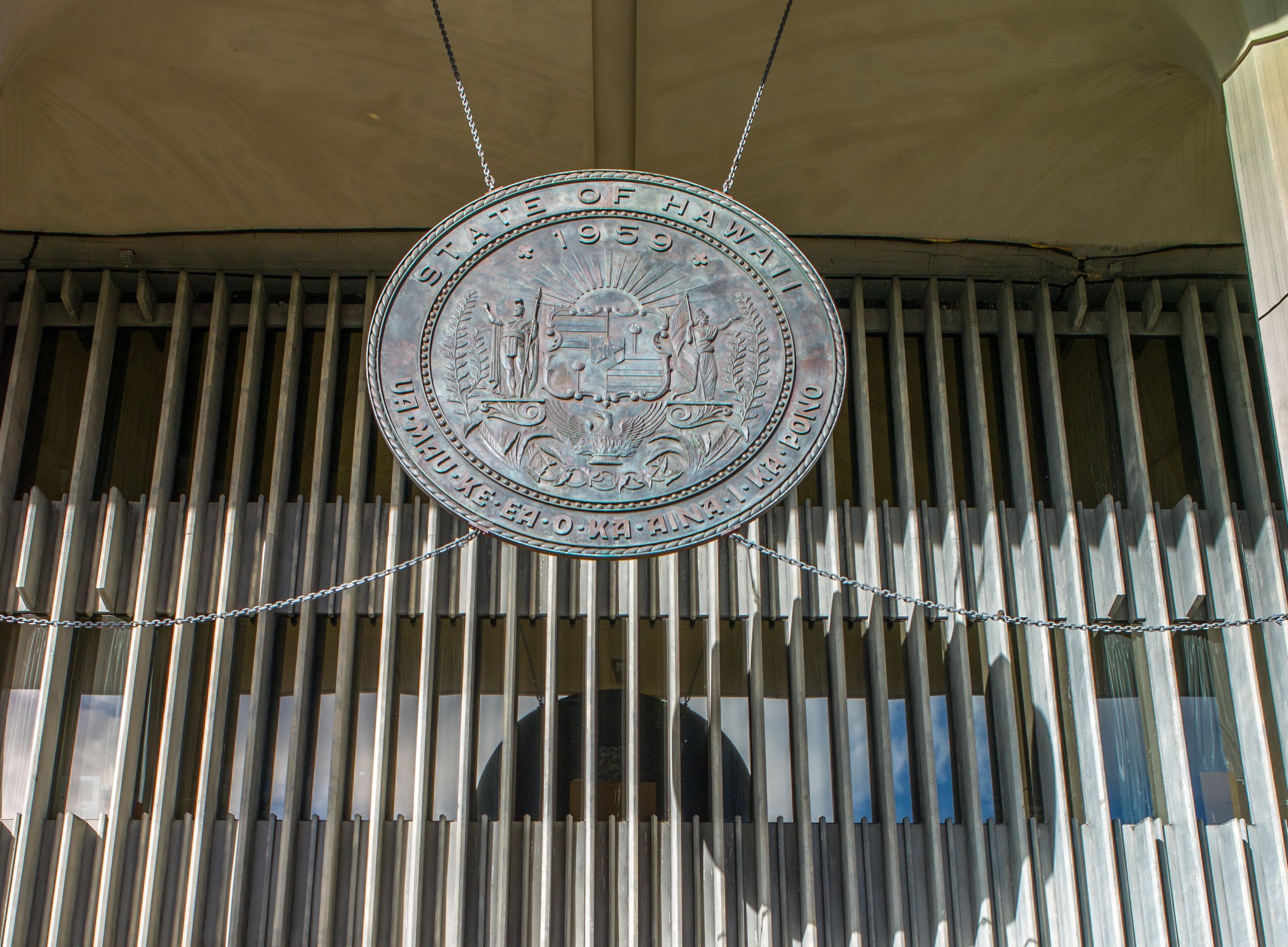
In 2024, lawmakers passed sweeping tax relief under Act 46, promising phased income tax reductions for Hawaiʻi residents over several years. But the state’s financial outlook has changed.